EG4 Off-Grid Equipment Overview
Stepping into the world of off-grid solar can feel like deciphering a secret language, especially when you start looking at all the different equipment brands and what they offer. It’s easy to get overwhelmed trying to figure out which components will truly power your independent lifestyle without constant headaches or unexpected failures. This guide is here to cut through the confusion and give you a comprehensive, realistic overview of EG4 off-grid solar equipment, detailing its strengths, common applications, and how it can fit into your vision for energy independence.
Why EG4 Equipment Stands Out in Off-Grid Solar
When you’re making the jump to off-grid living, reliability, performance, and the ability to scale your system are paramount. This isn't just about turning on a light bulb; it's about powering your refrigerator, your well pump, and all the comforts of home, day in and day out, rain or shine. Many folks struggle to find components that are robust enough to handle these demands without breaking the bank or requiring a master's degree in electrical engineering to set up. That's where a brand like EG4 often enters the conversation.
EG4's Philosophy and Product Range for the Off-Grid Lifestyle
EG4 has carved out a significant niche in the off-grid solar market by focusing on high-performance, cost-effective solutions, particularly in the realm of batteries and hybrid inverters. Their philosophy seems to be centered around providing prosumer-grade equipment that bridges the gap between basic DIY setups and complex, custom commercial installations. They understand that off-gridders need components that are not only powerful but also relatively straightforward to integrate and manage.
Their product range is quite focused, primarily offering LiFePO4 (lithium iron phosphate) batteries, all-in-one hybrid inverters, and charge controllers. What's compelling about EG4 is their emphasis on integration – their components are often designed to work seamlessly together, simplifying the installation and configuration process that can otherwise be a huge headache. They're not just selling individual pieces; they're offering building blocks for a cohesive system. This approach is a breath of fresh air for many who’ve tried to mix and match components from various manufacturers, only to run into compatibility issues or convoluted wiring.
Key Advantages of Choosing EG4 for Off-Grid Living
One of the biggest advantages of going with EG4 is their commitment to robust energy storage. Their LiFePO4 batteries are designed for long cycle life, deep discharge capabilities, and a very stable performance, which are non-negotiable for an off-grid setup. Unlike traditional lead-acid batteries, you can consistently discharge EG4 lithium batteries much deeper without significantly impacting their lifespan, giving you more usable energy from your battery bank. This translates to fewer worries about running out of power on cloudy days or during peak usage. When you’re trying to figure out how many batteries for an off-grid system, knowing you can utilize a larger percentage of their capacity makes a huge difference.
Furthermore, EG4’s hybrid inverters are often praised for their comprehensive capabilities. They typically combine a high-efficiency inverter, a powerful solar charge controller (usually MPPT, which is ideal for maximizing solar harvest), and sometimes even a battery charger for generator input, all into one compact unit. This not only saves space but also reduces wiring complexity, a common pain point for DIY installers. It’s this kind of thoughtful design that simplifies the often-daunting task of wiring an off-grid solar system. Plus, their systems are often designed for easy expansion, which is great for those who want to start small and add more power as their needs grow or their budget allows.
A Deep Dive into Key EG4 Off-Grid Components
Let's get into the nitty-gritty of the actual equipment. Knowing the specs is one thing, but understanding how these components truly function in a real-world off-grid scenario is what truly matters. We’re not just looking at numbers; we're considering how these pieces will empower your daily life.
Batteries: The Heart of Your Off-Grid System
EG4's battery offerings are arguably their strongest suit. They focus almost exclusively on LiFePO4 technology, which has become the gold standard for off-grid energy storage due to its superior performance characteristics compared to lead-acid alternatives. Their most popular lines include the EG4 LL (Lightweight Lithium) and Server Rack batteries.
The EG4 LL series, often seen as a direct competitor to brands like Battle Born, offers compact, high-performance batteries that are perfect for RVs, vans, or smaller cabins where space and weight are concerns. These batteries come with integrated Battery Management Systems (BMS) that protect against overcharging, over-discharging, over-current, and temperature extremes, making them incredibly safe and reliable. This built-in protection is a huge peace of mind for anyone setting up their own system, as managing battery health can otherwise be quite complex.
For larger, more stationary installations like a full-time off-grid home or a remote cabin, the EG4 Server Rack batteries are a game-changer. These are designed to be stacked in server racks, creating dense, high-capacity battery banks that look incredibly clean and professional. They come in 48V configurations, which is often recommended for larger systems because it allows for smaller wire gauges and reduces energy loss over distance. Understanding how to calculate daily energy usage and then matching it to a robust battery bank like these is crucial for uninterrupted power. These batteries are built for serious power, capable of high discharge rates to handle demanding appliances like well pumps or air conditioners.
Inverters and Inverter-Chargers: Powering Your Home
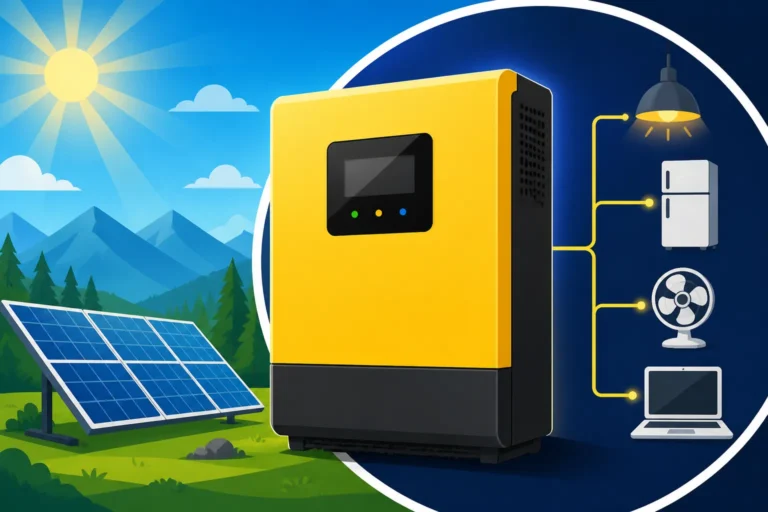
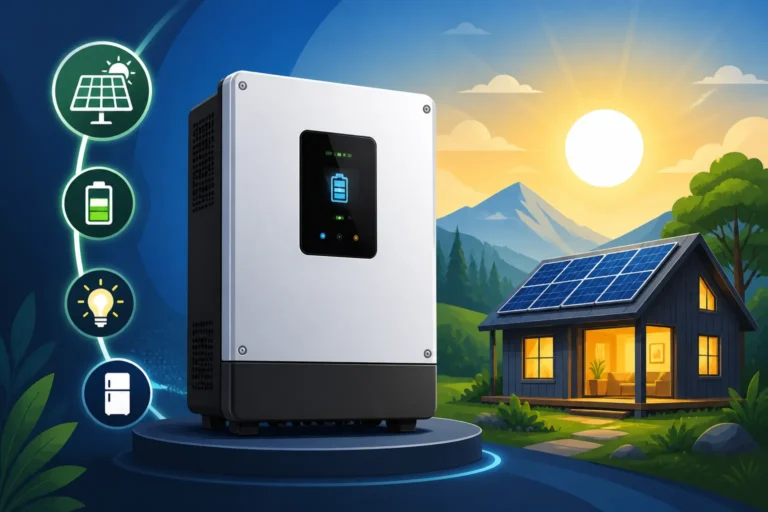
The inverter is the workhorse that converts your battery's DC power into usable AC power for your appliances. EG4 offers a range of hybrid inverter-chargers that are incredibly popular among off-gridders. A standout is the EG4 6500EX-48, an all-in-one unit that integrates a pure sine wave inverter, an MPPT solar charge controller, and a battery charger into one sleek device.
Pure sine wave output is critical for sensitive electronics, ensuring your devices run smoothly without damage, unlike cheaper modified sine wave inverters you might find on Amazon or other general marketplaces. The integrated MPPT charge controller is highly efficient, maximizing the power harvested from your solar panels, especially during less-than-ideal weather conditions. This means more power flowing into your batteries and more usable energy for your home. These hybrid units often feature impressive surge capabilities, which are essential for starting motors found in refrigerators, washing machines, or power tools. Knowing what size inverter to run an air conditioner or a well pump, for example, often comes down to matching its surge capacity.
Many of these EG4 inverters also include features like generator integration, allowing you to seamlessly connect a backup generator to charge your batteries or supplement power during extended periods of low solar production. This capability provides an extra layer of security and convenience for true off-grid living, especially when designing for year-round off-grid power.
Charge Controllers: Optimizing Solar Harvest
While many EG4 inverters come with integrated charge controllers, they also offer standalone MPPT charge controllers for those who prefer a modular system or are expanding an existing one. MPPT (Maximum Power Point Tracking) controllers are vastly superior to PWM (Pulse Width Modulation) controllers because they can adjust their input voltage to match the optimal voltage of the solar panels, squeezing every last watt out of your array. This is particularly important on cloudy days or when temperatures fluctuate, as panel performance can vary significantly.
For anyone serious about off-grid power, investing in a quality MPPT charge controller, whether integrated or standalone, is non-negotiable. It's the brain that manages the flow of energy from your solar panels to your batteries, ensuring efficient charging and protecting your battery bank from overcharging. If you're building out a system with many panels, choosing the right charge controller is just as vital as choosing the right panels or batteries.
Building an EG4 System: Integration and Scalability
The real beauty of EG4 equipment often lies in its ability to integrate and scale. It's not just about individual components but how they work together to create a reliable, expandable power system that can grow with your needs.
System Design Considerations with EG4
Designing an off-grid solar system involves careful planning, starting with an accurate load analysis—determining your daily energy usage. Once you know your energy needs, you can size your solar array, battery bank, and inverter accordingly. With EG4, this process can be surprisingly streamlined because many of their products are designed to be highly compatible. For example, selecting a 48V EG4 server rack battery system naturally pairs well with their 48V hybrid inverters, simplifying your choices and reducing potential compatibility issues. If you're unsure where to start, looking at an Off-Grid Solar System Design Basics guide can be a huge help.
One crucial aspect is choosing the right system voltage. While 12V systems are common for small RVs or weekend cabins, 48V systems are almost always recommended for whole-house or larger applications. EG4's strong offering in 48V batteries and inverters makes them an excellent choice for these bigger projects. Higher voltage systems are more efficient, especially over longer wire runs, and allow for more powerful inverters and smaller conductor sizes, which saves on wiring costs and complexity. When planning your system, consider future expansion. Many EG4 components, especially their server rack batteries, are designed to be easily paralleled, meaning you can add more battery modules as your energy needs increase without overhauling your entire setup.
Real-World Scenarios and Practical Applications
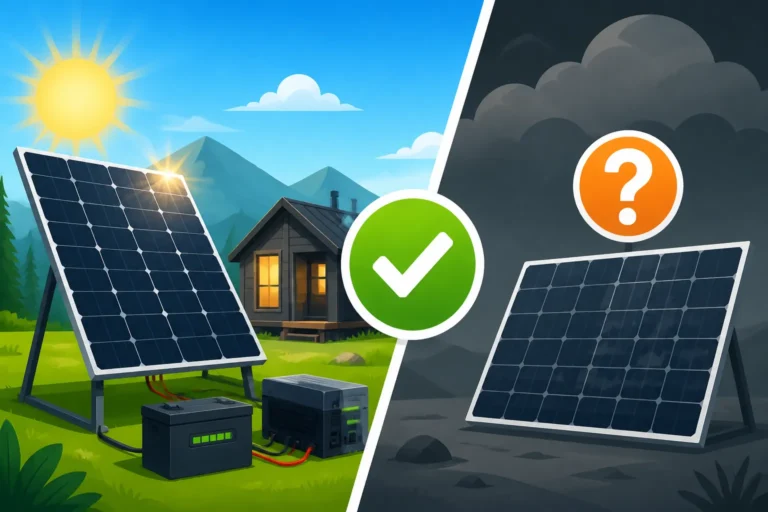
Imagine powering a remote cabin in the mountains of Colorado. The winters are long, and cloudy days are frequent. A robust EG4 system could start with a few 48V server rack batteries, an EG4 6500EX-48 inverter-charger, and a substantial array of solar panels mounted on a ground mount. On sunny days, the MPPT charge controller in the inverter would efficiently harvest power, quickly topping off your batteries. On those stretches of cloudy weather, the deep discharge capabilities of the LiFePO4 batteries would ensure you still have plenty of usable power for lights, refrigeration, and even a small well pump. If an extended storm rolls through, the generator input on the EG4 inverter could automatically kick in, using a backup generator to recharge the batteries and keep your cabin powered, minimizing any downtime.
For those embracing van life, a smaller EG4 LL series battery coupled with a compact inverter (perhaps from a complementary brand like Renogy for smaller 12V systems, easily found on Amazon) could be a perfect fit. The lightweight and compact nature of the EG4 LL batteries makes them ideal for mobile applications where every inch and pound matters. The integrated BMS provides critical safety, allowing you to focus on your adventures rather than constantly monitoring battery health. From powering a refrigerator and a laptop to charging camera gear, EG4 components can handle the diverse power demands of a life on the road. For more on mobile setups, check out the article on how to install off-grid solar on an RV.
Finding EG4 Equipment and Support
Finding the right equipment is one thing, but knowing where to buy it and how to get support is another. This is where the informational aspect truly comes into play for a brand like EG4.
How EG4 Stacks Up Against the Competition
When you're looking at components for an off-grid system, you'll inevitably compare EG4 to other brands. For example, while Victron Energy offers premium, highly configurable components that are beloved by professional installers, EG4 often provides a more integrated, slightly less expensive, and user-friendly solution, particularly for serious DIYers. You might find that EG4's all-in-one inverters offer a powerful punch for their price point, making them a very attractive option for those looking to maximize their budget without sacrificing performance.
For beginners or those with very modest power needs, smaller kits from brands like Renogy, often readily available on Amazon, might seem like an easier entry point. However, when comparing apples to apples in terms of capacity, efficiency, and longevity, EG4 often comes out ahead for systems designed for continuous, reliable off-grid living. Renogy has some excellent starter panels and charge controllers, but for the heavy-duty, scalable battery and inverter solutions, EG4 often shines with products built for more demanding applications. It’s all about matching the equipment to your actual long-term energy goals.
| Component Category | EG4 Strengths | Common Alternatives/Considerations |
|---|---|---|
| Batteries | High-capacity LiFePO4, 48V server rack options, integrated BMS, long cycle life, deep discharge | Lead-acid (cheaper upfront, shorter life, less usable capacity), Battle Born (premium LiFePO4, often higher cost per kWh), SOK (another strong LiFePO4 contender) |
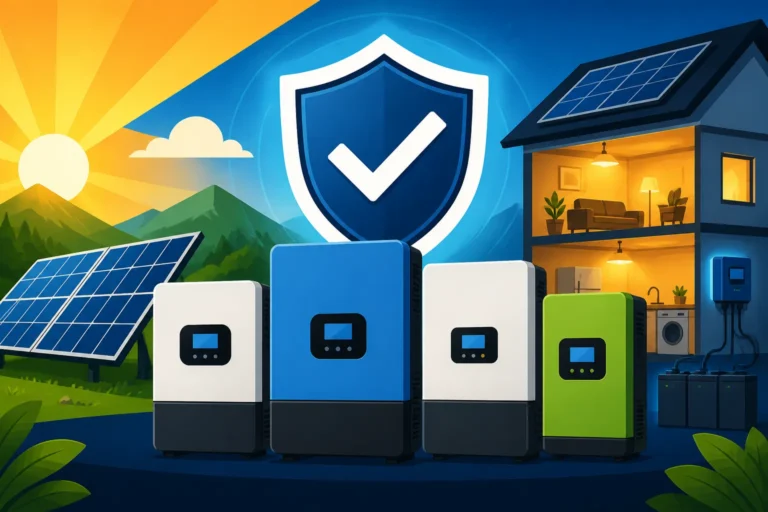
| Inverters | All-in-one hybrid units (inverter, MPPT charger, AC charger), pure sine wave, robust surge capabilities, generator integration | Victron (highly modular, feature-rich, higher cost), Growatt (similar integrated solutions, often competitive on price), AIMS Power (known for high-power inverters, less integrated) |
| Charge Controllers | High-efficiency MPPT, often integrated into hybrid inverters, standalone options available | Renogy (good for smaller, 12V systems), Outback Power (high-end, robust standalone MPPT controllers), EPEver (budget-friendly MPPT options) |
| System Voltage | Strong 48V offerings for larger systems | 12V (good for small RVs/vans), 24V (mid-range applications) |
Where to Acquire EG4 Products and Support
EG4 products are primarily sold through specialized solar equipment distributors and online retailers that cater specifically to the off-grid and DIY solar communities. You won't typically find their main system components like 48V inverters or server rack batteries on general marketplaces like Amazon, although you might stumble upon smaller accessories or individual solar panels there.
Dedicated solar retailers often provide better technical support and system design assistance, which can be invaluable when you're putting together a significant off-grid system. These distributors often have relationships directly with EG4, ensuring you get authentic products and proper warranties. If you're building a DIY off-grid solar system, these suppliers can also be a great resource for learning how to install an off-grid solar system correctly and safely. Many distributors also offer comprehensive Off-Grid Solar Kits: What to Buy that may feature EG4 components, making it easier to purchase a complete, compatible system. Always check for authorized dealers to ensure you're getting legitimate products and accessible customer service.
The Bottom Line on EG4 Off-Grid Equipment
In the grand scheme of off-grid solar, EG4 has positioned itself as a compelling choice for those seeking reliable, high-performance, and reasonably priced equipment. Their focus on powerful LiFePO4 batteries and integrated hybrid inverters makes building a robust, scalable off-grid system more accessible than ever. For homesteaders, full-time RVers, or anyone aspiring to energy independence in a remote setting, EG4 offers a solid foundation upon which to build a dependable power solution. While smaller budgets or very basic needs might find solutions from brands like Renogy or generic kits on Amazon appealing, for serious, long-term off-grid living, EG4 equipment is certainly worth a close look. It’s about investing in the reliability and peace of mind that comes with knowing your power system can handle whatever life off the grid throws at it.
Disclaimer
Please be aware that while this guide provides comprehensive information on off-grid solar equipment, it is intended for informational purposes only. Solar technology, electrical systems, and local regulations are complex and can vary significantly. Always consult with qualified professionals, refer to product manuals, and adhere to all local electrical codes and permitting requirements before designing, installing, or modifying any solar power system. Improper installation or maintenance can lead to serious injury, property damage, or system failure.