EcoFlow Solar Panels Review for Off-Grid
It's incredibly common for folks venturing into off-grid living to feel a bit overwhelmed when it comes to choosing solar panels. With so many brands and types out there, trying to figure out if popular, portable options like EcoFlow solar panels are actually robust enough for a serious off-grid setup, or if they're just glorified camping gadgets, can be a real headache. This comprehensive guide is designed to cut through that confusion, offering an in-depth review of EcoFlow solar panels specifically for off-grid applications, helping you make an informed decision for your energy needs.
Understanding EcoFlow Solar Panels for Off-Grid Living
EcoFlow has made a significant name for itself in the portable power station market, but their solar panels often raise questions among those looking for more permanent or robust off-grid solutions. These panels are distinct in their design philosophy, often prioritizing ease of use and seamless integration over the raw, industrial-grade robustness of traditional fixed panels. Understanding their core characteristics is the first step in assessing their true off-grid potential.
What Makes EcoFlow Panels Unique
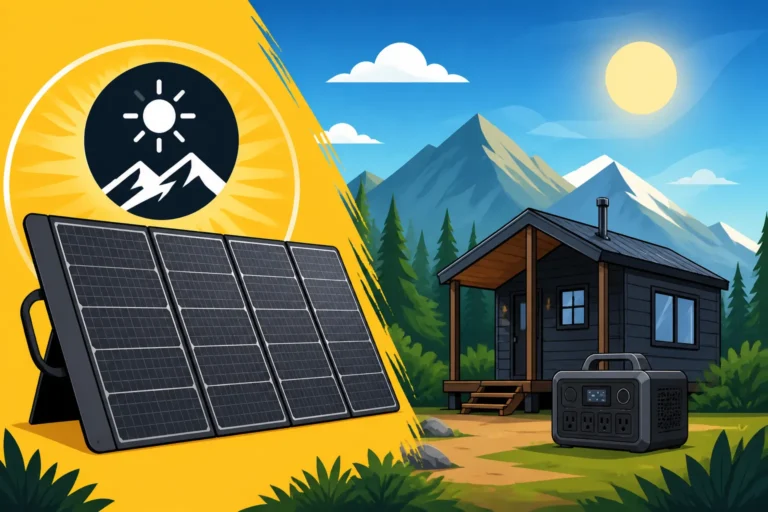
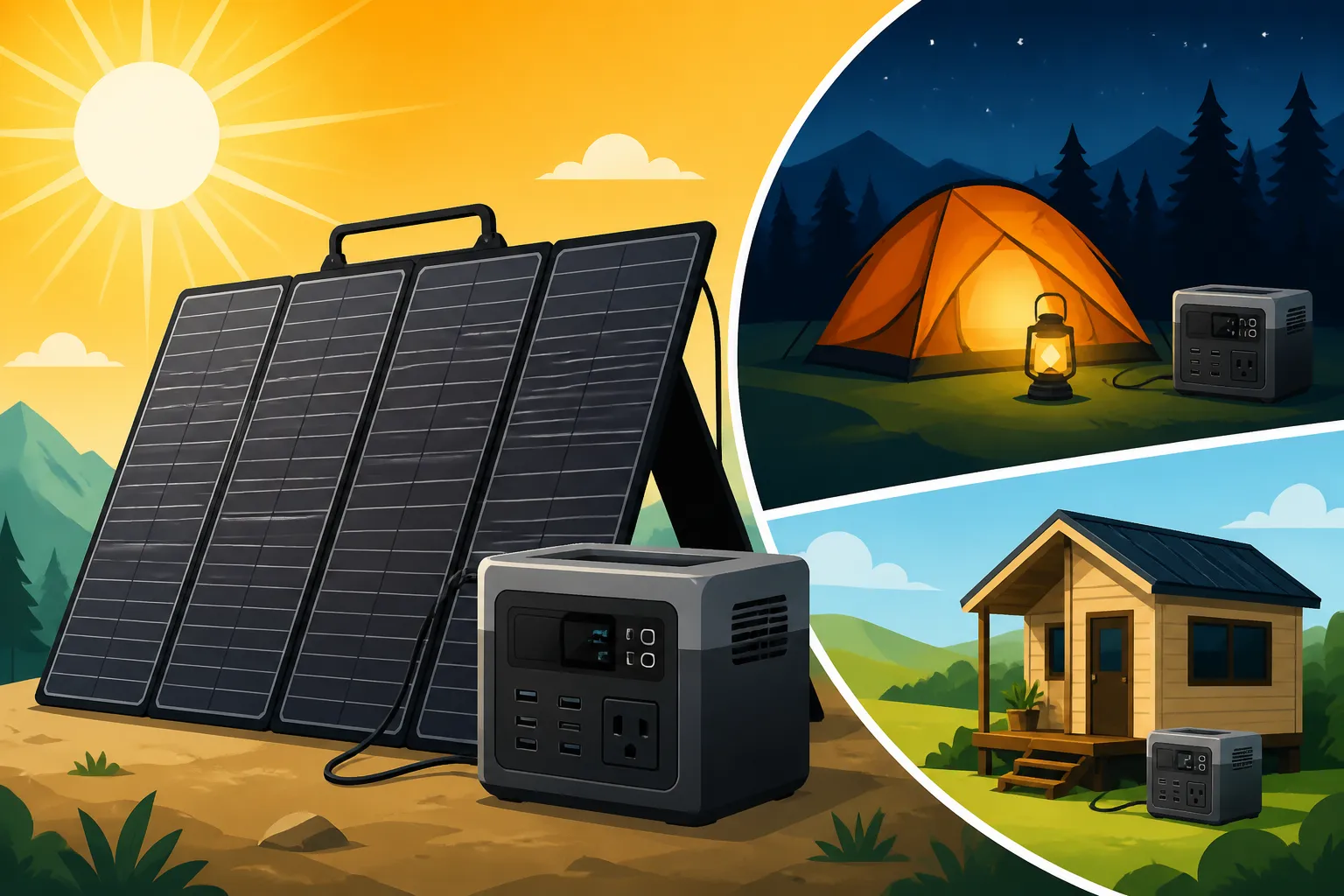
What truly sets EcoFlow solar panels apart from many competitors is their emphasis on portability and the "plug-and-play" experience. Unlike traditional rigid panels that typically require permanent mounting and complex wiring, EcoFlow panels are designed for quick deployment and easy transport. Most of their popular models are foldable, featuring integrated kickstands and carrying handles, making them incredibly convenient for mobile applications like RVs, vans, camping, or even just setting up a temporary power source at a remote cabin. This design caters to a growing segment of the off-grid community that values flexibility and rapid setup.
Furthermore, EcoFlow's panels are engineered to integrate flawlessly with their own ecosystem of power stations, such as the EcoFlow Delta Pro or EcoFlow Delta 2, which simplifies the entire process of harvesting and storing solar energy. They often come with proprietary connectors that make direct connection a breeze, though adapters for standard MC4 connectors are also available for broader compatibility. This integrated approach minimizes the technical know-how required, lowering the barrier to entry for many who might otherwise be intimidated by a more complex DIY off-grid solar system design. The focus is on a user-friendly experience, from unpacking to powering up your devices, which can be a huge advantage for beginners or those with limited technical skills.
However, this specialization also means they operate within a specific niche. While their high-efficiency monocrystalline cells promise excellent power generation, their primary design goal isn't necessarily to compete head-to-head with large, stationary solar arrays used for whole-home off-grid power. Instead, they excel in scenarios where dynamic placement and frequent relocation are key, offering a different kind of flexibility that static systems can't match.
Key Specifications and Models
EcoFlow offers a range of solar panel models, each designed with different off-grid needs in mind, from smaller portable units to more powerful rigid panels. Their popular foldable options typically include the 110W, 160W, 220W Bifacial, and the 400W Portable Solar Panels. Each of these models boasts high-efficiency monocrystalline silicon cells, which are known for their ability to convert sunlight into electricity effectively, even in less-than-ideal conditions. The 220W Bifacial panel, for instance, is particularly interesting as it can capture sunlight from both sides, potentially increasing power generation when light reflects off surfaces like snow or water.
When looking at specifications, it's essential to consider factors beyond just wattage. For example, the open-circuit voltage (Voc) and short-circuit current (Isc) are crucial for determining compatibility with various charge controllers and inverters. EcoFlow panels typically operate at voltages that are well-suited for 12V and 24V systems, though care must be taken when stringing multiple panels in series to ensure the voltage doesn't exceed your charge controller's maximum input. Weight and dimensions are also vital, especially for mobile applications. A 400W EcoFlow portable panel, while powerful, will naturally be heavier and bulkier than a 110W unit, impacting its suitability for backpacking or very compact setups.
Beyond the foldable options, EcoFlow has also introduced rigid solar panels, like their 400W Rigid Solar Panel, which moves them closer to traditional off-grid installations. These panels offer a more permanent solution, typically featuring tempered glass and robust aluminum frames, designed to withstand harsher environmental conditions for extended periods. This expansion shows EcoFlow's recognition of the demand for more permanent, higher-capacity options within the off-grid sector, allowing users to potentially build out more extensive systems than just relying on portable units.
Portability and Ease of Use
The hallmark of EcoFlow solar panels, especially their foldable variants, is their unparalleled portability and straightforward deployment. Imagine pulling up to a remote campsite in your RV or heading to your off-grid cabin for the weekend. Instead of wrestling with heavy, cumbersome rigid panels, an EcoFlow portable panel can be unfolded in minutes, propped up with its built-in kickstands, and connected directly to your power station or charge controller. This rapid setup saves valuable time and effort, letting you enjoy your off-grid experience rather than spending hours on installation.
The design features truly reflect a user-centric approach. Many panels come with a carry bag that doubles as a stand, further enhancing their versatility. The lightweight construction, achieved through materials like ETFE film on some models, means even larger panels, like the 400W portable, can be managed by one person. This is a game-changer for those living the van life or traveling frequently, where every inch of space and every pound of weight matters. The ease of packing them away when not in use or when needing to move is also a significant benefit, providing security and protection from theft or adverse weather.
However, this ease of use comes with considerations. While connecting them to an EcoFlow power station is often a simple matter of plugging in a single cable, integrating them into a larger, more complex off-grid system with different component brands might require additional adapters or a clearer understanding of wiring configurations. But for those seeking minimal fuss and maximum flexibility for powering essentials like lights, laptops, or even a small refrigerator, the portability and ease of use of EcoFlow panels are hard to beat, making them a popular choice among mobile off-grid dwellers.
Real-World Performance and Efficiency
While spec sheets give us a theoretical maximum, the true test of any solar panel is its performance in the real world. For off-grid applications, where every watt counts, understanding how EcoFlow panels deliver under varying conditions, their inherent durability, and their compatibility with diverse setups is paramount.
Power Output Under Various Conditions
It's a common observation among solar enthusiasts that the rated wattage of a panel rarely translates directly to its actual output in everyday use. EcoFlow solar panels are no exception. While a 400W panel might achieve close to its nominal output under perfect laboratory conditions—bright, direct sunlight, optimal temperature, and perfect panel angle—real-world scenarios are almost never "perfect." Factors like cloud cover, time of day, seasonal sun angle, ambient temperature, and even dust accumulation on the panel surface can significantly diminish power generation.
For instance, during a partly cloudy day in the Pacific Northwest, an EcoFlow 220W Bifacial panel might only consistently produce between 80-120 watts, especially if the sun isn't directly overhead or if temperatures are high, which can reduce efficiency. In contrast, on a clear, crisp winter morning in Arizona, the same panel could easily hit 180-200 watts. Users often report that EcoFlow panels perform admirably for their size and type, consistently delivering a good percentage of their rated power. However, managing expectations is key; planning your off-grid system based on 60-70% of the rated wattage under typical conditions is a more realistic approach to ensure you have enough power, especially if you're looking at something like How Much Solar to Run A Refrigerator or How Much Solar to Run An Air Conditioner.
Another critical aspect affecting real-world output is shading. Even partial shading on one section of a solar panel can drastically reduce the output of the entire panel, or even an entire string of panels. While portable EcoFlow panels offer the advantage of being easily repositioned to avoid shadows, it's something to constantly monitor, especially if you're parked under trees or next to tall structures. Understanding these nuances helps in effective solar system sizing and ensures you won't be left in the dark when you need power most. If you're wondering How to Design Off-Grid Solar for Winter or for low sun regions, careful consideration of real-world output is even more critical.
Durability and Longevity
The durability of EcoFlow solar panels is a significant concern for off-grid users, particularly given their often portable and foldable nature. Traditional rigid panels are built like tanks, designed to withstand years of harsh weather, but portable panels need a different kind of resilience. EcoFlow addresses this by using materials like monocrystalline silicon cells encased in multiple layers of durable, weather-resistant materials, often including an ETFE film coating that protects against UV rays, dust, and water. Many models boast an IP68 waterproof rating, meaning they can handle rain and splashes without an issue, which is essential for outdoor use.
Despite these protective measures, it’s fair to say that foldable panels, by their very design, are generally less rugged than their rigid, glass-faced counterparts. The hinges, connectors, and fabric backing, while well-made, are potential points of wear and tear over extended periods of repeated folding, unfolding, and transportation. For a permanent installation, such as on the roof of a cabin or a ground mount at a homestead, a rigid panel system from a brand like Renogy would likely offer superior long-term resilience against sustained wind, hail, or heavy snow loads. However, for their intended use — temporary setups, mobile applications, or emergency backup — EcoFlow panels are remarkably well-built and capable of enduring the rigors of travel and outdoor life.
The longevity of solar panels is also tied to proper care and maintenance. While EcoFlow panels are designed to be low maintenance, regular cleaning to remove dirt, dust, and debris will ensure optimal performance over their lifespan. Storing them properly when not in use, preferably in their protective cases, will also prevent unnecessary wear. Considering that solar panels are a long-term investment for any off-grid setup, it's reassuring that EcoFlow designs its panels with a focus on enduring the realities of an adventurous lifestyle, offering a good balance between portability and robust construction. You can learn more about Off-Grid Solar Maintenance Costs to prepare for the long haul.
Compatibility with Off-Grid Systems
One of the most frequently asked questions about EcoFlow solar panels is whether they can be used effectively outside of the EcoFlow ecosystem. The good news is, generally, yes! While EcoFlow designs its panels for seamless integration with its own power stations, they are quite versatile and can be incorporated into a broader off-grid solar system. Most EcoFlow panels come with standard MC4 connectors, or at least include adapters to convert their proprietary connectors to MC4. This is a crucial detail because MC4 is the industry standard for solar panel connections, meaning you can connect them to virtually any third-party charge controller.
For example, if you have an existing off-grid setup with a Renogy MPPT charge controller and a dedicated battery bank, you can typically wire EcoFlow panels into that system. You’ll just need to ensure that the voltage and current characteristics of the EcoFlow panels fall within the operating range of your charge controller. Many users successfully pair EcoFlow panels with charge controllers from brands like Victron Energy or EPEVER, which are widely popular in the DIY off-grid community. This flexibility allows you to incrementally expand your existing system or mix and match components to create a custom solution that best fits your energy needs and budget, as discussed in our guide on Off-Grid Solar System Components Explained.
However, there are a couple of considerations. Firstly, while connecting to a generic charge controller is straightforward, you won't get the same integrated monitoring experience that you would with an EcoFlow power station, which often displays real-time input wattage and battery status directly from the panel. Secondly, for larger, more permanent installations, the cost-per-watt of EcoFlow's portable panels can be higher than that of rigid panels. While they offer fantastic flexibility, if you're building a substantial system for a whole house or a large workshop, you might find more cost-effective options among traditional solar panels. Nevertheless, for modularity, expandability, or simply adding supplemental charging to an existing setup, their broad compatibility is a significant advantage. If you're considering How to Choose an Off-Grid Charge Controller, ensure it matches your panel's output.
Pros and Cons of Using EcoFlow Panels Off-Grid
Every piece of off-grid equipment comes with its own set of advantages and disadvantages, and EcoFlow solar panels are no different. It's about finding the right tool for the right job, and understanding these trade-offs will help you determine if they align with your specific off-grid lifestyle.
Advantages for Specific Off-Grid Scenarios
EcoFlow solar panels truly shine in scenarios where mobility, ease of deployment, and a compact footprint are paramount. For the bustling world of van life and RVing, these panels are a dream come true. Their foldable design and integrated kickstands mean you can quickly set them up when parked and just as easily stow them away when it’s time to hit the road. This flexibility is invaluable, allowing you to chase the sun or avoid shade, maximizing your energy harvest throughout the day without having to remount heavy equipment. Travelers and digital nomads often praise their ability to keep crucial devices charged, from laptops and cameras to portable refrigerators, without permanent installations that could affect vehicle aesthetics or resale value.
Beyond mobile living, EcoFlow panels are excellent for temporary off-grid setups. Picture a remote hunting cabin used only seasonally, a backyard shed needing occasional power, or an emergency backup power system for your home during an outage. In these situations, the ability to deploy power rapidly and then pack it away safely is a huge benefit. You don't need to commit to drilling holes or constructing elaborate mounting systems. Their integrated solutions often include all necessary cables and connectors, making the process truly plug-and-play for quick energy needs. This simplicity is a major selling point for those who value convenience and aren't looking to build a complex, permanent infrastructure.
Furthermore, for beginners to off-grid solar, the straightforward nature of EcoFlow panels, especially when paired with an EcoFlow portable power station, acts as an excellent entry point. The learning curve is significantly reduced compared to assembling a component-based system. This makes them highly appealing for those testing the waters of solar power, or for anyone prioritizing a reliable, easy-to-manage source of clean energy without deep technical expertise. If you're exploring Best Portable Solar Panels or Best Solar Generator Brands, EcoFlow often comes up as a top contender due to these benefits.
Potential Drawbacks and Limitations
While EcoFlow solar panels offer undeniable benefits, they also come with certain limitations that off-grid users should consider, especially for larger or more permanent installations. One of the primary drawbacks is their cost per watt, which tends to be higher compared to traditional rigid solar panels. For example, a 400W rigid panel from a brand like Renogy or Rich Solar often costs significantly less than a 400W EcoFlow portable panel. This cost difference can quickly add up if you're trying to build a larger system, making it less economical for those needing substantial power for a full-time residence or a large homestead.
Another limitation relates to scalability and long-term durability in fixed environments. While EcoFlow offers rigid panels now, their foldable units are primarily designed for temporary or mobile use. The materials, while durable for travel, may not withstand continuous, harsh exposure to extreme weather conditions (like heavy snow loads or high winds) over many years as effectively as a glass-and-aluminum framed panel. The connectors, hinges, and fabric components on portable models, though robust, can be points of failure over time with constant exposure to the elements if they're left out permanently. If you're aiming for a setup like Off-Grid Solar Cost for a Whole House or a permanent cabin, these panels might not be the most appropriate or cost-effective primary power source.
Finally, while their plug-and-play nature is a huge advantage, it can also create a bit of a "walled garden" effect if you're heavily invested in the EcoFlow ecosystem. While adapters allow compatibility with other brands, some of the advanced features and monitoring might be best experienced within their own integrated setup. This isn't necessarily a dealbreaker, but it's something to be aware of if you plan to mix and match components extensively. You might also find that their lower voltage outputs in a single panel might require more complex series wiring to reach the higher voltage input requirements of some larger, more efficient MPPT charge controllers, which adds a layer of complexity for advanced DIYers.
Comparing EcoFlow to Traditional Off-Grid Panels
When considering EcoFlow panels for off-grid use, it's really about weighing their unique strengths against the established benefits of traditional, rigid off-grid solar panels. Traditional panels, typically from manufacturers like Renogy, Canadian Solar, or Trina Solar, are often larger, heavier, and feature a robust tempered glass and aluminum frame construction. Their primary advantages lie in their excellent cost-per-watt, superior long-term durability for fixed installations, and wide range of sizes that make them ideal for scaling up large systems. They are the workhorses for How Many Solar Panels for Off-Grid Living or a full-time off-grid home, designed to be mounted once and largely forgotten for decades.
EcoFlow panels, on the other hand, trade some of that rugged, fixed-installation durability and lower cost-per-watt for unparalleled portability and ease of use. If your off-grid scenario involves frequent movement—think van life, RVs, camping, or temporary remote worksites—EcoFlow panels are often the superior choice. They don't require specialized mounting hardware or complex wiring diagrams; you simply unfold, plug in, and start charging. This "grab-and-go" convenience is something traditional rigid panels simply cannot offer. For a comprehensive comparison, it's worth checking out guides like Best Off-Grid Solar Panels and How to Choose an Off-Grid Solar Panels.
The choice truly boils down to your specific off-grid application. If you're setting up a permanent, large-scale power system for a homestead, the economic efficiency and longevity of traditional rigid panels will likely win out. You'd be more focused on aspects like How to Size an Off-Grid Solar System for long-term reliability. However, if your off-grid needs prioritize flexibility, quick deployment, and a system that can move with you, EcoFlow's approach offers a compelling, albeit often pricier, solution. They represent a modern, user-friendly segment of the off-grid market that values convenience and integration, particularly when paired with their power stations.
Cost-Effectiveness and Value
Evaluating the cost-effectiveness of EcoFlow solar panels for your off-grid endeavors isn't just about looking at the initial price tag. It's about understanding the value proposition, the long-term implications, and how they stack up against other options on the market.
Initial Investment vs. Long-Term Savings
The initial investment for EcoFlow solar panels can feel a bit steep, especially when compared to buying rigid solar panels of equivalent wattage from other brands. For instance, a 400W EcoFlow portable panel might cost more than a similarly rated rigid panel you could find at your local solar supply store or online at Amazon. This higher upfront cost is often a reflection of their advanced design, portability features, integrated components (like built-in kickstands and carrying cases), and the brand's premium positioning in the portable power market.
However, the "savings" component for off-grid living isn't always purely about the lowest price per watt. For many, the long-term savings come in the form of convenience and avoiding additional expenses. For mobile setups, the ability to quickly deploy and reposition panels means you're almost always optimizing your solar harvest, potentially reducing the need for a backup generator and its associated fuel costs. If you're avoiding costly professional installation fees for permanent racking, the DIY-friendly nature of EcoFlow panels also translates into significant savings.
Furthermore, for emergency preparedness or temporary off-grid scenarios, the speed of setup and reliable performance can save you from unforeseen expenses related to power outages or the need for temporary power rentals. While the cost of a 10kW Off-Grid Solar System for a full home might seem astronomical, a modest EcoFlow setup can provide essential power for a fraction of that, offering immediate value in specific situations. It's an investment in reliable, accessible power, which, for many, outweighs the higher initial outlay when considering total ownership experience.
What You Get for Your Money
When you invest in EcoFlow solar panels, you're not just buying wattage; you're buying a complete, user-friendly experience that often includes several value-added features. Each panel typically comes ready to use, often including essential accessories like durable carrying cases that double as adjustable kickstands, a range of connecting cables, and sometimes even MC4 adapters to ensure broad compatibility. This "all-in-one" package means you don't have to scramble for additional parts or spend extra time and money on sourcing mounting hardware, which is a common hidden cost in traditional solar setups.
The quality of construction is another significant factor in their value. EcoFlow utilizes high-efficiency monocrystalline cells and durable ETFE laminates, which contribute to better performance and longevity compared to cheaper alternatives. The thoughtful design, such as the ability to daisy-chain multiple panels easily for increased power output, also adds to the overall value. For instance, if you start with one 220W panel for your van, you can easily add another later to boost your power, much like expanding a modular system, without needing to completely re-engineer your setup. This scalability, particularly within the EcoFlow ecosystem, is a major plus for those who want to start small and grow their off-grid capabilities over time.
Ultimately, what you get for your money with EcoFlow is a highly portable, efficient, and well-designed solar charging solution that minimizes hassle. For many, especially those in the van life, RV, or camping communities, the premium price is justified by the sheer convenience, reliability, and thoughtful engineering that makes going off-grid simpler and more enjoyable. It’s a solution geared towards ease of use, even if the Cost of Off-Grid Solar Panels appears higher at first glance.
Where to Purchase and Look for Deals
Finding the best place to purchase EcoFlow solar panels and secure a good deal can make a difference in your overall off-grid budget. The most straightforward place to buy is directly from the official EcoFlow website. They often have promotions, bundle deals with their power stations, and direct customer support, which can be invaluable if you have technical questions or need warranty assistance. Signing up for their newsletter can sometimes grant you access to early bird specials or exclusive discounts.
Beyond the official site, major online retailers like Amazon are excellent places to find EcoFlow products. Amazon's wide distribution network often means faster shipping, and competitive pricing, sometimes even beating the official site during sales events like Prime Day or Black Friday. You'll also find a wealth of customer reviews there, which can offer real-world insights into the panels' performance and durability from other off-grid users. When purchasing from third-party sellers on platforms like Amazon, always ensure they are authorized dealers to guarantee warranty validity and product authenticity.
Local outdoor gear stores or specialized solar equipment suppliers might also carry EcoFlow panels, giving you the advantage of seeing the product in person and getting advice from knowledgeable staff. Keep an eye out for holiday sales, clearance events, or bundles that include a power station, as these can significantly reduce the overall cost of setting up your off-grid solar system. While the initial investment might be higher than some alternatives, strategic purchasing can help you maximize the value and kickstart your journey to energy independence without breaking the bank. For more on overall system costs, you can explore topics like Off-Grid Solar Kit Price Ranges.
EcoFlow Solar Panel Comparison Table
To give you a clearer picture of some popular EcoFlow solar panel models and their suitability for different off-grid needs, here's a quick comparison:
| Model | Rated Wattage | Type | Key Feature | Weight (approx.) | Approximate Price Range (USD) | Best For |
|---|---|---|---|---|---|---|
| 110W Portable Solar Panel | 110W | Foldable | Compact & Lightweight | 9.26 lbs | $300 – $400 | Light use, camping, small vans, emergency backup |
| 160W Portable Solar Panel | 160W | Foldable | Balanced portability & power | 15.4 lbs | $400 – $500 | RVs, cabins, medium power needs, day trips |
| 220W Bifacial Solar Panel | 220W | Foldable | Dual-sided power generation (up to 25% more) | 20.9 lbs | $500 – $650 | Optimal sun capture, varied terrains, larger RVs |
| 400W Portable Solar Panel | 400W | Foldable | High power, still portable | 35.3 lbs | $900 – $1100 | Heavier loads, extended trips, cabins, larger setups |
| 400W Rigid Solar Panel | 400W | Rigid | Durable, permanent installation | 47.4 lbs | $600 – $800 | Fixed installations, home backup, larger cabin systems |
Note: Prices are approximate and can vary based on retailers, promotions, and bundles.
Disclaimer
This article is intended for informational purposes only and does not constitute professional advice. While we strive to provide accurate and up-to-date information, off-grid solar systems involve electrical components and should be installed and maintained by qualified individuals. Always consult with a certified electrician or solar professional before undertaking any complex installations.