How Much Cheaper Is DIY Off-Grid Solar
Embarking on the off-grid solar journey can feel like a huge leap, both in terms of lifestyle and finances. Many folks get excited about the independence but quickly get overwhelmed when they see the sticker shock of a professionally installed system. The burning question on everyone's mind is often: "Can I really save a significant chunk of money by doing this myself?" You bet you can, and in this guide, we're going to break down just how much cheaper DIY off-grid solar can be, and what factors truly make a difference.
Deconstructing the Cost: Where Your Money Goes in an Off-Grid System
Before we even talk about savings, it's crucial to understand what makes up the total cost of an off-grid solar system. Whether you're hiring professionals or tackling it yourself, the fundamental components are always needed. The difference lies in where you source them, and who puts them all together.
The Major Components and Their Price Tags
The bulk of your off-grid solar investment goes into the core hardware. These are the workhorses that actually generate, store, and convert your power.
First up, you have your Cost of Off-Grid Solar Panels. These are what capture sunlight and convert it into electricity. Their cost can vary wildly based on wattage, efficiency, and brand, but typically range from a few hundred dollars for smaller panels to thousands for a substantial array. For example, a single 400-watt panel might cost $200-$400, but a full array for a medium-sized cabin could require 10-20 of these, quickly adding up.
Then there are the batteries, arguably the most critical component for true off-grid living, and often the most expensive. Your Cost of an Off-Grid Solar Battery Bank will be a huge determinant of overall system cost. Lithium Iron Phosphate (LiFePO4) batteries are popular for their longevity and performance, but carry a higher upfront cost, often $1,000-$5,000 per battery, depending on capacity. Lead-acid options are cheaper initially but have a shorter lifespan and require more maintenance. The number and type of batteries you need directly correlate with your energy consumption and desired days of autonomy.
Finally, you need an inverter to convert the DC power from your batteries into the AC power that most household appliances use, and a charge controller to manage the flow of power from your panels to your batteries. Your Cost of an Off-Grid Solar Inverter can range from a few hundred dollars for smaller systems to several thousand for high-capacity, pure sine wave models with advanced features. A reliable charge controller, essential for protecting your batteries, might add another few hundred to a thousand dollars.
Essential Supporting Gear and Balance of System Costs
Beyond the big three, there's a myriad of smaller but indispensable components that contribute to the overall cost. These are often lumped into what's called "balance of system" costs.
Mounting hardware is a good example. You need robust racks to secure your solar panels, whether you're putting them on a roof or building a ground mount. These can include rails, clamps, feet, and potentially tilt mechanisms, adding hundreds of dollars to your tab. Wiring, fuses, breakers, disconnects, and conduit are all crucial for safety and functionality, and their prices accumulate quickly, especially for larger systems or those requiring longer wire runs. Don't forget the tools you'll need if you're doing it yourself – wire strippers, crimpers, a multimeter, and safety gear can represent a small investment of their own.
Many people also overlook the little things like weatherproofing materials, sealants, and junction boxes. While individually inexpensive, they're vital for the long-term reliability and safety of your system, especially when considering outdoor installations where elements like rain, snow, and UV exposure can take a toll. Thinking about your total How Much Does an Off-Grid Solar System Cost means accounting for all these seemingly minor details.
Unpacking the Savings: Where DIY Truly Shines
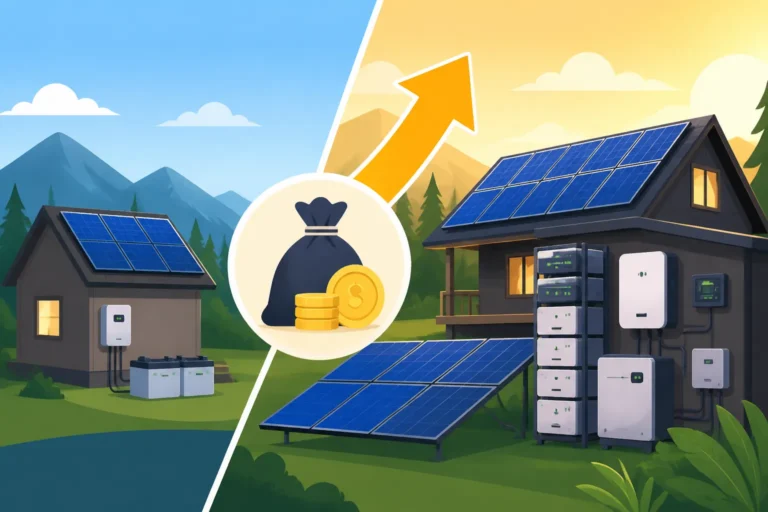
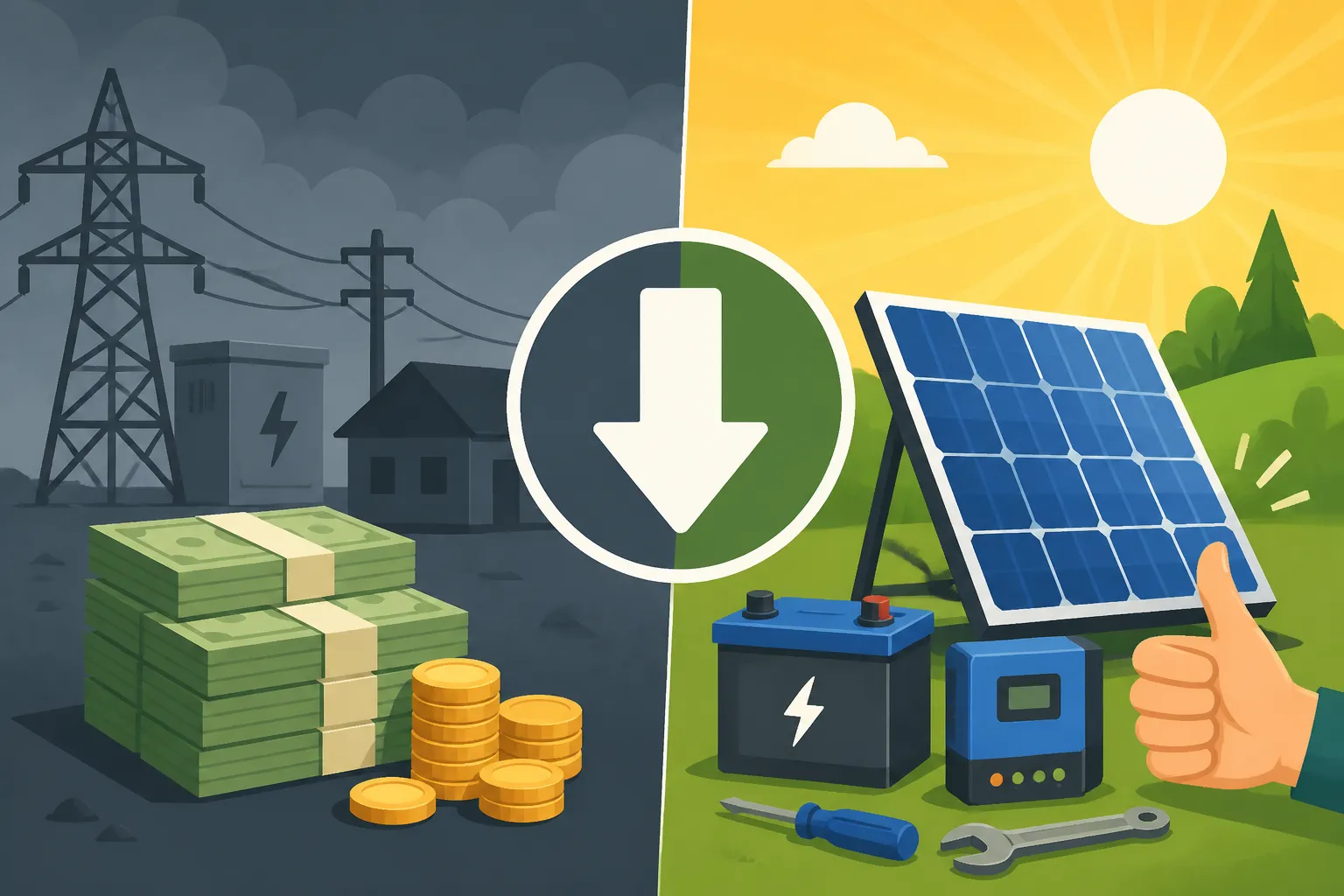
The primary reason DIY off-grid solar systems are significantly cheaper than professionally installed ones boils down to two main factors: labor costs and equipment markups. These are the areas where your personal effort translates directly into dollar savings.
Eliminating Professional Installation Fees
When you hire a professional company to install your off-grid solar system, you're paying for a lot more than just their time. You're covering their expertise, their licensing, insurance, overhead for their business (trucks, tools, office staff), and the peace of mind that comes with a guaranteed, compliant installation. These labor costs can easily make up 20% to 50% of the total project price, sometimes even more for complex installations or in regions with high labor rates. For example, a comprehensive whole-house off-grid system might come with an installation bill ranging from $10,000 to $20,000 or even higher, depending on its complexity and location.
By choosing to do a DIY Off-Grid Solar Installation Step by Step, you effectively become your own labor force, absorbing all those costs yourself. This is where the most dramatic savings come into play. Instead of paying an electrician $100-$150 an hour, you're putting in your own time, learning valuable skills, and essentially getting paid for your effort in the form of avoided expenses. This is particularly appealing for projects like powering a remote cabin or an RV, where the scope might be smaller and more manageable for a motivated individual.
Bypassing Retailer Markups and Leveraging Direct Sourcing
Beyond labor, another significant chunk of savings comes from cutting out the middleman. Professional solar installers often purchase equipment at wholesale prices, but they then mark it up to cover their operational costs and generate profit. This markup can add anywhere from 10% to 30% to the cost of individual components. When you're buying a full system, these markups on panels, batteries, inverters, and all the associated hardware really add up.
As a DIYer, you have the freedom to source your components directly from online retailers, specialized solar equipment suppliers, or even, sometimes, directly from manufacturers. Platforms like Amazon, for instance, offer a vast selection of components from various brands, often at competitive prices. You might find a high-quality inverter or a set of solar panels for hundreds of dollars less than what an installer would quote you after their markup. This direct sourcing allows you to cherry-pick components based on your budget and specifications, without paying an inflated price for a bundled "solution" that might not be perfectly tailored to your needs. This is particularly true when comparing Off-Grid Solar Kit Price Ranges – a pre-assembled kit from a specific brand might be convenient, but often carries a higher price tag than assembling similar components yourself.
Quantifying the Savings: What to Expect and the DIY Investment
So, with labor and markups out of the picture, what does this actually mean for your wallet? The savings can be substantial, but it's important to have realistic expectations and understand the real investment you'll be making as a DIYer.
Realistic Percentage and Dollar Estimates for DIY Savings
Many experienced off-grid enthusiasts and industry experts agree that a DIY approach can save you anywhere from 20% to 50% on the total cost of an off-grid solar system. This range is wide because it depends heavily on the complexity of your system, your existing skill set, and how much time you're willing to dedicate.
Let's consider a hypothetical scenario: a small cabin requiring a 2kW solar array and a 10kWh battery bank. A professional installation might cost you between $15,000 and $25,000. If you were to How to Budget for an Off-Grid Solar System for this project as a DIYer, purchasing all the components yourself, you might find the equipment costs to be in the $8,000 to $15,000 range. That's a potential saving of $7,000 to $10,000, or even more, representing a significant return on your personal investment of time and effort.
For smaller, more portable setups, like those for an RV or van, the percentage savings might be similar, but the dollar amount will be less. A Cost to Power an RV with Solar might run $3,000-$8,000 professionally installed, but a DIY version could be $1,500-$4,000. Brands like Jackery offer integrated portable power stations that, while not a full off-grid system, can be the backbone of a simple DIY setup, especially when paired with external solar panels, allowing you to gradually expand without the large upfront cost of a full custom build.
Here's a simplified comparison for a hypothetical 3kW off-grid system for a small home or large cabin:
| Component Category | Estimated Professional Cost | Estimated DIY Cost (Sourced by you) | Potential DIY Savings |
|---|---|---|---|
| Solar Panels (3kW) | $2,000 – $3,500 | $1,500 – $2,800 | $500 – $700 |
| Battery Bank (15kWh LiFePO4) | $8,000 – $12,000 | $6,500 – $10,000 | $1,500 – $2,000 |
| Inverter/Charge Controller | $3,000 – $5,000 | $2,500 – $4,000 | $500 – $1,000 |
| Mounting Hardware | $800 – $1,500 | $600 – $1,200 | $200 – $300 |
| Wiring, Fuses, Disconnects | $700 – $1,200 | $500 – $1,000 | $200 – $200 |
| Subtotal Equipment | $14,500 – $23,200 | $11,600 – $19,000 | $2,900 – $4,200 |
| Professional Labor/Markup | $7,000 – $15,000 | $0 (Your Labor) | $7,000 – $15,000 |
| Total Estimated Cost | $21,500 – $38,200 | $11,600 – $19,000 | Total Savings: 40-50%+ |
Note: These are estimated ranges and can vary widely based on specific equipment, regional costs, and system complexity.
The Real Cost of DIY: Time, Tools, and Learning Curve
While the financial savings are undeniable, it's crucial to acknowledge the "hidden costs" of DIY. Your time is valuable, and installing an off-grid solar system is not a weekend project for most people. Learning How to Install an Off-Grid Solar System, understanding electrical schematics, sizing components correctly (avoiding Common Off-Grid Sizing Mistakes), and ensuring safety requires significant research and effort. You might spend dozens, even hundreds of hours researching, planning, ordering, and physically installing.
You'll also need to invest in some specialized tools, as mentioned before. While you can rent some, others, like crimpers for MC4 connectors or a quality multimeter, you might need to purchase outright. These aren't always a huge expense, but they cut into the savings. More importantly, there's the risk of making mistakes. Improper wiring, incorrect component sizing, or poor installation can lead to damaged equipment, reduced efficiency, or even dangerous electrical hazards. While troubleshooting and learning are part of the DIY experience, they can also add to frustration and potentially cost you money in replacement parts or professional consultation if you get stuck.
Factors Influencing the Extent of Your DIY Savings
Not all DIY projects yield the same level of savings. Several key factors can significantly impact how much cheaper your off-grid solar system ends up being compared to a professional job.
System Complexity and Overall Size
The more complex and larger your off-grid solar system, the greater the potential dollar savings from DIY, but also the greater the risk and time commitment. For a full-sized home aiming for year-round off-grid independence, the component list is extensive, the wiring is intricate, and the safety considerations are paramount. Managing a large battery bank, multiple inverters, and extensive wiring runs requires a deeper understanding of electrical principles and more precise execution. The labor cost saved on such a massive project will be substantial, making DIY very appealing financially.
Conversely, for smaller applications like powering a shed, a simple RV setup, or a basic Off-Grid Solar Cost for a Hunting Cabin, the installation is often more straightforward. The components are fewer, the wiring is simpler, and the learning curve is less steep. While the percentage of savings might still be high, the absolute dollar amount saved might not be as jaw-dropping as with a whole-house system. However, these smaller projects serve as excellent starting points for DIYers to build confidence and skills before tackling something larger.
Your Existing Skill Set and Available Time
The most critical determinant of your DIY savings is you. If you have a background in electrical work, construction, or even just a strong aptitude for hands-on projects and problem-solving, you'll likely complete your installation more efficiently and with fewer errors. You'll spend less time researching and troubleshooting, which means less "unpaid" labor. If you're starting from scratch with limited experience, prepare for a steeper learning curve, more research, and potentially more trial and error.
Your available time is equally important. A DIY project isn't just about the physical installation; it's about the planning, sourcing, and learning that happens beforehand. If you have limited weekends or evenings, a large DIY project can drag on for months, potentially leading to frustration or even leaving your project incomplete. However, if you have dedicated time, perhaps during a sabbatical or a slower period, then investing that time into your off-grid system can be incredibly rewarding, both in terms of financial savings and the deep satisfaction of building something yourself. This investment of personal time is a direct trade-off for the professional fees you're avoiding.
Making the DIY Decision: Is It Right for Your Off-Grid Journey?
Deciding whether to go DIY or hire a professional is a personal choice with significant implications. It's not just about money, but also about your capabilities, your willingness to learn, and your comfort level with electrical systems.
Weighing the Pros and Cons of DIY Solar Installation
The advantages of a DIY approach are pretty compelling, especially for those looking to maximize savings. Beyond the lower Off-Grid Solar Installation Cost, you gain an intimate understanding of your system. You'll know every wire, every connection, and every component, which can be invaluable for future maintenance and troubleshooting. This empowers you with true energy independence and a deep connection to your power source. You also have complete control over component selection, allowing you to choose exactly what fits your budget and performance requirements, whether that's top-tier Best Off-Grid Solar Batteries or more budget-friendly options found on marketplaces like Amazon.
However, the downsides can't be ignored. As mentioned, the time investment is substantial. There's also the responsibility for safety and compliance. While many smaller off-grid systems don't require permits, larger residential projects often do, and meeting local electrical codes without professional help can be challenging. An improperly installed system can be inefficient, unreliable, or even dangerous. Plus, professional installers typically offer warranties on both their workmanship and the equipment, which you won't get with a DIY build. If something goes wrong, you're solely responsible for diagnosing and fixing it.
Resources and Support for Aspiring Off-Grid DIYers
The good news is that if you decide to take the DIY plunge, you're not alone. The off-grid solar community is incredibly supportive, and there's a wealth of information available to help you every step of the way. Online forums, YouTube channels, and dedicated websites offer tutorials, wiring diagrams, and real-world advice on everything from How to Size an Off-Grid Solar System to troubleshooting common issues. Many component manufacturers, like Victron Energy or Renogy, also provide excellent documentation and customer support that can be invaluable for DIYers.
Consider starting small. You don't have to build a whole-house system overnight. Begin with a smaller project, like powering a small shed or building a portable solar generator, to get a feel for the components and processes. This hands-on experience will build your confidence and knowledge base, allowing you to scale up your system incrementally. Ultimately, the decision comes down to your comfort with the challenge, your budget, and your desire for ultimate self-sufficiency. For many, the savings and the satisfaction of building their own power system make the DIY journey well worth the effort.
Disclaimer
The information provided in this guide is for general informational purposes only and does not constitute professional advice. Off-grid solar system design and installation can be complex and potentially dangerous if not executed correctly. Always consult with qualified professionals for specific advice tailored to your situation, and ensure all installations comply with local electrical codes and safety standards. Working with electricity carries inherent risks, and improper handling can result in injury or damage.