Cost of a Turnkey Off-Grid Solar System
Deciding to go off-grid is an incredible step towards energy independence, but let's be honest, the thought of piecing together a complex solar system can feel utterly overwhelming. You might find yourself drowning in research, wondering how many panels, what kind of batteries, and who on earth is going to put it all together. This guide is here to cut through that confusion, focusing specifically on the cost of a turnkey off-grid solar system and what that truly means for your budget and peace of mind.
What Exactly is a Turnkey Off-Grid Solar System?
When you hear "turnkey," think of it as handing over the keys to a project and getting it back fully functional, ready to go, no assembly required. In the world of off-grid solar, a turnkey system is designed, sourced, installed, and often even permitted by a professional company, leaving you with little more to do than enjoy your newfound energy freedom. It’s the "done-for-you" approach to cutting the cord from the utility company.
The "Done-For-You" Promise
The biggest draw of a turnkey off-grid solar system is the sheer convenience and reduced stress. Instead of spending countless hours researching individual components, comparing specifications, figuring out wiring diagrams, and then attempting a complex installation yourself, a turnkey provider handles everything. They conduct a comprehensive site assessment, design a system tailored to your specific energy needs and location, procure all the necessary equipment, manage any permitting processes, and then expertly install the entire setup. This means less headache for you, less risk of costly mistakes, and the assurance that your system is installed correctly and safely by professionals. It's often the ideal solution for those who value their time and expertise, or simply don't have the specialized skills required for a DIY installation.
Consider a busy homesteader in rural Montana who needs reliable power but whose days are already packed with farm chores. For them, the thought of navigating electrical codes or spending weeks on a roof is daunting. A turnkey solution allows them to focus on their animals and crops, knowing their power system is being handled by experts. It offers a single point of contact for the entire project, simplifying communication and accountability, which can be a huge relief compared to coordinating multiple vendors or troubleshooting issues on your own.
Key Components Included in a Turnkey Package
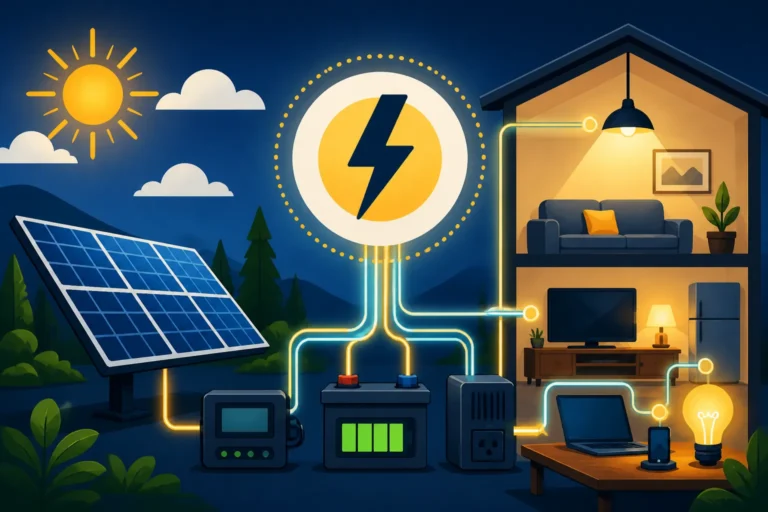
A complete turnkey off-grid solar system comes with all the essential components integrated and optimized to work together seamlessly. This isn't just a few solar panels and a battery; it's a comprehensive power generation and storage solution. Typically, a turnkey package will include high-efficiency solar panels designed for your specific climate and energy production goals. These are often paired with robust mounting hardware, whether for a rooftop, ground mount, or pole mount installation, ensuring durability and proper angling for maximum sun exposure.
At the heart of any off-grid system are the batteries, and a turnkey setup will feature a carefully sized battery bank, often using advanced LiFePO4 technology, chosen for its longevity and performance. The system will also integrate a high-quality inverter, transforming the DC power from your batteries into the AC power your household appliances use, usually a pure sine wave inverter to ensure compatibility with sensitive electronics. A charge controller, typically an MPPT (Maximum Power Point Tracking) type, will be included to efficiently manage the flow of power from your solar panels to your batteries, maximizing charging efficiency and protecting your battery bank. Beyond these main components, you'll also find all the necessary wiring, cables, fuses, circuit breakers, disconnect switches, and grounding equipment, all installed to meet electrical codes and safety standards. Some advanced systems might even incorporate remote monitoring capabilities or integrate seamlessly with a backup generator for those extra cloudy days, giving you complete peace of mind.
Breaking Down the Costs: What You're Really Paying For
Understanding the cost of a turnkey off-grid solar system means looking beyond just the sticker price and truly grasping what contributes to that investment. It's not just about the equipment; it’s about expertise, labor, and the convenience of a fully managed project.
Equipment Costs: Panels, Batteries, Inverters, and More
The hardware itself forms a significant chunk of the overall cost. Your solar panels, for instance, vary in price based on their wattage, efficiency, and brand. You might see panels from different manufacturers, and higher-quality, more durable panels will naturally cost more upfront but offer better long-term performance and reliability. Then there’s the battery bank, which is often the single most expensive component in an off-grid system. The choice between technologies like lead-acid and lithium-ion (LiFePO4) dramatically impacts this cost. While lead-acid batteries are cheaper initially, LiFePO4 batteries offer a longer lifespan, deeper discharge cycles, and better overall performance, leading to a higher initial outlay. You can delve deeper into this comparison in our guide on LiFePO4 vs Lead-Acid Battery Cost.
The inverter and charge controller are also critical elements. A robust pure sine wave inverter that can handle your household's peak loads and surges will be more expensive than a smaller, less capable unit. Brands like Victron Energy or Sol-Ark are known for their high-quality, integrated inverter-chargers, which streamline system design but come with a premium price tag. Additionally, don't forget the smaller but essential components: wiring (which needs to be sized correctly for safety and efficiency), conduit, mounting racks, fuses, circuit breakers, and disconnect switches. These items, though individually less costly than panels or batteries, add up quickly in a comprehensive system. You might find various components available on platforms like Amazon, but a turnkey solution will typically source high-grade, compatible parts to ensure system integrity and performance.
Installation and Labor Charges
This is where a significant portion of the "turnkey" value lies. Professional installation involves skilled labor – solar technicians, licensed electricians, and possibly structural engineers – ensuring everything is safely and correctly wired, mounted, and configured. Their expertise prevents common mistakes that can lead to system inefficiencies, damage, or even safety hazards. These professionals have specialized tools and knowledge, and they understand local building codes and electrical regulations.
Imagine trying to safely hoist multiple heavy solar panels onto a steep roof or wiring a complex 48V battery bank yourself, especially if you're not experienced with high-voltage DC electricity. That’s a job best left to the pros. The labor costs associated with a turnkey system cover everything from site preparation, mounting hardware installation, panel wiring, battery bank assembly, inverter and charge controller installation, and connecting the system to your home’s electrical panel. These costs also factor in the time spent on travel to your site, particularly if you're in a remote location, and the post-installation testing and commissioning of the entire system. While it's a significant expense, it's an investment in safety, reliability, and the peace of mind that comes with a professionally installed system designed to last for decades. For more on this, check out our guide on Off-Grid Solar Installation Cost.
Permitting, Design, and Project Management
Another often-overlooked aspect of turnkey system costs is the administrative and engineering overhead. Before any physical work begins, a professional off-grid solar company will conduct a detailed site assessment. This includes evaluating your property's solar potential, assessing structural integrity for mounting panels, and performing a thorough load analysis to determine your actual energy needs. This design phase is crucial for ensuring the system is adequately sized, which you can learn more about in our article on How to Calculate Off-Grid Solar Needs.
Beyond design, there's the bureaucratic labyrinth of permitting. Depending on your location, you might need permits from county or state authorities, electrical inspections, and adherence to specific building codes. A turnkey provider handles all of this: preparing detailed engineering drawings, submitting permit applications, liaising with local inspectors, and ensuring the system meets all regulatory requirements. This can be a huge time-saver and stress-reducer for homeowners, as navigating these processes can be complex and frustrating. The project management aspect also covers scheduling, logistics, procurement, and quality control throughout the entire installation, ensuring the project stays on track and meets professional standards. These services protect you from potential legal issues, ensure safety, and guarantee that your system operates within compliance.
Factors That Influence Turnkey System Pricing
The cost of a turnkey off-grid solar system isn't a fixed number; it's a dynamic figure influenced by several key variables. Understanding these factors will help you manage your expectations and budget effectively.
System Size and Energy Needs
Undoubtedly, the most significant driver of cost for any off-grid solar system, turnkey or not, is its overall size. This directly correlates to your daily energy consumption. A small cabin used only on weekends for lights and a few minor appliances will require a much smaller system – fewer panels, smaller battery bank, lower-wattage inverter – than a full-time residence powering air conditioning, a well pump, and all modern conveniences. The more electricity you plan to consume, the larger and more expensive your system will need to be.
For instance, a basic system for an RV or a modest hunting cabin might only need 1-2 kilowatts (kW) of solar panels and a relatively small battery bank. However, a family home aiming for complete energy independence might need a system ranging from 5 kW to 15 kW or even more, with a substantial battery storage capacity to handle prolonged cloudy periods and high energy demands. Our guide on How to Size an Off-Grid Solar System offers a detailed look into calculating your specific needs. Each additional kilowatt of solar panels and kilowatt-hour of battery storage adds to the material cost, installation complexity, and ultimately, the total price tag of your turnkey solution. This is why a thorough load analysis is the first and most crucial step in the design process, ensuring your system is right-sized for your actual usage without unnecessary oversizing or, worse, undersizing.
Battery Chemistry and Capacity
The choice of battery technology and the total storage capacity significantly impact the overall cost of a turnkey off-grid solar system. Batteries are the most critical component for ensuring continuous power when the sun isn't shining, and they are typically the most expensive part of the system. Lead-acid batteries, while cheaper upfront, have a shorter lifespan, require more maintenance, and can only be discharged to about 50% without damaging them. This means you need more capacity to get the same usable power.
On the other hand, lithium iron phosphate (LiFePO4) batteries, like those from Battle Born or EG4, have revolutionized off-grid living. They are more expensive initially but boast a much longer lifespan (often 10-15 years or more), can be discharged deeper (80-100%), are lighter, and require virtually no maintenance. This translates to a higher upfront cost but often a lower lifetime cost and superior performance. A turnkey provider will recommend a battery bank capacity not just based on your daily usage but also considering your desired "days of autonomy" – how many days your system can run without sun before needing a recharge from a generator or grid. More days of autonomy, especially with LiFePO4 batteries, means a higher price. Our article on Best Off-Grid Solar Batteries provides a comprehensive overview of your options.
Location, Accessibility, and Site Preparation
Where your off-grid property is located plays a huge role in the final cost. If your land is easily accessible via paved roads and has a clear, unshaded area for solar panel installation, your costs will be lower. However, if your property is deep in the wilderness, requiring specialized equipment or long travel times for the installation crew, you can expect higher labor and logistical expenses. A remote cabin up a bumpy, unpaved road in the mountains of Colorado, for example, will incur higher costs than a property just off a highway in sunny Arizona.
Beyond accessibility, the specific characteristics of your site also affect costs. Does your property require extensive tree clearing to avoid shading? Is the terrain uneven, requiring significant grading or specialized ground mounts for your solar array? Will trenching be needed to run cables from your panels to your battery bank and inverter location? These site preparation tasks add to the labor, equipment, and material costs. Even the type of roof if you're doing a roof mount (e.g., metal, tile, flat) can influence the complexity and expense of the mounting hardware and installation process. These logistical challenges are all factored into the turnkey provider's quote.
Brand Reputation and Warranty
The brands of components included in your turnkey system can significantly influence the overall cost. Just like with any major purchase, premium brands in the solar industry often come with higher price tags but offer superior quality, efficiency, durability, and customer support. For instance, an inverter from a renowned manufacturer like Victron or Sol-Ark will likely cost more than a lesser-known brand found on Amazon, but it typically offers better performance, advanced features, and a more robust warranty. Similarly, high-efficiency solar panels from established manufacturers often command a higher price than generic alternatives.
A reputable turnkey provider will usually work with well-regarded brands, not just for the quality of the individual components but also for the reliability of the entire system. They stand behind their work and the products they install, often providing comprehensive warranties that cover both the equipment and the installation labor. This type of warranty offers immense peace of mind, knowing that if any issues arise, the company will be there to resolve them. While you might save a little by opting for a system with cheaper, generic components, you could be sacrificing long-term reliability, efficiency, and critical technical support down the line. Investing in a turnkey system with quality components and a strong warranty means you're not just buying power; you're buying assurance and a reliable, long-lasting energy solution.
Turnkey vs. DIY: A Cost Comparison
When contemplating an off-grid solar system, the choice between a turnkey solution and a do-it-yourself (DIY) build often boils down to a fundamental question: how much is your time, peace of mind, and expertise worth? Both approaches have their distinct financial and practical trade-offs.
The Financial Trade-Offs
Let's be blunt: a DIY off-grid solar system will almost always appear cheaper on paper, in terms of the raw cost of components. When you take on the role of project manager, designer, and installer, you are essentially eliminating the labor, design, and project management fees that a turnkey provider charges. You can purchase panels, batteries, inverters, and charge controllers directly from various suppliers, sometimes even finding good deals on platforms like Amazon or through direct distributors. This approach can certainly save you tens of thousands of dollars in upfront cash, especially for larger systems. We dive into this in more detail in our article DIY vs Professional Off-Grid Solar Cost.
However, the "savings" in a DIY project can sometimes be illusory or come with hidden costs. These include the cost of specialized tools you might need to purchase, the potential for ordering incorrect components, or the expense of correcting mistakes if wiring or installation isn't done properly. A poorly designed or installed DIY system might be inefficient, unreliable, or even unsafe, leading to higher maintenance costs or the need for expensive repairs down the line. Furthermore, securing permits for DIY systems can be more challenging and time-consuming, as authorities often prefer dealing with licensed contractors. While a turnkey system has a higher initial price, it often includes a complete package of equipment, labor, design, and regulatory compliance, ensuring a functional and reliable system from day one.
Time and Skill Considerations
Beyond the purely financial aspect, the time and skill commitment for a DIY off-grid solar system are substantial. Unless you're already an experienced electrician, solar technician, or general contractor, you'll need to invest a significant amount of time in learning about solar system design, electrical principles, battery management, mounting techniques, and safety protocols. This research phase alone can stretch for weeks or months. Then comes the actual physical labor: lifting heavy panels, running conduit, wiring intricate connections, and safely installing high-voltage components. This is demanding work that requires precision, physical stamina, and a good understanding of electrical safety.
A turnkey solution bypasses all of this. You simply outline your energy needs and preferences, and the experts take care of the rest. This is invaluable for individuals who don't have the specialized knowledge, physical capability, or simply the free time to dedicate to such a complex project. Imagine a small business owner who wants off-grid power for their workshop but cannot afford to take weeks away from their livelihood to build a solar system. For them, the added cost of a turnkey solution is justified by the ability to continue focusing on their business while a professional team handles the installation. This often allows for faster completion of the project and reduces the learning curve and potential for frustration that comes with a DIY build.
Long-Term Value and Support
When you invest in a turnkey off-grid solar system, you're not just paying for equipment and installation; you're also buying into long-term value and professional support. Reputable turnkey providers offer comprehensive warranties that cover both the components and the labor. This means if a panel fails, an inverter malfunctions, or there's an issue with the wiring, the company is responsible for diagnosing and fixing the problem, often at no additional cost within the warranty period. This kind of peace of mind is invaluable, especially for a complex system that you rely on daily.
For a DIY system, any issues that arise fall squarely on your shoulders. You become the technician, the troubleshooter, and the warranty claims department. While some individual components may come with manufacturer warranties, troubleshooting the interaction between different components or diagnosing an elusive electrical problem can be incredibly challenging without expert knowledge and diagnostic tools. A turnkey system also often comes with ongoing customer support, maintenance recommendations, and the option for future system expansions by the original installers who already know your setup. This ensures that your off-grid lifestyle remains consistently powered and that any future needs or issues can be addressed by professionals familiar with your specific installation.
Real-World Cost Examples of Turnkey Off-Grid Systems
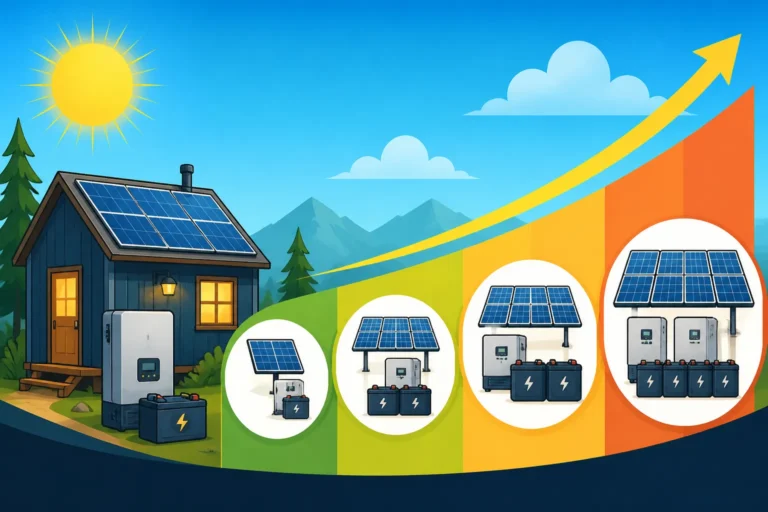
Understanding the range of costs for turnkey off-grid solar systems can help you conceptualize your own project. Prices vary dramatically based on the scale of your needs, from a basic setup to a full-blown homestead powerhouse.
Small Cabin or RV Systems
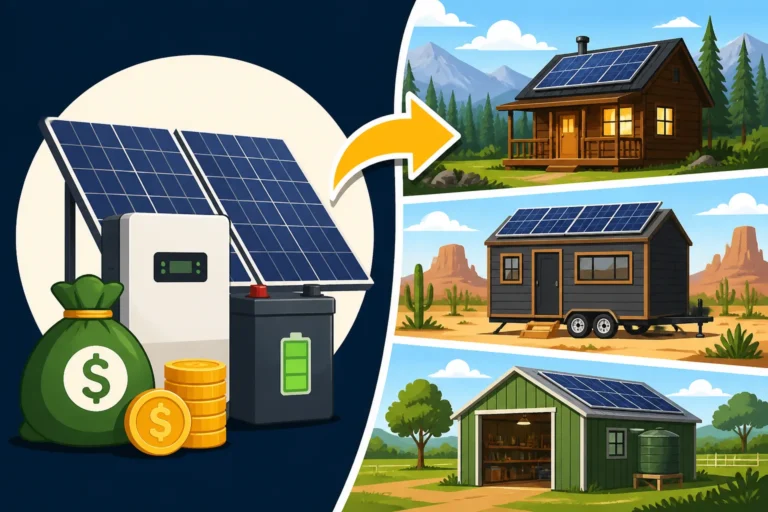
For those looking to power a small, seasonal cabin, a hunting retreat, or an RV for extended trips, a turnkey off-grid solar system typically falls into the $5,000 to $15,000 range. These systems are usually designed to handle basic necessities like LED lighting, charging electronics (phones, laptops), a small refrigerator, and perhaps a water pump for occasional use. They might feature 1 to 2 kilowatts (kW) of solar panels and a battery bank of 100 to 200 amp-hours (Ah) using lithium iron phosphate (LiFePO4) or a larger lead-acid equivalent.
For example, a turnkey system for a small 400-square-foot cabin in the Pacific Northwest might include four 200W solar panels, a 200Ah 12V LiFePO4 battery, a 2000W pure sine wave inverter, and all necessary wiring and mounting. This kind of setup, professionally installed, ensures consistent power for a few days of autonomy, even during cloudier periods. These smaller systems prioritize efficiency and compact design, making them perfect for intermittent use or minimalist living. You can find more targeted information in our article Cost to Power a Cabin with Solar. While you might piece together a basic system like this for less if you do it yourself, the turnkey price reflects the expert design, installation, and warranty that ensures its reliability when you're far from civilization.
Moderate Home Systems
Stepping up to a moderate off-grid home, perhaps a tiny home or a small family residence that operates year-round with modern comforts like a full-size refrigerator, television, washing machine, and maybe even a small mini-split air conditioner, you're looking at a turnkey cost in the $20,000 to $45,000 range. These systems typically range from 3 to 5 kW of solar panels and a significantly larger battery bank, often 400 to 800 Ah (or more) at a higher voltage like 24V or 48V for efficiency.
Consider a 1000-square-foot home in the Arizona desert, powered by a 5kW solar array and a 400Ah 48V LiFePO4 battery bank. This system would be designed to manage daily household loads, including occasional use of a microwave and perhaps power tools in a small workshop. The turnkey cost includes the more complex wiring, the larger inverter-charger, and the detailed load balancing required for consistent residential use. This price reflects the increased component costs, the greater complexity of the installation, and the more robust system design needed to support a moderate, full-time off-grid lifestyle. The system would typically provide several days of autonomy, with careful planning for seasonal variations in solar irradiance.
Large Homestead Solutions
For large off-grid homes or homesteads that demand consistent power for extensive operations – think running multiple large appliances, well pumps, water heaters, high-demand power tools, and significant heating or cooling systems – a turnkey off-grid solar system can easily range from $50,000 to $100,000+. These are comprehensive power plants, often featuring 8 kW to 15 kW or more of solar panels, and substantial battery banks exceeding 1000 Ah at 48V, possibly even multiple battery strings.
A family homestead in rural Idaho, for instance, might require a 12kW solar array, a 1200Ah 48V LiFePO4 battery bank, and a powerful 12kW inverter-charger system from a brand like Sol-Ark or Victron. This system would be designed to handle significant peak loads, provide ample storage for extended cloudy periods, and potentially integrate with a robust backup generator that can automatically start when battery levels are low. The higher cost for these systems encompasses not only the sheer volume of equipment but also the advanced engineering required for such a large-scale, critical infrastructure. These installations often involve extensive site work, complex electrical integrations into the main home panel, and a highly detailed design to ensure reliability and redundancy. For deeper insights into scaling to this level, explore our guide on Off-Grid Solar Cost for a Whole House. The investment ensures complete energy independence for a demanding lifestyle, often with the added peace of mind of professional monitoring and comprehensive warranties.
| System Size (kW) | Application | Estimated Turnkey Cost Range | Typical Components (Example) |
|---|---|---|---|
| 1-2 | RV, Small Cabin, Shed | $5,000 – $15,000 | 4x200W panels, 1x200Ah 12V LiFePO4, 2kW Inverter |
| 3-5 | Tiny Home, Medium Cabin | $20,000 – $45,000 | 10x400W panels, 2x200Ah 48V LiFePO4, 5kW Inverter |
| 8-15+ | Full-Size Home, Large Homestead | $50,000 – $100,000+ | 20x450W panels, 3x200Ah 48V LiFePO4, 12kW Inverter |
Disclaimer
Please note that the information provided in this article is for general guidance and informational purposes only. The costs and specifics of off-grid solar systems can vary significantly based on your unique energy needs, location, local regulations, market prices, and chosen components. We recommend consulting with qualified solar professionals for personalized advice and detailed quotes for your specific project.