Off-Grid Solar vs Grid-Tied: Which to Choose
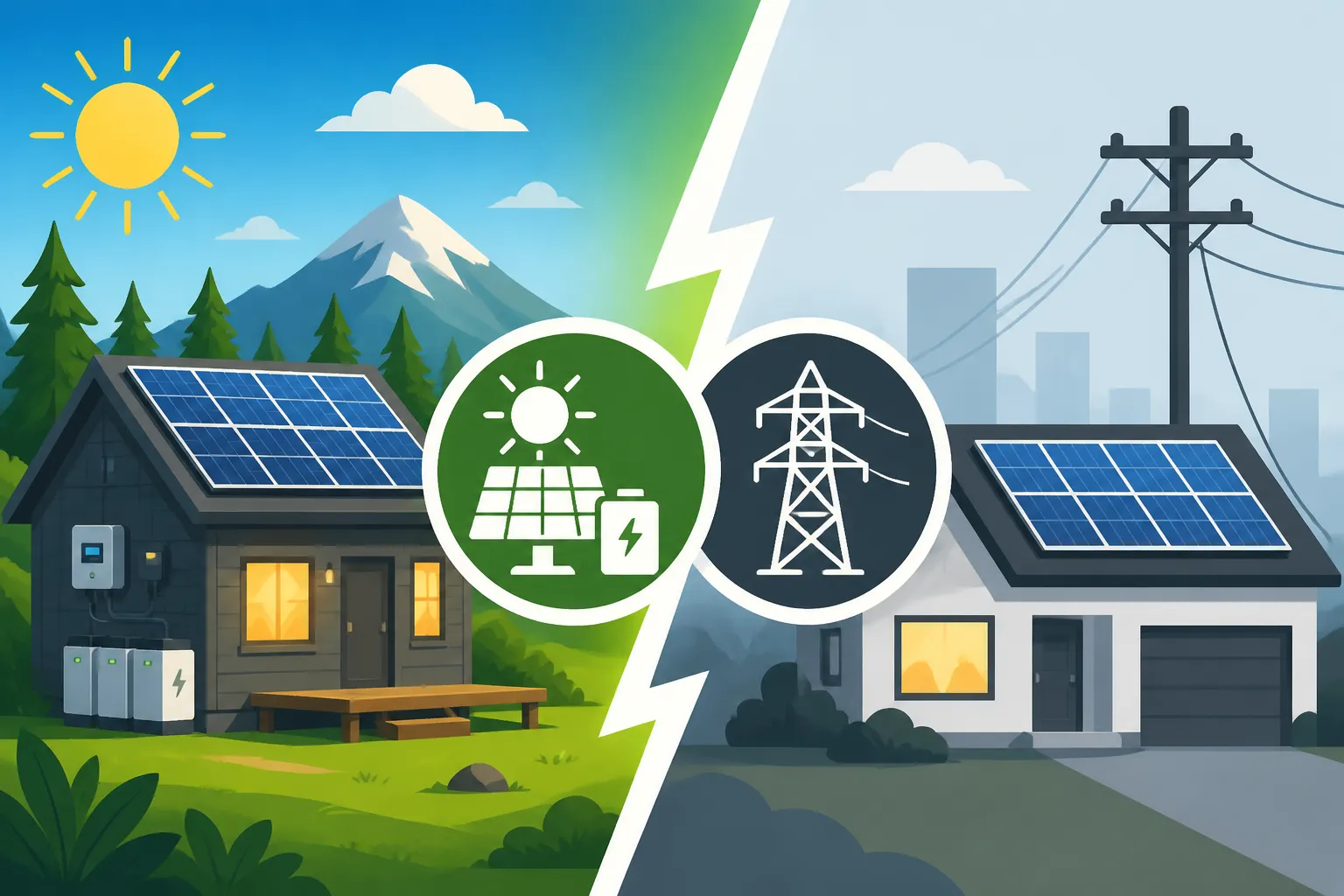
Deciding to embrace solar power is a huge step toward energy independence and sustainability, but one of the biggest initial hurdles many folks face is understanding the fundamental difference between going completely off-grid and simply tying into the existing electrical grid with solar. It's not just a technical choice; it's a lifestyle decision with significant financial, logistical, and daily operational implications that can feel overwhelming. This comprehensive guide will walk you through the nuances of off-grid versus grid-tied solar, helping you weigh your options and determine which path truly aligns with your needs and dreams.
Understanding Off-Grid Solar Systems
When people talk about “going off-grid,” it conjures up images of remote cabins, self-sufficiency, and complete freedom from utility companies. While that vision holds a lot of truth, understanding the practical realities of an off-grid solar system is crucial before taking the leap. It’s a commitment that offers incredible rewards, but also demands a certain level of preparedness and a thorough understanding of your energy ecosystem.
What “Off-Grid” Really Means
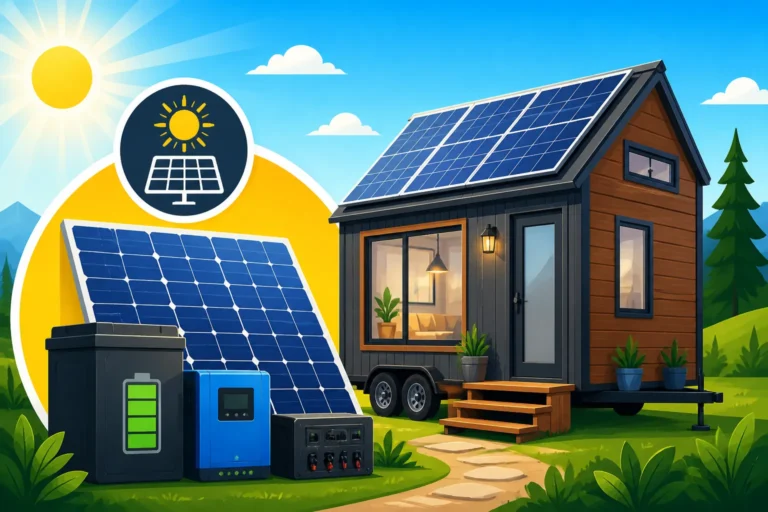
At its core, “off-grid” means you are entirely disconnected from your local utility company’s electrical grid. You are your own power plant, so to speak. Your home, cabin, RV, or tiny house generates all its electricity from solar panels (or other renewable sources like wind or hydro), stores that energy in batteries, and then converts it for your use. There’s no power line running to your property, no monthly electric bill from the power company, and no reliance on an external infrastructure that can be susceptible to outages. This level of autonomy is incredibly appealing, especially for those living in rural areas where extending power lines can be prohibitively expensive, or for anyone who values true self-reliance. Think about a homestead nestled deep in the Montana wilderness, far from any paved road – that’s a prime candidate for going off-grid. The freedom from utility bills and the peace of mind knowing you control your own power source are powerful motivators.
Key Components of an Off-Grid Setup
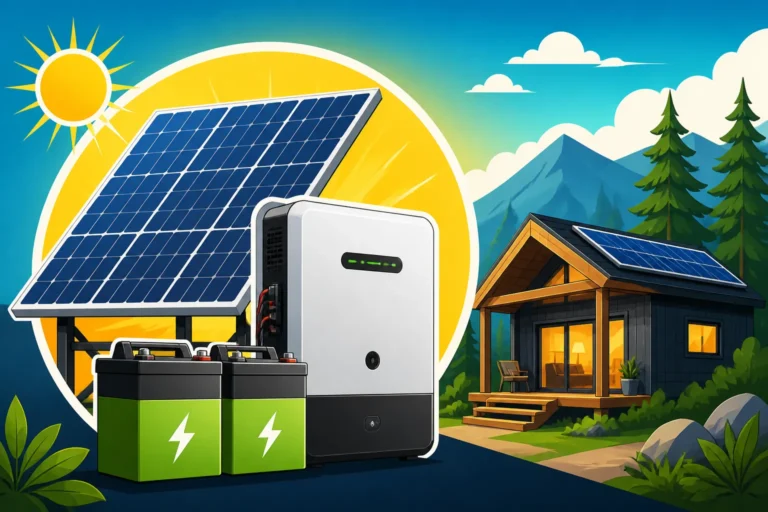
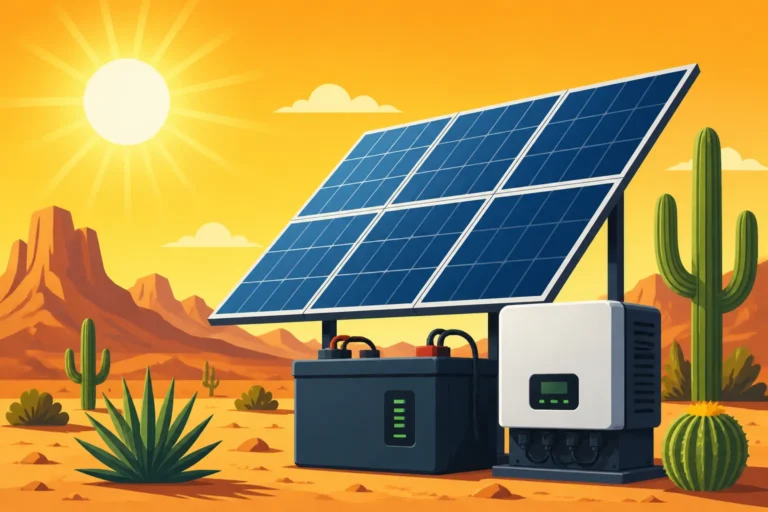
An off-grid solar system isn’t just a collection of solar panels; it’s a carefully orchestrated symphony of components working together to keep your lights on. The primary players include:
- Solar Panels: These are the workhorses, converting sunlight into direct current (DC) electricity. The number and wattage of panels you need will depend heavily on your energy consumption and the amount of sunlight your location receives.
- Charge Controller: This intelligent device sits between your solar panels and your batteries. Its critical job is to regulate the voltage and current coming from the panels to prevent overcharging your batteries, which could damage them. It's like a traffic cop, ensuring the power flows safely and efficiently.
- Battery Bank: This is the heart of any off-grid system, as it stores the excess energy generated by your panels during the day for use at night or on cloudy days. Without a robust battery bank, you'd only have power when the sun is shining. Choosing the right kind of batteries, like deep-cycle lead-acid or advanced lithium iron phosphate (LiFePO4), is vital for system performance and longevity. You can learn more about the various options in our guide to the Best Off-Grid Solar Batteries.
- Inverter: Most household appliances run on alternating current (AC) electricity, but solar panels and batteries produce DC. The inverter's job is to convert that stored DC power into usable AC power for your home. The size and type of inverter are crucial for handling your appliances' power demands. For larger systems, you might consider top-tier products like those from Victron or Sol-Ark for their reliability and advanced features.
- System Monitoring: This often overlooked component provides crucial data on your system's performance, battery state of charge, and energy production. It helps you understand your usage patterns and ensure everything is running optimally.
All these components need to be properly sized and integrated, which is why understanding How to Size an Off-Grid Solar System is so important.
The Pros and Cons of Going Off-Grid
There’s a lot to love about the idea of being off-grid, but it’s not without its challenges.
On the "pro" side, the biggest advantage is undeniable independence and self-sufficiency. No more reliance on a distant power company, no more worrying about rising utility rates, and no more blackouts when the grid goes down. For people living in remote areas, an off-grid system can be significantly cheaper than the exorbitant costs of extending utility lines to their property, which can sometimes run into the tens or even hundreds of thousands of dollars. It also means a reduced environmental footprint, as you're primarily using clean, renewable energy. Imagine the satisfaction of knowing every watt you consume was generated right on your own property!
However, the "con" side is equally important to consider. The initial investment for an off-grid system is typically higher than a grid-tied system, primarily due to the significant cost of a robust battery bank and a larger solar array needed to ensure consistent power through sunless periods. We delve into this in detail in our article How Much Does an Off-Grid Solar System Cost. There's also a greater responsibility for system management and maintenance. You are the utility company, so you need to monitor your power usage carefully, especially during extended cloudy weather or peak demand. If you're not diligent, you could run out of power. This isn't a "set it and forget it" solution; it requires a bit more hands-on attention.
Understanding Grid-Tied Solar Systems
In contrast to the complete autonomy of off-grid living, a grid-tied solar system works in partnership with your existing utility company. This setup is by far the most common choice for homeowners looking to reduce their electricity bills, embrace renewable energy, and contribute to a greener future without completely disconnecting from the modern convenience of the grid.
How Grid-Tied Systems Integrate with the Utility
When you install a grid-tied solar system, your solar panels generate electricity, which is immediately used by your home’s appliances. If your panels produce more electricity than your home is currently consuming, the excess power is automatically sent back to the utility grid. This is where the concept of “net metering” comes into play. Your utility company essentially gives you credit for the electricity you feed into the grid. When your panels aren’t producing enough power – like at night, on heavily overcast days, or during periods of very high consumption – your home seamlessly draws electricity from the grid, just as it always has.
This two-way flow of electricity means you never have to worry about running out of power. The grid acts as a massive, infinitely large battery, absorbing your excess production and supplying power when you need it. It's a simple, elegant solution that leverages existing infrastructure. Most modern grid-tied systems use advanced inverters that communicate directly with the utility grid, ensuring safe and efficient operation.
Essential Components of a Grid-Tied Setup
A grid-tied solar system shares some components with its off-grid counterpart, but also has distinct differences, especially regarding energy storage. The core elements usually include:
- Solar Panels: Just like off-grid systems, these convert sunlight into DC electricity.
- Grid-Tied Inverter: This is a crucial distinction. Unlike off-grid inverters that create their own AC grid, grid-tied inverters synchronize with the utility grid's frequency and voltage. They ensure that the power your panels produce is compatible with the grid, and they automatically shut down if the grid goes down (a safety feature for utility workers). Some systems use "micro-inverters" attached to each panel, while others use a single "string inverter" for the entire array. For a deeper dive into the overall system, check out our guide on Off-Grid Solar System Components Explained – though remember, grid-tied will differ slightly in the inverter and battery aspects.
- Net Meter: This special meter measures the electricity flowing both into and out of your home. It tracks how much power you draw from the grid and how much you send back, allowing the utility to accurately credit or charge you.
- Optional Battery Backup (Hybrid Systems): While traditional grid-tied systems don't include batteries, a growing trend is towards "hybrid" grid-tied systems. These systems incorporate a battery bank, similar to an off-grid setup, but they remain connected to the grid. The battery provides backup power during grid outages and can be used for "time-of-use" billing strategies, where you draw power from batteries during expensive peak hours and recharge them during off-peak hours or from your solar panels.
Crucially, without an optional battery backup, a standard grid-tied system will not provide power during a grid outage, even if the sun is shining. This is a common misconception and a key differentiator from off-grid setups.
The Benefits and Drawbacks of Grid-Tied Solar
Grid-tied solar offers a compelling blend of environmental benefits and practical advantages for many homeowners.
The most significant benefit is cost savings on electricity bills. By generating your own power and potentially selling excess back to the grid through net metering, you can dramatically reduce or even eliminate your monthly utility expenses. Many governments and local utilities offer incentives, rebates, and tax credits for grid-tied solar installations, making the initial investment more palatable. For example, the federal solar tax credit can provide a significant deduction on the cost of your system. Understanding incentives like the 2026 Solar Tax Credit and Off-Grid Systems (and its grid-tied implications) is crucial for budgeting. Grid-tied systems are also generally simpler to design and install, requiring fewer components (no massive battery bank to size and maintain) and less ongoing management than a full off-grid setup. You don't have to worry about running out of power, as the grid is always there as a backup.
However, grid-tied systems also have their drawbacks. The main one is dependence on the utility grid. If the grid goes down, your grid-tied solar system (without battery backup) also shuts down for safety reasons, leaving you without power. This can be a rude awakening for homeowners expecting blackout protection. You're also still subject to utility rate changes and policies, including net metering rules, which can vary widely and sometimes change, impacting your savings. While the initial investment might be lower than off-grid, you're still paying a connection fee to the utility, even if your bill is $0.
Core Differences in Operation and Independence
The fundamental choice between off-grid and grid-tied solar boils down to how much control and independence you desire over your power supply, and how you want your system to operate on a day-to-day basis. These operational differences impact everything from reliability during emergencies to your personal involvement in energy management.
Power Availability and Reliability
This is perhaps the most critical distinction for many people. With an **off-grid system**, your power availability is entirely dependent on your system’s capacity to generate and store electricity. If your solar array isn’t large enough, your battery bank too small, or you experience an extended period of poor weather (think several cloudy, rainy days in a row), you could potentially run out of power. This requires careful planning and sizing for your specific location and usage, often building in “days of autonomy” – how long your batteries can sustain your loads without solar input. This reliance on your own system means greater resilience against external grid failures, but it also means greater vulnerability to internal system failures or miscalculations. Many off-gridders also include a backup generator, often running on propane or diesel, as a safeguard for those truly challenging weather conditions or unexpected high demand.
A grid-tied system, on the other hand, boasts near-perfect reliability when the grid is operational. Because you're always connected to the utility, you effectively have an unlimited backup power source. If your solar panels aren't producing enough, the grid seamlessly picks up the slack. The downside, as mentioned, is that during a grid outage (due to storms, accidents, or other issues), your solar system is legally required to shut down to protect utility workers. This means you're just as powerless as your neighbors, despite having solar panels on your roof. This lack of outage protection often surprises new solar owners who assume their panels will keep the lights on no matter what.
Energy Storage and Battery Dependence
The role of batteries is where the two systems diverge most dramatically.
For off-grid solar, batteries are absolutely non-negotiable and form the bedrock of your energy independence. They are essential for storing energy generated during peak sun hours for use during the night, early mornings, or extended periods of cloud cover. The size, type, and maintenance of your battery bank are critical factors that directly influence your system's performance and longevity. Investing in quality batteries and understanding How to Size an Off-Grid Battery Bank is paramount. For instance, a small cabin that only uses power on weekends might get by with a modest lead-acid bank, but a full-time off-grid home running a refrigerator, well pump, and all the usual appliances will need a substantial, high-capacity LiFePO4 bank, possibly from brands like Battle Born or EG4, known for their durability and cycle life. The cost of these batteries can be a significant portion of the total off-grid investment.
Grid-tied systems traditionally do not include batteries. Instead, the utility grid acts as your virtual battery. When you produce excess power, it flows onto the grid, and you get credit. When you need power, you draw it from the grid. This eliminates the significant upfront cost, space requirements, and maintenance associated with a physical battery bank. However, the rise of "hybrid" grid-tied systems is blurring this line. These systems do incorporate batteries, offering the best of both worlds: grid connection for reliability and battery backup for outages or for maximizing savings through energy arbitrage (charging batteries when electricity is cheap, discharging when expensive). While a portable power station like a Jackery 2000 Plus might provide small-scale, temporary backup for grid-tied users, it’s not the same as a comprehensive, integrated battery bank.
Net Metering vs. Complete Autonomy
These concepts represent the philosophical heart of each system.
Net metering is the policy mechanism that makes grid-tied solar economically viable for many. It allows you to send excess solar electricity back to the grid and receive credits on your utility bill, effectively "spinning your meter backward." This means you're only billed for your "net" consumption (electricity drawn minus electricity supplied). Net metering policies vary widely by state and utility, but they are crucial for maximizing the financial benefits of grid-tied solar. It’s a symbiotic relationship where you benefit from the grid, and the grid benefits from distributed renewable generation. However, changes to net metering policies, such as a shift to "net billing" where exported electricity is compensated at a lower rate, can significantly impact the financial attractiveness of grid-tied systems.
Complete autonomy, the hallmark of off-grid living, means you are 100% responsible for your own power generation, storage, and consumption. There's no utility to send excess power to, and no grid to draw from when your system is low. This means you must precisely balance your production with your consumption. You need to carefully monitor your How to Calculate Daily Energy Usage and manage your loads, especially during challenging weather. The satisfaction of this self-sufficiency is immense for some, providing a profound sense of freedom and resilience. However, it also means any excess power you generate beyond what your batteries can store or your home can use is effectively wasted, unless you have specific "diversion loads" like an electric water heater that can soak up surplus energy.
Financial Implications and Cost Considerations
Money talks, and when it comes to solar, the financial investment is often the biggest hurdle and the deciding factor for many. Both off-grid and grid-tied systems have distinct cost profiles, from initial setup to long-term operational expenses and the availability of financial assistance.
Initial Investment: Upfront Costs
When you first start looking into solar, the sticker shock can be real. For **off-grid solar**, the upfront cost is generally higher. The biggest driver of this increased cost is the battery bank. As discussed, a robust battery system is non-negotiable for off-grid living, and high-quality, long-lasting batteries like LiFePO4 can add tens of thousands of dollars to the total project. Beyond batteries, you typically need a larger solar array to ensure sufficient power generation to cover all your loads and fully charge your batteries, even during less-than-ideal weather. This means more panels and a beefier charge controller. Additionally, if you’re truly in a remote location, the cost of specialized labor or transportation for equipment can also add to the expense. For those who choose to take on the challenge of a DIY off-grid build, like installing a system for a remote cabin, you might save on labor costs, but you’ll need to invest heavily in understanding the intricate details of How to Wire an Off-Grid Solar System.
Grid-tied solar generally has a lower initial investment. The primary reason is the absence of a large battery bank. You're effectively leveraging the utility grid as your battery, which drastically reduces the component list and overall equipment cost. The main costs are the solar panels, the grid-tied inverter(s), mounting hardware, and installation labor. Permits and interconnection fees to the utility are also part of the upfront expenses, but these are typically much less than the cost of a full battery bank. For a standard residential grid-tied system, you might be looking at costs ranging from $15,000 to $30,000 before incentives, whereas a comparable off-grid system for a full-time residence could easily start at $30,000 and go well over $60,000, depending on energy needs and battery capacity.
Long-Term Savings and Return on Investment
The long-term financial picture for both systems is quite different.
With off-grid solar, your long-term savings are primarily manifested in the elimination of utility bills. Once your system is paid off, your primary energy costs become maintenance (battery replacement, occasional component upgrades) and fuel for any backup generator. This offers a predictable budget and freedom from rising electricity rates. However, calculating a traditional "return on investment" (ROI) can be tricky. For many, the ROI isn't just financial; it's about the value of independence, peace of mind, and environmental benefits. If the alternative is paying $50,000 to extend power lines to a remote property, then an off-grid system at a similar cost offers immediate and tangible savings by avoiding that grid connection expense. Our article Is Off-Grid Solar Worth the Cost explores these broader considerations.
Grid-tied solar offers a more straightforward financial ROI. The savings come directly from reduced (or eliminated) electricity bills, which you can track month by month. With net metering, you can even see credits accumulating. The payback period for a grid-tied system, where your energy savings cover the initial investment, typically ranges from 7 to 12 years, depending on electricity rates, system size, and available incentives. After that, the electricity your system produces is essentially free, leading to significant savings over the system's 25-30 year lifespan. While you still pay a utility connection fee, the substantial reduction in kilowatt-hour consumption often makes it a very attractive financial proposition.
Incentives, Rebates, and Grid Connection Fees
The landscape of financial support heavily favors grid-tied systems, though some off-grid projects can also benefit.
For grid-tied solar, a multitude of incentives are typically available. The most prominent is the federal solar tax credit (currently 30% for systems installed through 2032), which applies directly to the cost of your system. Many states and local utilities also offer additional rebates, grants, or property tax exemptions. These incentives significantly reduce the net cost, making grid-tied solar much more accessible. Additionally, the ability to utilize net metering provides an ongoing "credit" for your excess power, further enhancing savings. The utility also charges a monthly grid connection fee, though this is usually a nominal amount compared to what a full electricity bill would be.
For off-grid solar, the incentive picture is a bit more nuanced. While the federal solar tax credit does apply to off-grid systems, state and local incentives are often less common or less generous compared to grid-tied setups. This is because many incentives are designed to promote grid stability or reduce strain on existing utility infrastructure. However, if an off-grid system is installed as the primary power source for a residential dwelling, it usually qualifies for the federal tax credit. The biggest "financial incentive" for off-grid often comes from avoiding exorbitant grid extension fees in remote areas. If you're building a new home far from existing power lines, the cost comparison of Off-Grid Solar vs Utility Extension Cost becomes extremely favorable for solar. There are no ongoing grid connection fees, which is a small but permanent saving.
Installation, Maintenance, and System Complexity
Beyond the financial considerations, the practical aspects of installing and maintaining your solar setup are crucial. The level of effort, expertise, and ongoing attention required varies significantly between off-grid and grid-tied systems.
DIY vs. Professional Installation
The choice between doing it yourself (DIY) or hiring a professional largely depends on your skill set, time availability, and the complexity of the system you envision.
For off-grid solar, DIY installation is more common, especially for smaller systems like those powering an RV, a tiny home, or a hunting cabin. Many enthusiasts enjoy the hands-on learning and the sense of accomplishment that comes with building their own power system. However, even for smaller setups, it requires a good understanding of electrical principles, wiring diagrams, and component compatibility. For larger, whole-house off-grid systems, the complexity escalates dramatically. You're dealing with higher voltages, larger currents, and intricate safety protocols, including proper grounding and overcurrent protection. Mistakes can be dangerous and costly. Therefore, even if you plan to DIY parts of it, consulting with or hiring an electrician for the critical wiring and safety aspects is highly recommended. You can find detailed information on Off-Grid Solar Installation Guide to get started.
Grid-tied solar installations are almost exclusively handled by professional solar companies. This is primarily due to the strict safety regulations, permitting requirements, and the need to interact safely and legally with the utility grid. Interconnecting with the grid involves specific electrical codes and utility approvals that are best left to licensed professionals. While some very handy homeowners might attempt parts of a grid-tied installation, the final connection and commissioning usually require a certified installer and utility sign-off. The permitting process alone can be daunting, involving structural reviews and electrical inspections. The benefit, of course, is that the installer handles all the intricate details, from design to permits to final hookup, offering a turnkey solution.
Ongoing Maintenance Requirements
Maintenance is an often-overlooked aspect when planning a solar system, but it’s a real part of long-term ownership.
Off-grid solar systems generally demand more hands-on maintenance. Batteries, especially lead-acid types, require regular checks of water levels (for flooded batteries), terminal cleaning, and ensuring proper ventilation. Even maintenance-free LiFePO4 batteries benefit from periodic voltage checks and environmental monitoring. Solar panels themselves need occasional cleaning to remove dirt, dust, or snow, especially in areas with significant debris or long winters, as dirty panels reduce energy production. Inverters and charge controllers should be checked for error codes or unusual noises. You are responsible for identifying and troubleshooting any issues that arise, or hiring a specialized technician. Our guide to Off-Grid Solar Maintenance Costs can help you budget for these ongoing tasks.
Grid-tied solar systems are typically lower maintenance. Since there are no batteries (in a standard setup), you eliminate the most demanding maintenance task. The main components – panels and inverters – are designed for decades of reliable operation with minimal intervention. Panels may need occasional cleaning, but often rainfall is sufficient to keep them reasonably clear. Inverters are generally "set and forget." Most grid-tied systems come with monitoring apps that alert you if there's a performance issue, often before you even notice. The utility company is responsible for the grid infrastructure, so you don't have to worry about power lines or transformers. This lower maintenance profile is a significant convenience for homeowners who prefer a hands-off approach.
Scalability and Future Expansion
Consider your future energy needs. Will your family grow? Will you add an electric vehicle? Will you build an extension?
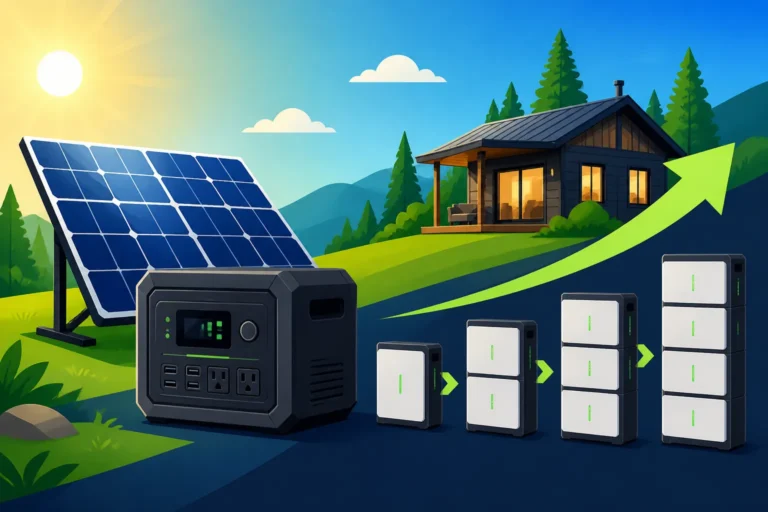
Off-grid solar systems can be designed with future expansion in mind, but it often requires careful upfront planning. Adding more panels, batteries, or a larger inverter later on is certainly possible, but it must be done with an understanding of system voltages, capacities, and component compatibility. For instance, if you initially build a 12V system for a small cabin and later decide to run a full-sized household with an AC unit, you might find yourself needing to upgrade to a 48V system, which could mean replacing major components like your charge controller and inverter. Planning for an expandable system, perhaps by oversizing certain components slightly or choosing an inverter that can handle more input, is a smart strategy to avoid costly overhauls down the line. Our article on the Best Off-Grid Solar Inverters can help you choose flexible options.
Grid-tied solar systems are generally easier to expand, within limits. Adding more solar panels to an existing grid-tied array is often a straightforward process, provided your inverter can handle the increased input or you add another inverter. The utility grid's vast capacity means it can usually absorb more power without issue. However, you'll still need to ensure new panels are compatible with your existing setup and that any expansions meet local permitting and interconnection rules. If you're planning a major increase in consumption, like adding a pool pump or an EV charger, it's usually simpler to just expand your solar array, knowing the grid will cover any shortfalls. This flexibility makes grid-tied an attractive option for homeowners whose energy needs might evolve over time.
Ideal Scenarios and Lifestyles for Each System
The best solar system for you isn’t just about technical specifications; it’s deeply intertwined with your location, your budget, and most importantly, your lifestyle and priorities. What works perfectly for a secluded homesteader might be completely impractical for a suburban family, and vice versa.
When Off-Grid Solar Shines Brightest
Off-grid solar is truly the hero in specific situations where its unique advantages outweigh the complexities.
One of the most obvious scenarios is for remote properties without existing grid access. Imagine a beautiful piece of land in the mountains or a secluded lakeside cabin. If the nearest power pole is miles away, the cost to extend utility lines can be astronomical – easily tens of thousands of dollars, or even hundreds of thousands for truly distant sites. In these cases, installing an off-grid solar system becomes not just competitive, but often the most economically viable and practical solution. It sidesteps the entire problem of grid extension and offers immediate power independence.
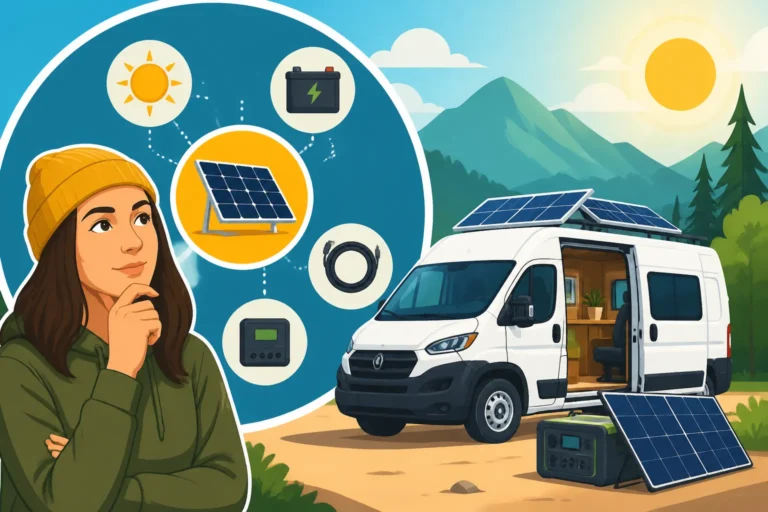
Another strong case for off-grid is for mobile applications or temporary dwellings. RVs, campers, tiny homes on wheels, and even elaborate van conversions rely entirely on off-grid solar for their power needs. A system designed for an RV, for example, allows full-time nomads to power their essentials like refrigerators, lights, and charging ports from anywhere the sun shines. Small portable power stations like a Jackery can augment these systems, providing flexible power for specific devices or acting as a secondary power source on the go. These users prioritize self-sufficiency and the freedom to roam without worrying about electrical hookups.
Finally, for those who deeply value complete self-reliance and resilience, off-grid is the ultimate choice. Preppers, homesteaders, or anyone seeking to minimize dependence on external infrastructure will find off-grid solar aligns perfectly with their philosophy. The peace of mind that comes from knowing you control your own energy destiny, especially during widespread grid outages, is a powerful motivator that transcends mere financial considerations. It's about being prepared for anything.
When Grid-Tied Solar is the Practical Choice
For the vast majority of homeowners in developed areas, grid-tied solar offers the most practical and financially sound path to solar energy.
The primary beneficiaries are urban and suburban homeowners already connected to the utility grid. If you have an existing electrical service, grid-tied solar allows you to offset your electricity consumption, reduce your monthly bills, and contribute to clean energy production without the need for significant lifestyle changes or complex energy management. You still get the convenience and reliability of the grid, ensuring you never run out of power (unless there's an outage, of course, without battery backup). This makes it an ideal solution for families who want to go green and save money, but aren't ready for the full commitment of off-grid living.
Another key scenario is for those looking for the best financial return on investment. With net metering policies and various incentives (like the federal tax credit), grid-tied systems often have a clear and relatively short payback period. The focus here is on maximizing savings and increasing property value, with environmental benefits being a strong secondary driver. If your goal is to slash your power bill and potentially even make a little money back by selling excess power, grid-tied is designed for that purpose. You can explore how to maximize your investment in our guide to Off-Grid Solar Return on Investment, keeping in mind that the financial metrics are often more easily calculable for grid-tied systems.
Lastly, for homeowners who want simplicity and minimal maintenance, grid-tied is the clear winner. The system is largely automatic, requiring little to no daily management. Professionals handle the installation, and monitoring apps provide real-time performance data. You don't have to worry about battery levels or managing loads; the grid handles all the heavy lifting. This "set it and forget it" approach appeals to those who want the benefits of solar without the added responsibilities of being their own utility provider.
Hybrid Systems: The Best of Both Worlds?
It’s worth noting that a third option is gaining popularity: **hybrid solar systems**. These systems are essentially grid-tied, but they integrate a battery bank. They offer a compelling compromise for many, blending the advantages of both approaches.
With a hybrid system, you remain connected to the utility grid, benefiting from net metering and the grid's inherent reliability. However, you also have a battery bank to store excess solar power. This battery can then provide backup power during grid outages, offering that crucial peace of mind that standard grid-tied systems lack. Additionally, the battery can be used for energy management strategies, like "load shifting" – charging the battery during off-peak hours (when electricity is cheaper) or from your solar panels, and then discharging it during expensive peak hours, further reducing your utility bill. Some hybrid systems can even operate completely off-grid if necessary, providing a truly flexible solution. While the initial cost is higher than a standard grid-tied system due to the added batteries, it's typically less than a full off-grid setup because the grid can still supplement power, reducing the size of the required battery bank and solar array. It's an excellent choice for those who want both bill savings and blackout protection without completely severing ties with the grid.
Making Your Decision: A Step-by-Step Approach
Choosing between off-grid and grid-tied solar is a significant decision that deserves careful thought and planning. There’s no one-size-fits-all answer, but by systematically assessing your needs and resources, you can make an informed choice that best suits your unique situation.
Assessing Your Energy Needs and Lifestyle
The very first step is to understand your current and projected electricity consumption. This is known as a “load analysis” and is paramount for both system types, but especially for off-grid.
Start by making a comprehensive list of every electrical appliance and device you use, from your refrigerator and microwave to your lights, computers, and phone chargers. For each item, note its wattage (power consumption) and how many hours per day you typically use it. This will allow you to calculate your daily Watt-hour (Wh) or kilowatt-hour (kWh) usage. You can often find wattage information on appliance labels or by using a kill-a-watt meter. Don't forget seasonal variations – do you run an air conditioner in the summer or a space heater in the winter? These large loads dramatically impact your needs. Understanding How to Calculate Daily Energy Usage is fundamental here.
Next, consider your lifestyle. Are you a minimalist living in a small space, or do you have a large family with diverse energy demands? Are you comfortable actively managing your energy consumption, turning off lights, and limiting appliance use during cloudy days (off-grid)? Or do you prefer unlimited power on demand, with little thought to conservation (grid-tied)? Your comfort level with energy management and potential lifestyle adjustments is a major factor. For example, a small off-grid cabin where you only run lights and a mini-fridge requires far less oversight than a full-time off-grid home with modern amenities.
Evaluating Your Property and Location
Your physical location and property characteristics play a huge role in determining solar feasibility and optimal system type.
- Grid Access: This is the ultimate deal-breaker. If you're building in a remote location with no existing utility lines, and the cost to extend them is exorbitant, off-grid becomes the default (and often only practical) choice. If you're already connected to the grid in a populated area, grid-tied is generally simpler and more cost-effective.
- Sunlight Availability: No matter which system you choose, sufficient sunlight is non-negotiable for solar. Assess your property for shading from trees, buildings, or geographical features. Consider the orientation of your roof or the availability of open ground for a ground mount. Areas with consistently high "peak sun hours" (the equivalent hours per day when sunlight intensity averages 1,000 watts per square meter) are ideal. Cloudy climates or areas with long winters will require a larger solar array and/or battery bank for off-grid, or simply result in lower production for grid-tied.
- Space for Components: Off-grid systems, with their large battery banks, often require dedicated space in a garage, basement, or outdoor shed, ensuring proper ventilation and temperature control. Grid-tied systems are much more compact. Consider the structural integrity of your roof for panel mounting, or the availability of clear ground space.
- Local Regulations and Permits: Research local zoning laws, building codes, and homeowners' association (HOA) rules regarding solar installations. Grid-tied systems, in particular, have strict permitting and interconnection requirements. Off-grid systems may have fewer utility-specific regulations but still fall under general electrical and building codes.
Consulting Experts and Getting Quotes
Once you have a good grasp of your needs and property specifics, it’s time to gather information and get concrete proposals.
Start by contacting reputable solar installers in your area. Even if you're leaning towards DIY off-grid, getting a professional consultation can provide invaluable insights into sizing, component selection, and potential pitfalls. Explain your unique situation, your energy needs, and whether you're considering off-grid, grid-tied, or a hybrid solution. Ask for detailed quotes that break down the cost of each component, labor, permitting, and any applicable incentives. Don't be afraid to get multiple quotes to compare prices and proposed system designs.
When evaluating an off-grid system, ensure the installer performs a thorough load analysis and accounts for "days of autonomy" to ensure your system can handle periods without sun. For grid-tied systems, verify they factor in all available state and federal incentives and clearly explain the net metering or net billing policies in your area. Ask about warranties for both equipment and installation.
A well-defined budget is critical. Refer to resources like How to Budget for an Off-Grid Solar System to ensure you're considering all potential costs, hidden and obvious. Don't hesitate to ask questions, no matter how basic they seem. A good installer will be patient and thorough in their explanations, empowering you to make the best decision for your energy future.
| Feature | Off-Grid Solar | Grid-Tied Solar | Hybrid Solar (Grid-Tied with Battery) |
|---|---|---|---|
| Grid Connection | None (Completely Independent) | Connected to Utility Grid | Connected to Utility Grid |
| Batteries | Essential (Stores all power) | Optional (Traditional systems no, Hybrid yes) | Essential (for backup/load shifting) |
| Backup Power | Yes (from batteries/generator) | No (shuts down during outages, without batteries) | Yes (from batteries) |
| Net Metering | N/A (no grid interaction) | Yes (sells excess power to grid) | Yes (sells excess, but can store first) |
| Primary Goal | Independence, Self-Sufficiency | Reduce Bills, Environmental Impact | Reduce Bills, Blackout Protection |
| Initial Cost | Higher (due to batteries, larger array) | Lower (no batteries) | Moderate to Higher (batteries add cost) |
| Maintenance | Higher (battery care, active management) | Lower (mostly passive) | Moderate (battery care, app monitoring) |
| Best For | Remote properties, mobile living, preppers | Urban/suburban homes, strong ROI focus | Homes desiring both savings & outage protection |
| Complexity | High (sizing, balancing, management) | Moderate (professional install, automated) | High (integrating grid, batteries, loads) |
| Utility Bills | None | Significantly reduced or eliminated | Significantly reduced or eliminated |
Disclaimer
Please remember that the information provided in this guide is for general informational purposes only and is not intended as professional advice. Solar system design and installation are complex and should always be undertaken with careful planning, adherence to local codes, and often, the guidance of qualified professionals. Electrical work can be dangerous; always prioritize safety. Local regulations, incentives, and product availability can vary, so it’s essential to conduct your own research and consult with local experts before making any decisions.