Weize Battery Review for Off-Grid Solar
When you're diving into the world of off-grid solar, one of the biggest headaches can be figuring out which batteries are truly worth your hard-earned money. It's not just about the upfront cost; it's about reliability, longevity, and whether they'll actually stand up to the demands of powering your remote cabin, RV, or tiny home. This comprehensive guide is here to shed some light on Weize batteries, helping you understand if they're the right fit for your unique off-grid adventure.
Understanding Weize Batteries for Off-Grid Applications
Let's face it, when you're building an off-grid solar system, the battery bank is often the most significant investment, and it's also where you can feel the pinch the most. Many folks are constantly searching for that sweet spot: reliable performance without completely breaking the bank. This is precisely where brands like Weize come into the picture, offering options that aim to make off-grid living more accessible.
The Appeal of Budget-Friendly Lithium (and Other Options)
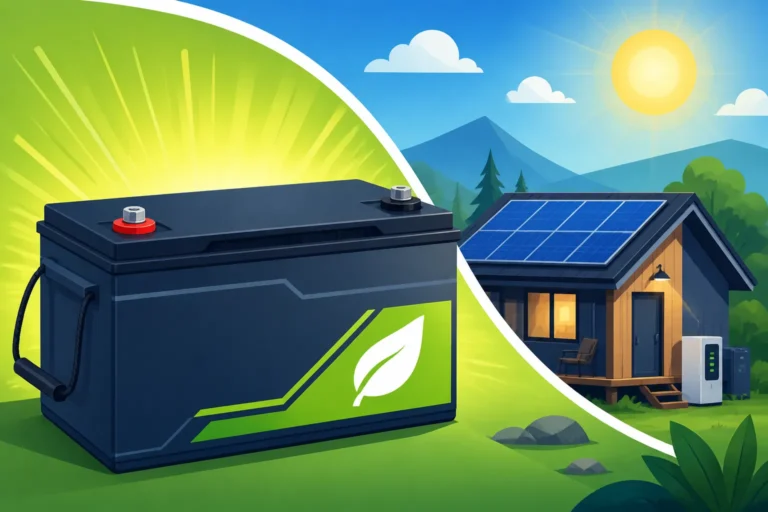
For years, lead-acid batteries were the go-to for off-grid setups, mostly because they were affordable. But they came with a lot of baggage: heavy weight, limited depth of discharge, shorter lifespan, and the need for regular maintenance. Then, along came LiFePO4 (lithium iron phosphate) batteries, promising a game-changer with their lighter weight, deeper discharge cycles, and incredibly long lifespan. The catch? They were, and often still are, considerably more expensive. This price barrier has kept many aspiring off-gridders from making the leap. Weize has carved out a niche by offering LiFePO4 batteries that are often priced more competitively, making lithium technology a more attainable dream for those on a tighter budget.
However, it's important to remember that Weize isn't only about lithium. They also offer a range of Sealed Lead Acid (SLA) and AGM batteries, which, while not offering the same benefits as LiFePO4, can still be a viable, even cheaper, option for smaller, less demanding systems or for folks who are truly just getting started and want to dip their toes in the water without a huge financial commitment. For example, if you're only powering some LED lights and charging a phone in a shed, an AGM battery from Weize might be perfectly adequate. But for a full-time residence or a larger RV, the focus almost always shifts to their lithium offerings. The lure of a high-capacity lithium battery at a lower price point is certainly powerful, especially when you're calculating your overall off-grid solar cost: complete breakdown.
Key Specifications and Features of Weize Batteries
When you're looking at any battery for off-grid use, whether it’s a Weize or another brand, you need to dig into the specs. For their LiFePO4 batteries, Weize typically offers capacities like 100Ah, 200Ah, and sometimes larger, usually in 12V configurations, though you can often series them together for 24V or 48V systems. What's crucial to understand is that most modern LiFePO4 batteries, including Weize's, come with an integrated Battery Management System (BMS). This isn't just a fancy acronym; it's the brain of your battery. The BMS protects the battery from common issues like overcharging, over-discharging, over-current, and extreme temperatures, all of which can significantly shorten a battery's life or even make it unsafe.
For instance, if you're running a microwave, which can draw a lot of current for a short burst, the BMS will ensure the battery isn't damaged. Or, if you accidentally leave lights on and discharge the battery too far, the BMS will cut power before permanent damage occurs. Weize batteries generally advertise deep cycle capabilities, meaning they are designed to be discharged significantly and recharged repeatedly, which is exactly what you need for consistent off-grid power. They also boast a high number of charge cycles, often in the thousands, which translates to many years of use compared to the hundreds of cycles you might get from traditional lead-acid batteries. This long lifespan is a major factor in the argument that is off-grid solar worth the cost. You might find these batteries readily available through online retailers like Amazon, often with clear specifications listed, making it relatively easy to compare models.
Common Applications for Weize Batteries
So, where do Weize batteries typically shine in an off-grid scenario? Given their price point and performance characteristics, they are often a popular choice for smaller to medium-sized off-grid setups. Think about someone converting a cargo van into a camper, or outfitting a small cabin in the woods that gets occasional use. They are frequently spotted in RVs, marine applications, and even for backup power systems where the budget is a primary concern. For instance, a 100Ah Weize LiFePO4 battery could easily power a small RV’s lights, water pump, and charge electronics for a few days, especially when coupled with a modest solar array.
They are less commonly found in large, full-time off-grid homes that require extensive power for multiple appliances, though a bank of several Weize batteries wired in series and parallel could certainly work. The scalability is there, but typically, for massive energy demands, users might lean towards higher-end brands known for more robust communication protocols and dedicated technical support networks. However, for many DIY enthusiasts and those looking to build an off-grid solar cost for a cabin or an off-grid solar cost for an RV without breaking the bank, Weize offers an attractive entry point into reliable lithium power. The ease of ordering and often straightforward installation make them a practical choice for many independent builders.
Performance and Real-World Experience
When you're relying on your battery bank to keep the lights on, the fridge cold, and your devices charged, "good enough" isn't really good enough. Weize batteries, like any other brand, have their pros and cons that become apparent when they're put to the test in actual off-grid living scenarios. It’s one thing to read a spec sheet, and another entirely to live with the equipment day in and day out.
Power Delivery and Cycle Life Expectations
In terms of power delivery, Weize LiFePO4 batteries generally perform as expected for their rated capacity. They provide a consistent voltage output throughout their discharge cycle, which is a significant advantage over lead-acid batteries that see a gradual voltage drop as they deplete. This stable voltage means your appliances run more efficiently and don't experience the brownouts or slowdowns that can occur with traditional batteries. A 12V 100Ah Weize battery, for instance, should comfortably deliver 100 amps for about an hour before its BMS cuts power due to low voltage, assuming appropriate discharge rates.
As for cycle life, Weize advertises figures comparable to many other LiFePO4 brands, often stating thousands of cycles (e.g., 2,000 to 4,000 cycles at 80% Depth of Discharge). In practice, achieving these numbers largely depends on how well you manage your system. Consistent partial discharges are always better than full deep cycles, and maintaining proper charging parameters helps immensely. Many users report that these batteries hold up well over several years of use, especially if they're not constantly pushed to their limits. This long cycle life is a primary reason why many consider the upfront cost of lithium batteries, even budget-friendly ones, to be a worthwhile investment over the long term, reducing the need for frequent battery replacement. You can learn more about how to maintain an off-grid battery bank to extend its life.
Cold Weather Performance and BMS Considerations
This is a critical point for many off-gridders, especially those living in colder climates. Lithium iron phosphate batteries do not perform well when charged below freezing temperatures (typically 32°F or 0°C). Charging LiFePO4 batteries in freezing conditions can cause lithium plating, which permanently damages the battery and drastically reduces its lifespan, making it an expensive mistake. This is where a good BMS comes in. Most quality LiFePO4 batteries, including Weize's, feature a low-temperature cutoff function in their BMS. This means the battery will simply refuse to accept a charge if its internal temperature is too low, protecting it from damage.
However, it's crucial to verify if the specific Weize model you're looking at has this feature, as not all budget-friendly options always include every advanced protection. If your chosen battery doesn't have a low-temperature charge cutoff, you'll need to implement your own cold-weather management strategy, such as housing the batteries in an insulated compartment or using external heating elements. For example, if your cabin experiences harsh winters in places like upstate New York or Colorado, understanding how winter affects off-grid sizing and ensuring your batteries are protected is paramount. While they won't charge below freezing, they can still discharge in colder temperatures, though their capacity might be slightly reduced.
User Feedback and Reliability Insights
Browsing forums and product reviews on sites like Amazon, you'll find a wide range of opinions on Weize batteries. Generally, users praise them for their competitive pricing and decent performance, especially for the cost. Many express satisfaction with their performance in RVs and smaller solar setups, noting that they get a good amount of power for their investment. They are often highlighted by DIY builders who are looking for a reliable, yet economical, component for their projects.
However, some users have reported issues, which are not uncommon with any battery brand, but can sometimes be more pronounced with budget-friendly options. These might include inconsistent cell balancing (though the BMS should handle this), or, in rare cases, batteries failing prematurely. Customer support experiences can also vary. While Weize generally provides a warranty, the ease and speed of getting support or replacements can sometimes be a point of concern for some users compared to more established, premium brands. It's a classic trade-off: you get a great price, but sometimes the peace of mind that comes with a robust support network isn't quite as strong. This is something to weigh, especially if you're undertaking a complex build where system reliability is paramount. Understanding how much to budget for off-grid batteries includes considering potential replacement or support costs down the line.
Comparing Weize to Other Off-Grid Battery Brands
When you're trying to decide on the best off-grid solar batteries, it quickly becomes clear that there are a ton of options out there. Weize batteries occupy a specific space in the market, often appealing to those who are price-conscious but still want the benefits of lithium technology. Let's look at how they stack up against some common competitors, especially those popular in the DIY off-grid community.
Weize vs. Renogy: A Value Perspective
One of the most common comparisons people make when looking for off-grid solar equipment is between budget-friendly options and slightly more established, but still accessible, brands. Renogy is a prime example of the latter. Renogy offers a comprehensive ecosystem of off-grid solar components, including a variety of LiFePO4 batteries. While Weize batteries are often seen as a no-frills, direct-to-consumer option, Renogy tends to provide a slightly more premium experience, albeit with a slightly higher price tag.
Here's a quick breakdown:
| Feature | Weize LiFePO4 Batteries | Renogy LiFePO4 Batteries |
|---|---|---|
| Price Point | Generally lower, highly budget-friendly | Mid-range, slightly higher than Weize, but competitive |
| BMS Features | Standard protections (over/under voltage, temp, current) | Often includes more advanced features, sometimes low-temp heating |
| Warranty | Typically 1-3 years, varies by model | Often 3-5 years, backed by a larger company |
| Support | Online via retailers (like Amazon) or direct email | More robust customer service, forums, and technical support |
| Integration | Standalone batteries, often compatible with various systems | Designed to integrate well within the Renogy ecosystem |
| Availability | Widely available on online marketplaces like Amazon | Available on Renogy's site, Amazon, and other distributors |
If you're building a simple system and cost is your absolute top priority, a Weize battery can be very appealing. They perform the basic functions well and provide consistent power. However, if you're looking for more advanced features like built-in low-temperature heating (which some Renogy batteries offer), a longer warranty, or more readily available technical support, you might lean towards Renogy. For instance, if you're planning on a robust system that demands consistent, reliable power in varied conditions, the added peace of mind from a brand like Renogy might be worth the extra investment. However, for a simple cabin solar system that doesn't see extreme conditions, the value proposition of a Weize battery is hard to ignore. Many people find their sweet spot by mixing and matching, perhaps using Weize batteries and a Renogy charge controller.
What to Consider Beyond Price: Warranty, Support, and System Integration
While the sticker price is often the first thing we look at, it’s far from the only factor in the long run. The true "cost" of a battery extends far beyond its initial purchase price.
-
Warranty and Longevity: A longer warranty, like the 3-5 years often offered by brands such as Battle Born or even Renogy, signals the manufacturer's confidence in their product. Weize typically offers shorter warranties, often 1-3 years. While a shorter warranty doesn't automatically mean a bad battery, it's something to consider for the long-term health of your off-grid solar system. Remember, a major draw of LiFePO4 is its longevity, so you want to ensure your investment is protected. The cost to replace off-grid solar batteries can be substantial, so a reliable product with good backing is essential.
-
Customer Support and Documentation: When you're troubleshooting a complex off-grid system, good customer support is invaluable. More established brands often have dedicated technical support teams, extensive online resources, user manuals, and forums. For Weize, support might primarily be through the retailer (like Amazon) or direct email, which can sometimes be slower or less comprehensive. If you're a seasoned DIYer and confident in your troubleshooting skills, this might not be a deal-breaker. But for beginners who might need a helping hand with how to install an off-grid solar system or how to set charge controller parameters, robust support can be a lifesaver.
-
System Integration and Compatibility: Most LiFePO4 batteries are designed to be relatively plug-and-play within standard 12V, 24V, or 48V off-grid systems. However, some higher-end battery brands offer features that allow their batteries to "talk" to compatible inverters and charge controllers (e.g., via CAN bus communication). This allows for a more integrated and optimized system where components share data for better performance and protection. Weize batteries are generally standalone units that rely on their internal BMS and your charge controller to manage charging. This isn't necessarily a drawback for simpler systems, but for advanced setups, integrated communication can be a significant advantage. If you're building an expandable system, thinking about future integration might steer you towards brands known for their interconnected components.
In essence, Weize presents an excellent value proposition for those prioritizing upfront cost for their power needs. However, for those seeking maximum peace of mind, extensive support, or advanced system integration capabilities, exploring options like Renogy or even more premium brands is a worthwhile exercise.
Making the Right Choice for Your Off-Grid System
Deciding on the right battery for your off-grid setup is a huge decision, and there’s no one-size-fits-all answer. Weize batteries, with their blend of affordability and lithium performance, definitely have a place in the market, but they also come with certain considerations. It’s all about aligning their offerings with your specific needs, budget, and comfort level with potential trade-offs.
When Weize Might Be the Perfect Fit
Weize batteries truly shine in several common off-grid scenarios, making them an excellent choice for a significant portion of the off-grid community.
Firstly, if you're on a tight budget but are determined to move away from the limitations of lead-acid batteries, Weize LiFePO4 options offer a fantastic entry point into lithium technology. They allow you to reap the benefits of deeper discharge, longer cycle life, and lighter weight without the hefty price tag associated with some premium brands. For many, this affordability is the key to making their off-grid dream a reality, especially when considering the overall Cost of an Off-Grid Solar Battery Bank.
Secondly, for smaller to medium-sized applications, Weize batteries can be perfect. Think about someone outfitting a weekend cabin, a small RV, a van conversion, or a remote workshop. These setups often don't demand the absolute highest current output or the most advanced communication features, making the straightforward, reliable power of a Weize battery more than sufficient. They are widely considered a solid option for applications like powering a refrigerator on off-grid solar or handling typical daily loads for lights and electronics.
Lastly, if you're a DIY enthusiast who enjoys building and troubleshooting your own systems, and you're comfortable navigating the technical aspects of off-grid solar, Weize provides a cost-effective component. You can put together a perfectly functional and efficient system without paying a premium for extensive brand support or integrated ecosystem features. For these individuals, the slight trade-off in those areas is often worth the significant savings. They often buy Weize batteries from platforms like Amazon, combine them with a charge controller and inverter from other trusted brands like Victron or Renogy, and build a customized setup.
Potential Downsides and Limitations
No product is perfect, and Weize batteries, despite their compelling value, do come with potential limitations that are important to consider before you commit. Understanding these can help prevent future headaches.
One of the primary concerns for some users, as touched on earlier, is the level of customer support and warranty coverage. While a 1-3 year warranty is standard for many budget products, it's shorter than what you might find with higher-end LiFePO4 battery manufacturers. If you encounter a problem, the resolution process might be less streamlined or slower compared to companies known for their robust support infrastructure. This can be a major stressor if your entire off-grid system relies on that battery.
Another limitation can be the lack of advanced features found in some premium LiFePO4 batteries. For example, some higher-end batteries offer built-in low-temperature heating elements, which automatically warm the battery before charging in freezing conditions, offering superior protection and convenience for cold climates. Weize batteries typically rely solely on the BMS's low-temperature charge cutoff, meaning you'll need to manually ensure they stay above freezing if you plan to charge them. Additionally, advanced communication protocols (like CAN bus) for seamless integration with high-end inverters and charge controllers are generally absent. This means you might not get the same level of granular data or optimized performance as you would with a fully integrated, high-end system.
Finally, while generally reliable, some reports suggest a slight variability in manufacturing consistency compared to top-tier brands. This isn't to say every Weize battery will have an issue, but the chances of encountering a rare flaw might be marginally higher with very budget-focused products. It’s a risk some are willing to take for the savings, while others prefer to pay more for maximal assurance.
Tips for Maximizing Battery Life and Performance
If you decide that Weize batteries are the right fit for your off-grid lifestyle, there are definitely things you can do to ensure they give you the longest, most reliable service possible. It's all about smart management and a little bit of proactive care.
First and foremost, proper sizing is critical. Don't undersize your battery bank. If you consistently push your batteries to their absolute limits, cycling them to 100% depth of discharge frequently, you'll shorten their lifespan no matter the brand. Use our guide on how to size an off-grid battery bank to calculate your needs accurately, and then consider slightly oversizing your bank to give you some buffer and reduce daily stress on the batteries. This also ties into how to size an off-grid solar system to ensure your panels are generating enough power to keep your batteries happy and charged.
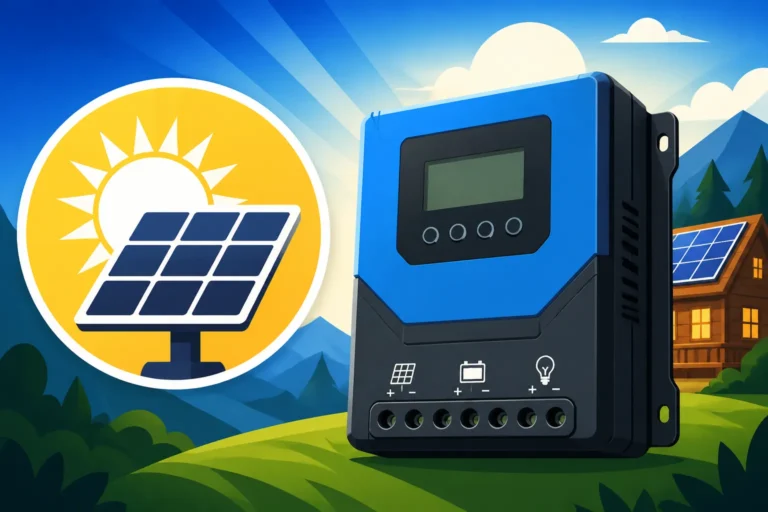
Secondly, invest in a quality charge controller. Even if your Weize battery has an internal BMS, a good Maximum Power Point Tracking (MPPT) charge controller like those from Renogy or Victron Energy will optimize the charging process, ensuring your batteries receive the correct voltage and current. Make sure your charge controller settings are precisely configured for LiFePO4 batteries, which typically have different charging profiles than lead-acid types. Incorrect settings are a surefire way to damage any battery.
Third, monitor your battery bank regularly. Even without fancy communication systems, a simple battery monitor shunt can give you accurate readings of your battery's state of charge, voltage, and current flow. This information empowers you to understand your energy usage and ensure your batteries aren't being over-discharged or undercharged consistently. Many off-gridders find a reliable battery monitor indispensable for peace of mind.
Finally, manage environmental factors. Protect your Weize batteries from extreme temperatures, especially cold. If you live in a region where temperatures regularly dip below freezing, house your batteries in an insulated enclosure, or consider adding a small heating pad with a thermostat that activates when temperatures get too low to prevent damage during charging. While Weize batteries are generally robust, keeping them in their optimal operating temperature range will extend their life considerably. By following these tips, you can ensure your Weize batteries perform admirably for years, supporting your off-grid independence.
Disclaimer
The information provided in this article is for general informational and educational purposes only and is not intended as professional advice. Off-grid solar system design and installation can be complex and involve electrical hazards. Always consult with qualified professionals and adhere to all local codes and regulations when planning or installing any solar power system.