Best 1000W Off-Grid Solar Kit
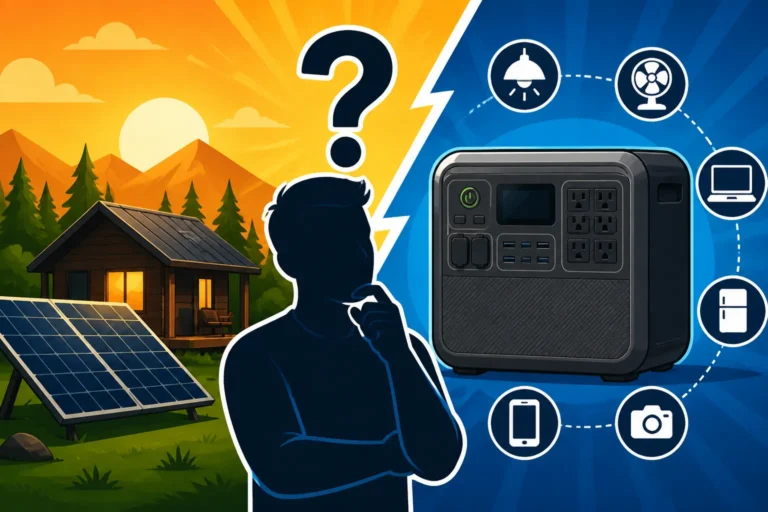
It’s easy to feel overwhelmed when you start looking into off-grid solar, especially when you’re trying to pinpoint the right size system for your needs. You've likely stumbled upon terms like "1000W off-grid solar kit" and wondered if that's truly enough to power your remote cabin, RV, or even just provide reliable backup for essential devices. This guide is here to break down exactly what a 1000-watt system entails, what you can realistically expect it to power, and how to choose the best kit to achieve your energy independence goals without any guesswork.
Understanding Your 1000W Off-Grid Solar Needs
Stepping into the world of off-grid solar can feel like learning a new language, but understanding what a “1000W” system truly means is your first crucial step. It’s not just about the peak power output; it’s about matching that output to your daily energy consumption. Many folks get excited about the wattage, only to find out later that their system doesn’t quite meet their expectations because they didn’t factor in all the variables.
What Can a 1000W System Power?
When we talk about a 1000-watt off-grid solar system, we’re typically referring to the maximum power output of your solar panels under ideal conditions. This doesn’t mean you’ll be pulling 1000 watts constantly, 24/7. What it *does* mean is that, with adequate sunshine and a properly sized battery bank, you can generate a significant amount of daily energy.
Think of a 1000W system as a solid entry-level to mid-range solution for many small to moderate off-grid applications. It's often ideal for powering critical loads in a small cabin, an RV, a camper, or even a robust emergency backup setup. You could comfortably run LED lights for several hours, charge laptops, phones, and tablets, power a small 12V refrigerator, a fan, a television, and even a small microwave for short bursts. For example, if you're looking to sustain basic comforts for a weekend getaway at a hunting cabin, a 1000W system, especially one paired with a high-capacity portable power station like a Jackery Explorer, could be a fantastic fit. The key is knowing your total daily watt-hour consumption, which is often a bigger consideration than instantaneous watts. Many people underestimate their true energy needs, so learning how to calculate daily energy usage is a critical step.
Factors Influencing Your Kit Choice
Choosing the right 1000W off-grid solar kit isn’t just about grabbing the first one you see. Several crucial factors come into play, and ignoring them can lead to a system that either falls short or is unnecessarily expensive. Your geographic location, for instance, dramatically affects how much sun exposure your panels will get. Someone in sunny Arizona will have a different experience than someone in a cloudy region of the Pacific Northwest.
Consider the time of year as well. Winter months mean shorter daylight hours and a lower sun angle, reducing your solar harvest. Your expected usage patterns are also paramount: will this be for full-time living, weekend trips, or just emergency backup? If you're powering a remote cabin, you might have different seasonal demands than someone using it for van life in various climates. Thinking about these details upfront helps you select a kit that truly performs when you need it most. It’s not just about the initial purchase; it’s about sustained, reliable power for your specific lifestyle.
Key Components of a 1000W Off-Grid Solar Kit
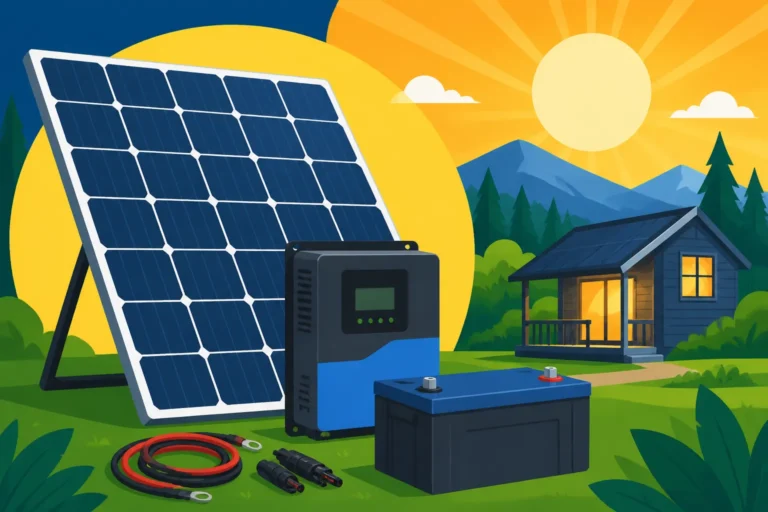
An off-grid solar kit isn’t a single magical box; it’s a collection of essential components that work in harmony to harness sunlight and turn it into usable electricity. Understanding each piece of the puzzle is vital to making an informed decision about the best 1000W off-grid solar kit for your specific application.
Solar Panels: Types and Considerations
The solar panels are the frontline of your system, converting sunlight directly into DC electricity. For a 1000W system, you might have two 500W panels, four 250W panels, or a combination that adds up to 1000W. The most common types you’ll encounter are monocrystalline and polycrystalline. Monocrystalline panels are generally more efficient and perform better in low-light conditions, making them a popular choice despite a slightly higher cost. Polycrystalline panels are a bit less efficient but are often more budget-friendly.
When selecting panels, also consider their physical size and weight, especially if you have limited space like on an RV roof or a small cabin. Are you looking for rigid panels that offer the best efficiency and durability, or do you need flexible solar panels that can conform to curved surfaces? The mounting solution is also critical – whether it's roof-mounted, ground-mounted, or even portable. Proper placement and angle, as detailed in guides like how to install off-grid solar panels, will maximize your energy harvest, regardless of the panel type.
Batteries: The Heart of Your System
The battery bank is arguably the most critical component of any off-grid solar system because it stores the energy generated by your panels for use when the sun isn’t shining. For a 1000W system, your battery bank dictates how much power you can draw and for how long. The two main types you’ll encounter are lead-acid (including flooded, AGM, and gel) and lithium-ion (specifically LiFePO4).
LiFePO4 batteries are the undisputed champions for off-grid applications today. While they have a higher upfront cost, their benefits are immense: significantly longer lifespan (often 10-15 years), much higher usable capacity (you can typically discharge them to 80-100% without damage, compared to 50% for lead-acid), faster charging, lighter weight, and zero maintenance. These advantages often make the higher initial investment well worth it in the long run. When considering the cost of an off-grid solar battery bank, LiFePO4 offers superior value over its lifetime. Some modern portable power stations, like those from Jackery, use high-quality LiFePO4 batteries internally, providing a compact and efficient storage solution that can be easily integrated with a 1000W solar array.
Inverter and Charge Controller: The Brains
These two devices are the intelligence behind your off-grid system, ensuring everything operates smoothly and safely.
The charge controller regulates the power coming from your solar panels to your batteries. It prevents overcharging and over-discharging, which can severely damage your batteries. For a 1000W system, you'll typically choose between a PWM (Pulse Width Modulation) and an MPPT (Maximum Power Point Tracking) charge controller. MPPT controllers are generally more efficient, especially in varying weather conditions, and can extract up to 10-30% more power from your panels compared to PWM, making them the preferred choice for most serious off-grid setups. Learning how to choose an off-grid charge controller is essential.
The inverter converts the DC (direct current) power stored in your batteries into AC (alternating current) power, which is what most household appliances use. For sensitive electronics, a pure sine wave inverter is crucial, as it provides power quality comparable to or better than grid power. Modified sine wave inverters are cheaper but can cause issues or even damage to certain appliances. For a 1000W solar array, you'll need an inverter capable of handling your peak load, often around 1500W to 2000W continuous output, with a surge capacity for starting motors on appliances like a refrigerator or well pump. Many modern off-grid kits, especially those focused on portability, integrate the inverter and charge controller into an all-in-one unit or a powerful solar generator, simplifying the setup.
Top Considerations When Choosing a 1000W Off-Grid Solar Kit
With so many options on the market, narrowing down the best 1000W off-grid solar kit can be daunting. It’s not just about the components themselves, but how they integrate, how they’ll perform over time, and whether they can grow with your needs.
All-in-One vs. Component-Based Systems
One of the biggest decisions you’ll face is whether to go with an all-in-one system or assemble a kit from individual components.
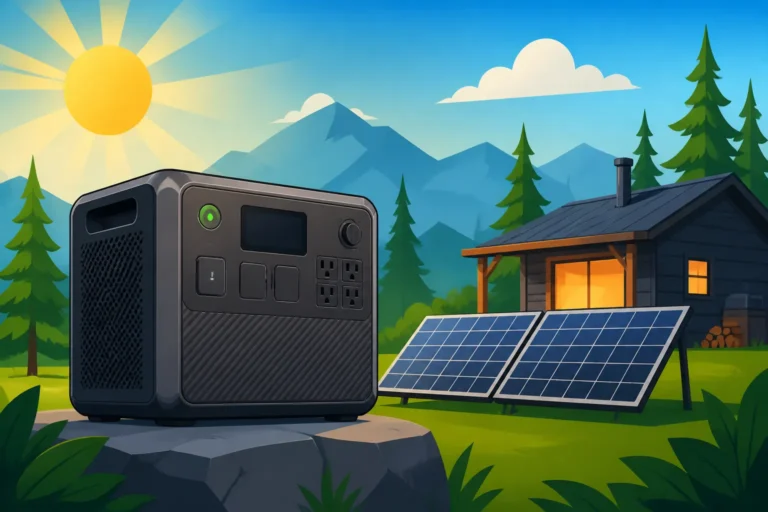
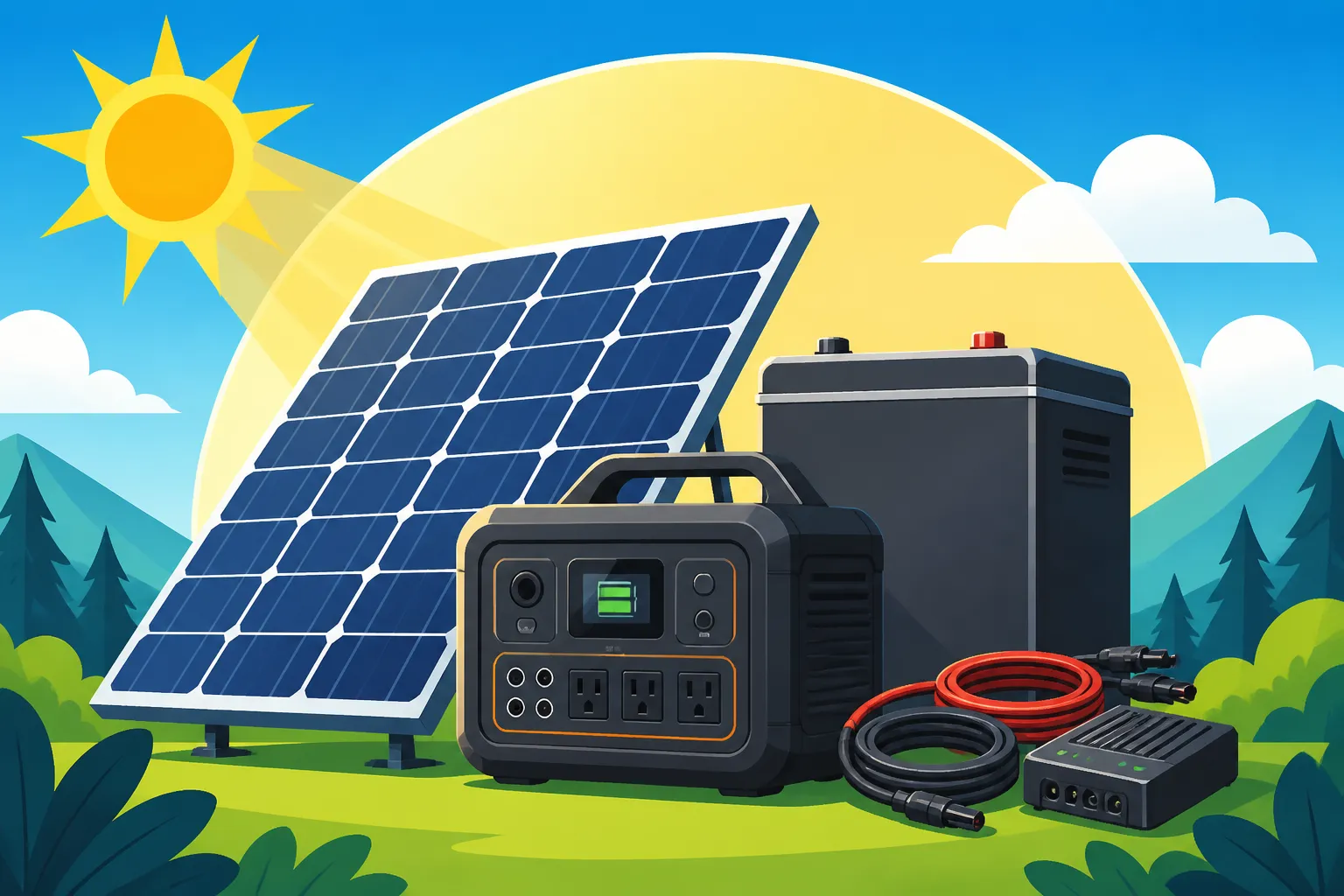
All-in-One Systems (Solar Generators/Power Stations): These are incredibly popular for their simplicity and portability. They combine the battery, inverter, and charge controller into a single, often suitcase-like unit. Brands like Jackery, EcoFlow, and Bluetti offer excellent all-in-one solutions that can be paired with 1000W (or more) of solar panels. Their pros include ease of setup (often plug-and-play), portability, and a streamlined aesthetic. Cons include less flexibility for customization, often a higher cost per watt-hour compared to DIY component systems, and a single point of failure. They are fantastic for RVs, vans, camping, and emergency backup, where quick deployment and minimal fuss are priorities.
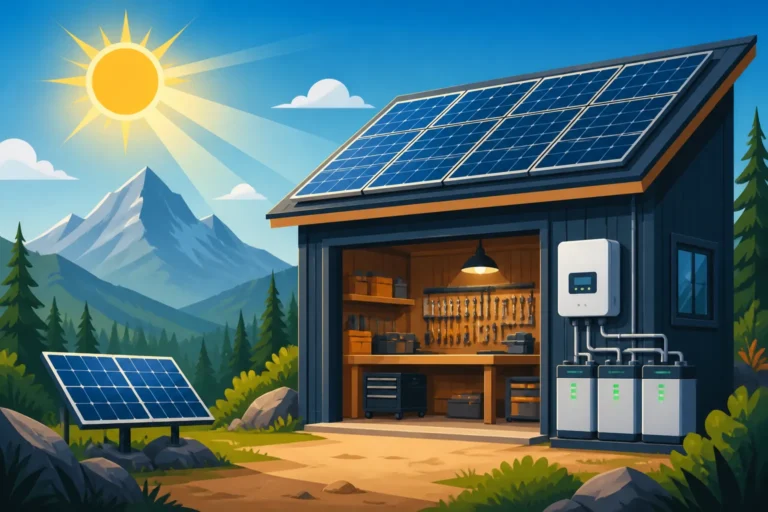
Component-Based Systems: These involve purchasing each major component – panels, batteries, inverter, charge controller – separately and wiring them together. The advantages are significant: maximum customization, ability to choose best-in-class components for each function, greater expandability, and often a lower long-term cost for larger or more permanent installations. The downside is the complexity of design and installation. You'll need to understand how to wire an off-grid solar system, calculate voltage drops, and ensure compatibility between all components. This path gives you ultimate control but demands a steeper learning curve and potentially more installation time.
Choosing between these options really boils down to your technical comfort level, your budget, and the specific application. For many looking for a 1000W system for lighter use, an all-in-one approach offers immense convenience.
Expandability and Future-Proofing
No one wants to buy a solar system only to find out a year later that they need more power and their existing setup can’t grow. When selecting a 1000W off-grid solar kit, seriously consider its expandability. Can you easily add more solar panels later if your energy needs increase? Can the inverter handle a larger load, or will you need to replace it? Is the battery bank modular, allowing you to add more capacity down the road without replacing the entire system?
Many component-based systems are inherently more expandable, as you can often add more panels in parallel, or additional batteries. For all-in-one units, expandability varies. Some larger solar generators allow you to connect external battery packs, effectively increasing your storage. Others, like certain models from Jackery, are designed with a specific capacity in mind, meaning a complete upgrade might be necessary if your needs grow significantly beyond their limits. Thinking about how to design an expandable system from the outset can save you a lot of headaches and money in the future.
Durability and Warranty
An off-grid solar system is an investment, often in harsh outdoor environments. Durability is paramount. Look for panels with robust frames, tempered glass, and high IP ratings for dust and water resistance. Inverters and charge controllers should be housed in sturdy enclosures, and batteries, especially LiFePO4, should have a reliable Battery Management System (BMS) to protect them.
Equally important is the warranty. Solar panels typically come with a 25-year performance warranty, guaranteeing a certain percentage of power output over that time, plus a shorter product warranty (10-12 years). Batteries, especially LiFePO4, should have warranties ranging from 5 to 10 years, often measured in cycles. Inverters and charge controllers usually have warranties between 2 and 5 years. A strong warranty from a reputable manufacturer offers peace of mind and indicates confidence in the product's longevity. Don't overlook the importance of readily available customer support, especially if you're undertaking a DIY installation.
Making the Right Purchase for Your 1000W Off-Grid Solar Needs
Bringing it all together, the final decision on the best 1000W off-grid solar kit for you will come down to a balance of cost, performance, and your personal comfort level with installation and maintenance.
Assessing Value and Budget
The phrase “you get what you pay for” often holds true in off-grid solar. While it’s tempting to opt for the cheapest option, it’s crucial to assess the long-term value. A kit with higher quality components, better efficiency, and a longer warranty might have a higher upfront cost but will often save you money and headaches over its lifespan. For instance, investing in LiFePO4 batteries despite their higher initial price will almost certainly pay off due to their longevity and performance compared to lead-acid. Understanding the off-grid solar cost: complete breakdown will help you budget effectively.
Prices for a 1000W off-grid solar kit can vary widely, from around $1,500 for a basic, compact portable setup to $5,000 or more for a high-quality component-based system with premium batteries and inverter. When considering your budget, don't just look at the sticker price. Factor in potential installation costs (if you're not DIYing), future maintenance, and the cost of replacing components down the line. Sometimes, a slightly more expensive kit from a reputable brand like Renogy or Victron will offer better performance and reliability, ultimately providing greater value.
Installation and Support
Your comfort level with installation is a major factor. If you’re a seasoned DIYer, a component-based system allows you to hand-pick every part and build a truly custom solution. Resources like how to install an off-grid solar system or a detailed off-grid solar wiring diagram explained can guide you through the process. However, if you’re not comfortable with electrical wiring, working with high-voltage DC systems, or simply prefer convenience, an all-in-one solar generator might be your best bet. These often require little more than plugging in the solar panels and your appliances.
Regardless of your choice, solid customer support from the manufacturer or vendor is invaluable. You want to know that if you encounter an issue or have a question, there's someone knowledgeable to assist you. Check reviews for customer service quality before making a purchase. Many kits, especially those marketed towards beginners, often come with comprehensive manuals and online resources to guide you. For smaller, more integrated systems, companies like Jackery offer robust support channels, recognizing that many of their users are new to solar technology.
Here's a quick comparison of characteristics you might find in different 1000W off-grid solar kits:
| Feature | Basic Portable Kit (e.g., small solar generator + panels) | Mid-Range Component Kit (DIY-friendly) | Premium Component Kit (Custom Build) |
|---|---|---|---|
| Typical Cost Range | $1,000 – $2,500 | $2,500 – $4,500 | $4,500 – $7,000+ |
| Solar Panels | 2x 100W or 1x 200W foldable/flexible | 4x 250W rigid panels | 3-4x 300-350W high-efficiency rigid panels |
| Battery Type | LiFePO4 (1000-2000Wh capacity) | LiFePO4 (2000-4000Wh capacity) | LiFePO4 (4000-8000Wh capacity with BMS) |
| Inverter | Integrated Pure Sine Wave (1000-1500W peak) | Standalone Pure Sine Wave (1500-2000W continuous) | High-quality Pure Sine Wave Inverter-Charger (2000-3000W continuous) |
| Charge Controller | Integrated MPPT | MPPT (standalone) | Advanced MPPT (standalone) |
| Expandability | Limited, often via external battery packs | Moderate (add panels, batteries) | High (modular components) |
| Installation Ease | Very Easy (Plug-and-Play) | Moderate (requires wiring) | Complex (requires electrical knowledge) |
| Typical Use Case | Camping, van life, emergency backup, small electronics | Small cabin, RV, workshop, remote lighting | Full-time tiny home, comprehensive cabin power |
| Brands to Look For | Jackery, EcoFlow, Bluetti, Goal Zero | Renogy, BougeRV, HQST, WindyNation | Victron, EG4, Sol-Ark, Outback |
Ultimately, the best 1000W off-grid solar kit isn't a one-size-fits-all solution. It's the one that perfectly aligns with your specific energy demands, budget, technical skills, and plans for future expansion. Take your time, do your research, and feel confident in your journey toward energy independence.
Disclaimer
Please remember that off-grid solar system design and installation can be complex and may involve working with high voltages. Always prioritize safety. If you are unsure about any aspect of installation or wiring, it is strongly recommended to consult with a qualified electrician or solar professional. Local regulations and permitting requirements for off-grid systems vary, so check with your local authorities before beginning any installation.