Is Xantrex a Good Off-Grid Inverter Brand
Navigating the vast world of off-grid solar can feel like trying to find your way through a dense forest without a compass, especially when it comes to choosing the right components. One of the most critical pieces of your entire solar puzzle is the inverter, and the question of which brand to trust often leaves folks scratching their heads. If you're wondering if Xantrex stands up as a reliable off-grid inverter brand, you're in the right place. This guide will take a deep dive into Xantrex inverters, giving you a clear picture of their strengths, weaknesses, and where they fit into the off-grid landscape.
Understanding the Heart of Your Off-Grid System: The Inverter
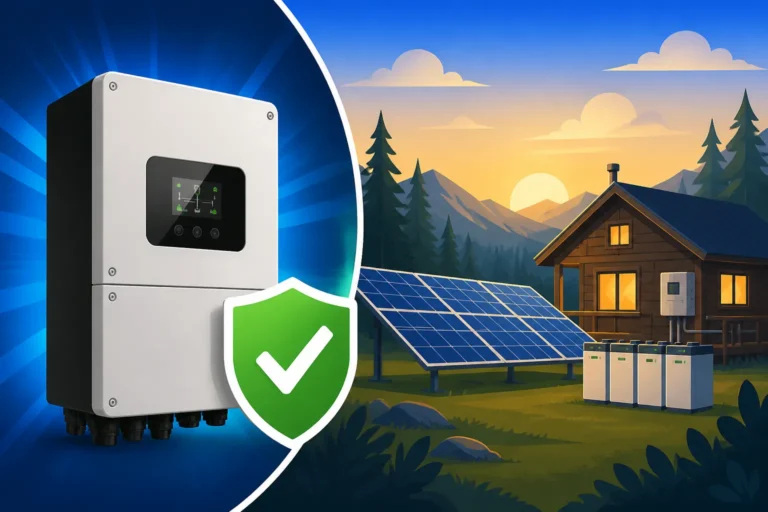
Before we zero in on Xantrex, let's take a moment to truly appreciate what an off-grid inverter does. It's not just a fancy box; it's the component that transforms the direct current (DC) electricity stored in your battery bank into alternating current (AC) electricity, which is what almost all your household appliances and electronics use. Without a good inverter, your solar panels and batteries are just collecting and storing power you can't actually use.
Why Inverter Quality Matters for Off-Grid Living
Imagine setting up your dream off-grid cabin in the mountains, only to have your lights flicker every time the fridge kicks on, or worse, your sensitive electronics getting fried. That's why inverter quality is paramount. A high-quality inverter provides stable, clean power, protects your appliances, and ensures reliable operation, even under fluctuating loads. It's a significant investment, and cutting corners here can lead to frustrating, costly problems down the line. It's not just about power conversion; it's about the very reliability and safety of your entire off-grid experience.
Beyond the basic conversion, a robust off-grid inverter needs to handle what we call "surge" loads. Think about when your well pump starts up, or your microwave kicks into action – these appliances draw a huge amount of power for a brief moment. A good inverter can handle these surges without tripping or failing, ensuring your creature comforts aren't interrupted. Furthermore, the type of waveform produced by the inverter, typically pure sine wave, is crucial for delicate electronics, preventing hums and potential damage. This is a topic worth exploring further if you want to understand the distinctions between "Pure Sine Wave vs Modified Sine Wave Inverters".
Key Components of an Off-Grid Solar Setup
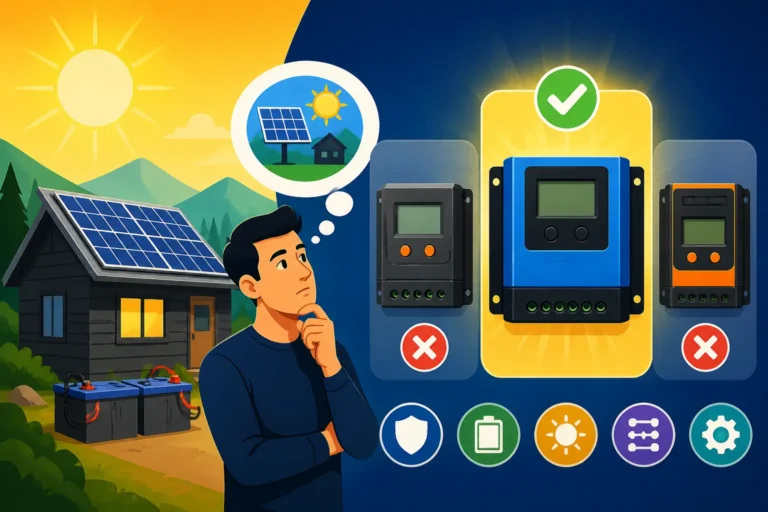
An inverter doesn't operate in a vacuum. It's part of a larger, interconnected system. You've got your solar panels gathering sunlight, a charge controller regulating the flow of power into your batteries, the battery bank storing that energy, and then the inverter converting it for use. Plus, you'll have wiring, fuses, and breakers to ensure everything operates safely. If you're keen on understanding the big picture, a guide on "Off-Grid Solar System Components Explained" can be incredibly helpful. Each piece needs to work harmoniously, and the inverter often dictates the overall efficiency and capability of your setup.
Choosing the right components, especially the inverter, requires careful consideration of your energy needs. It's all about balancing the power you generate with the power you consume. For a comprehensive look at how to select the right inverter for your specific needs, check out our guide on "How to Choose an Off-Grid Inverter". This decision will directly impact your daily life off-grid, so it's not one to take lightly.
A Closer Look at Xantrex Inverters for Off-Grid Applications
Xantrex has been a recognizable name in the power conversion industry for quite some time, with a history rooted in providing reliable solutions for various applications, including marine, RV, and commercial vehicles, alongside their off-grid residential offerings. They've built a reputation for robust, well-engineered products, though like any brand, they have their particular niche and characteristics.
Xantrex Product Lines and Key Features
Xantrex offers several product lines that cater to different needs and scales of off-grid living. Their Freedom series inverter/chargers are particularly popular in RV and marine applications, combining an inverter and a battery charger into one unit. This means they can convert DC power to AC, but also charge your batteries from an AC source like a generator or shore power if you ever connect to it. These often feature advanced battery charging capabilities, which is a huge plus for extending battery life, especially when you're looking at the long-term investment in a "Cost of an Off-Grid Solar Battery Bank".
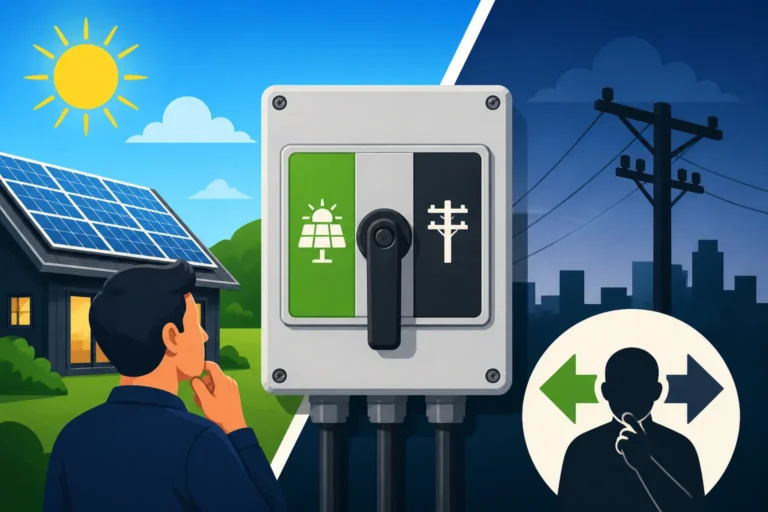
Another notable line is the PROwatt SW series, which are pure sine wave inverters often chosen for smaller to medium-sized off-grid setups, like a remote cabin or a tiny home. They're known for their user-friendly interfaces and clean power output, crucial for running sensitive electronics without a hitch. For larger, more sophisticated systems, Xantrex also offers higher-capacity inverter/chargers with more advanced features, allowing for greater system integration and monitoring. These often come with features like automatic transfer switching, which seamlessly switches between utility power (if available) and battery power, or generator power, ensuring uninterrupted electricity.
The Technology Behind Xantrex Inverters
Xantrex prides itself on incorporating solid technology into its inverters. Their pure sine wave output ensures that even the most delicate electronics, like medical equipment or high-end audio systems, run smoothly and efficiently. Many of their models come with robust surge capabilities, designed to handle those initial power spikes from motors and compressors without a hiccup. This is a crucial consideration when you're trying to figure out "How to Size an Off-Grid Inverter" to accommodate all your appliances.
Furthermore, thermal management is a key aspect of Xantrex designs. They often integrate efficient cooling systems to prevent overheating, which is vital for the longevity and reliability of any inverter, especially one working hard in an off-grid environment. Overheating can significantly reduce an inverter's lifespan and lead to costly failures. Their units also typically include multiple layers of protection against common electrical issues like over-voltage, under-voltage, and short circuits, giving you peace of mind that your investment and appliances are safe.
Advantages and Disadvantages for Off-Grid Users
On the upside, Xantrex inverters are generally well-regarded for their durability and consistent performance. Many users appreciate the integrated inverter/charger units, as they simplify the system design and installation process, making it a more streamlined setup. The fact that they've been a staple in the RV and marine industries speaks volumes about their ability to withstand demanding mobile environments, which often translates well to stationary off-grid installations that face similar challenges. You can often find Xantrex products through specialized solar retailers, though sometimes even general online marketplaces like Amazon will carry some of their more popular models, especially for smaller systems.
However, some off-grid enthusiasts might find Xantrex systems to be less customizable or have fewer advanced monitoring features compared to some of the more high-end, dedicated off-grid brands. While reliable, they might not always be the absolute cutting-edge in terms of maximum efficiency or integration with certain advanced battery management systems (BMS) that are prevalent in DIY lithium battery banks. Their price point can also be a consideration; while not always the most expensive, they aren't always the budget option either. It’s a balance, really, between proven reliability and the latest, greatest, most flexible technology.
Real-World Performance and User Feedback
When you're making a significant investment in off-grid power, hearing from people who are actually living with these systems day in and day out is invaluable. Xantrex has a long track record, and with that comes a lot of accumulated user experience.
Common Praises and Success Stories
Many users laud Xantrex inverters for their sheer reliability and longevity. It's not uncommon to hear stories of Xantrex units faithfully powering RVs, boats, and remote cabins for years, often exceeding expectations. Folks appreciate the "set it and forget it" nature of many of their products, especially the inverter/charger combos that manage battery charging automatically. For someone looking for a straightforward, robust solution without needing to constantly tweak settings, Xantrex often hits the mark.
For example, a family running a hunting cabin in northern Michigan might find a Xantrex Freedom SW inverter/charger perfectly suited to their needs. They can rely on it to seamlessly switch between solar power and a backup generator, ensuring their fridge keeps running and their lights stay on during extended stays. The unit's ability to handle the start-up surge of a small well pump, even in colder temperatures, can be a major selling point. This kind of consistent performance in various real-world scenarios has cemented Xantrex's reputation for many off-grid homeowners and mobile adventurers.
Addressing Potential Drawbacks and Criticisms
No brand is without its critiques, and Xantrex is no exception. Some users have reported that certain models can be a bit noisy due to cooling fans, especially under heavy loads. While this is often a trade-off for effective thermal management, it's something to consider if your inverter will be located in a living space. Another common discussion revolves around the complexity of diagnostics for less common issues; sometimes error codes can be cryptic, requiring a deeper dive into the manual or professional assistance.
Furthermore, while their customer support is generally available, some users have expressed frustration with response times for highly technical inquiries, especially compared to smaller, more specialized off-grid brands. For DIYers building their own system, or those wanting to expand their setup, the integration options for specific third-party components might not be as expansive as with some other brands. For instance, while a Xantrex unit will work well, integrating it into a highly complex, app-monitored system might require more effort than with brands that offer more open-source integration pathways.
Durability and Longevity in Off-Grid Environments
Overall, Xantrex products are built to be durable. They are designed to operate in challenging environments, from the vibrations of an RV on rough roads to the humidity of a marine setting. This ruggedness translates well to stationary off-grid applications where equipment is expected to perform reliably for years. The components are typically well-sealed against dust and moisture, and internal electronics are designed to withstand temperature fluctuations common in remote locations.
However, like any piece of electronic equipment, proper installation and maintenance are key to maximizing its lifespan. Ensuring adequate ventilation, keeping connections clean and tight, and protecting the unit from extreme weather will significantly contribute to its longevity. Regular checks, as outlined in a good "Off-Grid Solar Maintenance Guide", can help you catch small issues before they become big problems, allowing your Xantrex inverter to serve you faithfully for a decade or more.
Comparing Xantrex with Other Off-Grid Inverter Options
When you're trying to decide if Xantrex is the right fit, it’s helpful to see how they stack up against other big players and even some more budget-friendly alternatives in the off-grid solar market. The landscape is broad, with options ranging from highly integrated systems to component-based DIY solutions.
Xantrex vs. Premium Brands like Victron and Sol-Ark
When you look at premium brands like Victron Energy or Sol-Ark, you're often stepping into a realm of highly customizable, modular, and deeply integrated systems. Victron, for instance, is renowned for its exceptional build quality, advanced monitoring capabilities via their Venus OS, and seamless integration across all its components, from charge controllers to inverters and battery monitors. Their MultiPlus and Quattro inverter/charger lines are often considered top-tier for complex off-grid or hybrid systems, offering extensive programming options and robust performance. Sol-Ark, on the other hand, is popular for its all-in-one hybrid inverters that combine an inverter, charge controller, and often a solar generator input into a single unit, simplifying installation for many.
Xantrex generally falls a step below these in terms of advanced digital integration and customizability. While Xantrex units are solid performers, Victron's ecosystem, for example, allows for finer control over charging parameters, remote diagnostics, and detailed data logging, which can be a huge draw for tech-savvy off-gridders or those with very specific power demands. For a more detailed comparison of specific brands, you might want to delve into articles like "Sol-Ark vs Victron Inverters". However, for many standard off-grid applications, a Xantrex unit provides more than enough functionality without the steeper learning curve or higher price tag often associated with these premium options.
Xantrex vs. Budget-Friendly Alternatives
On the other end of the spectrum, you have numerous budget-friendly inverter brands, many of which you might find readily available on platforms like Amazon or from mass-market solar kit providers such as Renogy. These typically offer simpler functionality, often at a significantly lower cost. Brands like Giandel, Go Power!, or certain Renogy inverter models are popular among DIYers or those setting up smaller, less critical systems (like an occasional-use shed or a small van build).
The main difference here often boils down to build quality, surge capacity, and the sophistication of internal electronics and protections. While a budget inverter might get the job done for basic loads, it might struggle with high surge demands, be less efficient, or have a shorter lifespan. Xantrex typically offers a more robust build, better reliability, and superior surge handling than most budget options. You're generally getting a more industrial-grade product that's designed for continuous duty and longevity, which is a critical consideration if you're truly living off the grid and relying on your power system day in and day out.
| Feature / Brand | Xantrex (e.g., Freedom SW) | Victron (e.g., MultiPlus) | Budget Brand (e.g., basic Amazon inverter) |
|---|---|---|---|
| Price Range | Mid-to-High | High | Low |
| Build Quality | Very Good | Excellent | Variable (Good to Fair) |
| Pure Sine Wave | Yes, Standard | Yes, Standard | Often Yes, but check specs |
| Inverter/Charger Combo | Many Models | Many Models | Less Common |
| Advanced Monitoring | Basic/Intermediate | Excellent (App/VRM Portal) | Often None |
| System Integration | Good | Excellent (Ecosystem) | Basic |
| Surge Capacity | Strong | Very Strong | Moderate |
| Typical Application | RV, Marine, Mid-size Off-Grid | High-end Off-Grid, Hybrid | Small RV, Van, Backup, Basic Off-Grid |
| User Support | Good | Excellent | Variable |
Making the Right Choice for Your Needs
Ultimately, whether Xantrex is a "good" off-grid inverter brand depends entirely on your specific requirements, budget, and comfort level with technology. If you're looking for a proven, reliable workhorse with a solid track record, especially in mobile applications or for a moderate-sized cabin or home, Xantrex is absolutely a strong contender. Their inverter/charger combos are particularly appealing for those who might integrate a generator for backup power or occasional grid tie-ins. The reputation of the brand for durability and quality is well-earned.
However, if you're building a massive, highly complex system that you want to monitor from your smartphone from across the globe, or you're an extreme DIYer who wants to tinker with every single parameter, you might find the advanced features and ecosystem of brands like Victron more enticing. Conversely, if your budget is extremely tight and your power needs are minimal and non-critical, a simpler, more affordable inverter might suffice, though with potential compromises on longevity and performance. Exploring the broader range of "Best Off-Grid Solar Inverters" can provide even more context for your decision. Think about your actual daily power needs, your future expansion plans, and what level of complexity you're comfortable managing.
Conclusion: Is Xantrex a Solid Choice?
So, is Xantrex a good off-grid inverter brand? In my humble opinion, based on years of seeing these systems in action and talking to countless folks living off the grid, yes, Xantrex is a very good and reliable brand for off-grid inverters. They have a long-standing history of producing robust, dependable power conversion equipment that has powered countless RVs, boats, and off-grid homes.
They occupy a sweet spot in the market: offering significantly more reliability and features than most entry-level or budget inverters, without necessarily reaching the often higher price point and complexity of ultra-premium, highly integrated systems. If you're looking for a sturdy, proven workhorse that will consistently deliver clean power and handle typical off-grid loads without a fuss, a Xantrex inverter is a solid investment. Just be sure to properly size your system and choose the specific model that aligns with your energy demands and lifestyle. A good place to start planning is our comprehensive guide on "Off-Grid Solar System Sizing Guide".
Final Considerations for Your Off-Grid Power System
Before you commit, always remember to factor in the total cost of ownership, including potential installation costs, and consider your plans for future expansion. A well-designed Xantrex system can be a cornerstone of your off-grid independence for many years to come. Do your homework, assess your power needs carefully, and you'll be well on your way to reliable, self-sufficient power.
Disclaimer
The information provided in this article is for general informational purposes only and does not constitute professional advice. Off-grid solar system design and installation can be complex and involve electrical hazards. Always consult with qualified professionals and adhere to local electrical codes and safety regulations when planning, installing, or maintaining an off-grid solar system.