Best MPPT Controller for a 48V System
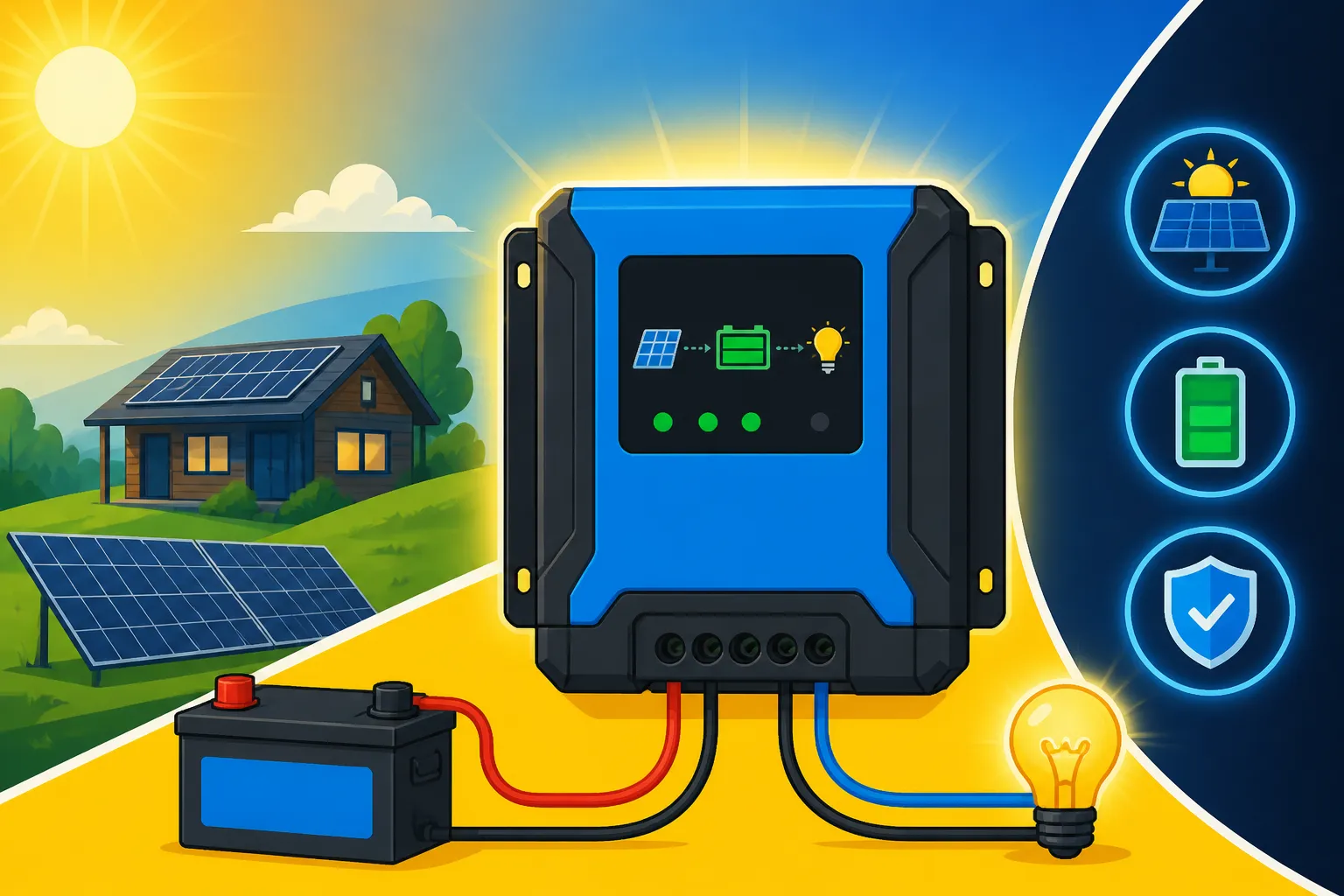
Choosing the perfect MPPT charge controller for your 48V off-grid solar system can feel like navigating a maze. It’s not just about picking any controller; it’s about finding the right brain for your power system, one that maximizes every ray of sunshine and ensures your batteries are charged efficiently, reliably, and safely. This guide will cut through the noise, explaining exactly what to look for and highlighting the best options so you can build a robust and dependable off-grid setup.
Why a 48V System Makes Sense for Off-Grid Power
Stepping up to a 48V system often feels like a big leap from the more common 12V or 24V setups, but for serious off-grid living, it's a game-changer. You might be wondering if it's truly necessary, especially if you're used to smaller RV or cabin setups. The truth is, 48V systems are often the sweet spot for homes, larger cabins, and workshops that have more significant power demands, offering substantial advantages in efficiency and component longevity.
Reduced Current and Thinner Wires
One of the biggest unsung heroes of a 48V system is how it inherently reduces current flow. Think back to basic electricity: Power (Watts) equals Voltage multiplied by Current (Amps). If you need to deliver 5000 watts of power, a 12V system would demand over 400 amps, whereas a 48V system only needs a little over 100 amps. This might not sound like much, but it has massive implications for your wiring.
Higher current means you need thicker, more expensive copper cables to avoid voltage drop and overheating. With a 48V system, because the current is significantly lower, you can often use thinner, more manageable, and less costly wiring for the same amount of power delivered. This is a huge benefit, not just for the initial investment, but also for ease of installation and reducing potential fire hazards associated with undersized wiring. It's a fundamental principle of electrical design that makes larger systems much more practical and safer to build.
Better for Larger Power Needs
When you're powering a full-size refrigerator, a well pump, a mini-split air conditioner, or a workshop full of power tools, a 12V or 24V system can quickly become overwhelmed. These larger appliances draw substantial power, and trying to run them on lower voltage systems puts immense strain on your components, especially the inverter. Inverters for 12V systems that can handle high surge loads are often more expensive and less efficient than their 48V counterparts.
A 48V system is simply better equipped to handle these heavy loads gracefully. It allows your inverter to operate more efficiently, reduces heat generation across your entire system, and provides a more stable power supply for your demanding appliances. This translates into greater reliability and a longer lifespan for your expensive equipment, making it a wise long-term investment for any significant off-grid endeavor. If you're planning on designing an off-grid solar system for year-round power, this voltage level is almost a necessity.
System Compatibility and Expansion
The off-grid solar world is increasingly moving towards 48V as the standard for larger installations. Many of the most robust and feature-rich inverters, inverter-chargers, and even some integrated power systems are primarily designed for 48V battery banks. This means you'll find a wider selection of high-quality components that are engineered to work seamlessly together.
Choosing a 48V system also sets you up for easier future expansion. If you start with a modest setup and decide later that you need more panels, more batteries, or more powerful appliances, a 48V foundation makes it simpler to scale up without needing to completely redesign your electrical backbone. This kind of forward-thinking planning is crucial when building an off-grid system that needs to evolve with your energy needs. Understanding how to expand an off-grid system is key for long-term self-sufficiency.
What Makes an MPPT Controller "Best" for 48V?
Not all MPPT controllers are created equal, especially when you're looking for one to handle the specific demands of a 48V battery bank. The "best" controller isn't necessarily the most expensive, but rather the one that perfectly matches your system's needs, maximizes energy harvest, and provides reliable, long-lasting performance. It’s about smart features, robust engineering, and efficient energy conversion.
Voltage and Current Capacity
This is perhaps the most critical specification. An MPPT controller for a 48V system must be capable of handling both the input voltage from your solar array (PV input voltage) and the charging current for your 48V battery bank. Your solar panels, especially when wired in series for higher voltage, can produce open-circuit voltages (Voc) that can exceed 100V, 150V, or even 200V. The controller must have a maximum PV input voltage rating that safely accommodates your array's Voc, even in cold temperatures when voltage can spike.
Equally important is the charging current. This indicates how many amps the controller can deliver to your battery bank. If you have a large solar array, you need a controller with a high enough current rating to efficiently convert all that solar power into battery charge. An undersized controller will simply clip, meaning it won't be able to utilize all the power your panels are producing, especially during peak sun hours. When learning how to size a charge controller, these two parameters are paramount to avoid wasted solar potential and ensure system safety.
Advanced MPPT Algorithm
The core job of an MPPT (Maximum Power Point Tracking) controller is to extract the maximum possible power from your solar panels, regardless of temperature, shading, or cloud cover. A truly "best" MPPT controller will feature a highly advanced tracking algorithm that is fast and accurate. Generic or older algorithms might miss the true maximum power point, leading to less energy harvested over the course of the day.
Look for controllers that boast superior tracking efficiency, especially those that can quickly re-track after sudden changes in sunlight (like a cloud passing over) or partial shading. This means your battery bank will receive more charge, which is crucial for maintaining battery health and ensuring you have enough power, especially during periods of less-than-ideal solar conditions. This is where the engineering really shines, directly impacting your daily energy yield and overall system performance.
Communication and Monitoring Features
In today's connected world, a top-tier MPPT controller for a 48V system should offer robust communication and monitoring capabilities. This isn't just a fancy add-on; it's essential for understanding your system's health, optimizing performance, and troubleshooting issues remotely. Look for features like Bluetooth connectivity, Wi-Fi modules, or Ethernet ports that allow you to connect to a smartphone app or a dedicated monitoring portal.
These features enable you to view real-time data on solar production, battery state of charge, charge history, and even adjust settings from anywhere. Brands like Victron Energy excel in this area, offering comprehensive ecosystems with advanced monitoring devices like the Cerbo GX. Being able to see how much solar you're generating, how efficiently it's charging your Off-Grid Solar Batteries, and if there are any issues, provides invaluable peace of mind and control over your off-grid power.
Build Quality and Reliability
An off-grid solar system is a long-term investment, and its components need to be built to last, often in challenging environments. The "best" MPPT controllers are synonymous with high build quality, employing robust components that can withstand temperature fluctuations, dust, and electrical stresses. They often come with higher ingress protection (IP) ratings, indicating their resistance to dust and moisture.
Reliability also means proper thermal management. An efficient MPPT controller will generate less heat, but the heat it does produce needs to be dissipated effectively to prevent premature component failure. Look for controllers with substantial heat sinks, internal fans (though passively cooled units are often preferred for longevity and quiet operation if adequate for the power level), and over-temperature protection. A controller with a solid warranty and a reputation for durability, even if it costs a bit more upfront, will save you headaches and replacement costs down the road.
Top MPPT Controller Brands for 48V Systems
When it comes to powering a 48V off-grid system, you’re looking for controllers that are not just capable but also renowned for their reliability, efficiency, and advanced features. The market has some standout players who consistently deliver for demanding off-grid applications. Let’s dive into some of the most trusted names you’ll encounter.
Victron Energy
Victron Energy is often considered the gold standard in the off-grid solar world, especially for those building serious 48V systems. Their SmartSolar and BlueSolar MPPT charge controllers are incredibly robust and efficient. What sets Victron apart is not just the quality of their individual components, but the seamless integration within their entire ecosystem. Their MPPTs are designed to work perfectly with their inverters (like the MultiPlus or Quattro series) and battery monitors, all connected via their VE.Direct or VE.Bus communication protocols.
Many off-gridders swear by Victron for their highly accurate MPPT tracking, superior build quality, and comprehensive monitoring capabilities through the VictronConnect app and their Cerbo GX device. You can monitor every aspect of your system from anywhere in the world, which is invaluable for peace of mind. While they might be a higher investment, the reliability, performance, and ecosystem support often justify the Cost of a Charge Controller for full-time off-grid living.
Morningstar
Morningstar Corporation has a long-standing reputation for producing incredibly rugged, industrial-grade solar charge controllers. If you're building a system that absolutely cannot fail and needs to withstand harsh conditions, Morningstar is a brand to seriously consider. Their controllers, particularly the TriStar MPPT series, are known for their extreme durability and long lifespan, often found in remote telecommunications sites and critical infrastructure where reliability is paramount.
While their controllers might not always have the same slick app interface as some newer brands, their focus is on rock-solid performance and longevity. They offer excellent thermal design and are built to handle high temperatures and heavy loads continuously. If you're interested in the Best MPPT Charge Controllers that are known for their "set it and forget it" reliability, Morningstar is definitely a top contender for any 48V system.
Schneider Electric / Conext
Schneider Electric, through its Conext line of products, offers powerful and integrated solutions for larger off-grid and hybrid systems. Their MPPT charge controllers, like the Conext MPPT 80 600, are designed to work hand-in-hand with their Conext XW Pro inverter/chargers, creating a fully synchronized and highly efficient power system. This integrated approach simplifies design and ensures optimal performance across all components.
These controllers are built for demanding applications, often supporting advanced grid-forming capabilities and sophisticated battery management. They offer robust power conversion and are a strong choice for whole-house off-grid setups where seamless operation between solar charging, inverter operation, and potential generator backup is critical. Their systems are typically installed by professionals due to their complexity and integration requirements, but they deliver enterprise-grade reliability.
MidNite Solar
MidNite Solar is a favorite among many DIY off-gridders and professionals alike, particularly known for their high-voltage input capabilities and commitment to American manufacturing. Their Classic series of MPPT charge controllers, such as the Classic 150, 200, and 250, can handle very high PV input voltages, allowing for longer series strings of solar panels. This can simplify wiring and reduce voltage drop over long cable runs from the array to the battery bank.
MidNite controllers are also highly configurable and feature advanced logging and monitoring options. They are known for being incredibly robust and repairable, a huge plus for those who prefer to maintain their systems themselves. If you have a large solar array or specific site challenges, a MidNite Solar Classic controller might be the perfect fit for your 48V system, offering versatility and dependability.
Renogy and Other Mid-Range Options
While the brands above represent the premium end of the spectrum, there are excellent mid-range options that provide fantastic value and performance, especially for those on a tighter budget or with slightly less demanding systems. Renogy is a very popular brand in this space, offering a wide range of solar components, including MPPT charge controllers that are well-suited for 48V applications. Their products, often found readily available on platforms like Amazon, strike a good balance between cost and functionality.
Renogy controllers, such as their Rover series, typically offer decent MPPT efficiency, various protection features, and often include LCD displays and basic monitoring apps. They are a solid choice for DIY Off-Grid Solar Installation Step by Step and for many who are just getting into off-grid living or powering smaller permanent structures. While they might not offer the same depth of integration or advanced features as a Victron or Morningstar, they provide reliable charging and are accessible to a wider audience. Other brands like EPEver, Outback Power (another strong contender for robust systems), and Tracer also offer compelling options in various price points for 48V systems. When comparing Victron vs Renogy Equipment, it often comes down to budget and the desired level of system sophistication.
Key Considerations When Choosing Your 48V MPPT Controller
Selecting the right MPPT controller for your 48V system isn't just about picking a popular brand; it's about carefully matching the controller to your specific energy needs, environment, and budget. Overlooking these details can lead to inefficient charging, premature equipment failure, or simply not getting the most out of your investment. Let's dig into the practical aspects you absolutely need to consider.
Sizing Your Charge Controller
This is arguably the most critical step. An improperly sized charge controller is either a bottleneck, wasting valuable solar energy, or an expensive overkill that doesn't provide additional benefit. You need to calculate both the maximum PV input voltage and the maximum PV input current your solar array will produce.
For voltage, take the Open Circuit Voltage (Voc) of a single solar panel and multiply it by the number of panels you plan to wire in series. It’s also wise to multiply this by a temperature correction factor (typically 1.15 to 1.25 for cold climates) as Voc increases in colder temperatures, which can exceed the controller's maximum voltage rating and damage it. For current, take the Short Circuit Current (Isc) of a single panel and multiply it by the number of parallel strings you'll have. The controller's maximum input current rating must be greater than this value. It's usually recommended to have at least 125% headroom for both voltage and current to account for environmental factors and potential surges. This ensures your controller can handle the full output of your solar array without clipping, truly allowing you to How to Calculate Off-Grid Solar Needs effectively.
Future Expansion Plans
Many off-grid journeys start small and grow over time. If you anticipate adding more solar panels or expanding your battery bank in the future, it's incredibly wise to choose an MPPT controller that can accommodate this growth. Investing in a slightly larger controller upfront, or one that is known for its expandability, can save you significant money and hassle down the line. Imagine having to replace a perfectly good controller just because you added a few more panels and exceeded its capacity – that's a mistake you want to avoid.
Consider controllers that allow for parallel operation with other units from the same brand, or those with higher voltage and current ratings than your immediate needs. This foresight means you won't be tearing out components and re-wiring your system when your energy demands inevitably increase, making the initial investment a more sustainable one. Thinking about how to design an expandable system from the outset is a smart move.
Environmental Factors
Off-grid systems are often deployed in diverse and sometimes challenging environments. The operating environment of your MPPT controller can significantly impact its performance and longevity. If your controller will be installed in a hot climate, look for models with excellent thermal management and high-temperature ratings. Excessive heat can degrade electronics over time and reduce efficiency.
Conversely, if you're in a cold climate, ensure the controller is rated for low-temperature operation. Dust, humidity, and even corrosive salt air (if near the coast) are other factors. Look for controllers with appropriate IP (Ingress Protection) ratings. An IP20 might be fine for a clean indoor installation, but an IP65 or higher would be necessary for a dusty workshop or an outdoor, sheltered enclosure. Proper ventilation and protection from direct elements are crucial for any installation, regardless of the controller's individual rating.
Budget Versus Features
It's tempting to go for the cheapest option, but with off-grid solar, you often get what you pay for. Balancing your budget with the features you truly need is key. A high-quality MPPT controller from a reputable brand might cost more upfront, but its superior efficiency, advanced algorithms, robust build quality, and comprehensive monitoring capabilities can lead to greater energy harvest, longer system lifespan, and fewer headaches in the long run.
Think about your priorities: Is remote monitoring essential for you? Do you need industrial-grade reliability, or will a solid mid-range unit suffice for occasional use? Sometimes, a slightly higher investment in a core component like the MPPT controller pays dividends through increased system stability and reduced maintenance. Compare controllers not just on price, but on their efficiency ratings, warranty periods, customer support, and the richness of their feature set. For a critical component like this, skimping on quality can lead to much higher hidden costs of going off-grid down the road.
48V MPPT Charge Controller Comparison Table
To help you visualize the differences and make an informed decision, here's a comparison of some popular MPPT charge controllers suitable for 48V systems. Please note that prices are approximate and can vary widely based on vendor, features, and current market conditions.
| Feature | Victron SmartSolar MPPT 150/70-TR | MidNite Solar Classic 200 | Morningstar TriStar MPPT 60 | Renogy Rover 60A MPPT |
|---|---|---|---|---|
| Max PV Voltage (Voc) | 150V | 200V | 150V | 150V |
| Max Charge Current | 70A | 79A | 60A | 60A |
| Nominal Battery Voltage | 12V / 24V / 36V / 48V Auto | 12V / 24V / 48V Auto | 12V / 24V / 48V Auto | 12V / 24V / 36V / 48V Auto |
| MPPT Efficiency | Up to 99% | 97-99% | 97.9% | 95-97% |
| Communication | Bluetooth, VE.Direct, Optional Wi-Fi | USB, Ethernet (w/ accessory) | RS-232, Modbus, Optional Ethernet | RS-232, BT Module (optional) |
| Monitoring | VictronConnect App, Cerbo GX Integration | LCD Display, Local & Remote (w/ accessory) | MeterBus, PC Software | LCD Display, Renogy DC Home App |
| Enclosure Rating | IP43 | Type 1 (Indoor) | IP20 (Indoor) | IP32 (Indoor) |
| Warranty | 5 years | 5 years | 5 years | 3 years |
| Approx. Price Range | $$$ | $$$ | $$ – $$$ | $ – $$ |
| Pros | Excellent ecosystem, advanced monitoring, robust build | High voltage input, DIY friendly, Made in USA | Industrial reliability, robust build, high efficiency | Cost-effective, good for beginners, decent features |
| Cons | Higher price point, Bluetooth only without accessories | Can be complex for beginners, external comms needed | Less advanced monitoring compared to Victron | Slightly lower efficiency, basic app, fewer advanced features |
Disclaimer
The information provided in this article is for general informational purposes only and does not constitute professional advice. Off-grid solar system design and installation can be complex and involve electrical hazards. Always consult with a qualified solar professional or electrician before undertaking any solar project. Prices and product specifications mentioned are subject to change and should be verified with manufacturers and retailers.