Best Low-Frequency Inverter for Off-Grid
Trying to piece together a truly robust off-grid solar system can feel like an overwhelming puzzle, especially when it comes to the heart of your power — the inverter. Many folks get stuck wondering if a cheaper, more common high-frequency inverter will cut it, only to find out the hard way when their well pump struggles or their power tools trip the system. This comprehensive guide is here to demystify low-frequency inverters, showing you why they're often the unsung heroes of reliable off-grid living and what to look for when choosing one.
Why Low-Frequency Inverters are a Game-Changer for Off-Grid Life
When you're living off the grid, reliable power isn't just a convenience; it's a necessity. From running critical appliances like refrigerators and freezers to operating power tools or a well pump, your inverter is the workhorse converting your battery's DC power into the AC electricity your home uses. This is where low-frequency inverters truly shine, offering a level of robustness and surge capacity that high-frequency models simply can't match.
The Inner Workings: Heavy-Duty Transformers
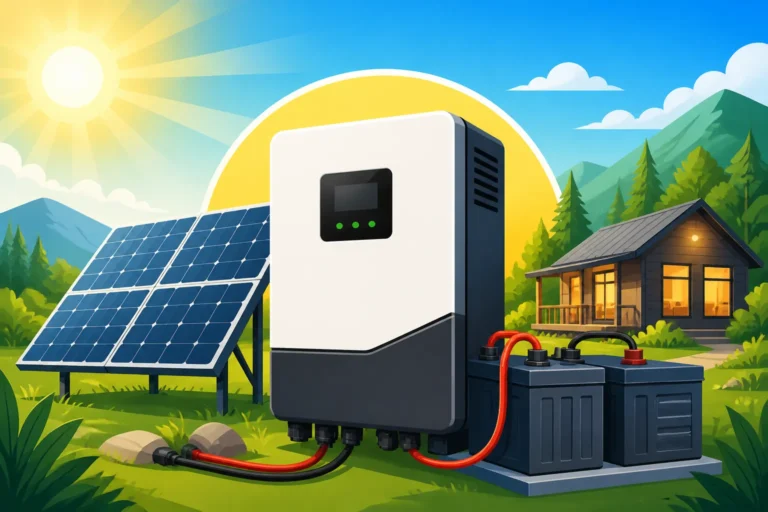
At the core of every low-frequency inverter is a large, heavy copper transformer. This isn't just a design choice; it's fundamental to its performance. Unlike high-frequency inverters which use smaller, lighter, and more complex electronic components to convert power, the substantial transformer in a low-frequency unit acts as both a power conditioner and a surge protector. This physical mass and robust construction allow it to handle immense power demands and absorb sudden electrical shocks without faltering.
Think about the difference like this: a high-frequency inverter is like a finely tuned sports car – quick and efficient for regular loads. A low-frequency inverter is more like a heavy-duty pickup truck – it might be a bit slower off the line, but it can haul massive loads and take a beating. For off-grid scenarios where your appliances often have high startup (surge) requirements, this heavy-duty construction is invaluable. It’s what allows these inverters to maintain a stable output voltage even when a big load suddenly kicks on, preventing frustrating power dips or system shutdowns.
Unmatched Surge Capacity for Demanding Appliances
The single most compelling reason to opt for a low-frequency inverter in an off-grid setup is its incredible surge capacity. Many common household appliances, especially those with motors like refrigerators, freezers, well pumps, air compressors, and even some power tools, demand a massive burst of power for a split second when they first start up. This "starting wattage" can be 3 to 7 times their continuous running wattage. A typical refrigerator, for example, might run at 150-200 watts but could require 1000-1500 watts for a moment to get its compressor going.
A low-frequency inverter is specifically designed to handle these massive, short-duration power spikes without tripping or damaging the unit. Its large transformer can momentarily draw extra energy to meet these demands, ensuring your essential appliances start reliably every time. This capability is absolutely critical for peace of mind when you're relying solely on your own power source. You don't want to be constantly worrying if your inverter can handle the coffee maker and the microwave running simultaneously, or if your well pump will actually start when you need water. This robustness contributes significantly to the overall reliability of your system, which is paramount when you're far from the utility grid.
Built to Last: Durability in Harsh Environments
Living off-grid often means your equipment is exposed to a wider range of environmental conditions, from dusty workshops to remote cabins in varying temperatures. Low-frequency inverters, with their fewer, more robust electronic components and heavy transformers, are generally known for their superior durability and longevity. They tend to be less susceptible to damage from voltage fluctuations, power surges, and even extreme temperatures compared to their high-frequency counterparts.
This ruggedness translates to fewer breakdowns and a longer operational lifespan, which is a huge benefit when replacement parts or expert technicians might be hard to come by. While the initial investment might be higher, the reduced maintenance and replacement costs over the decades can make a low-frequency inverter a more economical choice in the long run. Brands like Victron Energy and Outback Power have built their reputations on producing incredibly durable low-frequency inverters that stand up to the rigors of continuous off-grid operation, providing reliable service for many years. This peace of mind is truly invaluable when you're striving for energy independence.
Essential Features to Prioritize in an Off-Grid Low-Frequency Inverter
Choosing the right low-frequency inverter isn't just about picking the biggest or most expensive one. It's about finding the model that perfectly matches your unique off-grid lifestyle and power needs. You need to consider a range of features that go beyond just the basic power conversion.
True Sine Wave Output and Stable Voltage
For any off-grid setup, a pure sine wave inverter is non-negotiable, and thankfully, most low-frequency inverters inherently produce this high-quality power. Unlike modified sine wave inverters, which can damage sensitive electronics, cause motors to run hotter, and even make some appliances hum, a pure sine wave output mimics the clean power you'd get from the utility grid. This ensures all your electronics, from laptops and TVs to medical devices and induction cooktops, operate efficiently and safely.
Beyond pure sine wave, look for an inverter that maintains exceptionally stable voltage output. When you have a mix of loads switching on and off, or variable input from your solar array, a good low-frequency inverter will actively regulate its output to ensure a consistent voltage (e.g., 120V or 240V). This stability protects your appliances from fluctuations and ensures they perform optimally, extending their lifespan. Some models, like those from Sol-Ark, offer very advanced voltage regulation features, ensuring clean power even under heavy, fluctuating loads.
Integrated Battery Charger and Transfer Switch Capabilities
One of the most valuable features for off-grid living is an inverter that includes a built-in multi-stage battery charger and an automatic transfer switch. This combination transforms the inverter into a comprehensive power management hub. A sophisticated battery charger will safely and efficiently charge your battery bank from an AC source, such as a backup generator or even shore power if you're in an RV or boat. Multi-stage charging optimizes the charging process, extending battery life by carefully managing bulk, absorption, and float stages. If you’re exploring options, many robust units, including those from manufacturers often found on Amazon or dedicated solar suppliers, bundle these features effectively.
The automatic transfer switch is crucial for seamless transitions between your inverter and an external AC source. For example, if your battery bank gets low and you start your generator, the transfer switch will automatically disconnect your loads from the inverter and connect them to the generator. Once the batteries are recharged, it seamlessly switches back. This automation simplifies your power management, ensures continuous power, and saves you the hassle of manually switching sources. This capability is often a key selling point for a complete off-grid system, making it much more user-friendly and reliable.
Robust Monitoring and Remote Control Options
In an off-grid environment, knowing exactly what's happening with your power system at all times is incredibly empowering. Modern low-frequency inverters often come with sophisticated monitoring capabilities, from detailed LCD screens on the unit itself to advanced remote monitoring panels. These displays can show you critical information like battery voltage, current draw, charging status, power output, and even historical data.
Beyond local displays, many premium inverters offer remote monitoring and control features via Bluetooth, Wi-Fi, or even cellular networks. Imagine being able to check your battery status, adjust charging parameters, or even start a backup generator from your phone, whether you're across the property or hundreds of miles away. This level of control is particularly useful for remote cabins or vacation homes where you're not always present. Brands like Victron Energy are renowned for their highly intuitive and comprehensive monitoring platforms, allowing you to have complete oversight and fine-tune your system from anywhere. This connectivity ensures you're always aware of your system's health and can proactively address any issues.
Top Low-Frequency Inverter Brands for Off-Grid Performance
When you're investing in an off-grid solar system, especially the critical inverter component, you want to choose brands known for their reliability, performance, and customer support. While there are many options, some names consistently rise to the top for low-frequency inverters.
Victron Energy: The Gold Standard for Reliability
Victron Energy is often considered the gold standard in the off-grid and marine power world, and for good reason. Their MultiPlus and Quattro inverter/charger lines are quintessential low-frequency units, built with exceptionally large, robust transformers. What sets Victron apart is not just their incredible build quality and surge capacity, but also their comprehensive ecosystem. Their inverters integrate seamlessly with their charge controllers, battery monitors, and a vast array of accessories, all managed through their intuitive VictronConnect app and VRM (Victron Remote Management) portal.
These systems are designed for extreme reliability and longevity, making them a favorite among full-time off-gridders and those who demand uncompromising performance. They handle heavy inductive loads like air conditioners and well pumps with ease. While the initial investment for a Victron setup might be higher than some other brands, the long-term reliability, advanced features, and extensive support network often justify the cost, leading to significant peace of mind. For those serious about long-term, dependable off-grid living, you'd be hard-pressed to find a more trusted brand.
Outback Power: Proven Performer in Remote Applications
Outback Power has a long-standing reputation as a reliable workhorse in off-grid solar. Their Radian and FXR series inverter/chargers are well-regarded low-frequency units known for their durability and solid performance in remote and demanding applications. Outback systems are built tough, designed to withstand harsh environments, and provide robust power output capable of handling significant surge loads.
What users often appreciate about Outback is their focus on straightforward functionality and a robust, no-nonsense design. They are a popular choice for larger off-grid homes and homesteads where consistent, heavy-duty power delivery is paramount. While perhaps not as flashy with remote monitoring as some newer competitors, Outback's strength lies in its proven track record and dependable hardware. They are definitely a brand to consider if you prioritize ruggedness and a history of performance in serious off-grid setups. Many solar installers trust Outback for installations where failure simply isn't an option.
AIMS Power: Value-Driven Low-Frequency Solutions
For those looking for a more budget-friendly entry into the low-frequency inverter market without sacrificing core performance, AIMS Power offers a range of compelling options. They produce a variety of pure sine wave low-frequency inverters, often with integrated chargers, that deliver excellent surge capacity and continuous power at a more accessible price point. While they might not have the same level of integrated ecosystem as Victron or Outback, AIMS Power units are solid performers for many common off-grid scenarios.
You'll often find AIMS Power products available through online retailers like Amazon, as well as specialized solar distributors. They're a popular choice for cabins, RVs, and smaller homesteads where a robust inverter is needed but the budget is a bit tighter. It's important to research specific models, as their product line is quite extensive, but many of their low-frequency inverter/chargers provide exceptional value. Just like any crucial component, understanding how to choose an off-grid inverter and checking reviews is key to ensuring it fits your specific needs. They are a great option for those who want the benefits of a low-frequency inverter without the top-tier price tag.
Renogy: Expanding into Integrated Off-Grid Solutions
While Renogy is perhaps best known for its accessible solar panels and charge controllers, they have been steadily expanding their offerings to include more integrated power solutions, including some pure sine wave low-frequency inverter/chargers. Renogy's strength lies in making off-grid solar accessible and relatively easy to assemble, particularly for DIY enthusiasts.
Their inverter/charger units aim to provide an all-in-one solution for smaller to medium-sized off-grid setups, such as in RVs, vans, or tiny homes. While their low-frequency offerings might not compete head-to-head with the heavy-duty industrial-grade units from Victron or Outback in terms of raw power handling or advanced features, they represent a solid, integrated choice for many users. If you're building a system with a coherent brand aesthetic and want readily available components, Renogy offers a cohesive line of products often found on their own website and through retailers like Amazon. It's a good idea to check their specific models for low-frequency capabilities and ensure they meet your surge requirements.
Integrating Your Low-Frequency Inverter into Your Off-Grid System
A powerful low-frequency inverter is only one piece of the puzzle. To build a truly reliable and efficient off-grid solar system, you need to ensure all components work together harmoniously. Proper integration and attention to detail are crucial for safety and optimal performance.
Matching System Voltage and Battery Bank
Before you even purchase an inverter, you need to decide on your overall system voltage: 12V, 24V, or 48V. Your low-frequency inverter must be compatible with this voltage, as should your battery bank and charge controller. For smaller systems, like those for an RV or a small cabin, a 12V inverter might suffice, especially if your power needs are modest and you primarily run DC loads. However, for larger homes with higher power demands, a 24V or, more commonly, a 48V system is generally recommended. Higher voltages allow for thinner wiring (reducing voltage drop and copper costs), and inverters tend to be more efficient at higher voltages.
When you're learning how to size an off-grid battery bank, remember that your battery bank's voltage must match your inverter's input voltage. Trying to connect a 12V battery bank to a 48V inverter won't work and can damage components. It’s also wise to consider the future; designing an expandable system might mean starting with a higher voltage even if your initial loads are small, allowing for easier upgrades down the line. Many reputable low-frequency inverter manufacturers offer models across all these common voltages.
Proper Wiring, Fusing, and Safety Protocols
The installation of a low-frequency inverter, especially due to its higher power capabilities, requires careful attention to wiring, fusing, and grounding. Improper wiring is not only inefficient but can also be a significant fire hazard. You must use appropriately sized cables (gauge) for both the DC side (connecting to batteries) and the AC side (connecting to your home's breaker panel). Undersized cables can overheat, cause voltage drop, and reduce the efficiency of your system.
Crucially, every major component, especially the battery bank and the inverter, needs proper fusing and circuit breakers. These devices are your primary protection against short circuits and overloads, preventing damage to your expensive equipment and, more importantly, protecting your home and family. An experienced electrician or a knowledgeable DIYer who follows the National Electrical Code (NEC) guidelines for off-grid systems is essential. Always ensure your system is properly grounded to prevent electrical shocks and protect against lightning strikes. Don't skip these steps; they are non-negotiable for a safe and reliable off-grid power setup. If you're installing the system yourself, make sure you understand how to install an off-grid solar system correctly and safely.
Synergistic Components: Batteries and Charge Controllers
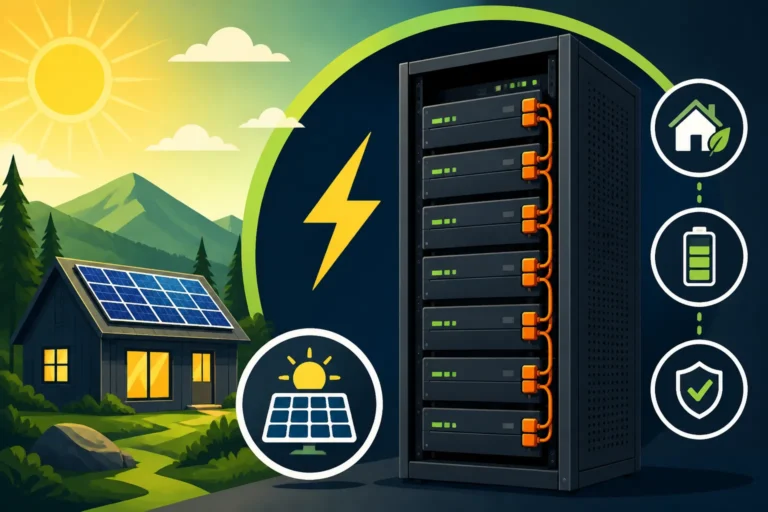
Your low-frequency inverter doesn't work in isolation; it's part of a finely tuned orchestra of components. The quality and capacity of your battery bank are paramount. Even the best inverter can't perform well if it's connected to an undersized or failing battery bank. Choose batteries that are suitable for deep cycling and have enough capacity to meet your daily energy needs and provide several days of autonomy during cloudy weather. Lithium iron phosphate (LiFePO4) batteries are increasingly popular for off-grid due to their long lifespan, high efficiency, and deep discharge capabilities, though lead-acid options remain viable for some budgets.
Equally important is your charge controller, which manages the power flow from your solar panels to your batteries. An MPPT (Maximum Power Point Tracking) charge controller is almost always the preferred choice for off-grid systems, as it is significantly more efficient at harvesting power from your solar array, especially in varying light conditions. The charge controller needs to be correctly sized to your solar array and compatible with your battery chemistry and voltage. When learning how to wire an off-grid solar system, remember that the charge controller is the bridge between your panels and batteries, ensuring they communicate effectively to keep your power flowing smoothly. Each component plays a vital role in ensuring your low-frequency inverter has the clean, consistent power it needs to reliably energize your off-grid home.
| Low-Frequency Inverter Model (Example) | Continuous Power (Watts) | Peak Surge (Watts) | Voltage | Integrated Charger | Typical Price Range | Best For |
|---|---|---|---|---|---|---|
| Victron MultiPlus-II 48/5000/70-50 | 5000 | 10000 | 48V | Yes (70A) | $2,000 – $3,000 | Full-time homes, heavy loads, premium reliability |
| Outback Radian GS4048A | 4000 | 8000 | 48V | Yes (60A) | $2,500 – $3,500 | Large homes, robust performance, harsh environments |
| AIMS Power 5000W 48V Pure Sine | 5000 | 15000 | 48V | Yes (60A) | $1,200 – $1,800 | Budget-conscious, high surge, general off-grid |
| Renogy 3500W 12V/24V/48V Inverter Charger | 3500 | 7000 | 12V, 24V, 48V | Yes (up to 120A) | $800 – $1,500 | RVs, smaller cabins, integrated solution, DIY |
Note: Prices are estimates and can vary based on retailer, promotions, and specific model features.
Disclaimer
The information provided in this guide is intended for general informational purposes only and does not constitute professional advice. Off-grid solar system design and installation can be complex and involve electrical hazards. Always consult with qualified professionals, adhere to local electrical codes, and prioritize safety when working with electricity. The author and publisher are not responsible for any actions taken based on the information in this guide.