Dakota Lithium Battery Review for Off-Grid Solar
One of the biggest headaches for anyone embracing the off-grid lifestyle is ensuring a reliable, long-lasting power supply. Nothing quite dashes the dream of independence like a dead battery bank, especially when you're counting on it for everyday essentials or those little comforts. That's why choosing the right batteries is absolutely critical. This guide will take a deep dive into Dakota Lithium batteries, exploring their features, performance, and whether they're truly the game-changer many off-gridders claim them to be for a stable, worry-free power system.
The Enduring Appeal of Lithium for Off-Grid Living
For years, lead-acid batteries were the only real option for off-grid power storage, despite their undeniable drawbacks. They were heavy, had a relatively short lifespan, and you could only really use about half their stated capacity without seriously shortening their life. Then came lithium, specifically Lithium Iron Phosphate (LiFePO4), offering a breath of fresh air for those seeking true energy independence.
LiFePO4 batteries brought a whole new level of performance to the table. They're lighter, last significantly longer, and allow for much deeper discharges without damage. This means you get more usable energy from a smaller, lighter package. For anyone with limited space, like in an RV or a tiny home, or those who simply want to maximize their investment, the benefits are clear. Understanding why these batteries are so advantageous is the first step in appreciating what a brand like Dakota Lithium offers. If you're weighing your options, diving into a comparison of LiFePO4 vs Lead-Acid Battery Cost can really highlight the long-term value.
Why LiFePO4 Changed the Game for Off-Grid Power
The shift from traditional lead-acid to LiFePO4 batteries wasn't just an upgrade; it was a revolution for off-grid power systems. Imagine trying to power your remote cabin or RV with bulky lead-acid batteries that needed constant monitoring and could only be discharged to about 50% without doing irreversible damage. It was a constant balancing act, and often, you'd end up needing a much larger battery bank than you actually had usable capacity for, leading to higher upfront costs and more maintenance.
LiFePO4 batteries, by contrast, can be discharged to 80% or even 100% in some cases without significant impact on their lifespan. This dramatically reduces the physical space and weight required for a given amount of usable energy, which is a massive plus for mobile applications or smaller off-grid setups. Furthermore, their voltage remains remarkably consistent throughout the discharge cycle, meaning your appliances get stable power right up until the battery is almost depleted, unlike lead-acid batteries which experience significant voltage sag. This consistency makes a huge difference in how your sensitive electronics perform.
The Problem with Cold Weather Performance in Traditional Batteries
One of the most frustrating aspects of relying on lead-acid batteries in an off-grid setup, especially in seasonal or colder climates, is their abysmal performance in low temperatures. As the mercury drops, lead-acid batteries lose a significant chunk of their capacity and struggle to accept a charge efficiently. This can leave you in a real bind during winter months, where solar production might already be lower, and your battery bank is simultaneously underperforming.
Picture this: it's a chilly December morning at your off-grid cabin in the mountains, and your lead-acid batteries, which worked fine all summer, are now only giving you half the power you need. Charging them effectively requires specific temperature ranges, and ignoring this can lead to sulfation and premature failure. This constant worry about temperature limits has pushed many off-gridders to seek more robust solutions, and this is precisely where advanced LiFePO4 batteries, like those offered by Dakota Lithium, step in to fill a critical need with their improved cold-weather capabilities. If you're building out a new system, considering How to Size an Off-Grid Battery Bank with these climate factors in mind is paramount.
Diving Deep into Dakota Lithium Battery Features
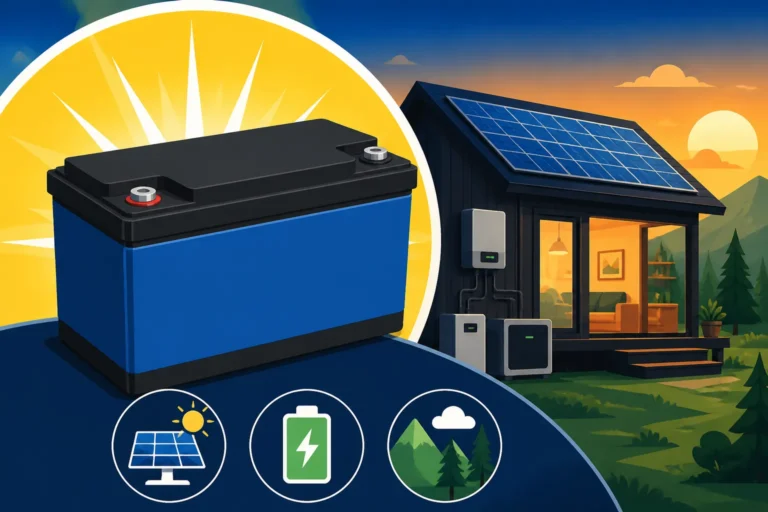
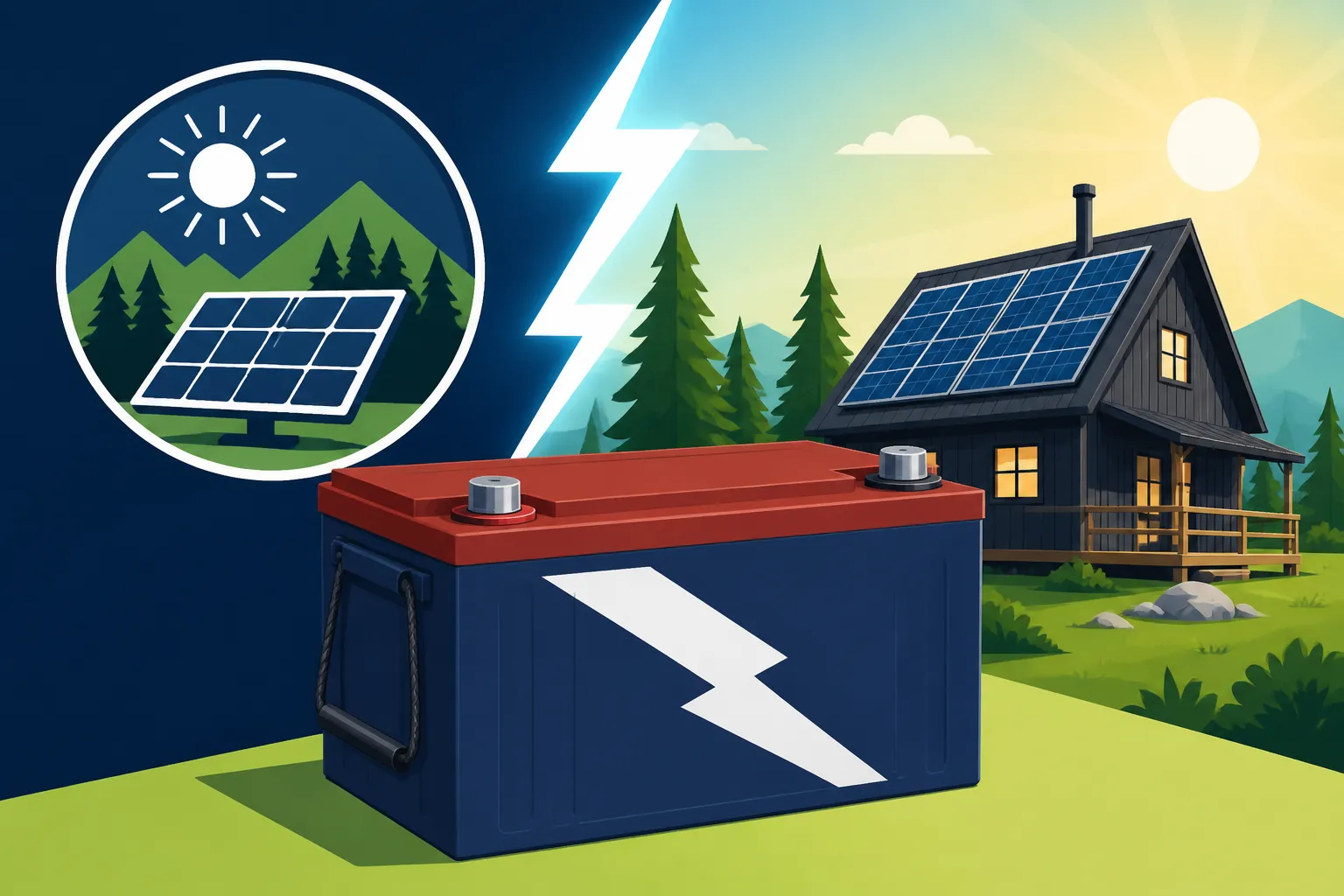
Dakota Lithium has carved out a strong reputation in the off-grid and deep-cycle battery market, particularly for applications where reliability, light weight, and sustained power are non-negotiable. Their focus is squarely on LiFePO4 technology, and they've invested in features that specifically address the challenges of off-grid use, marine environments, and RV living.
What sets them apart often boils down to their robust Battery Management Systems (BMS) and their commitment to cold-weather performance. Unlike some generic lithium batteries you might find on Amazon, Dakota Lithium prides itself on designing batteries that can withstand tougher conditions. For example, many of their batteries include internal heating elements, allowing them to charge even in freezing temperatures – a huge advantage for year-round off-gridders.
Advanced Battery Management Systems
At the heart of every quality LiFePO4 battery lies its Battery Management System, or BMS. This isn't just a fancy circuit board; it's the brain of your battery, silently working to ensure its safety, longevity, and optimal performance. For off-grid applications, a sophisticated BMS is non-negotiable, and Dakota Lithium batteries typically come equipped with advanced systems.
A good BMS protects the battery from a multitude of potential issues: overcharging, over-discharging (which would drastically shorten life), overcurrent, and extreme temperatures. It also balances the cells, ensuring that each individual cell within the battery pack charges and discharges evenly, which is crucial for overall pack health and extended lifespan. Without a robust BMS, even the best lithium cells can be quickly damaged by improper use or environmental conditions. This internal guardian is one of the primary reasons why these batteries are considered a premium, reliable choice for demanding off-grid power needs.
Superior Cold Weather Performance
One of the standout features that many off-gridders rave about with Dakota Lithium batteries is their exceptional cold-weather performance. As we touched on earlier, traditional batteries falter dramatically when temperatures drop. Dakota Lithium has directly addressed this pain point with many of their models, integrating advanced technology that allows their batteries to charge and discharge efficiently even in freezing conditions.
Many Dakota Lithium batteries come with a built-in low-temperature protection system. What this means in practice is that the internal BMS will automatically activate an internal heating element if the battery temperature falls below a certain threshold (typically around freezing, 32°F or 0°C). This ensures the battery warms itself to a safe temperature before accepting a charge, preventing damage to the cells. For those living or traveling in cold climates, this feature is an absolute game-changer, eliminating the need for bulky, external heating blankets or constant worry about your battery bank freezing. It means you can confidently rely on your solar charging even when the snow is falling, a level of reliability that’s hard to beat. This feature is a key differentiator when you're looking for the Best Off-Grid Solar Batteries for challenging environments.
Impressive Cycle Life and Longevity
When you're investing in an off-grid solar system, especially the battery bank, you want to know it's going to last. The cycle life of a battery refers to how many times it can be fully discharged and recharged before its capacity significantly degrades. This is where LiFePO4 technology, and Dakota Lithium specifically, truly shine.
Compared to lead-acid batteries, which might offer 300-500 cycles at 50% depth of discharge (DoD), many Dakota Lithium batteries boast cycle lives of 2,000 to 5,000 cycles at 80-100% DoD. This means you could potentially use your battery daily for well over a decade before seeing a significant reduction in capacity. For a permanent off-grid home or a full-time RV setup, this kind of longevity translates directly into huge savings and peace of mind over the long haul. It significantly reduces the frequency and associated Cost to Replace Off-Grid Solar Batteries, making the higher upfront investment more justifiable.
Real-World Performance and User Experiences
It's one thing for a manufacturer to list impressive specifications, but how do Dakota Lithium batteries actually perform when put to the test in real-world off-grid scenarios? The feedback from the off-grid community, from RVers and van lifers to remote cabin owners and marine enthusiasts, generally paints a very positive picture.
Users consistently report the batteries delivering on their promises of long-lasting, stable power. The lightweight nature makes installation much easier, especially in tight spaces. Many testimonials highlight the noticeable difference in voltage stability compared to older lead-acid setups, meaning no more dimming lights or struggling appliances as the battery depletes. The cold-weather charging capability is frequently lauded as a standout feature, saving many from critical power shortages during harsh winters.
Durability in Harsh Off-Grid Environments
Off-grid life isn't always gentle on equipment. From bumpy road travel in an RV to the vibrations of a boat engine, or the simple exposure to fluctuating temperatures in a remote cabin, durability is a non-negotiable trait for any off-grid component, especially batteries. Dakota Lithium batteries are built with this in mind, often featuring ruggedized casings and internal construction designed to withstand more than just sitting quietly in a climate-controlled shed.
Their design often includes a sealed, maintenance-free aspect, meaning you don't have to worry about watering cells or corrosive fumes, which is a common hassle with lead-acid. This makes them ideal for marine applications, RVs, and any setup where regular maintenance isn't always practical. The solid-state nature of LiFePO4, combined with their robust construction and protective BMS, contributes to a battery that can take a beating and keep delivering power, providing real peace of mind to adventurers and homesteaders alike. For more on ensuring your system is robust, look at Off-Grid Solar Maintenance Costs.
Empowering Mobile and Remote Living
For those who embrace the freedom of mobile living – think RVers, van lifers, or boat owners – the advantages of Dakota Lithium batteries are amplified. The lighter weight directly impacts fuel efficiency and allows for more cargo capacity. A smaller physical footprint means more precious storage space for other essentials.
Imagine equipping your van or RV with a battery bank that weighs a fraction of its lead-acid equivalent, while providing significantly more usable power. This translates to longer stays off the grid without needing shore power or a noisy generator. Whether you're powering a mini-fridge, a laptop for remote work, or even an air conditioner for short bursts, Dakota Lithium provides the consistent, reliable energy needed to make truly independent living a reality. Many users have found great success using these batteries in conjunction with a Renogy solar charge controller and panels for a complete, reliable mobile setup, often sourcing components conveniently from online retailers like Amazon.
Customer Support and Warranty Confidence
Beyond the technical specifications, the experience a customer has with a brand's support and warranty can make or break a purchase decision, especially for a significant investment like an off-grid battery bank. Dakota Lithium generally receives positive marks for its customer service and offers a robust warranty, which speaks volumes about their confidence in product longevity.
Most of their LiFePO4 deep cycle batteries come with an 11-year warranty, which is exceptionally long in the battery industry and significantly longer than what you'd typically find for lead-acid alternatives. This extended warranty isn't just a number; it represents a commitment to standing behind their product for thousands of cycles and over a decade of use. Having access to knowledgeable support staff to help with technical questions or troubleshooting issues further enhances the user experience, making the transition to and maintenance of an off-grid lithium system much smoother.
Key Considerations Before Investing in Dakota Lithium
While Dakota Lithium batteries offer a compelling solution for many off-grid power needs, it's essential to approach the investment with a clear understanding of what they entail. Like any major component in your off-grid system, there are factors to consider beyond just the immediate benefits.
The primary hurdle for many is the initial cost. LiFePO4 batteries, including those from Dakota Lithium, command a higher upfront price tag than their lead-acid counterparts. However, this needs to be weighed against their superior lifespan, deeper discharge capabilities, and maintenance-free operation, which can lead to significant savings over the long term. This is a critical point to consider when looking at the Off-Grid Solar Payback Period Explained.
Understanding the Upfront Investment
There's no sugarcoating it: the initial cost of Dakota Lithium batteries, or any quality LiFePO4 battery for that matter, is considerably higher than traditional lead-acid options. You might look at the price tag for a single 100Ah Dakota Lithium battery and find it several times more expensive than a comparable lead-acid AGM battery. This can be a shock for those new to off-grid solar or those on a very tight budget.
However, it's crucial to shift your perspective from just the purchase price to the total cost of ownership. When you factor in the significantly longer lifespan (often 5-10 times that of lead-acid), the ability to use nearly 100% of the rated capacity (meaning you often need fewer Ah of lithium than lead-acid), and the complete lack of maintenance, the economic equation starts to look very different. Over the course of a decade, you might replace lead-acid batteries multiple times, incurring recurring costs for new batteries, shipping, and your time. A single Dakota Lithium bank, by contrast, could last that entire period or longer. This long-term value is a key driver for many choosing to budget for the initial expense, even if it means phasing their off-grid build. For a complete picture of overall expenses, it's worth reviewing a Cost of an Off-Grid Solar Battery Bank.
System Compatibility and Integration
Switching to or installing LiFePO4 batteries like Dakota Lithium isn't just about swapping out battery types; it often requires ensuring your entire off-grid solar system is compatible. While modern charge controllers and inverters are increasingly designed to handle lithium chemistries, older equipment might not be.
Your solar charge controller, for instance, needs to have a specific LiFePO4 charging profile. Charging parameters for lithium are very different from lead-acid, requiring precise voltage and current regulation. Using a charge controller not optimized for lithium can lead to undercharging, overcharging, or damage to the batteries over time. Similarly, some older inverters might not handle the stable voltage of lithium batteries as efficiently, or their low-voltage disconnects might need adjustment. It's always a good idea to check the specifications of your existing components or plan to purchase new ones that are explicitly compatible with LiFePO4. Many components from brands like Victron Energy or Renogy are designed with these considerations in mind, ensuring seamless integration with high-performance batteries. If you are starting a new project, learning How to Install an Off-Grid Battery Bank correctly is essential for system health and safety.
Sizing Your Battery Bank for Optimal Performance
Getting the right size battery bank is paramount for any off-grid system, and it's no different with Dakota Lithium. While their batteries offer more usable capacity per amp-hour than lead-acid, you still need to accurately assess your daily energy needs to avoid under-sizing or over-sizing your system. Under-sizing can lead to frequent deep discharges, putting undue stress on the batteries, while over-sizing can mean unnecessary upfront expense.
Begin by performing a thorough load analysis, listing every appliance you plan to run, its wattage, and how many hours per day it will operate. This will give you your total daily watt-hour consumption. From there, you can calculate the amp-hours required, taking into account your system voltage (12V, 24V, or 48V) and a desired "days of autonomy" – how many days your battery bank can power your essentials without any solar input (e.g., during cloudy weather). Dakota Lithium offers various capacities, from smaller 12V 50Ah batteries suitable for basic setups to larger 48V options for whole-home power, allowing you to tailor your purchase precisely to your needs. This is a crucial step that is covered in depth in guides like How Many Batteries for an Off-Grid System.
Comparing Dakota Lithium to Other Market Options
The market for off-grid batteries has expanded significantly, especially in the LiFePO4 segment. While Dakota Lithium stands out for certain features, it's wise to consider how they stack up against other prominent players. This comparative analysis helps you understand where Dakota Lithium excels and where other brands might offer different advantages, whether that's in price point, specific features, or niche applications.
You'll find a range of LiFePO4 options, from budget-friendly batteries available widely on Amazon to high-end, purpose-built systems from specialized manufacturers. Each comes with its own set of pros and cons, and understanding these differences is key to making an informed decision that aligns with your specific off-grid goals and budget.
Dakota Lithium Versus Other LiFePO4 Brands
The LiFePO4 battery market has become quite competitive, with many brands now offering reliable deep-cycle options. When comparing Dakota Lithium to others like Battle Born, EG4, or even more budget-friendly brands like Renogy, several aspects come into play. Dakota Lithium often distinguishes itself with its focus on ruggedness, cold-weather capabilities (internal heating), and a particularly long warranty (often 11 years). This makes them a strong contender for extreme conditions or applications where maximum durability and longevity are paramount.
Other brands might offer different value propositions. Battle Born, for instance, is another highly respected brand known for its quality and robust build, often at a similar premium price point, with slightly different BMS characteristics. EG4, on the other hand, has gained popularity for its server-rack style LiFePO4 batteries that offer high energy density and are often more cost-effective per kWh for larger, stationary home systems. Meanwhile, brands like Renogy or various white-label options found on Amazon often appeal to the budget-conscious DIYer, providing adequate performance but perhaps lacking some of the advanced features or extensive warranties of the premium brands. Your choice ultimately depends on your budget, specific environmental needs, and desired level of feature integration. When looking at premium choices, checking out the Lithium Battery Brands Worth Buying could be helpful.
When to Consider Other Battery Chemistries
While LiFePO4 batteries, including Dakota Lithium, offer compelling advantages, they aren't the only solution, and in some very specific scenarios, other battery chemistries might still be worth considering. The most common alternative is still lead-acid, particularly AGM (Absorbed Glass Mat) or Gel batteries.
For instance, if your off-grid power needs are extremely minimal and infrequent – perhaps for a small, seasonal hunting cabin where you only run a few lights and charge a phone for a weekend a month – the lower upfront cost of an AGM battery might be more appealing, especially if you're on a very tight budget and don't need maximum longevity. However, even in these cases, the benefits of LiFePO4 in terms of maintenance-free operation and usable capacity often still outweigh the initial price difference over time. Another niche consideration might be flow batteries for very large, grid-scale storage, but these are rarely practical for individual residential off-grid setups. For nearly all practical off-grid solar applications, the long-term value, performance, and peace of mind offered by LiFePO4 batteries make them the superior choice.
Cost-Benefit Analysis for Your Specific Needs
Ultimately, the decision to invest in Dakota Lithium batteries, or any specific off-grid battery solution, comes down to a personalized cost-benefit analysis. You need to weigh the higher upfront cost against the long-term savings, enhanced performance, and reduced maintenance.
For someone living full-time off-grid, where reliability and longevity are paramount, the investment in Dakota Lithium's robust batteries with cold-weather protection often pays dividends many times over. The reduced stress of worrying about power outages or battery degradation in winter is priceless. For a casual user with occasional power needs, a less expensive option might seem appealing initially, but even then, the hassle of lead-acid battery maintenance and shorter lifespan can quickly erode those perceived savings. Consider your specific daily power consumption, local climate, budget constraints, and how long you plan to rely on your off-grid system. This detailed evaluation will help you determine if Dakota Lithium represents the best value for your unique journey toward energy independence. It's truly about finding the sweet spot where How Battery Choice Affects Off-Grid Cost aligns with your lifestyle.
Disclaimer
The information provided in this guide is for general informational purposes only and does not constitute professional electrical or solar engineering advice. Off-grid solar system design and installation can be complex and involve significant electrical hazards. Always consult with qualified professionals and adhere to all local electrical codes and regulations. Battery performance can vary based on usage, temperature, and maintenance.