Best Solar Generators for Off-Grid
Living off the grid, or even just having reliable backup power, often comes with the frustrating reality of relying on noisy, fuel-guzzling generators or facing the uncertainty of power outages. Many aspire to energy independence but feel overwhelmed by complex solar setups. This comprehensive guide is designed to demystify solar generators, helping you understand their core components, how they fit into an off-grid lifestyle, and the best options available to keep your lights on and devices charged, no matter where you are.
Understanding Solar Generators for Off-Grid Use
The idea of generating your own power is incredibly appealing, especially when you’re seeking independence from the utility grid or preparing for emergencies. For many, the concept of “solar power” conjures images of vast arrays of panels and complicated wiring. However, solar generators offer a much more integrated and user-friendly approach, acting as a crucial bridge for those looking for robust, portable power solutions without the intricate setup of a traditional, fixed off-grid system.
What Exactly is a Solar Generator
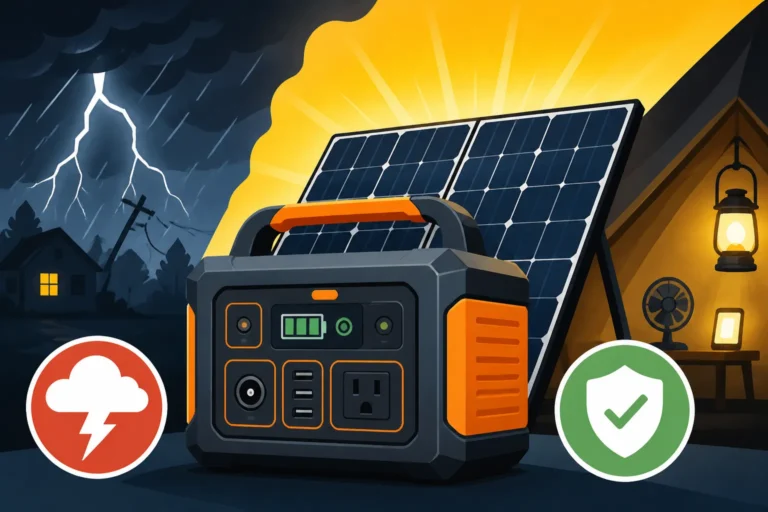
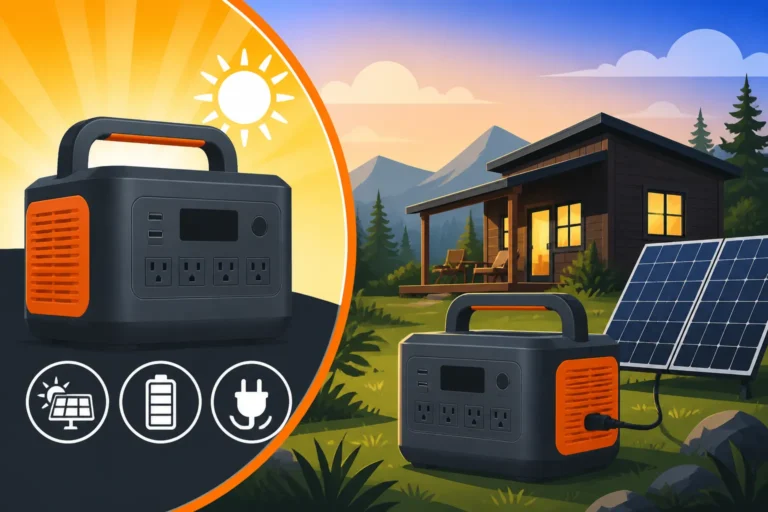
When we talk about a solar generator, we’re not actually talking about a device that *generates* power from the sun itself in the same way a fuel generator burns fuel. Instead, think of it as a complete, self-contained portable power station that includes all the essential components of a basic solar energy system bundled into one convenient unit. This package typically features a substantial battery bank to store energy, an inverter to convert that stored DC power into usable AC electricity for your household appliances, and a charge controller to manage the incoming power from solar panels. Some models even have a built-in AC charger, allowing you to top up the battery from a wall outlet or even a vehicle’s 12V port.
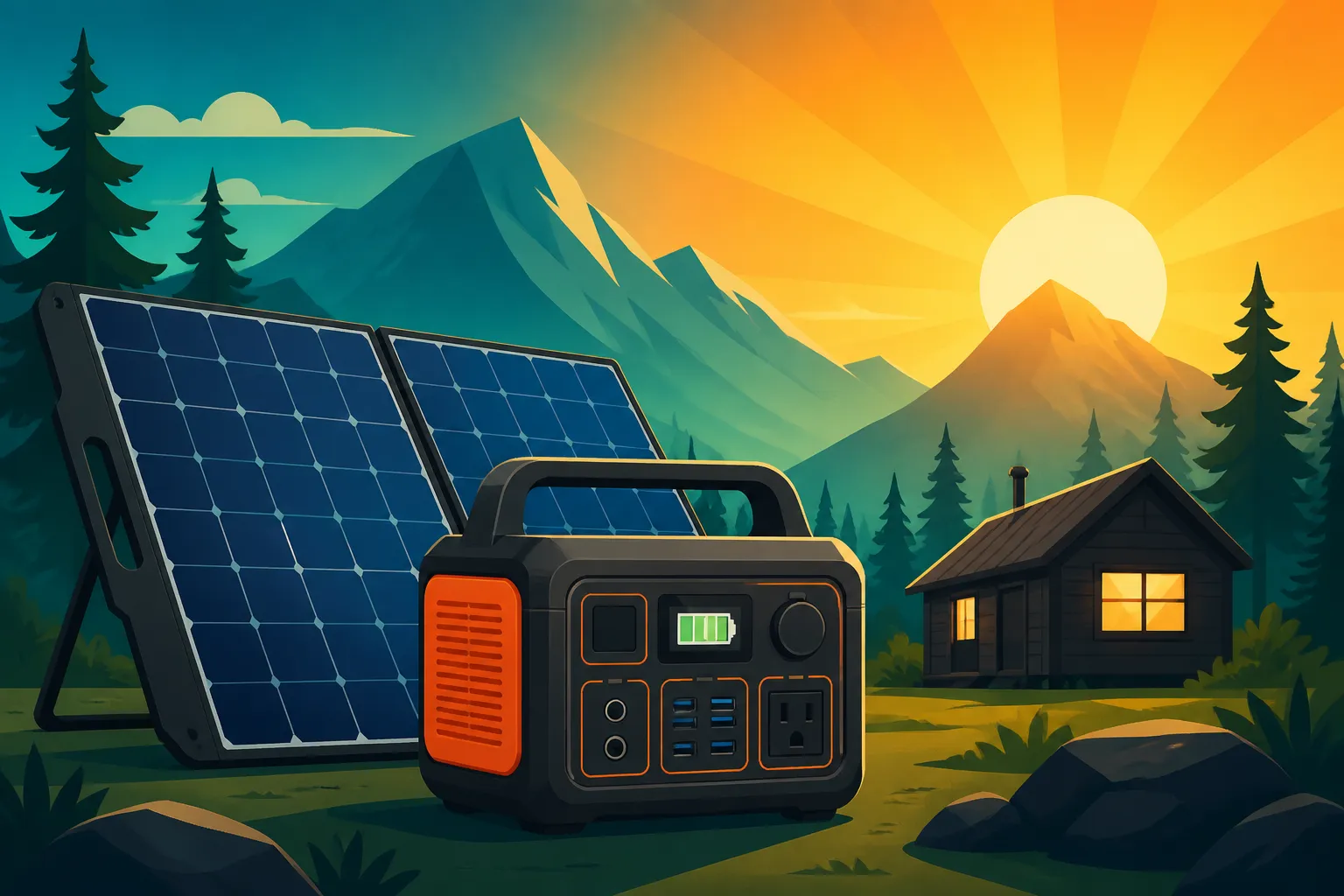
The real magic happens when you connect compatible solar panels to these units. The panels capture sunlight, convert it into DC electricity, and the solar generator's internal charge controller efficiently feeds that power into its battery. This makes for a silent, emissions-free power source that can be recharged indefinitely by the sun, provided you have adequate sunlight. Unlike the traditional noisy gas generators that constantly demand fuel, a solar generator offers a clean and quiet alternative for your power needs, whether you're deep in the wilderness or just dealing with a local grid failure.
Why Choose a Solar Generator for Off-Grid
The allure of solar generators for off-grid applications lies in their sheer simplicity and versatility. For those who are just dipping their toes into the off-grid lifestyle, or perhaps running a remote cabin, an RV, or a van, the thought of designing and installing a full-scale solar system can be daunting. Solar generators bypass much of this complexity. They come pre-assembled, pre-wired, and often ready to use right out of the box, requiring minimal technical know-how to get started. This makes them ideal for temporary setups, mobile applications, or as a foundational piece of a larger, evolving off-grid system.
Beyond ease of use, they offer significant benefits in terms of noise reduction and environmental impact. Imagine enjoying the tranquility of nature at your remote hunting cabin without the constant rumble of a gasoline generator, or powering your sensitive electronics in your RV without worrying about fuel fumes. Furthermore, for situations where a permanent structure isn't feasible or desired, like a temporary worksite or an emergency preparedness kit, a portable solar generator provides essential power without the need for extensive infrastructure. They provide a sense of security and self-reliance that's hard to beat when you're truly disconnected.
Solar Generators vs Traditional Off-Grid Systems
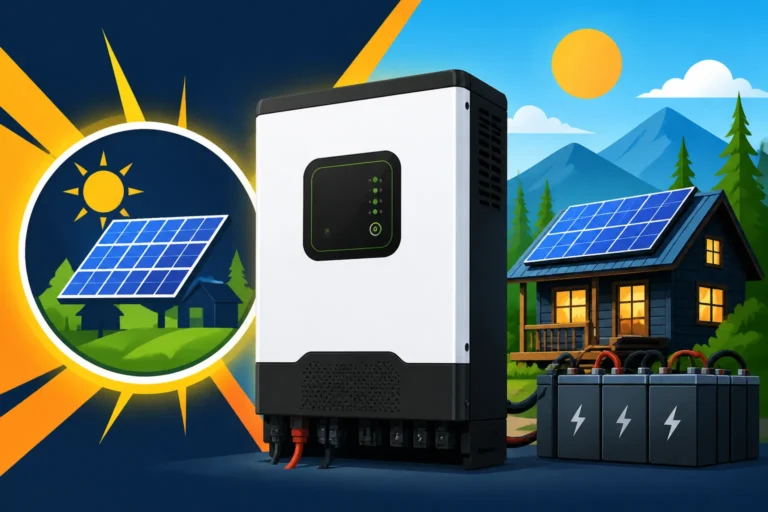
While solar generators are incredibly convenient, it’s important to understand how they differ from a more traditional, custom-built off-grid solar system. A traditional setup typically involves separately purchased components: individual solar panels, a dedicated charge controller, a standalone battery bank (often much larger and modular), and a powerful inverter, all wired together to meet specific, often higher, power demands of a home or larger dwelling. These systems are designed for permanence, scalability, and can handle significantly larger loads, offering true whole-home power.
Solar generators, on the other hand, prioritize portability and integration. Their components are fixed within one chassis, making them less modular and generally less powerful than their custom-built counterparts. They shine in applications where space is limited, power needs are moderate, or mobility is key. Think about powering lights, a mini-fridge, laptops, and charging phones in a small cabin, an RV, or during a camping trip. While a solar generator might power a small, efficient refrigerator for a few days, a traditional off-grid system is built to run an entire household, including high-draw appliances like washing machines, electric stoves, and air conditioners. For a deeper dive into these larger systems, you might want to read our guide on how to size an off-grid solar system.
Key Features to Look for in an Off-Grid Solar Generator
Choosing the right solar generator for your off-grid adventures isn’t just about picking the biggest or most expensive one. It’s about understanding what features truly matter for your specific power needs and how they translate into reliable, long-term performance. Getting this right means the difference between consistent power and frustrating shortages.
Battery Capacity and Chemistry
The heart of any solar generator is its battery, and understanding its capacity and chemistry is paramount. Battery capacity is usually measured in Watt-hours (Wh) or Kilowatt-hours (kWh) and tells you how much energy the generator can store. A 1000Wh unit, for instance, can theoretically run a 100-watt appliance for 10 hours. Your choice here depends entirely on your expected power consumption, so knowing how much power your devices draw is crucial.
When it comes to battery chemistry, you'll primarily encounter Lithium Iron Phosphate (LiFePO4) in modern, high-quality solar generators. While older or cheaper models might still use lead-acid batteries, LiFePO4 batteries are the clear winner for off-grid applications. They offer significantly longer cycle life (meaning they can be charged and discharged many more times before losing capacity), are lighter, more compact, and can be discharged deeper without damage. This translates to a longer-lasting, more reliable, and ultimately more cost-effective power source. For more on this, check out our comparison of LiFePO4 vs Lead-Acid Batteries for Off-Grid. Brands like Renogy and EcoFlow often feature advanced LiFePO4 battery technology in their portable power stations, ensuring durability and performance.
Inverter Output and Type
The inverter is what converts the DC power stored in the battery into the AC power that most of your household appliances use. Two critical aspects to consider are its output wattage and its waveform. The inverter’s continuous output wattage dictates how many watts of AC power it can supply continuously. If you plan to run a 1500-watt coffee maker, you’ll need an inverter with at least that much continuous output. Don’t forget to consider surge wattage, which is the higher, temporary power an inverter can provide for appliances with motors (like refrigerators or power tools) that require a brief spike of power to start up.
Equally important is the inverter's waveform. For off-grid living, you absolutely want a pure sine wave inverter. Pure sine wave output replicates the clean, consistent AC power you get from the utility grid, making it safe for all electronics, especially sensitive ones like laptops, medical devices (e.g., CPAP machines), and high-fidelity audio equipment. Modified sine wave inverters are cheaper but can damage or cause inefficient operation in sensitive electronics, create buzzing in audio equipment, and shorten the lifespan of motors. Always prioritize pure sine wave for any serious off-grid use. If you're looking to understand more about this critical component, our article on How to Choose an Off-Grid Inverter can provide additional insights.
Charging Inputs and Speed
A solar generator’s ability to recharge efficiently is just as important as its ability to discharge. Look for units that offer multiple charging options. The primary method for off-grid will be solar input, so check the maximum solar input wattage the unit can handle. A higher wattage input means faster charging from solar panels, which is crucial during shorter daylight hours or cloudy periods. Ensure the solar charging port is compatible with standard solar panel connectors, often MC4, or that appropriate adapters are included.
Beyond solar, AC wall charging is a standard backup, allowing you to top up the battery from grid power (if available) before heading out or during an extended cloudy spell. Some generators also feature 12V car charging, which is incredibly useful for topping up while driving an RV or vehicle. Pay attention to the charging speed for each method; faster charging means less downtime. Many modern solar generators boast rapid charging capabilities, significantly reducing the time it takes to get back to full power.
Portability and Durability
For many off-grid scenarios, portability is a significant factor. Whether you’re moving the unit from your cabin to a workshop, packing it in your RV, or carrying it to a remote campsite, weight and form factor matter. Look for sturdy handles, and if it’s a heavier unit, wheels can be a lifesaver. Dimensions are also important to ensure it fits into your designated storage space.
Durability is another non-negotiable trait for off-grid equipment. Your solar generator will likely face various environmental challenges, from dust and dirt to temperature fluctuations. Look for robust construction, high-quality plastics or metal casings, and solid port covers. While few are truly waterproof, a good level of splash resistance can be a huge plus if you anticipate outdoor use or exposure to the elements. Reading reviews and checking user experiences on sites like Amazon often provides great insight into real-world durability.
Output Ports and Connectivity
A solar generator is only useful if it can connect to your devices. Check the variety and number of output ports. You’ll typically find a mix of AC outlets (standard household plugs), USB-A and USB-C ports (including Power Delivery for fast-charging laptops and phones), and 12V DC car ports. The number of each type determines how many devices you can power simultaneously.
Some advanced units offer wireless charging pads, further enhancing convenience. For larger systems, some solar generators can integrate with an existing transfer switch for home backup, though this is less common for portable units. Others might offer companion apps for monitoring performance, battery status, and adjusting settings via Bluetooth or Wi-Fi, which can be a game-changer for remote management and troubleshooting.
Sizing Your Solar Generator for Off-Grid Needs
One of the biggest hurdles for anyone considering off-grid power is figuring out just how much power they actually need. It’s a bit like packing for a trip – you don’t want to bring too little and be uncomfortable, but you also don’t want to overpack and haul unnecessary weight or expense. Sizing your solar generator correctly is critical to ensure you have consistent power without overspending on capacity you won’t use.
Calculating Your Daily Energy Consumption
This is the foundational step in sizing any off-grid power system. You need to create a detailed list of every electrical device you plan to power, how many watts each device consumes, and for how many hours per day you’ll be using it. Don’t guess; look at appliance labels, user manuals, or use a watt-meter (often called a “kill-a-watt” meter) to measure actual consumption.
For example, a typical LED light bulb might use 10 watts for 4 hours a day (40 Wh). A laptop charger might draw 60 watts for 3 hours (180 Wh). A small mini-fridge could use 50 watts but cycle on and off, averaging perhaps 250-500 Wh over 24 hours depending on insulation and ambient temperature. Be realistic about your usage habits. Sum up all these daily watt-hour figures to get your total daily energy consumption. For instance, if your calculation reveals you need 1500 Watt-hours (1.5 kWh) per day, that's your target. For a more detailed walkthrough, our guide on How to Calculate Daily Energy Usage is an excellent resource.
Determining Days of Autonomy
Days of autonomy refers to how many days your battery bank can power your essential loads without any additional charging from solar panels or other sources. This is a critical factor for off-grid living, especially in regions prone to extended cloudy weather, heavy snowfall, or short winter daylight hours. If you live in an area with frequent overcast days, you might want 3-5 days of autonomy, meaning your solar generator’s battery should be able to sustain your calculated daily load for that many days.
For instance, if your daily consumption is 1.5 kWh, and you want 3 days of autonomy, you'd ideally need a battery bank with at least 4.5 kWh of usable capacity. Remember that LiFePO4 batteries can be discharged deeper than lead-acid batteries, usually down to 80-90% without significant harm, while lead-acid batteries should only be discharged to 50% to maximize their lifespan. This usable capacity is what really matters. Don't forget that winter performance for solar panels can be significantly reduced, so factoring in seasonal variations is key. You might also find value in understanding how many batteries for an off-grid system are needed.
Matching Generator Capacity to Your Loads
Once you have your total daily energy consumption (in Wh or kWh) and your desired days of autonomy, you can start to match it against available solar generator capacities. If you need 1.5 kWh/day and want 2 days of autonomy, you’re looking for a solar generator with at least 3000 Wh (3 kWh) of usable battery capacity. This provides a buffer and accounts for inefficiencies. Always round up if you’re between sizes; it’s better to have a little more power than to constantly be running on empty.
Beyond daily consumption, don't forget the peak instantaneous power draw (surge wattage) of your highest-demand appliance. If your well pump needs 2000 watts for a few seconds to start, your solar generator's inverter must be capable of providing that surge, even if its continuous output is lower. Compare this surge requirement against the inverter specifications of potential solar generators. Many manufacturers, like EcoFlow or Bluetti, clearly list both continuous and surge wattage in their product descriptions, making it easier to select the right fit.
| Feature | Small Portable (e.g., 500Wh) | Mid-Range (e.g., 2000Wh) | High-Capacity (e.g., 5000Wh+) |
|---|---|---|---|
| Typical Use Case | Camping, Phones, Laptops, Drones | RVs, Small Cabins, Emergency Backup | Whole Home Backup, Full-Time Off-Grid |
| Battery Chemistry | LiFePO4 or NMC | Primarily LiFePO4 | Primarily LiFePO4 |
| Inverter Output | 300-600W Continuous | 1500-2500W Continuous | 3000W+ Continuous |
| Solar Input | 100-200W Max | 400-800W Max | 1000W+ Max |
| Weight | 10-20 lbs | 30-60 lbs | 100+ lbs (often with wheels) |
| Typical Cost | $300 – $800 | $1,500 – $3,000 | $4,000+ |
| Key Advantage | Max portability, basic power | Versatile, good for essential loads | Robust, can run larger appliances |
Top Solar Generator Brands and Models for Off-Grid
The market for solar generators has exploded in recent years, with numerous brands vying for your attention. Navigating this landscape can feel overwhelming, but a few key players have consistently delivered reliable and feature-rich options that are well-suited for off-grid living, whether you’re looking for robust whole-home backup or a nimble power source for your mobile adventures.
High-Capacity Powerhouses for Whole-Home Backup
When your off-grid needs extend beyond charging small devices to powering essential household appliances like refrigerators, freezers, well pumps, or even a mini-split air conditioner, you’ll need a high-capacity solar generator. These units are designed to handle larger loads and store significantly more energy, often boasting battery capacities of 3,000Wh (3kWh) or more and inverters with 3,000W+ continuous output.
Brands like EcoFlow and Bluetti are at the forefront of this category. The EcoFlow Delta Pro, for example, is a modular beast with a base capacity of 3.6 kWh, expandable up to an incredible 25 kWh with additional batteries. Its 3600W AC output (with a 7200W surge capability) can comfortably run most household appliances, and its X-Stream charging technology allows for incredibly fast AC charging. Similarly, the Bluetti AC500 (paired with B300S expansion batteries) offers a 5000W continuous output and is also highly expandable. These systems are often seen as a significant step up from smaller portable units, often qualifying for tax credits, and can act as a serious contender for situations where extending power lines is prohibitively expensive, as discussed in Off-Grid Solar Cost vs Utility Extension Cost. While they're a substantial investment, their robust capabilities offer true energy independence. You can often find a wide selection of these powerful units on platforms like Amazon.
Mid-Range Options for Cabins and RVs
For those living in smaller off-grid cabins, enjoying full-time RV life, or needing robust backup for critical loads during outages, mid-range solar generators hit a sweet spot between capacity, portability, and price. These units typically offer battery capacities between 1,000Wh and 3,000Wh and inverter outputs from 1,000W to 2,500W, making them perfect for running refrigerators, microwaves, small power tools, and all your electronics.
The Jackery Explorer 2000 Plus and Bluetti AC200MAX are popular choices in this segment. The Jackery Explorer 2000 Plus provides 2kWh of power and can be expanded with additional battery packs, featuring a pure sine wave inverter capable of 2200W continuous output, with excellent surge capability. The Bluetti AC200MAX is another formidable option, offering 2.048 kWh capacity with a 2,200W inverter, and can also be expanded with additional battery modules. These generators are often a primary power source for those who embrace the mobile lifestyle, providing enough juice for essential appliances and comfort. They offer a more manageable footprint and weight than the high-capacity systems, making them ideal for moving between locations or easily integrating into an existing vehicle setup. For more specific guidance, consider looking into the best off-grid solar kit for an RV or the cost to power a cabin with solar.
Portable Solutions for Van Life and Camping
For minimalists, weekend adventurers, or those seeking power for basic necessities during van life or camping trips, smaller, highly portable solar generators are the way to go. These units generally range from 200Wh to 1,000Wh in battery capacity and have inverters with 200W to 1,000W continuous output. They are perfect for charging phones, laptops, cameras, running small lights, portable fans, and even a small cooler or CPAP machine.
Brands like Goal Zero and Renogy excel here. The Goal Zero Yeti 500X or Yeti 1000 Core are popular for their rugged design and ease of use, offering enough power for a few days of essential device charging. Renogy, known for its wider range of solar components, also offers portable power stations that integrate seamlessly with their solar panels, making it easy to build a cohesive mobile power system. These smaller units are typically lightweight, easy to transport, and can often be recharged quickly with a single portable solar panel. They are an excellent starting point for those looking to experience the benefits of solar power without committing to a larger system. Their compact size means they fit easily into tight spaces, making them invaluable for quick trips or as part of a smaller emergency kit.
Pros and Cons of Using Solar Generators Off-Grid
While solar generators offer an attractive solution for many off-grid power needs, it’s essential to approach them with a balanced perspective. Like any technology, they come with a distinct set of advantages that make them highly desirable, alongside certain limitations that might necessitate careful planning or alternative solutions.
Advantages of All-in-One Units
One of the most compelling advantages of solar generators is their unparalleled convenience. Unlike building a traditional off-grid system where you’re sourcing panels, batteries, inverters, and charge controllers separately, then laboriously wiring them all together, a solar generator comes as a fully integrated, plug-and-play unit. This drastically simplifies the setup process, making them accessible even to those with minimal electrical knowledge. You typically just connect your solar panels to the input port, and you’re good to go. This ease of installation significantly reduces the time and effort required to get power up and running, which can be a huge relief for novices or those with limited time.
Furthermore, their portability is a massive plus. Whether you're moving your power source from your cabin porch to a remote workshop, taking it on a camping trip, or stashing it in your RV, the self-contained nature of a solar generator makes transportation simple. Many models, especially the mid-to-high capacity ones, come with wheels and telescoping handles, making relocation even easier. This flexibility allows you to adapt your power supply to various locations and changing needs, a luxury not always afforded by fixed solar installations. Lastly, they are clean and quiet. Forget the incessant roar and exhaust fumes of a gas generator; solar generators operate silently and produce zero emissions, making them ideal for peaceful natural environments or indoor use during emergencies.
Limitations and Potential Drawbacks
Despite their many benefits, solar generators do have certain limitations that off-gridders should be aware of. The most significant drawback for larger off-grid applications is often their inherent scalability. While some high-end models offer modular battery expansion, they generally aren’t as customizable or expandable as a traditional, component-based off-grid system. You’re typically limited to the inverter size and battery chemistry chosen by the manufacturer, which might not always align with rapidly growing power demands or specific, high-wattage appliance requirements. If you envision a future where you’ll be adding major appliances or substantially increasing your power consumption, a solar generator might eventually become a bottleneck, potentially leading you down a path of buying multiple smaller units rather than one seamlessly integrated large system. For those considering long-term growth, understanding the lifetime cost of an off-grid solar system is important.
Another consideration is the upfront cost relative to raw capacity. Pound for pound, or rather, Watt-hour for Watt-hour, a custom-built DIY battery bank and inverter setup can sometimes offer more power for your money, especially if you're comfortable with electrical work. Solar generators often carry a premium for their convenience, integration, and user-friendliness. While this premium is often worth it for the right use case, it's a factor to weigh against your budget and technical comfort level. For instance, while a Renogy portable power station offers fantastic convenience, building a system with individual Renogy components might provide more granular control and cost efficiency for a fixed installation. Also, consider the single point of failure; if one component inside the sealed unit fails, the entire generator might need repair or replacement, whereas in a traditional system, individual components can be swapped out.
Integration and Expansion of Solar Generators
Even though solar generators are known for their all-in-one simplicity, they’re not necessarily a closed system. Many models offer surprising flexibility for integration into larger power setups or for expanding their capabilities as your energy needs evolve. Understanding these options can help you maximize your investment and ensure your power solution grows with you.
Connecting to an Existing Solar Setup
While solar generators are self-contained, they can often complement or even integrate with existing solar infrastructure. For instance, if you already have a small solar array feeding a separate battery bank for specific DC loads, a solar generator can be introduced to handle AC loads or act as a powerful, portable backup. Some high-capacity solar generators, especially from brands like EcoFlow and Bluetti, have robust solar input capabilities that can utilize a significant portion of a larger existing solar array. You might be able to redirect output from a portion of your existing solar panels to your solar generator, effectively giving you another, more portable, battery bank and inverter for particular applications.
In situations where you have a modest existing solar setup in a cabin or RV, a solar generator can act as the primary inverter and battery bank for heavier loads, leaving your smaller system to handle minimal background power. It’s all about load shedding and distribution. This approach can be particularly useful for temporary power boosts or for segregating essential loads from less critical ones. For example, if your cabin’s main system struggles with a microwave, a dedicated solar generator could handle that brief, high-draw appliance without stressing your core system. This adaptability allows for a more robust and resilient off-grid energy strategy.
Adding More Battery Capacity or Solar Panels
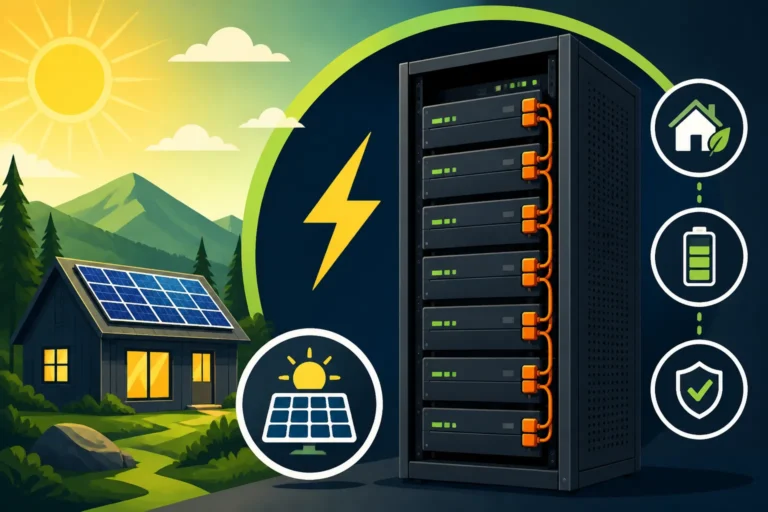
Many modern solar generators are designed with expandability in mind. This is particularly true for mid-range and high-capacity units. The most common form of expansion is adding external battery packs. Brands like Bluetti and EcoFlow offer specific expansion batteries that can be daisy-chained to the main unit, significantly increasing your total Watt-hour capacity. This is a fantastic feature for those whose power needs might grow over time, or for individuals wanting to increase their days of autonomy without replacing their entire solar generator. For example, the Bluetti AC200MAX can connect to two B230 or B300 battery modules, effectively tripling or quadrupling its base capacity. This modular approach also makes it easier to budget for an off-grid solar system, allowing you to start smaller and scale up as funds and needs dictate.
Beyond battery capacity, you can almost always expand your solar charging capability. Most solar generators have a maximum solar input wattage. As long as you stay within that limit, you can add more solar panels to charge the generator faster. This is incredibly useful for shortening recharge times, especially during cloudy weather or shorter winter days. If your generator has a maximum 400W solar input, you can connect multiple 100W panels in series or parallel (depending on voltage requirements) to reach that 400W, significantly improving charging performance compared to a single panel. Understanding how to wire panels in series vs parallel is key here. Just be sure the voltage and amperage of your panel array are compatible with your generator's specifications.
Using a Solar Generator as a Backup for a Primary System
For many off-gridders, a solar generator serves not as the primary power source, but as a critical backup to their main, usually larger, off-grid solar system or even a grid-tied home. This “belt-and-suspenders” approach offers an extra layer of security and resilience. If your main off-grid battery bank experiences an issue, or if you simply need power in a remote area away from your main setup, a fully charged solar generator can step in to keep essential devices running.
In a grid-tied home, a solar generator can be an invaluable asset during power outages. Instead of grappling with a noisy gas generator, you can simply wheel out your pre-charged solar generator to power your refrigerator, lights, and communication devices. Some high-capacity models can even integrate with a home's existing electrical panel via a transfer switch, providing seamless backup power to select circuits. This can eliminate the need for costly whole-home battery backup systems if your backup needs are moderate. For those thinking about robust emergency preparedness or supplementing their existing setup, the idea of a portable power solution ready to deploy offers immense peace of mind.
Maintenance and Longevity of Your Off-Grid Solar Generator
Investing in a solar generator for your off-grid lifestyle is a significant decision, and like any valuable piece of equipment, it thrives with proper care. Ensuring its longevity and optimal performance involves some straightforward maintenance practices that can prevent issues and extend its useful life for many years. Neglecting these simple steps can lead to premature failure and costly replacements.
Battery Care and Cycles
The battery is arguably the most critical and often the most expensive component within your solar generator. Most modern solar generators use LiFePO4 batteries, which are known for their excellent cycle life, typically ranging from 2,500 to 3,500 cycles to 80% capacity. A “cycle” is one full discharge and recharge. To maximize these cycles, avoid consistently running the battery down to 0% if possible. While LiFePO4 can handle deep discharges, routinely cycling them between 20% and 80% can sometimes extend their overall lifespan.
Storing your solar generator at a moderate charge level (around 50-70%) is generally recommended for long periods of inactivity, as storing them fully charged or fully depleted can stress the cells. Additionally, pay attention to temperature. Extreme heat or cold can degrade battery performance and life. Keep your generator in a protected environment, away from direct sunlight or freezing temperatures. If you operate it in very cold conditions, some units have heating elements, but generally, bringing it indoors when not in use can significantly help preserve battery health. Regularly check the battery management system (BMS) readings, if available, for any anomalies. Our article on Off-Grid Solar Maintenance Costs also highlights the long-term implications of battery care.
Panel Cleaning and Inspection
The solar panels you connect to your generator are its lifeline for recharging. Dirty panels mean reduced efficiency, directly impacting how quickly and effectively your generator can replenish its battery. Make it a habit to regularly inspect and clean your solar panels. Dust, dirt, pollen, bird droppings, and even leaves can significantly reduce the amount of sunlight reaching the photovoltaic cells.
Cleaning is usually simple: use a soft brush or sponge with plain water, or a mild, non-abrasive soap for stubborn grime. Avoid harsh chemicals or abrasive materials that could scratch the panel surface. The best time to clean them is in the early morning or late evening when the panels are cool to the touch, preventing thermal shock or streaks from rapidly drying water. Beyond cleaning, periodically inspect the panel frames for corrosion, mounting hardware for looseness, and cables for any signs of wear, fraying, or rodent damage. Ensure all connections, especially MC4 connectors, are securely fastened and free of debris. A quick visual check can often catch small issues before they become big problems.
Software Updates and Troubleshooting
Many advanced solar generators are equipped with sophisticated internal electronics and firmware that manage everything from charging algorithms to inverter output. Just like your smartphone or computer, these systems can benefit from occasional software or firmware updates provided by the manufacturer. These updates often improve efficiency, enhance features, fix bugs, or even add new compatibility options. Check your generator’s user manual or the manufacturer’s website (or associated app) regularly for available updates and follow their instructions carefully.
Beyond updates, knowing some basic troubleshooting steps can save you a lot of frustration. If your generator isn't charging, check all cable connections, ensure panels are in direct sunlight, and verify there are no error codes on the display. If it's not powering devices, check the output port's switch (many have separate AC/DC power buttons), confirm the device isn't exceeding the inverter's wattage limit, and ensure the battery isn't depleted. Familiarize yourself with the error codes in your manual, as these can pinpoint specific issues. For complex problems, consulting the manufacturer's support or online forums (like those you might find on Amazon product pages for specific brands) can often provide solutions.
Real-World Scenarios and Use Cases
Solar generators aren’t just theoretical power sources; they’re incredibly practical tools solving real-world challenges for off-gridders, adventurers, and those seeking energy independence. Looking at how people actually use them can help you envision how one might fit into your own life.
Powering a Remote Cabin
Imagine owning a rustic cabin deep in the woods of northern Michigan, far beyond the reach of the utility grid. For years, you might have relied on kerosene lamps and a noisy, smelly gasoline generator for occasional power needs. A mid-range solar generator, like a Bluetti AC200MAX, completely transforms this experience. You can set up a few portable solar panels outside, easily connecting them to the generator. This setup can then silently power LED lights throughout the cabin, run a small, energy-efficient mini-fridge to keep perishables fresh, charge your laptop for evening entertainment or remote work, and keep your phone topped up for emergencies.
No more hauling jerry cans of gasoline through the wilderness; just clean, quiet power from the sun. On sunny days, the generator keeps itself topped off, providing continuous power. For a few cloudy days, the stored battery capacity ensures your essentials remain powered. This kind of setup provides comfort and convenience, transforming a rustic retreat into a truly functional living space. The ability to just plug in and go, without complex wiring, makes it a favorite for many cabin owners. For further reading, explore our guide on the best solar generator for a cabin.
Full-Time RV and Van Life
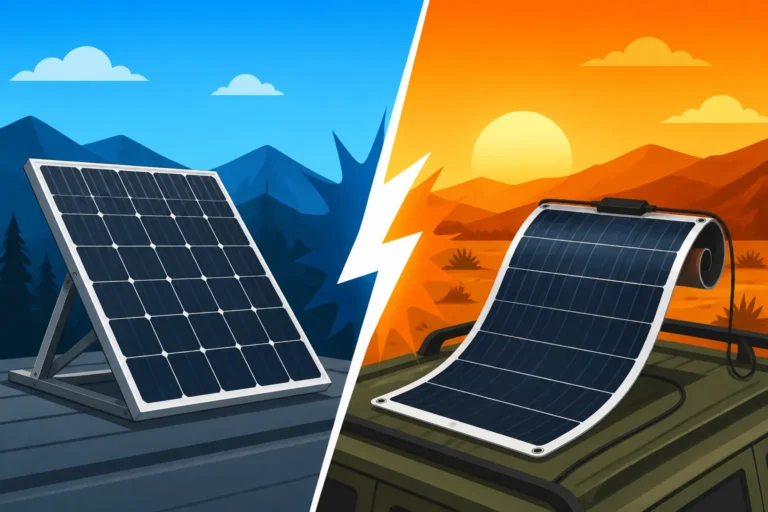
For those who embrace the freedom of the open road, whether in a sprawling RV or a minimalist camper van, consistent power is not just a luxury but a necessity. Full-time RVers need reliable electricity for cooking, climate control, entertainment, and communication. A high-capacity solar generator like the EcoFlow Delta Pro or a similar system becomes the backbone of their mobile electrical system. Picture a couple traveling across the Arizona desert in their Sprinter van. They have a few hundred watts of flexible solar panels mounted on the roof, feeding into their Delta Pro.
This setup allows them to run an efficient 12V refrigerator, keep their induction cooktop humming for meals, power a fan or even a small portable AC unit for comfort during warm afternoons, and charge all their camera gear, drones, and laptops for their adventure blogging. When they stop at a campground with shore power, they can quickly recharge the generator from the grid, but for days on end, boon-docking in remote locations, the solar generator provides true independence. It eliminates the need for a separate inverter, charge controller, and large battery bank installation, saving space and simplifying the build. This seamless integration of power allows them to truly live off the grid while enjoying modern comforts.
Emergency Home Backup
Even if you’re firmly on the grid, severe weather events, infrastructure failures, or planned outages can plunge your home into darkness. This is where a solar generator shines as an emergency backup solution. Imagine a family in a suburban home in Florida facing a hurricane. With the grid down for days, a robust solar generator can be a lifesaver. Before the storm, they can fully charge their Bluetti EP500 from a wall outlet.
When the power goes out, they can wheel out the generator and plug in their critical appliances. This means keeping the refrigerator and freezer running to save hundreds of dollars in spoiled food, powering a few lights so they're not fumbling in the dark, running a fan to circulate air, and charging phones and tablets to stay connected and informed. If the sun comes out during the day, they can deploy portable solar panels to slowly recharge the unit, extending their backup power indefinitely. This prevents the scramble for gas, the noise, and the carbon monoxide risks associated with traditional fuel generators, offering a much safer, quieter, and cleaner way to navigate power disruptions. It’s an ideal solution for peace of mind, proving that preparedness doesn't have to mean complicated or noisy solutions.
Disclaimer
The information provided in this guide is for general informational purposes only and does not constitute professional advice. While we strive to offer accurate and up-to-date content, off-grid solar system design, installation, and maintenance can be complex and involve electrical hazards. Always consult with qualified electricians or solar professionals for specific system sizing, installation, and safety considerations. Always adhere to local electrical codes and permitting requirements. We are not responsible for any actions taken based on the information presented herein.