How Batteries Drive Off-Grid Solar Cost
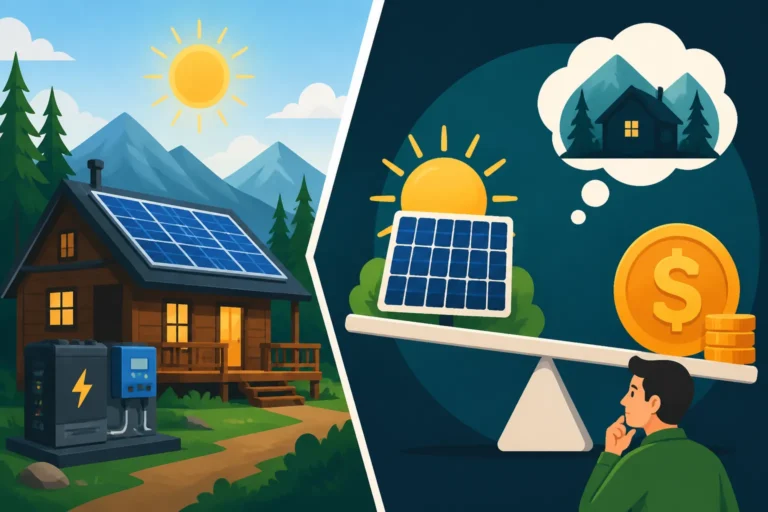
One of the biggest eye-openers for folks diving into off-grid solar is often the sticker shock associated with batteries. You might budget for panels and an inverter, thinking those are the main components, but then you realize that the energy storage system, the battery bank, can easily become the single most expensive part of your entire setup. It’s frustrating when you're trying to achieve energy independence only to find a significant portion of your budget disappearing into what feels like a black hole of battery costs. This guide is here to shed light on exactly how batteries drive off-grid solar expenses, helping you understand where your money goes and how to make informed decisions.
The Battery Bank: The Heart (and Wallet) of Your Off-Grid System
It’s easy to get caught up in the allure of shiny new solar panels, picturing them basking in the sun and generating free electricity. But without a robust battery bank, those panels are essentially glorified roof decorations for much of the day. The truth is, batteries are the unsung heroes of any off-grid system, the component that truly makes self-sufficiency possible. They store the energy generated during peak sunshine hours and dispense it reliably when the sun isn’t shining, during cloudy days, or long after sunset. This crucial role, however, comes with a significant price tag, often commanding the largest slice of your total off-grid solar budget.
Why Batteries Are So Critical And Costly
Think about your daily life. You need power in the morning to make coffee, in the evening to light your home and cook dinner, and possibly overnight for essential appliances like a refrigerator or medical devices. Solar panels only produce power when the sun hits them directly. If you don’t have a way to save that power, you’d be living on a very strict solar schedule, turning everything off as soon as the sun dips below the horizon. That’s where batteries come in – they provide the buffer, the steady supply of electricity that allows you to live a relatively normal life, even when disconnected from the grid.
The demands on off-grid batteries are intense. Unlike a car battery that provides a quick burst of power to start an engine, off-grid batteries are "deep cycle." This means they're designed to be discharged significantly (often 50% or more of their capacity) on a regular basis, sometimes daily, and then recharged. This constant cycling is hard on any battery, and the technology required to withstand this repeated stress while maintaining efficiency and a long lifespan is inherently complex and therefore expensive. Moreover, the sheer capacity needed to power a home or even a small cabin for a day or two of cloudy weather can require many individual battery cells or large, specialized units, further escalating the cost. The reliability of your entire system hinges on these batteries, making them a non-negotiable, and thus high-cost, investment. To delve deeper into estimating your needs, check out our guide on how many batteries for an off-grid system.
Initial Investment Versus Lifetime Cost
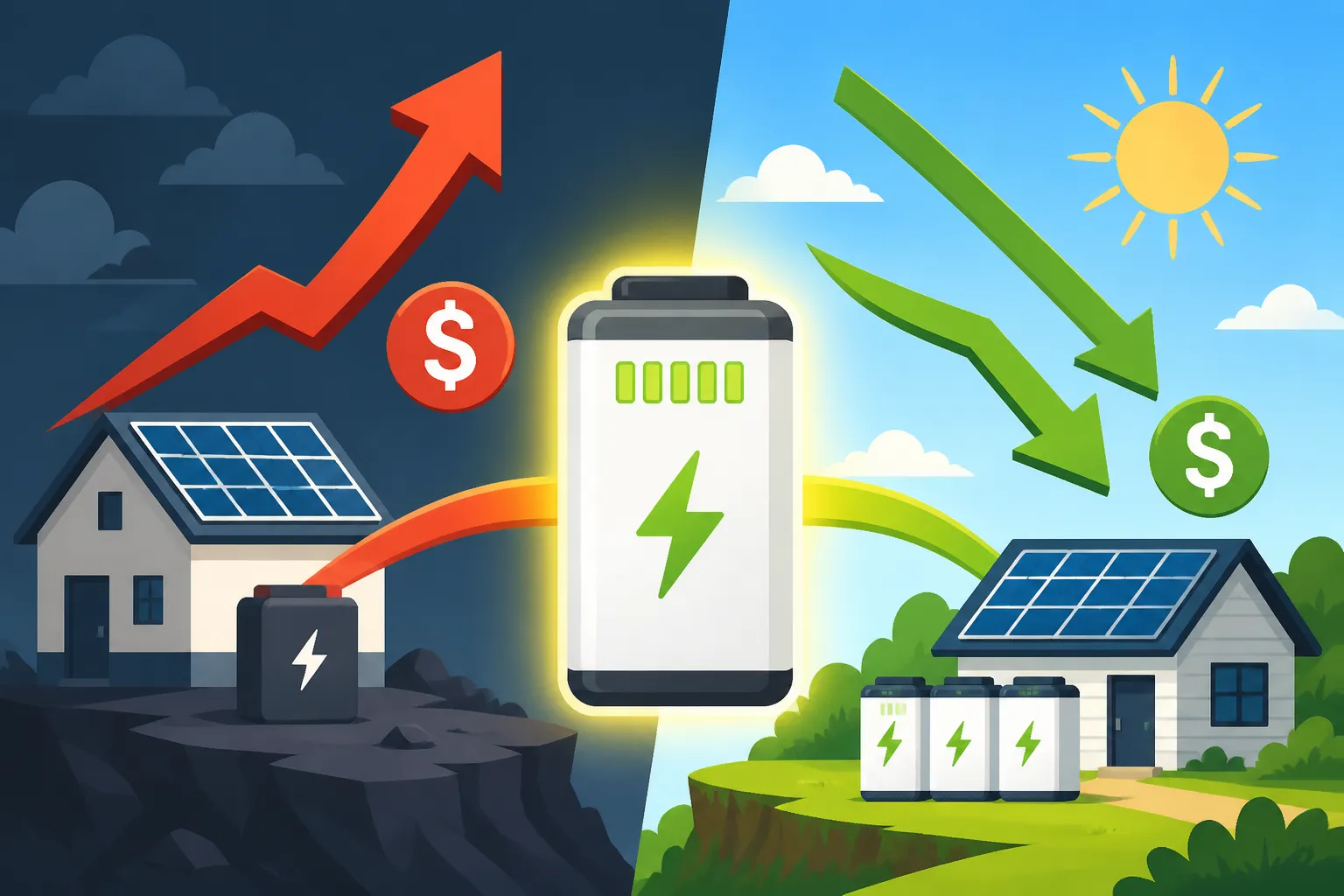
When you first start looking at batteries, you’ll notice a huge range in upfront costs. Some batteries seem incredibly affordable, while others might make your jaw drop. It’s tempting to go for the cheapest option, especially when the overall project budget feels tight. However, this is one area where the initial investment can be deceiving. The true cost of batteries isn’t just what you pay today; it’s the *lifetime cost* of ownership. This includes the purchase price, installation, maintenance, and, crucially, the cost and frequency of replacements.
For instance, a set of inexpensive lead-acid batteries might cost a third or even a quarter of a high-quality lithium battery bank. But if those lead-acid batteries only last 3-5 years and need frequent maintenance, while the lithium batteries last 10-15 years with virtually no maintenance, the long-term cost equation shifts dramatically. You might find yourself replacing the cheaper option two or three times over the lifespan of a single lithium bank, effectively spending far more money in the long run, not to mention the hassle and potential downtime. Understanding this distinction is key to making a smart investment, which is a major point we cover in our article on off-grid solar battery replacement cost over time.
Key Factors Influencing Battery Costs
The price tag on off-grid solar batteries isn’t arbitrary. It’s a complex calculation influenced by several critical factors, primarily the chemistry of the battery, its total capacity, the system voltage you choose, and the brand’s reputation for quality and warranty. Understanding these elements is crucial to making an informed decision about your off-grid power storage.
Battery Chemistry: LiFePO4 Versus Lead-Acid
This is arguably the most significant factor in determining battery cost, and it’s where most people face a major decision.
-
LiFePO4 (Lithium Iron Phosphate) Batteries: Often seen as the gold standard for modern off-grid systems, LiFePO4 batteries come with a higher upfront cost, sometimes two to four times that of comparable lead-acid options. However, their advantages are substantial. They offer a much longer cycle life (thousands of cycles compared to hundreds for lead-acid), can be discharged deeper without damage (typically 80-100% Depth of Discharge, or DoD), are significantly lighter, more compact, and operate with much higher efficiency. They also require virtually no maintenance and often include an integrated Battery Management System (BMS) that protects them from overcharging, over-discharging, and temperature extremes. While a brand like Battle Born might have a higher initial price point, their longevity and performance often justify the investment, especially when considering the total cost of ownership. You can find many reliable LiFePO4 batteries on platforms like Amazon, but careful research into specific brands and their reviews is essential. For a deep dive into the cost difference, our guide on LiFePO4 vs Lead-Acid battery cost is a must-read.
-
Lead-Acid Batteries (Flooded, AGM, Gel): These have been the traditional choice for off-grid power for decades, primarily due to their lower initial purchase price.
- Flooded Lead-Acid (FLA) batteries are the cheapest upfront but require regular maintenance (checking and topping off water levels) and must be kept upright. They have the shortest cycle life and lowest recommended DoD (around 50%).
- Absorbed Glass Mat (AGM) batteries are sealed, maintenance-free, and can be mounted in various orientations. They're more expensive than FLAs but still less costly than lithium. Their cycle life and DoD are better than FLAs but still fall short of LiFePO4.
- Gel Batteries are similar to AGMs but use a silica gel electrolyte, making them even more robust against deep discharges and temperature fluctuations. They tend to have lower charging rates, however, and are usually more expensive than AGMs.
While lead-acid options offer a lower entry point, their shorter lifespan, lower usable capacity, and often higher maintenance requirements mean they can become more expensive over the long term, necessitating frequent replacements and potentially more solar panels to compensate for lower efficiency.
Here's a quick comparison to illustrate the differences:
| Feature | LiFePO4 Batteries | Lead-Acid Batteries (General) |
|---|---|---|
| Upfront Cost | Higher | Lower |
| Cycle Life | 3,000 – 10,000+ cycles | 300 – 1,500 cycles |
| Usable Capacity (DoD) | 80-100% | 30-50% recommended |
| Maintenance | Very Low (monitor BMS) | High (FLA: watering; all: regular charging) |
| Weight & Size | Lighter, more compact | Heavier, bulkier |
| Efficiency | ~99% round-trip | ~80-85% round-trip |
| Lifespan | 10-15+ years | 3-7 years |
| Temperature Range | Wider (with heating for charging below 0°C) | More sensitive to extreme cold/heat |
Capacity and System Voltage
The more power you need to store, the larger your battery bank needs to be, and unsurprisingly, the more it will cost. Capacity is typically measured in Amp-hours (Ah) or Kilowatt-hours (kWh). A small weekend cabin might get by with 200-400Ah at 12V, while a full-time off-grid home could require 400Ah or more at 48V, which translates to substantially more stored energy. Our guide on how to size an off-grid battery bank goes into extensive detail on this calculation.
Beyond sheer capacity, the system voltage (12V, 24V, or 48V) also plays a role. While the total kWh of stored energy is the primary cost driver for the batteries themselves, higher voltage systems (like 48V) are generally more efficient for larger loads. They allow for smaller, less expensive wiring because they carry less current to deliver the same amount of power. For example, a 5000W inverter running on a 12V system would draw over 400 amps, requiring extremely thick and expensive cables. The same inverter on a 48V system would draw just over 100 amps, allowing for much thinner, more affordable wiring. So, while the battery units might cost similarly per kWh regardless of whether they are 12V or 48V configurations, the overall system component costs can be influenced by your voltage choice. For small setups, like a van or tiny shed, 12V might be sufficient, but for anything larger, migrating to 24V or 48V can offer significant advantages and long-term savings on other components.
Brand, Quality, and Warranty
Just like with any other major purchase, the brand and quality of your batteries significantly impact the price. Reputable manufacturers invest heavily in research, development, and rigorous testing to produce reliable, high-performing batteries. These brands often offer extended warranties, which provide peace of mind and protection for your investment. For example, a trusted name like Victron Energy or EG4 might have a higher upfront cost for their LiFePO4 offerings compared to a lesser-known brand.
However, opting for cheaper, unproven brands—especially if you're scouring online marketplaces for budget options—can be a risky gamble. While you might save some money initially, you could end up with batteries that fail prematurely, don't perform as advertised, or lack proper safety features. This can lead to costly replacements, system downtime, and potential safety hazards. When building an off-grid system, reliability is paramount, as you won't have the utility company to fall back on. Therefore, investing in quality batteries from reputable manufacturers is almost always the smarter long-term decision. Always consider the warranty and the company's track record, even if you find a seemingly great deal on Amazon. Remember, you're not just buying a battery; you're buying reliable power for your independent lifestyle.
Beyond the Battery: Related Costs Driven by Your Battery Choice
While the batteries themselves are a major expense, their choice directly influences the specifications and costs of other critical components in your off-grid solar system. It’s a domino effect, where a decision about your battery bank ripples through the entire design and budget. Many people don’t fully consider these knock-on costs until they’re deep into the planning, which can lead to unexpected budget overruns.
Charge Controllers and Inverters
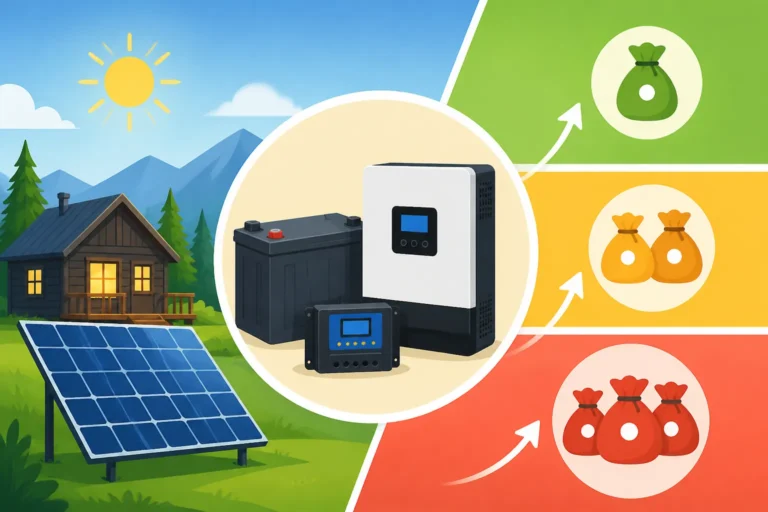
The type and size of your battery bank dictate the kind of charge controller and inverter you’ll need, which can significantly affect your overall cost.
-
Charge Controllers: These devices regulate the power flowing from your solar panels to your batteries, ensuring they charge safely and efficiently. If you choose advanced LiFePO4 batteries, you'll almost certainly need a Maximum Power Point Tracking (MPPT) charge controller. MPPT controllers are more efficient than older Pulse Width Modulation (PWM) controllers, especially in varying light conditions, and they can handle the specific charging algorithms required by lithium batteries. They also often allow for more flexible panel configurations (higher voltage input from panels). While MPPT controllers generally cost more than PWM controllers, their efficiency benefits can sometimes reduce the number of panels needed, offering a subtle long-term saving. However, if you opt for simpler lead-acid batteries, a less expensive PWM controller might suffice for smaller systems, though an MPPT is almost always a better choice for overall system health and longevity. The choice of your battery chemistry directly influences this decision and subsequent expense. You can learn more about finding the right one in our guide on how to choose an off-grid charge controller.
-
Inverters: The inverter is what converts the DC power from your batteries into the AC power that most household appliances use. The capacity of your battery bank indirectly influences the inverter's requirements. A larger battery bank usually implies a larger overall system designed to handle more significant power demands, which in turn means you'll need a higher-wattage inverter capable of handling those loads. Furthermore, if you plan to run sensitive electronics, a pure sine wave inverter (which is standard for most residential-grade off-grid systems) is essential and typically more expensive than a modified sine wave inverter. While the battery choice doesn't directly dictate the type of inverter (pure sine wave is almost always preferred), the size of the inverter you need, and thus its cost, is heavily influenced by the total energy demands that your battery bank is designed to support. For example, if you want to run a well pump or an air conditioner, you’ll need a robust inverter that can handle significant surge loads, and you’ll need a battery bank large enough to feed it for the duration you need.
Cabling, Fusing, and Enclosures
It’s easy to overlook the ancillary costs associated with installing your battery bank, but these can add up quickly.
-
Cabling: As mentioned earlier, the voltage of your battery bank directly impacts the gauge (thickness) of the cables required. Lower voltage systems (12V) drawing high currents necessitate extremely thick, high-quality copper cables to minimize voltage drop and prevent overheating. These heavy-gauge cables are surprisingly expensive, especially for longer runs. Moving to a 24V or, even better, a 48V system significantly reduces the current, allowing for thinner and thus more affordable wiring, particularly between your battery bank and the inverter. While a few dollars saved on cable might not seem like much, for a large system, this can translate into hundreds of dollars.
-
Fusing and Disconnects: Safety is paramount in any electrical system, especially one as powerful as off-grid solar. Proper fusing and disconnect switches are non-negotiable. Large battery banks require heavy-duty fuses and circuit breakers to protect against short circuits and overcurrents. These safety devices must be appropriately sized for your specific battery voltage and current output, and larger, higher-rated components naturally cost more. Investing in quality disconnects, such as those from Schneider Electric, is crucial for safely isolating your battery bank for maintenance or emergencies.
-
Battery Enclosures and Ventilation: Batteries need protection from the elements, physical damage, and sometimes temperature extremes. Lead-acid batteries, especially flooded types, off-gas hydrogen during charging and require robust ventilation to prevent a dangerous buildup. This means specific, well-ventilated enclosures that meet safety codes, which adds to the material and installation costs. LiFePO4 batteries, while not off-gassing, need protection from extreme cold if you plan to charge them below freezing temperatures, which might necessitate heated battery boxes or climate-controlled spaces. For instance, if you live in a cold climate like Minnesota, you'll need to factor in insulation and potentially a small heating element for your LiFePO4 batteries, especially when considering purchasing from vendors like Jackery whose portable power stations often include temperature management, but larger DIY banks might not. All these considerations contribute to the overall cost of setting up your battery storage properly and safely.
Budgeting and Long-Term Value: Making Smart Battery Decisions
Navigating the world of off-grid solar, particularly when it comes to batteries, means looking beyond the initial price tag. It’s about understanding that a lower upfront cost can often lead to higher expenses and more headaches down the road. Making smart battery decisions involves a bit of foresight and a willingness to invest in quality when it counts. It’s not just about spending less; it’s about spending wisely to achieve reliable, long-term energy independence.
Calculating the True Cost of Ownership
This is where the rubber meets the road. Let’s consider a hypothetical scenario: You need 10 kWh of usable battery storage.
-
Option 1: Lead-Acid (AGM): A 10 kWh usable AGM battery bank might cost around $5,000-$7,000 upfront. However, AGM batteries are typically only safely discharged to 50% DoD, meaning you'd need about 20 kWh of nominal capacity to get 10 kWh usable. Their lifespan is typically 3-7 years. Let's say you get 5 years. Over 15 years, you'd need to replace this bank twice. So, the total battery purchase cost over 15 years could be $15,000-$21,000, plus the labor and shipping for two replacements. Add to this the energy losses due to lower efficiency, which means you might need slightly more solar panels or run your generator more often, incurring additional fuel costs.
-
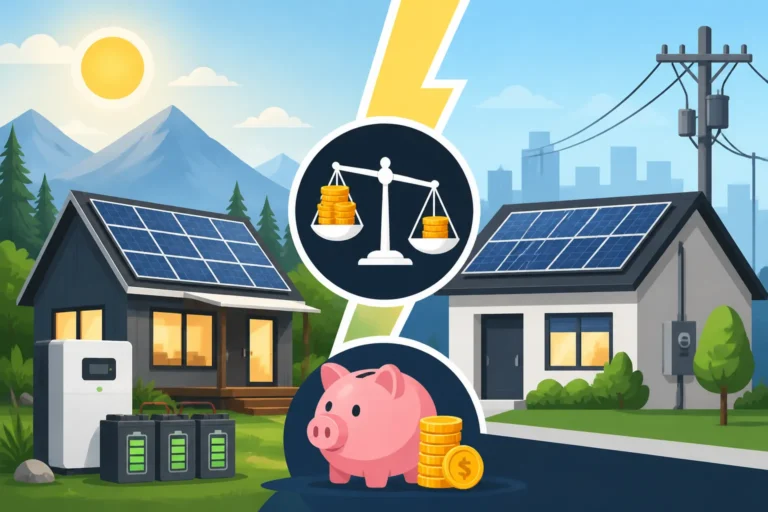
Option 2: LiFePO4: A 10 kWh usable LiFePO4 battery bank might cost $8,000-$12,000 upfront. These batteries can be discharged to 80-100% DoD, so 10 kWh nominal capacity gives you almost 10 kWh usable. Their lifespan is typically 10-15+ years. Let's say you get 12 years. Over 15 years, you might only need one replacement (if at all), perhaps a partial one, but for simplicity, let's assume one. The total battery purchase cost over 15 years would then be $16,000-$24,000. While the upfront cost is higher, the total cost over the system's lifetime is often comparable or even lower, especially when considering the minimal maintenance, higher efficiency (meaning less wasted solar energy), and fewer hassles. This detailed analysis is key when trying to figure out if off-grid solar is worth the cost.
Factoring in installation labor (if you're not DIYing), shipping costs for heavy batteries, and potential downtime if a cheaper battery fails, the seemingly expensive LiFePO4 option often presents superior long-term value. Moreover, the higher efficiency of LiFePO4 batteries means less solar energy is lost during the charging and discharging process. This can indirectly save you money by potentially reducing the total wattage of solar panels you need, or at least ensuring more of the power your panels do generate makes it into your usable supply. Our comprehensive guide on the lifetime cost of an off-grid solar system dives even deeper into these considerations.
Phasing Your Battery Investment
For many, the upfront cost of a full off-grid battery bank can be daunting. It’s a significant investment, often the largest single line item in the entire system budget. One strategy to make this more manageable is to phase your battery investment. This means starting with a smaller, but thoughtfully designed, battery bank that meets your immediate essential needs, and then adding more capacity over time as your budget allows and your power demands evolve.
However, this strategy requires careful planning. You need to ensure your initial system components—especially your charge controller and inverter—are sized to accommodate future battery expansion. If you start with a 12V system and decide later that you need the efficiency of a 48V system, upgrading can be complex and expensive, essentially requiring you to replace major components. It’s usually more cost-effective to design your system from the outset with a higher voltage in mind (e.g., a 48V inverter) even if you initially only populate it with fewer batteries. You can find excellent advice on this in our article about how to budget for an off-grid solar system.
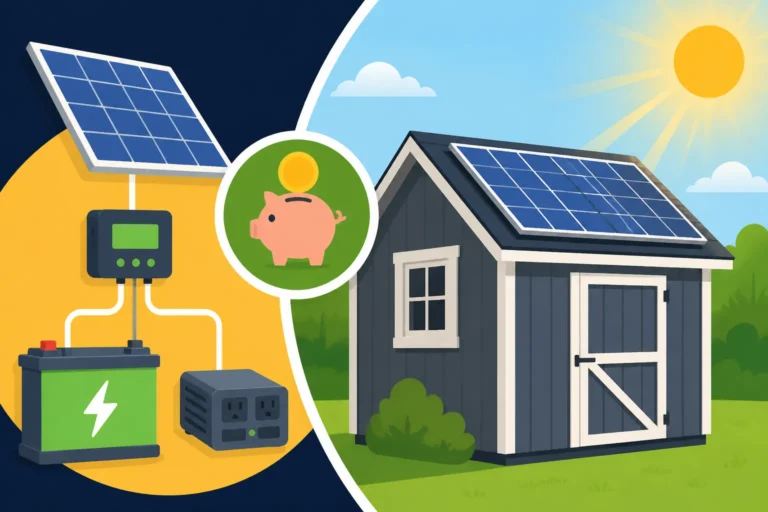
Another approach for smaller, less permanent setups, like an RV or a tiny shed, is to start with a portable power station like a Jackery unit. While not a traditional "battery bank" for a full home, these integrated units contain LiFePO4 batteries, an inverter, and a charge controller, offering a simpler, expandable solution for basic needs. You can connect solar panels to them and gradually add more capacity with expansion batteries. This allows you to dip your toes into off-grid living without the massive upfront commitment of a full-scale build. But for anything beyond basic needs, a custom-built, expandable battery bank remains the most robust and cost-effective long-term solution.
Disclaimer
The information provided in this article is for general informational purposes only and does not constitute professional advice. Off-grid solar system design and installation can be complex and should ideally be undertaken by, or with consultation from, qualified professionals. Specific costs and performance metrics can vary significantly based on location, individual energy needs, equipment choices, and installation factors. Always prioritize safety and consult local codes and regulations.