Cost of a 1000W Off-Grid Solar System
The dream of powering a small cabin, an RV adventure, or even just critical appliances during an outage often starts with a specific idea of how much power you think you need. Many folks find themselves scratching their heads when trying to figure out the actual financial commitment for a system that can deliver a modest yet essential 1000 watts off-grid. This guide will meticulously break down the costs associated with setting up a 1000W off-grid solar system, helping you understand where your money goes and how to budget realistically.
Understanding a 1000W Off-Grid Solar System
When we talk about a 1000W off-grid solar system, it’s easy to get caught up thinking it’s just about having 1000 watts of solar panels. But that's only one piece of the puzzle! A "watt" (W) describes the instantaneous power an appliance uses or a panel produces. For an off-grid system, what truly matters is how many watt-hours (Wh) or kilowatt-hours (kWh) of energy you can generate and store over a day to run your desired loads. A 1000W system, in common parlance, usually refers to a system capable of producing and storing enough energy to continuously supply about 1000 watts of power for a reasonable duration, or more commonly, to have a solar array sized around 1000 watts (1kW) to replenish batteries.
What 1000 Watts Can Power
A 1000-watt continuous output from your inverter means you could theoretically run a 1000-watt appliance, or several smaller ones that add up to 1000 watts, at any given moment. This might sound like a lot, but in reality, it's quite a modest setup, perfect for specific applications. For example, you could power a small refrigerator (around 100-200W running), a few LED lights (5-10W each), charge laptops (50-100W), and run a fan (50-75W) simultaneously. You won't be running electric heaters or large air conditioners with this setup, but it’s more than sufficient for basic comforts and necessities in a tiny home, a hunting cabin, or for extended camping trips.
It's crucial to distinguish between continuous output and peak (or surge) power. Many appliances, especially those with motors like refrigerators or well pumps, draw a much higher amount of power for a brief moment when they start up. A 1000W inverter might have a surge capacity of 2000W for a few seconds, which is important to consider when you're sizing an off-grid inverter. Without this surge capability, your system might trip or fail to start the appliance.
Typical Applications for a 1000W System
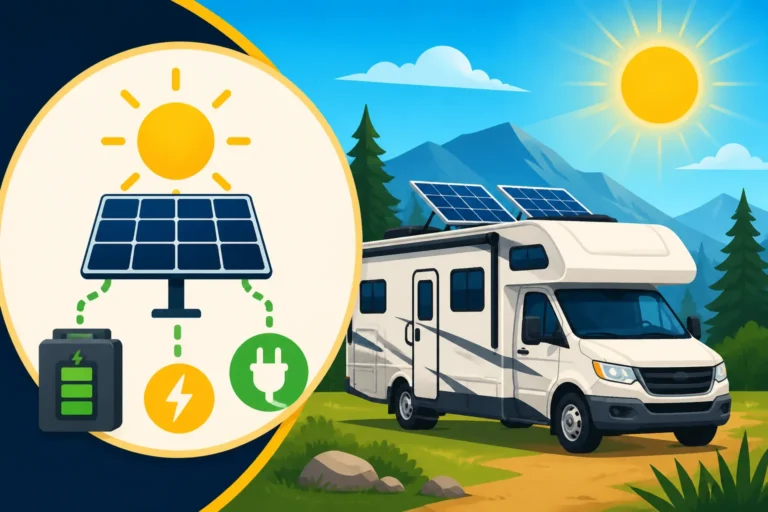
This size of system is really popular for scenarios where you need reliable power but aren't trying to replicate a full-sized grid-tied home experience. Think about that remote workshop where you want to run power tools intermittently, or a small shed where you need lights and a charging station. It's also a common starting point for off-grid solar cost for an RV or van dwellers who prioritize efficiency and don't require heavy energy users. Many of these users often look for comprehensive kits, like those often found on Amazon, that bundle panels, charge controllers, and even inverters, simplifying the purchasing process.
For those venturing into full-time remote living, a 1000W system is often just the beginning, perhaps providing essential power for communications and lighting while larger appliances are powered by propane or a more robust solar setup. It’s also an excellent choice for emergency backup power, keeping crucial medical devices or communication hubs running when the grid fails. Understanding these common uses helps set realistic expectations for the system's capabilities and, ultimately, its justifiable cost.
Breaking Down the Costs: Components of a 1000W System
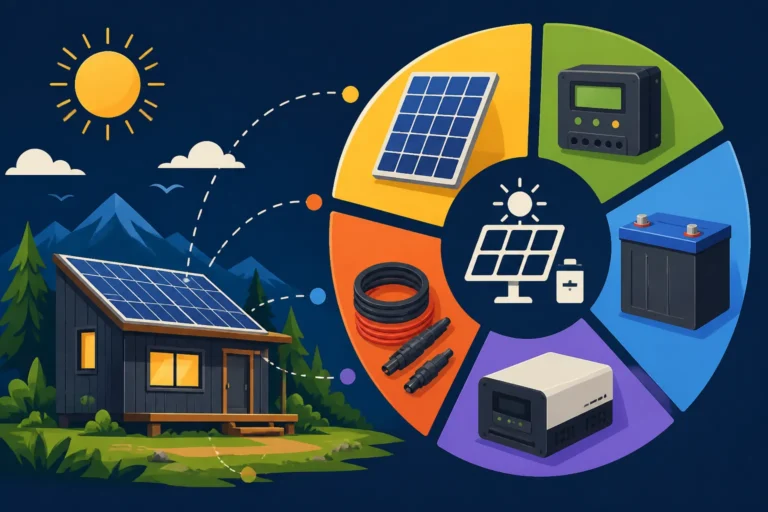
Getting a clear picture of what goes into a 1000W off-grid solar system's price tag means looking at each major component individually. Each piece plays a critical role, and its quality and specifications will directly impact the overall cost and performance. This isn't just about the initial purchase price; it's about investing in a reliable power source.
Solar Panels
The heart of your solar generation is, of course, the panels. For a 1000W system, you’re aiming for a total rated output of roughly 1000 watts. This could be achieved with several smaller panels (e.g., four 250W panels) or fewer larger ones (e.g., two 500W panels). The cost of off-grid solar panels has become incredibly competitive, with a wide range of options available.
Generally, you can expect to pay anywhere from $1 to $1.50 per watt for quality monocrystalline panels. So, for 1000 watts, you're looking at a range of $1,000 to $1,500 for the panels themselves. Factors like brand reputation, efficiency ratings, and physical size can push these numbers slightly higher or lower. For instance, high-efficiency panels from brands like Renogy or BougeRV might be on the higher end per watt, but they can generate more power in a smaller footprint, which is a big deal if you have limited space on an RV roof or a small cabin. Don't forget, the actual power output of your panels will fluctuate based on weather, time of day, and panel orientation, so planning for a bit of an "oversize" is often a smart move to ensure you meet your daily energy needs, especially if you're looking into how to size an off-grid solar system for consistent power.
Battery Bank
This is often the most significant single investment in any off-grid solar system, and for good reason: it’s what allows you to use power when the sun isn’t shining. For a 1000W system, assuming you need to power your loads for a full day (24 hours) with no sun, you'd ideally want at least 24 kWh of storage (1000W * 24 hours). However, this is a very rough estimate; actual needs depend on your daily consumption pattern. A more common approach for a 1000W array system aims for 2-3 days of autonomy (power without sun).
The most popular battery choices for off-grid are LiFePO4 (lithium iron phosphate) and lead-acid (AGM being common).
- Lead-Acid Batteries: These are generally cheaper upfront, costing roughly $200-$400 for a 100Ah 12V battery. You'd need several of these wired in series/parallel to get sufficient capacity and voltage. Their downside is a shorter lifespan (3-5 years) and shallower usable depth of discharge (typically only 50%), meaning you need twice the rated capacity compared to lithium. To get, say, 5kWh of usable storage, you might need 10kWh of lead-acid, potentially costing $1,000-$2,000 for a decent bank.
- LiFePO4 Batteries: While more expensive upfront ($500-$1,000+ for a 100Ah 12V battery), they offer superior performance, longer lifespan (10-15 years or 3,000-5,000 cycles), and a much higher usable depth of discharge (80-100%). For the same 5kWh of usable storage, you might spend $2,000-$4,000 or more, but they are a fantastic investment in the long run. Many reputable brands like Battle Born and EG4 offer excellent LiFePO4 options. Check out our detailed guide on the cost of an off-grid solar battery bank for more specific figures.
Given the 1000W array size, a typical battery bank might be 200-400Ah at 12V, or 100-200Ah at 24V. This would equate to 2.4-4.8 kWh of usable LiFePO4 battery capacity. Expect to spend anywhere from $1,500 to $4,000+ on batteries, making them a significant portion of your total off-grid solar cost: complete breakdown.
Inverter
The inverter converts the DC (direct current) power from your batteries into usable AC (alternating current) power for most household appliances. For a 1000W system, you’ll typically want an inverter rated for at least 1000 continuous watts, often with a surge capacity around 2000 watts. It’s always smart to slightly oversize your inverter to handle unexpected loads or future expansion.
You’ll generally find two main types for off-grid:
- Pure Sine Wave Inverters: These produce a clean, stable waveform identical to grid power, making them safe for all electronics, especially sensitive ones like laptops and medical equipment. They are highly recommended for any permanent or primary off-grid setup. A quality 1000W pure sine wave inverter can cost between $200 and $500. Brands like Renogy, AIMS Power, and Victron Energy offer reliable options at various price points.
- Modified Sine Wave Inverters: These are cheaper but produce a "choppier" waveform, which can be problematic for some sensitive electronics, cause buzzing in audio equipment, and even damage certain motors over time. They are generally not recommended for anything beyond very basic, non-sensitive loads.
If you're looking for a portable, all-in-one solution, brands like Jackery offer power stations with built-in inverters and batteries. While convenient, they often cost more per watt-hour than a custom-built system but excel in portability and ease of use for smaller applications. For a comprehensive overview, see Cost of an Off-Grid Solar Inverter.
Charge Controller
The charge controller is the unsung hero that regulates the voltage and current coming from your solar panels to charge your battery bank safely and efficiently. Without it, you risk overcharging and damaging your expensive batteries. For a 1000W system, especially with higher voltage panels, you'll almost certainly want an MPPT (Maximum Power Point Tracking) charge controller.
- MPPT Charge Controllers: These are significantly more efficient (10-30% more power harvest) than their PWM (Pulse Width Modulation) counterparts, especially in colder weather or when panels and battery voltages don't perfectly match. For a 1000W array, an MPPT controller capable of handling the array's voltage and current (e.g., a 60A controller for a 12V system or a 30A for a 24V system) will typically cost between $150 and $400. Brands like Victron, Renogy, and Outback Power are very popular choices.
- PWM Charge Controllers: While cheaper ($50-$150), they are less efficient and better suited for smaller, simpler systems where the panel and battery voltages are very similar. For a 1000W system, the efficiency loss could be substantial, making the MPPT a worthwhile investment. You can learn more in our article on the Cost of a Charge Controller.
Wiring, Fuses, Mounting, and Miscellaneous
These are the often-overlooked "hidden costs" that can quickly add up but are absolutely essential for safety and functionality.
- Wiring and Cables: You'll need appropriate gauge wire for your solar panels (PV wire), battery cables, and connections to the inverter. The cost will depend on the length of runs and system voltage. Expect to spend $100-$300.
- Fuses and Breakers: Crucial for protecting your system components from overcurrents and short circuits. This includes DC breakers/fuses for the solar array and battery bank, and AC breakers for the inverter output. Budget $50-$150.
- Mounting Equipment: Whether you're putting panels on a roof, a ground mount, or an RV, you'll need racking and mounting hardware. Costs vary widely but can be $100-$500 depending on the type and complexity.
- Battery Enclosure/Box: Essential for protecting your batteries and for ventilation, especially for lead-acid. $50-$200.
- Monitoring Equipment: A battery monitor (like a Victron BMV or similar) is highly recommended to track your battery's state of charge, voltage, and current flow. This can cost $50-$200.
- Tools and Connectors: If you're doing a DIY installation, you'll need wire strippers, crimpers for MC4 connectors (if applicable), voltmeters, etc.
These miscellaneous components are often where a DIYer can save money by being resourceful, but they are non-negotiable for a safe and reliable system.
Factors Influencing the Final Price Tag
It's not just the core components that dictate the total cost of your 1000W off-grid solar system. Several other variables can significantly sway the final bill, often leading to sticker shock if not considered upfront. Understanding these factors is key to realistic budgeting and avoiding unexpected expenses.
DIY Versus Professional Installation
This is perhaps the biggest determinant of your overall cost. Many people choose off-grid solar for the self-sufficiency it offers, and a big part of that is often the desire to build a DIY off-grid solar system.
- DIY Installation: If you're comfortable with electrical work and have the time to research and learn, doing it yourself can save you a substantial amount, potentially cutting installation costs entirely. However, you'll need to invest in tools (if you don't already own them), dedicate considerable time, and be meticulous about safety and adhering to electrical codes (even if permits aren't required for your specific off-grid setup, good practice is essential). Mistakes can be costly and dangerous.
- Professional Installation: Hiring a certified electrician or solar installer provides peace of mind, ensures proper sizing, safe wiring, and often comes with warranties on workmanship. For a 1000W system, installation costs could range from $500 to $1,500, depending on complexity, your location, and the specific installer. While it adds to the upfront cost, it's an investment in safety and reliability, especially for those less confident in their electrical skills. We have a detailed comparison on DIY vs Professional Off-Grid Solar Cost that can help you weigh your options.
Brand Reputation and Component Quality
Just like with any purchase, you get what you pay for in the world of off-grid solar.
- Budget Brands: You can find very inexpensive components, often from lesser-known brands or generic manufacturers, especially online marketplaces like Amazon. While these might seem appealing for a tight budget, they can sometimes come with lower efficiency, shorter lifespans, and less reliable customer support. They might also lack certifications that ensure safety and performance.
- Mid-Range Brands: Companies like Renogy, HQST, and BougeRV offer a good balance of quality and affordability. Their products are generally reliable, well-documented, and have decent warranties, making them popular among DIYers and those looking for solid performance without breaking the bank.
- Premium Brands: Victron Energy, Outback Power, Sol-Ark, and MidNite Solar are known for their high-end, robust, and often more feature-rich equipment. Their components are typically more efficient, durable, and come with excellent technical support, but they command a higher price tag. Investing in premium batteries or an inverter from one of the best off-grid solar brands can lead to a more reliable system with a longer lifespan, reducing maintenance costs over time.
Choosing quality components, particularly for critical items like batteries and inverters, will significantly impact your system's longevity and performance.
Location and Permitting Requirements
Where you plan to install your off-grid system can also affect the cost, albeit indirectly.
- Local Regulations: Some jurisdictions, even for off-grid systems not connected to the utility grid, may require permits and inspections, especially if the system is permanently affixed to a structure or provides primary power for a dwelling. Permitting fees can vary from negligible to a few hundred dollars. Ignoring these can lead to fines or mandated removal/reinstallation.
- Shipping Costs: If you live in a very remote area, shipping heavy items like solar panels and batteries can add a significant amount to your overall cost, particularly for items not available locally. Always factor in potential freight charges when ordering components online.
- Weather Conditions: While not a direct cost factor for the initial purchase, extreme weather (very cold winters, heavy snow, high winds) might necessitate more robust mounting hardware or battery enclosures, adding to the accessory costs. Similarly, if your location experiences many cloudy days, you might need to slightly oversize your array or battery bank, impacting the total how much does an off-grid solar system cost figure.
Real-World Cost Ranges and Examples
It's one thing to break down individual component costs, but it's another to see it all come together in a realistic scenario. The truth is, there isn't one single "cost of a 1000W off-grid solar system" because every build is unique. However, we can look at typical ranges for different quality levels and use cases to give you a solid idea of what to expect.
Budget-Friendly 1000W System (Basic/Portable)
Let's imagine you're outfitting a small camper or need a basic backup power solution, and you're aiming for the most cost-effective approach possible. This often means embracing a DIY ethos and opting for value-oriented components.
- Solar Panels (1000W): Four 250W panels from a brand like HQST or Newpowa, often found on Amazon, might cost around $1.00/watt. (4 x $250 = $1,000)
- Batteries (Lead-Acid, e.g., 200Ah 12V usable): Two 100Ah 12V AGM batteries, wired in parallel for 12V, or in series for 24V if you prefer, offering about 1.2 kWh of usable storage. (2 x $250 = $500)
- Inverter (1000W Pure Sine Wave): A basic 1000W pure sine inverter from a brand like Giandel or Renogy. ($200)
- Charge Controller (MPPT): A 30A MPPT controller from Renogy or similar. ($150)
- Wiring, Fuses, Mounting: Generic mounting brackets, basic wiring, and fuses. ($150)
- Installation: DIY
Estimated Total for a Budget-Friendly System: $2,000 – $2,500
This kind of system is perfect for occasional use, providing power for lights, charging devices, and a small fridge for a day or two before needing significant recharge. For those who want something even simpler, a large Jackery or EcoFlow power station combined with portable solar panels can offer similar power capacity in a plug-and-play format, though usually at a higher cost per watt-hour stored.
Mid-Range 1000W System (Reliable Cabin/RV)
Now, let's consider a more robust system suitable for a small, seasonal cabin or a full-time RV setup where reliability and a longer lifespan are important. You're still DIYing, but investing in better quality.
- Solar Panels (1000W): Three 330W panels from a reputable mid-tier brand like Renogy, offering better efficiency. ($1.20/watt = $1,200)
- Batteries (LiFePO4, e.g., 200Ah 12V or 100Ah 24V usable): Two 100Ah LiFePO4 batteries from a brand like SOK or Redodo, providing excellent cycle life and deeper discharge. ($2 x $600 = $1,200)
- Inverter (1000W-1500W Pure Sine Wave): A slightly oversized 1500W pure sine inverter from a reliable brand like AIMS Power or a mid-range Victron MultiPlus (for a combined inverter/charger). ($400)
- Charge Controller (MPPT): A higher quality MPPT controller, perhaps a Victron SmartSolar 100/30. ($250)
- Wiring, Fuses, Mounting, Monitoring: Better quality wiring, robust fuses, a battery monitor shunt, and perhaps tilt mounts for panels. ($400)
- Installation: DIY
Estimated Total for a Mid-Range System: $3,000 – $4,000
This system offers significantly better performance and longevity, especially with the LiFePO4 batteries. It’s well-suited for more frequent use and can handle slightly higher loads or longer periods without sun. For those exploring off-grid solar kit price ranges, this would align with the higher end of smaller kits or entry-level larger kits.
Premium 1000W System (Small Primary Residence Backup/Advanced Setup)
For someone looking for top-tier components, perhaps for a small home's critical loads backup, or simply wanting the absolute best for their compact off-grid lifestyle, the costs will naturally be higher.
- Solar Panels (1000W): Two 500W high-efficiency panels from a premium manufacturer like LG or Panasonic. ($1.50/watt = $1,500)
- Batteries (LiFePO4, e.g., 200Ah 24V): Two 100Ah 24V LiFePO4 server-rack style batteries from EG4 or Battle Born. ($2 x $1000 = $2,000)
- Inverter/Charger (2000W Pure Sine Wave): An integrated inverter/charger from Victron or Sol-Ark, offering advanced features and grid-assist capabilities. ($800 – $1,500)
- Charge Controller (MPPT): A high-performance MPPT controller, perhaps a Victron SmartSolar 150/35. ($400)
- Wiring, Fuses, Mounting, Advanced Monitoring: High-grade wiring, industrial-grade breakers, a comprehensive battery monitoring system (e.g., Victron Cerbo GX), and heavy-duty mounting. ($600)
- Installation: DIY or professional assistance for complex wiring. (Add $500-$1000 for partial professional help)
Estimated Total for a Premium System: $5,300 – $7,000+
This level of investment provides exceptional reliability, advanced monitoring, and significantly longer product lifespans. It's an investment in robust, long-term power independence and aligns with the concept of building an expandable off-grid system from the start.
Cost Comparison Table for 1000W Off-Grid Solar Systems
| Component/Factor | Budget-Friendly (DIY) | Mid-Range (DIY) | Premium (DIY/Assisted) |
|---|---|---|---|
| Solar Panels (1000W) | $1,000 | $1,200 | $1,500 |
| Battery Bank | $500 (AGM) | $1,200 (LiFePO4) | $2,000 (Premium LiFePO4) |
| Inverter | $200 (1000W PS) | $400 (1500W PS) | $800 – $1,500 (2kW Inverter/Charger) |
| Charge Controller | $150 (30A MPPT) | $250 (30A MPPT) | $400 (35A+ MPPT) |
| Wiring & Safety | $150 | $400 | $600 |
| Total Components | $2,000 | $3,450 | $5,300 – $6,000 |
| Optional Install | $0 (DIY) | $0 (DIY) | $500 – $1,000 (Assisted) |
| Total Est. Cost | $2,000 – $2,500 | $3,000 – $4,000 | $5,300 – $7,000+ |
Remember, these are estimates. Actual prices will fluctuate based on market conditions, sales, and specific brands you choose. It's always a good idea to shop around, compare prices across different vendors (including major online retailers like Amazon, specialized solar stores, and local distributors), and read reviews before making significant purchases.
Disclaimer
The information provided in this article is for general guidance and informational purposes only, and does not constitute professional advice. Off-grid solar system design and installation can be complex and involve electrical hazards. Always consult with qualified professionals and adhere to all local electrical codes and permitting requirements. Prices mentioned are estimates and subject to change based on market conditions, brand, location, and specific system configurations.