Off-Grid Solar vs Generator Fuel Cost
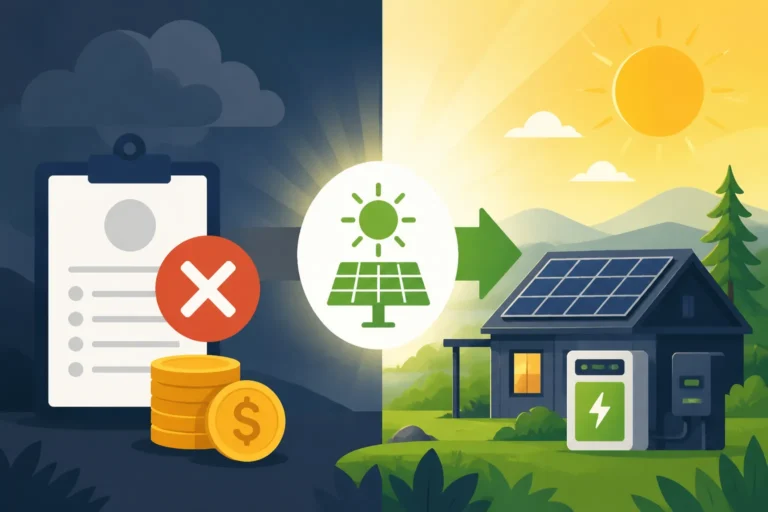
Let's be honest, the thought of relying solely on a gas or diesel generator for your off-grid power needs can be a real headache. Not only are you constantly hauling fuel, dealing with the noise and fumes, but the cost of that fuel seems to climb higher every week, putting a serious dent in your budget and peace of mind. This comprehensive guide is here to shed light on the true financial implications of generator fuel costs compared to the long-term investment and savings offered by an off-grid solar system.
The Sticker Shock of Generator Fuel
If you've ever owned or regularly used a generator, you know the feeling. That knot in your stomach when you check the fuel gauge, knowing another trip to the gas station is imminent, and the price per gallon just keeps inching up. It's a never-ending cycle that can make off-grid living feel more like a chore than a freedom.
Understanding Rising Fuel Prices
The price of gasoline and diesel isn't just a local issue; it's a global one. Everything from international conflicts and political instability to natural disasters and seasonal demand can send fuel prices soaring. One week you might pay $3.50 a gallon, the next it's $4.00, and sometimes even higher. This unpredictable volatility makes it incredibly difficult to budget for your off-grid power, especially if you're relying on a generator as your primary energy source. It’s like trying to hit a moving target with your finances.
Think about the remote cabin owner in the mountains of Colorado or the full-time RVer constantly on the move. They don't just pay for the fuel itself; they often pay a premium for it in less accessible areas, or they spend valuable time and gas driving further to find cheaper options. This isn't just about the dollar figure on the pump; it's about the hidden costs of time, effort, and the constant stress of monitoring prices and availability. When you're trying to create a sustainable lifestyle, that kind of unpredictability is the enemy.
Calculating Your Current Generator Fuel Consumption
Before you can truly compare costs, you need to know what you're currently spending. This means getting a realistic handle on your generator's fuel consumption. Most generators list their fuel consumption rates in their specifications, usually in gallons or liters per hour at various load levels (e.g., 50% load, 100% load). However, real-world usage often varies. Are you running a small inverter generator like a Jackery for occasional power tools, or a large standby unit powering your entire off-grid home?
To get an accurate picture, start tracking. For a week or two, monitor how many hours you run your generator each day and how much fuel you put into it. Keep a log. Multiply your average daily consumption by 30 days for a monthly estimate, then by 12 for an annual figure. You'll likely be surprised by the total. For instance, a common 7,000-watt portable generator might consume around 0.75 to 1 gallon of gasoline per hour at a 50% load. If you're running it for 4 hours a day, that's 3-4 gallons daily. At $4.00 a gallon, that's $12-$16 a day, or $360-$480 a month – just for fuel! That's a significant chunk of change that could be invested elsewhere, perhaps even into your own solar setup.
The Upfront Investment of Off-Grid Solar
Okay, so generators hit you with continuous, unpredictable costs. What about off-grid solar? The biggest hurdle for most people considering solar is the initial sticker price. It's not a small purchase, and it requires a significant upfront investment, but it’s crucial to understand what goes into that cost and how it compares to the never-ending fuel drain. You might be surprised at how quickly the initial solar investment begins to look more attractive than endless trips to the gas station. If you're wondering, "How Much Does an Off-Grid Solar System Cost?", you're not alone in that initial inquiry.
Breaking Down Initial Solar Component Costs
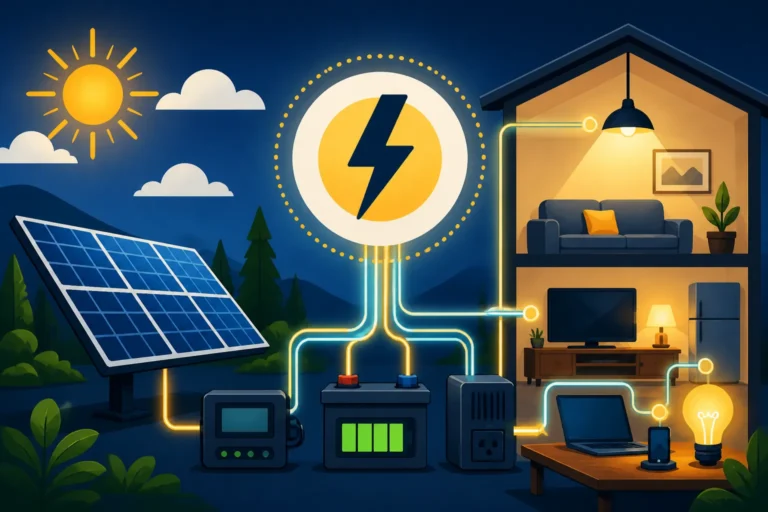
An off-grid solar system isn't just a panel; it's a carefully orchestrated symphony of components designed to capture, store, and convert solar energy. Each piece has its own cost, and understanding them helps you see where your money goes. The major components include:
- Solar Panels: These are what capture the sunlight. Prices have come down considerably, but they still represent a significant portion of the cost. The number and type of panels you need will depend on your energy consumption and local sun hours. You can typically find a 400-watt monocrystalline panel on Amazon for anywhere from $300 to $500.
- Batteries: This is often the most expensive component of an off-grid system, but also the most critical. Batteries store the energy generated by your panels so you have power when the sun isn't shining. Lithium Iron Phosphate (LiFePO4) batteries are gaining popularity due to their long lifespan and deep discharge capabilities, but lead-acid options are cheaper upfront. Expect to spend anywhere from a few hundred dollars for a small 100Ah 12V LiFePO4 battery to several thousand for a robust bank of batteries for a whole house. For more on this, check out our guide on the Cost of an Off-Grid Solar Battery Bank.
- Inverter: This device converts the DC (direct current) power from your batteries into AC (alternating current) power that most household appliances use. The size and quality of your inverter will depend on your power needs. A good quality pure sine wave inverter can range from a few hundred dollars for smaller systems to several thousand for large, high-power setups capable of running an entire home.
- Charge Controller: This acts as the brain between your solar panels and your batteries, regulating the voltage and current from the panels to prevent overcharging and maximize battery life. MPPT (Maximum Power Point Tracking) controllers are more efficient but pricier than PWM (Pulse Width Modulation) controllers. Expect to pay $100-$500, or more for larger, advanced models.
- Mounting Hardware, Wiring, and Safety Gear: Don't forget the nuts and bolts! This includes racking for your panels, specialized solar cables, connectors (like MC4 connectors), fuses, circuit breakers, and grounding equipment. These "smaller" items can quickly add up, often totaling hundreds of dollars depending on the complexity and scale of your system.
Installation Costs: DIY vs. Professional
Once you have all your shiny new components, they need to be installed. This is another area where costs can vary wildly, largely depending on whether you decide to tackle it yourself or hire professionals.
-
DIY Installation: If you're handy, have a solid understanding of electrical systems, and are comfortable with heights and tools, a DIY installation can save you a significant amount on labor costs. You'll still need to invest in some specialized tools, and there's a steep learning curve, but many off-gridders find immense satisfaction in building their own system. The primary cost here is your time and the occasional expert consultation. Just make sure you follow all safety guidelines and local codes, even if you’re off-grid, especially regarding Off-Grid Solar Safety and Grounding. The satisfaction of powering your own life with your own hands is truly priceless.
-
Professional Installation: Hiring a certified solar installer ensures your system is designed, installed, and wired correctly and safely. This is often the best route for larger, more complex systems or for those who simply don't have the time or expertise for a DIY project. Professional installation can add anywhere from $1.00 to $3.00 per watt to the overall cost of your system, depending on your location, the complexity of the install, and the specific contractor. For a 5,000-watt system, this could mean an additional $5,000 to $15,000. While it's a substantial cost, it can provide peace of mind and often comes with warranties on workmanship. For a deeper dive into all these costs, our article on an Off-Grid Solar Cost: Complete Breakdown offers detailed insights.
Long-Term Operational Expenses: A Deep Dive
When you're comparing off-grid solar to generators, the initial cost is only half the story. The long-term operational expenses are where the real difference becomes stark, revealing why so many people are drawn to solar despite the upfront investment. It’s about more than just the immediate outlay; it’s about the financial freedom over years, even decades.
Ongoing Generator Fuel and Maintenance
Remember that daily fuel cost we talked about? That's not the only ongoing expense for generators. They are mechanical beasts, and like any machine, they require regular maintenance and will eventually wear out.
- Fuel Costs (The Endless Stream): As discussed, this is the biggest and most volatile cost. A single generator can easily chew through $500 to $1,500 or more in fuel annually, depending on its size and how often it's run. Over ten years, that's $5,000 to $15,000 just for fuel, and that's assuming prices don't continue to rise. This continuous drain on your wallet often feels like pouring money down a black hole.
- Regular Maintenance: Generators need oil changes, new spark plugs, air filter replacements, fuel filter replacements, and general check-ups. These aren't just suggestions; they're critical for keeping your generator running efficiently and prolonging its life. A typical service might cost $50-$200 annually if you do it yourself, or significantly more if you hire a mechanic, easily adding another $100-$300 to your annual budget.
- Repairs and Parts: Things break. Belts snap, carburetors get gummed up, starters fail, and sometimes, the engine itself gives up the ghost. These unexpected repairs can be costly and inconvenient, especially in remote off-grid locations where parts and qualified mechanics are harder to find. A major repair could easily run into several hundred dollars, or even thousands for an engine overhaul.
- Generator Lifespan: Even with diligent maintenance, generators have a finite lifespan. A good quality portable generator might last 1,000 to 3,000 hours of run time. If you're running it 4 hours a day, that's only 250-750 days of use before it might need significant repairs or replacement. Standby generators can last longer, often 10,000 to 30,000 hours, but they also cost significantly more upfront. Replacing a generator every few years adds another substantial expense to your budget.
Off-Grid Solar Maintenance and Replacement Costs
Solar systems, while having a higher initial cost, shine brightly when it comes to long-term operational expenses. They are remarkably low-maintenance, especially compared to their noisy, fuel-guzzling counterparts.
- Minimal Maintenance: For the most part, solar panels simply need to be kept clean to ensure optimal performance. A quick rinse with a hose a few times a year, or brushing off snow in winter, is usually all that's required. Beyond that, occasional checks of wiring and connections are good practice. This minimal effort translates to minimal cost – perhaps a few dollars a year for cleaning supplies and your own labor. You can learn more about general upkeep in our guide to Off-Grid Solar Maintenance Costs.
- Battery Replacement: This is the most significant long-term expense for an off-grid solar system. Even top-of-the-line LiFePO4 batteries have a lifespan, typically 10 to 15 years, or thousands of charge cycles, before their capacity significantly degrades. Lead-acid batteries generally last 3-7 years. When it's time to replace them, you're looking at a cost similar to the initial battery investment. However, considering their lifespan, this is a cost you face once every decade or more, not every few years like generator replacements. For insights on this, read about the Cost to Replace Off-Grid Solar Batteries.
- Inverter and Charge Controller Lifespan: These components are generally quite robust. A high-quality inverter can last 10-15 years, and charge controllers can often last even longer. While they can fail, they usually offer a much longer service life than a generator engine, meaning fewer replacement costs over the system's lifetime. When they do need replacing, the cost is typically in the hundreds to low thousands, similar to their initial purchase price.
- Panel Lifespan: This is where solar truly wins. Solar panels are built to last, often coming with a 25-year performance warranty, meaning they're guaranteed to still produce a high percentage of their original power output (e.g., 80%) after a quarter-century. Many panels continue to function effectively well beyond that timeframe. Barring physical damage, replacing panels due to wear and tear is rarely an issue within your lifetime. This incredible longevity makes the initial panel investment extremely cost-effective over the long haul.
Real-World Scenarios and Cost Comparisons
To really grasp the financial implications, let's look at some hypothetical, yet very common, off-grid scenarios. This isn't just theory; this is about how real people save money and gain independence.
Small Cabin or RV Power Needs
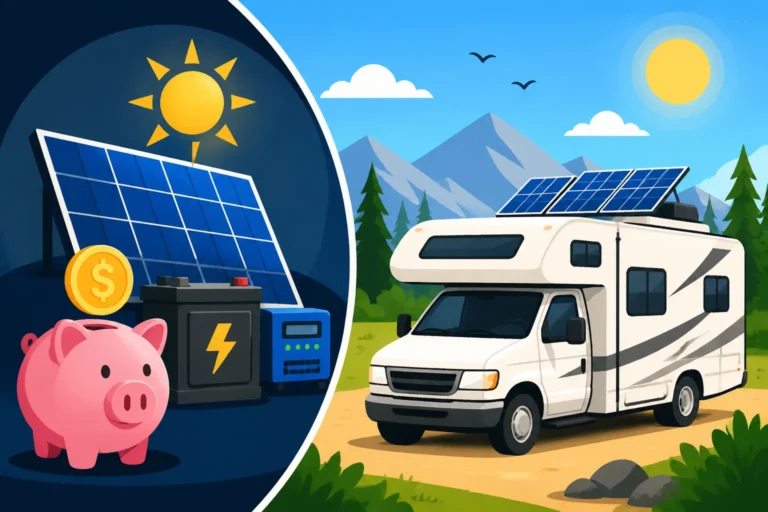
Imagine you have a small cabin in the woods or a compact RV that you use for weekend trips and occasional longer stays. Your power needs are modest: lights, charging phones/laptops, a small water pump, and maybe a mini-fridge.
Generator-Dependent Scenario:
- Initial Cost: A decent portable inverter generator (e.g., a 2,200-watt Jackery or similar brand) might cost $800 – $1,200.
- Fuel Cost: If you use it for 3-4 hours a day, 3 days a week, for 6 months out of the year, at an average of 0.5 gallons/hour and $4.00/gallon, that's: (0.5 gal/hr * 3 hrs/day * 3 days/week * 24 weeks/year) = 108 gallons/year. At $4/gallon = $432/year.
- Maintenance: Oil, spark plug, filters: ~$75/year.
- Total 10-Year Cost: $1,000 (initial) + ($432 fuel + $75 maintenance) * 10 years = $1,000 + $5,070 = $6,070. And this doesn't account for potential repairs or replacing the generator every 5-7 years of moderate use.
Off-Grid Solar Scenario:
- Initial Cost: A small solar setup might include:
- 2 x 200W solar panels: $600
- 1 x 100Ah 12V LiFePO4 battery: $350
- 1 x 1,000W inverter: $200
- 1 x 20A MPPT charge controller: $150
- Wiring, mounting, misc.: $200
- Total upfront: $1,500. (You can find many suitable Off-Grid Solar Kit Price Ranges for this type of setup).
- Ongoing Costs: Minimal cleaning.
- Battery Replacement: One replacement after 10 years for a good LiFePO4 battery: $350.
- Total 10-Year Cost: $1,500 (initial) + $350 (battery replacement) = $1,850.
Comparison: In this modest scenario, solar pays for itself and starts saving you money within just a few years. Over ten years, you could save over $4,000, not to mention the peace and quiet. If you're focused on Off-Grid Solar Cost for a Cabin or Off-Grid Solar Cost for an RV, this example directly highlights the long-term benefits.
Full-Time Off-Grid Home Demands
Now, let's consider a larger, full-time off-grid home with more significant energy needs: refrigeration, cooking appliances, a well pump, lights, and entertainment.
Generator-Dependent Scenario:
- Initial Cost: A larger, quality standby generator (e.g., 10-15kW) could cost $5,000 – $10,000.
- Fuel Cost: Running a generator for 8-12 hours a day, using 1-2 gallons/hour on average at $4.00/gallon: (1.5 gal/hr * 10 hrs/day * 365 days/year) = 5,475 gallons/year. At $4/gallon = $21,900/year. This is a staggering amount for full-time reliance.
- Maintenance: Annual servicing, oil, filters: ~$300-$500/year.
- Total 10-Year Cost: $7,500 (initial average) + ($21,900 fuel + $400 maintenance) * 10 years = $7,500 + $223,000 = $230,500. This figure often includes replacing the generator once or twice in that timeframe.
Off-Grid Solar Scenario:
- Initial Cost: A robust whole-home solar system (e.g., 5-8kW solar array, 20-40kWh LiFePO4 battery bank, large inverter, etc.) might cost $25,000 – $45,000, installed. (See How Much Does an Off-Grid Solar System Cost for a deeper look).
- Ongoing Costs: Minimal cleaning.
- Battery Replacement: Two bank replacements over 25 years (assuming 12.5-year lifespan per bank) at roughly $10,000 per bank. So, one replacement within the first 10 years: $10,000.
- Inverter Replacement: One inverter replacement after 10-15 years: ~$2,000-$4,000.
- Total 10-Year Cost: $35,000 (initial average) + $10,000 (battery replacement) + $3,000 (inverter replacement) = $48,000.
Comparison: For a full-time off-grid home, the savings are astronomical. Over ten years, solar could save you well over $180,000 compared to a primary generator setup. The Off-Grid Solar Payback Period Explained is often much shorter than people imagine for larger systems, and the long-term Off-Grid Solar Return on Investment is truly significant. This massive difference is why How Off-Grid Solar Saves Money Long-Term is such a critical consideration for serious off-gridders.
| Feature | Generator (Primary Power) | Off-Grid Solar (Primary Power) |
|---|---|---|
| Initial Cost | Lower ($800 – $10,000+) | Higher ($1,500 – $45,000+) |
| Ongoing Fuel Cost | High & Volatile ($400 – $22,000+ annually) | None |
| Maintenance Cost | Moderate ($75 – $500+ annually) | Very Low ($0 – $50 annually) |
| Component Lifespan | Engine: 1,000 – 30,000 hours (5-15 years) | Panels: 25+ years; Batteries: 3-15 years; Inverter: 10-15 years |
| Replacement Cost | Generator replacement every 5-15 years | Batteries every 10-15 years (LiFePO4) |
| Noise | Significant | None |
| Emissions | High (CO2, CO, NOx) | None |
| Energy Independence | Reliant on external fuel supply | Self-sufficient, weather-dependent |
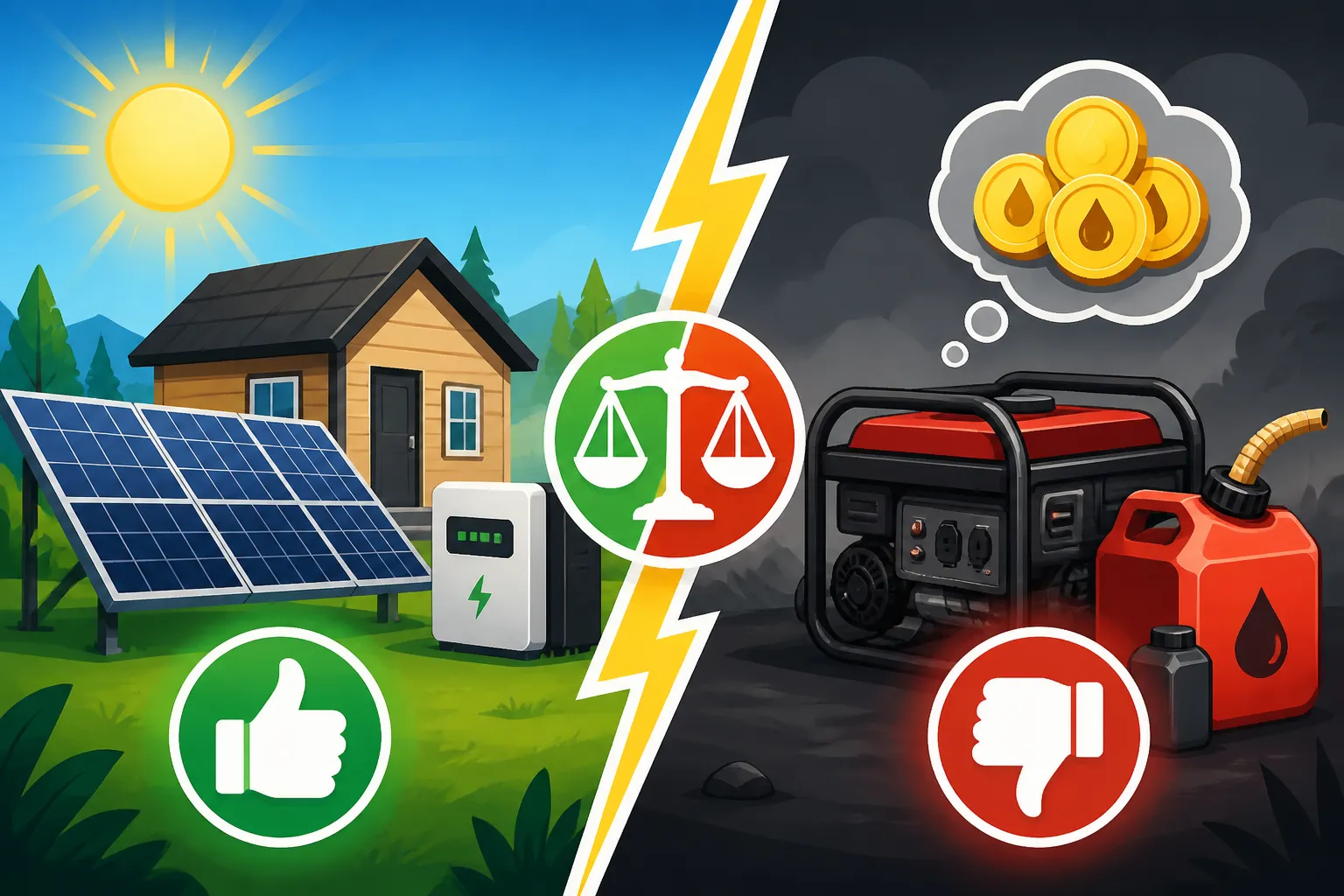
| Overall 10-Year Cost (Est.) | $6,000 – $230,000+ | $1,850 – $48,000+ |
Beyond Dollars: Environmental and Lifestyle Considerations
While the financial arguments for off-grid solar are compelling, there are equally important non-monetary benefits that sway many people towards making the switch. These aspects often contribute just as much, if not more, to the overall quality of off-grid living.
Noise, Emissions, and Convenience
Running a generator comes with a significant trade-off in terms of peace and quiet, and its impact on the environment around your off-grid sanctuary.
- Noise Pollution: Generators are loud. Whether it's a small portable unit or a larger standby model, the constant hum or roar can quickly erode the serenity of an off-grid environment. Imagine waking up to birdsong and the gentle rustle of leaves, only to have it drowned out by the thrum of a running engine. For many, escaping the noise of modern life is a primary reason for going off-grid, and a generator can compromise that significantly. Even the quietest inverter generators, like a Jackery, still produce noise that becomes noticeable after a while.
- Air Pollution and Fumes: Generators burn fossil fuels, which means they produce exhaust fumes containing carbon monoxide, nitrogen oxides, and particulate matter. These emissions are not only bad for the environment, contributing to air pollution and climate change, but they can also be a direct health hazard, especially if not properly vented. The smell of gasoline or diesel can permeate the air around your home, detracting from the natural scents of the wilderness. This constant exposure is a far cry from the clean, fresh air many off-gridders seek.
- Inconvenience: Running a generator means constantly managing fuel levels, making trips for refills, performing maintenance tasks like oil changes, and troubleshooting when things go wrong. It’s a recurring chore that demands attention and physical effort. The convenience factor of solar, where the sun silently charges your batteries without any intervention, is a huge quality-of-life improvement. You flip a switch, and the power is simply there.
Energy Independence and Resilience
This is perhaps the most profound benefit of off-grid solar, extending far beyond simple cost savings. It speaks to the very heart of the off-grid philosophy.
- True Self-Sufficiency: With an off-grid solar system, you are producing your own electricity from a renewable source. You are no longer tethered to a utility grid, nor are you reliant on the unpredictable supply and pricing of fossil fuels. This level of self-sufficiency is incredibly empowering. It means that when storms knock out power lines or global events disrupt fuel supplies, your home continues to hum along, unaffected. This peace of mind is invaluable.
- Environmental Stewardship: Choosing solar means choosing a cleaner, more sustainable path. You're reducing your carbon footprint, minimizing your reliance on finite fossil fuels, and contributing to a healthier planet. For many off-gridders, living in harmony with nature is a core value, and solar power perfectly aligns with this ethos. It's about taking responsibility for your energy consumption and making choices that benefit future generations.
- Increased Property Value: While the primary motivation might be personal, the long-term resilience and lower operational costs of an off-grid solar system can also increase the value of your property. A home with a reliable, established solar power system is a highly attractive asset in today's market, especially for those seeking sustainable living options. People are increasingly willing to pay a premium for turn-key off-grid solutions.
Making the Switch: Phasing in Your Off-Grid Solar
The idea of fully transitioning to off-grid solar can feel overwhelming, especially with the upfront costs. But it doesn't have to be an all-or-nothing proposition. Many people find success by phasing in their solar system, starting small and expanding as needs and budget allow. This gradual approach makes the transition more manageable and financially accessible. If you're pondering How to Budget for an Off-Grid Solar System, a phased approach can be a game-changer.
Starting Small with Solar for Critical Loads
You don't need to power your entire life with solar from day one. A smart strategy is to identify your most critical loads and build a small solar system around them first. This allows you to gain experience, understand your true energy needs, and immediately reduce your reliance on a generator.
- Target Essential Appliances: Begin by powering things like your lights, phone chargers, a small refrigerator (especially energy-efficient DC models), and perhaps a water pump. These are often the biggest draws or most important items that keep your off-grid life comfortable and functional. For instance, a small 400W solar panel system with a single 100Ah LiFePO4 battery and a modest inverter can easily handle these essentials, drastically cutting down generator run time.
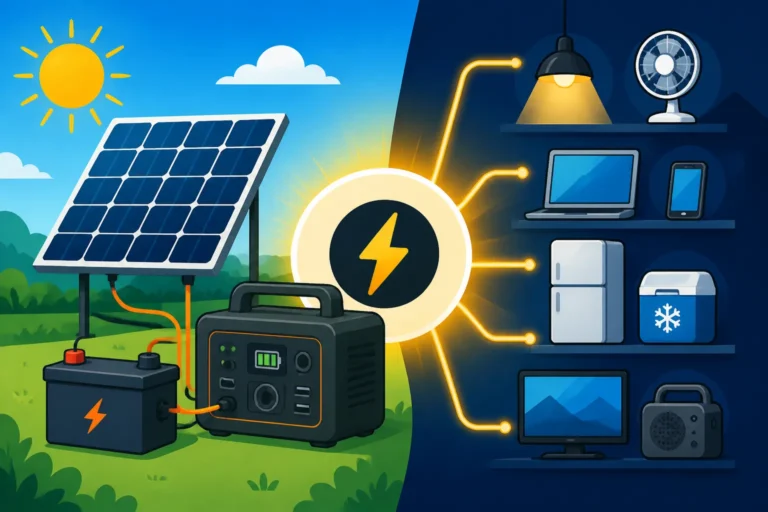
- Utilize Portable Solar Generators: Products like the Jackery Explorer series or EcoFlow Delta models are fantastic starting points. These all-in-one units combine a battery, inverter, and charge controller into a portable package. You can connect a few solar panels to them and power your critical devices, getting a taste of solar living without a full system installation. They can also be purchased easily from retailers like Amazon. This hybrid approach helps you ease into solar power.
- Learn and Expand: As you live with your initial solar setup, you'll gain invaluable insights into your actual energy consumption patterns. You might realize certain appliances draw more power than you thought, or that you need more battery autonomy for cloudy days. This knowledge is crucial for future expansion. Once you're comfortable, you can start adding more panels, increasing your Cost of an Off-Grid Solar Battery Bank, and upgrading your inverter to handle more loads, gradually reducing your generator reliance to a backup role.
When to Integrate a Backup Generator with Solar
Even with a robust off-grid solar system, a backup generator still has a valuable place. The key is to shift its role from primary power source to an auxiliary one, minimizing its run time and fuel consumption. This topic is expanded upon in our article on the Cost of Adding a Generator to Off-Grid Solar.
- Extended Cloudy Periods: No matter how large your solar array and battery bank, there will be times, especially during winter or prolonged stormy weather, when solar generation is low for several consecutive days. During these "days of autonomy" challenges, a generator can kick in to top off your batteries, preventing them from discharging too deeply and providing power when solar alone can't.
- High Surge Loads: Certain appliances, like powerful well pumps, large power tools, or even some air conditioners, can demand a huge surge of power for a short duration. While a properly sized solar inverter can handle these, for occasional use, it might be more cost-effective to use a generator for these specific, short-term, high-demand tasks rather than significantly oversizing your entire solar system just for them.
- Emergency Backup: A generator is an excellent failsafe. If an unexpected component in your solar system fails (e.g., an inverter goes out), or if there's a serious maintenance issue, having a generator on hand ensures you won't be without power. It provides an extra layer of security, allowing you to troubleshoot or await replacement parts without interruption to your daily life. The goal is to run it as little as possible, extending its lifespan and drastically cutting down on fuel and maintenance costs compared to constant use.
By integrating solar and using a generator strategically, you harness the best of both worlds: the clean, quiet, and cost-effective power of the sun for daily needs, and the reliable backup of a generator for those occasional challenging situations. This blended approach is often the most practical and financially sound path to true off-grid independence.
Disclaimer
The information provided in this guide is for general informational purposes only and does not constitute professional advice. Off-grid solar system design and installation can be complex and should ideally be undertaken by or with the consultation of certified professionals. Always adhere to local electrical codes, safety regulations, and product manuals. The costs and savings estimates are generalized and can vary significantly based on location, system size, component choices, market prices, and individual usage patterns.