Best Off-Grid Solar Kit for Backup Power
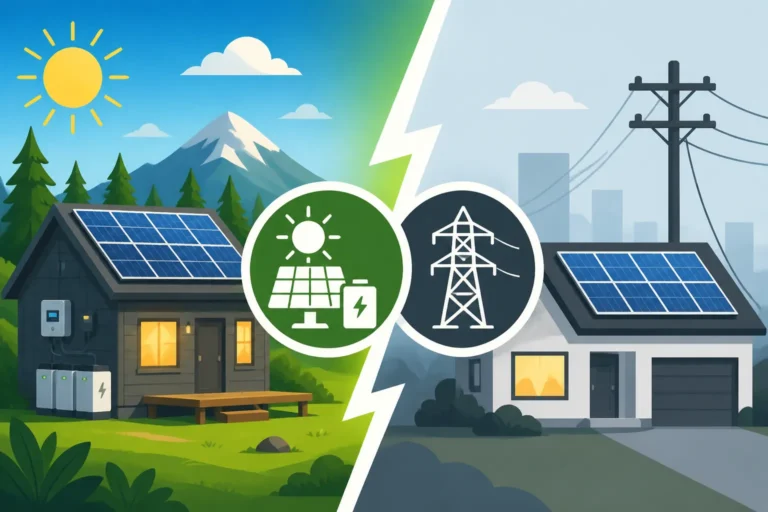
There's nothing quite like the stomach-dropping feeling of the lights flickering, then plunging into complete darkness, especially when you're relying on power for everything from keeping food cold to running essential medical equipment. Whether it's a winter storm knocking out lines, an unexpected grid failure, or simply living off the beaten path where utility services are unreliable, having a dependable source of backup power is no longer a luxury, but a necessity. This comprehensive guide will walk you through everything you need to know about choosing the best off-grid solar kit to keep your essentials running and your peace of mind intact when the grid goes down.
Why Off-Grid Solar for Backup Power is Essential
Living with the constant hum of the electrical grid in the background, it's easy to take reliable power for granted. But for many, grid stability is a real concern, and for others, like those in remote cabins or RVs, the grid isn't an option at all. This is where off-grid solar backup systems truly shine, offering a resilient and sustainable alternative to traditional power sources when emergencies strike.
The Unpredictability of Grid Failures
We've all been there: a fierce thunderstorm rolls through, a tree falls on a power line, or even an unexpected equipment malfunction at the local substation, and suddenly, you're without electricity. These aren't just minor inconveniences; they can pose serious challenges, especially for families with young children, elderly members, or those relying on medical devices like CPAP machines. The frustration of losing power can quickly turn to anxiety as you wonder how long you'll be disconnected from vital services and amenities. Having a backup system means you're prepared for these unpredictable events, no matter how long the outage lasts.
Moving Beyond Noisy Gas Generators
For years, the go-to solution for backup power was a gasoline generator. And sure, they get the job done, but at what cost? The incessant roar of an engine outside, the constant trips to refuel, the smell of exhaust fumes, and the worry about storing flammable fuel can quickly diminish the "backup" experience. Not to mention the regular maintenance they require. Off-grid solar kits, on the other hand, operate silently, require no fuel beyond the sun's rays, and demand significantly less hands-on maintenance. They offer a cleaner, quieter, and more eco-friendly solution that doesn't add to the stress of an already challenging situation.
Peace of Mind and Preparedness
Ultimately, the biggest benefit of an off-grid solar backup kit is the profound sense of security it provides. Knowing that you have the capability to power your essential appliances – your refrigerator, lights, a fan, or even just charging your phone to stay connected – can make all the difference during an emergency. It's about being proactive rather than reactive, transforming a potential crisis into a manageable inconvenience. This level of preparedness extends beyond just personal comfort; it contributes to the safety and well-being of your household, ensuring you can weather any storm with confidence.
Understanding Your Backup Needs: What Do You Really Need to Power?
Before you even start looking at specific kits, the most crucial step is to sit down and honestly assess your power needs during an outage. This isn't just about what you want to power, but what you absolutely need to keep running for safety, health, and basic comfort. Rushing this step is a common mistake that can lead to either an undersized system that leaves you vulnerable or an oversized one that busts your budget.
Critical Loads Versus Comfort Loads
When the power goes out, not everything is equally important. Your first priority should always be identifying your "critical loads." These are the non-negotiables: the refrigerator to keep food from spoiling, a few lights for visibility, charging your cell phone, and any essential medical devices. If you rely on a well pump for water, that's another critical load to consider.
"Comfort loads," on the other hand, are the nice-to-haves that can often wait, or that you might choose to run sparingly. Think about your microwave, air conditioner, washing machine, or even a television for entertainment. While these make life easier, powering them continuously with a backup solar system often requires a much larger, and therefore more expensive, setup. By distinguishing between these two categories, you can make smarter decisions about system sizing. For a deeper dive into identifying these needs, check out our guide on How to Calculate Off-Grid Solar Needs.
Calculating Energy Consumption
Once you've made your list of critical appliances, the next step is to figure out how much power each one actually uses. This isn't as daunting as it sounds! Most appliances have a sticker or label on them indicating their wattage (W) or amperage (A). For devices that run continuously, like a refrigerator, you'll need to estimate how many hours a day it actually "runs" (its compressor cycles on and off). For intermittent use items, like a coffee maker, you'll consider how many minutes or hours you expect to use it daily.
Here's a simple way to calculate daily watt-hours (Wh) for each appliance:
Watt-hours (Wh) = Watts (W) x Hours (h) of daily use
If an appliance lists only amperage (A), you can estimate wattage using:
Watts (W) = Amps (A) x Volts (V) (Use 120V for standard US household outlets).
Summing up the daily watt-hours for all your critical loads will give you your total daily energy consumption, which is the foundational number for sizing your entire off-grid solar system. This is a critical step, and understanding How Many Watt-Hours You Use Per Day is paramount.
| Appliance (Example) | Wattage (W) | Est. Daily Use (hours) | Daily Watt-Hours (Wh) |
|---|---|---|---|
| Refrigerator (Energy Star) | 100-200 W (when running) | 8-12 hours (cycling) | 800 – 2400 Wh |
| LED Lights (5 bulbs) | 9 W each (45W total) | 4 hours | 180 Wh |
| Phone Charger | 10 W | 2 hours | 20 Wh |
| Laptop | 50 W | 4 hours | 200 Wh |
| CPAP Machine | 30-60 W | 8 hours | 240 – 480 Wh |
| Total Critical Load (Example) | 1440 – 3000 Wh |
This table provides a rough estimate. Always check your specific appliance labels for accurate figures.
Accounting for Days of Autonomy
"Days of autonomy" refers to how many days your backup solar system can supply power without any sunlight input. This is especially important for areas prone to extended periods of cloudy weather, snow, or short winter days. For backup power, aiming for 2-3 days of autonomy is a reasonable starting point. This means your battery bank needs to be large enough to store 2-3 times your calculated daily critical load.
Considering factors like winter's reduced solar gain or persistent stormy weather is crucial. A system designed only for peak summer sun might leave you high and dry in December. Remember, the goal here is backup, so a bit of over-sizing your battery bank for bad weather can prevent a lot of headaches. This planning is vital when you're looking to understand How to Calculate Days of Autonomy for your specific situation.
Key Components of an Off-Grid Solar Backup Kit
An off-grid solar backup kit isn't just a single item; it's a collection of carefully selected components working in harmony to capture, store, and deliver electricity. Understanding what each part does is key to making an informed decision about your purchase.
Solar Panels
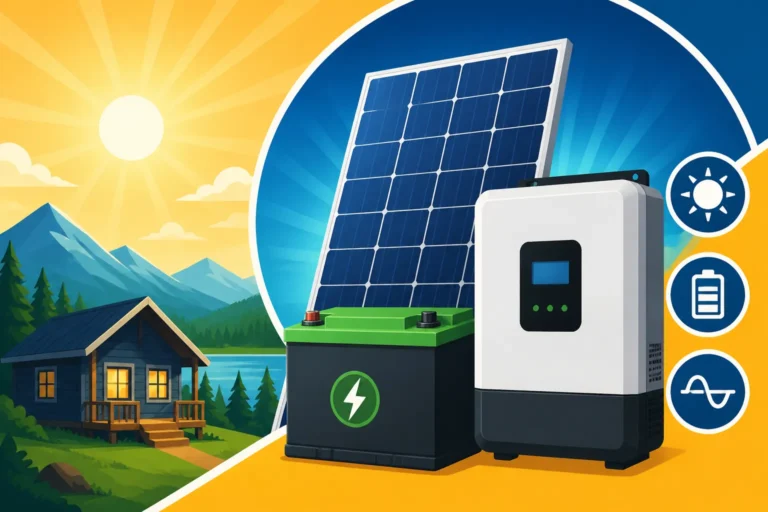
The solar panels are the frontline soldiers of your system, converting sunlight into usable electricity. For backup kits, you'll typically encounter a few types:
- Rigid Monocrystalline Panels: These are the most common, highly efficient, and durable panels you see on rooftops. They offer excellent power output for their size and are a solid choice for more permanent or semi-permanent backup setups, like a shed or a cabin. While they require a mounting solution, their longevity and performance are hard to beat.
- Flexible Solar Panels: Lighter and more adaptable, these can be ideal for RVs, vans, or situations where mounting rigid panels is impractical. They can adhere directly to curved surfaces and are less prone to damage from impacts. However, they generally have a shorter lifespan and can be less efficient than rigid panels, especially in hot conditions.
- Portable Foldable Panels: Often paired with solar generators (which we'll discuss soon), these are designed for grab-and-go situations. They're perfect for emergency preparedness, camping, or small, temporary power needs. Brands like Jackery offer highly portable folding panels that can be quickly deployed and packed away. The convenience is unmatched, though their power output is usually lower.
When choosing panels, consider the output (watts), physical size, durability, and how easily they can be deployed or stored in your specific backup scenario.
Batteries for Stored Energy
The battery bank is arguably the heart of any off-grid solar system, especially for backup power. It's where the electricity generated by your panels is stored until you need it, day or night. Without a robust battery bank, your solar panels are only useful when the sun is shining. The choice of battery technology significantly impacts both cost and performance.
- Lithium Iron Phosphate (LiFePO4) Batteries: These are the current darlings of the off-grid world, and for good reason. They offer superior energy density, meaning more power in a smaller, lighter package. They can be discharged much deeper (often 80-100% Depth of Discharge or DoD) without damaging the battery, and they boast an incredibly long cycle life – often 10 years or more, or thousands of cycles. While the upfront cost is higher, their long lifespan and performance often make them the most cost-effective choice in the long run. Many all-in-one solar generators, including popular Jackery models, utilize LiFePO4 for their longevity and reliability. For an in-depth look at costs, explore How Batteries Drive Off-Grid Solar Cost.
- Absorbed Glass Mat (AGM) Batteries: A type of sealed lead-acid battery, AGMs are a more budget-friendly option than LiFePO4. They are maintenance-free and can be discharged to about 50% DoD without significant damage. They are heavier and have a shorter cycle life (typically 3-5 years) compared to lithium, but they perform well in a wide range of temperatures and are readily available.
- Flooded Lead-Acid Batteries: These are the most economical upfront but require regular maintenance (checking and topping off water levels) and are sensitive to depth of discharge, ideally not going below 50%. They also release hydrogen gas during charging, requiring ventilation. While cheaper, they are less convenient for backup scenarios where maintenance might be overlooked.
The overall capacity of your battery bank, measured in amp-hours (Ah) or kilowatt-hours (kWh), should align with your calculated days of autonomy. You can dive deeper into this topic with our guide on How Many Batteries for an Off-Grid System.
Inverter and Charge Controller: The Brains of the Operation
These two components act as the critical intermediaries between your panels, batteries, and appliances.
- Charge Controller: This device regulates the voltage and current coming from your solar panels before it reaches your batteries. It prevents overcharging, which can severely damage batteries, and optimizes the charging process to extend battery life. There are two main types:
- PWM (Pulse Width Modulation): A simpler, less expensive option, suitable for smaller systems where the voltage of the panels closely matches the battery bank.
- MPPT (Maximum Power Point Tracking): More efficient, especially for larger systems or when panel voltage is significantly higher than battery voltage. MPPT controllers can extract more power from your panels, particularly in varying light conditions, making them a better long-term investment for serious backup needs. You can learn more about MPPT vs PWM Charge Controllers.
- Inverter: Your solar panels and batteries produce Direct Current (DC) electricity. Most household appliances, however, run on Alternating Current (AC). The inverter's job is to convert DC power from your batteries into usable AC power for your home.
- Pure Sine Wave Inverters: These produce a clean, stable waveform identical to grid power, making them safe for all electronics, including sensitive medical devices and appliances with motors.
- Modified Sine Wave Inverters: A less expensive option, but they produce a "choppier" waveform that can damage sensitive electronics or cause motors to run inefficiently. For critical backup power, especially with modern electronics, a pure sine wave inverter is always the recommended choice.
Many modern off-grid backup kits, especially solar generators, integrate the charge controller and inverter into a single, compact unit, often called an inverter-charger, simplifying the setup process immensely.
Accessories and Safety Components
Don't overlook the smaller but equally vital components that ensure your system operates safely and effectively.
- Cabling and Connectors: Proper sizing of cables prevents voltage drop and overheating. High-quality, UV-resistant connectors (like MC4 for solar panels) ensure secure and weather-tight connections.
- Fuses and Breakers: These are critical safety devices that protect your components from overcurrents and short circuits, preventing damage and potential fires. Proper fusing is non-negotiable for a safe installation.
- Battery Monitor: While not always included in basic kits, a good battery monitor provides crucial information about your battery's state of charge, voltage, current in/out, and remaining run time. This helps you manage your power consumption and avoid over-discharging your batteries, significantly extending their lifespan.
- Mounting Hardware: If you're using rigid panels, you'll need appropriate racking and mounting hardware, whether for a roof, ground mount, or specialized pole mount.
Investing in quality accessories and prioritizing safety will ensure your off-grid solar backup system is reliable and lasts for years to come.
Types of Off-Grid Solar Backup Kits
The term "off-grid solar kit" can encompass a wide range of products, from compact portable units to comprehensive, multi-component systems. Understanding the different types available will help you narrow down the best fit for your specific backup power needs.
Portable Solar Generators and Power Stations
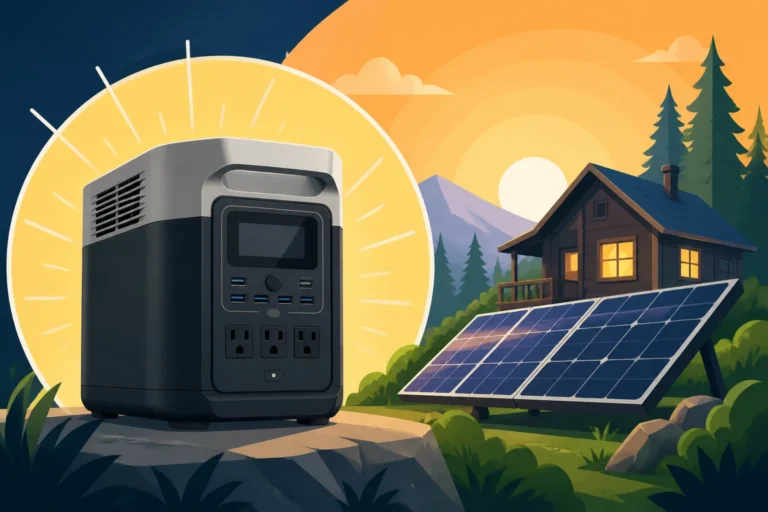
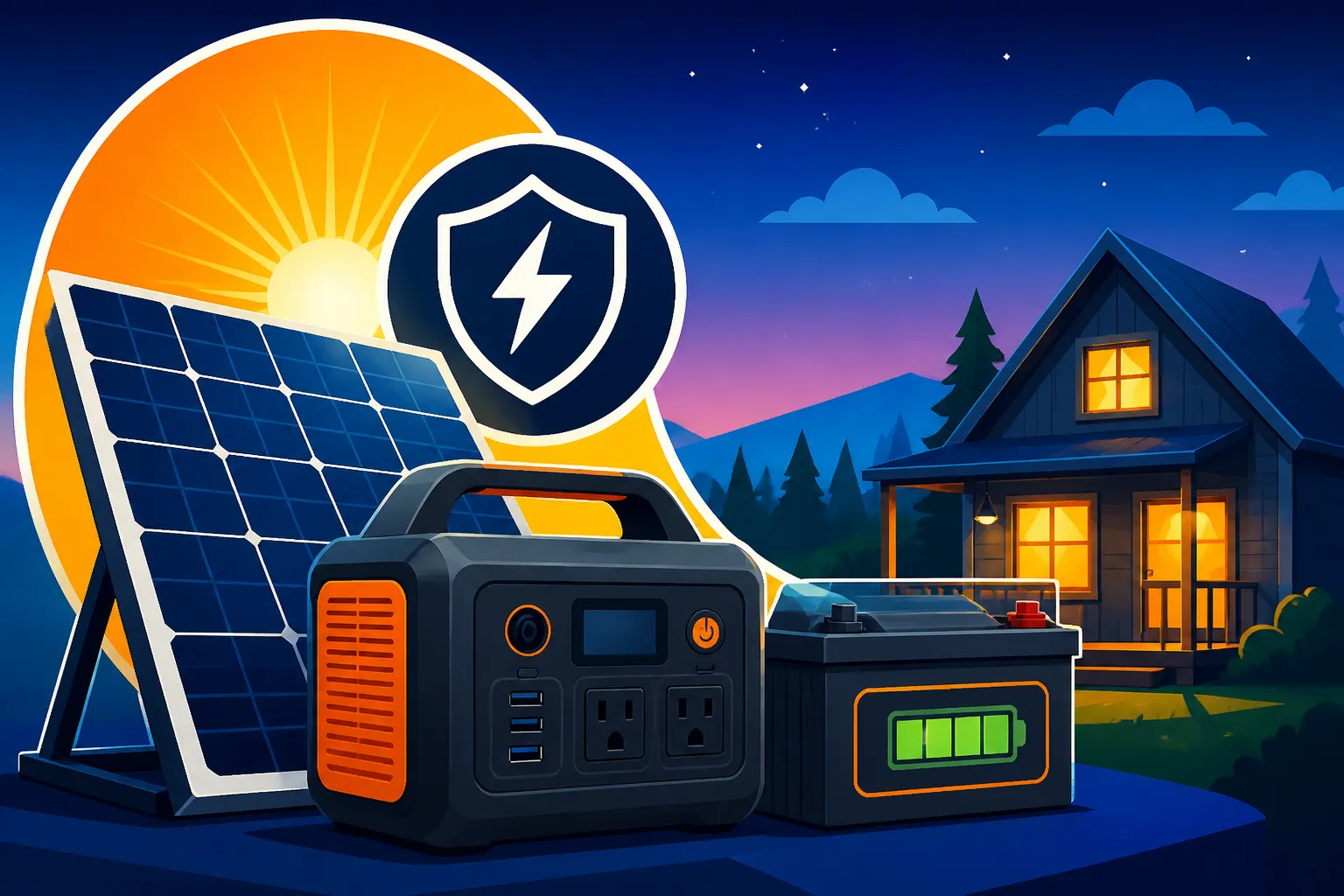
For many people seeking backup power, especially for essential items or temporary outages, a portable solar generator (often simply called a power station) is an incredibly popular and convenient choice. These all-in-one units typically combine a LiFePO4 battery, an inverter, and a charge controller into a single, compact, and easily transportable box. They come with various AC outlets, DC ports (like 12V car ports), and USB ports, making them incredibly versatile.
The biggest advantages of portable solar generators are their ease of use, plug-and-play simplicity, and virtually no installation required. You simply charge them up from a wall outlet, your car, or via portable solar panels, and they're ready to go. They're fantastic for powering critical loads like a refrigerator, lights, phones, and laptops during short to medium-length outages. Brands like Jackery, EcoFlow, and Bluetti offer a wide range of models, from smaller units perfect for camping to larger ones capable of running household appliances. For example, the Jackery 2000 Plus for Off-Grid: Specs and Review provides significant power capacity in a portable package, ideal for many backup scenarios. However, their capacity is generally limited compared to custom-built systems, and they typically cannot power large, high-wattage appliances for extended periods, like central air conditioning or electric water heaters.
Modular Component Kits
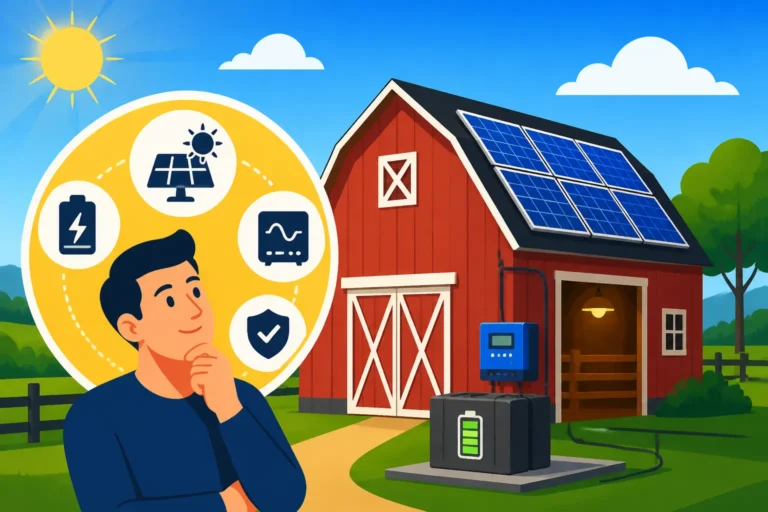
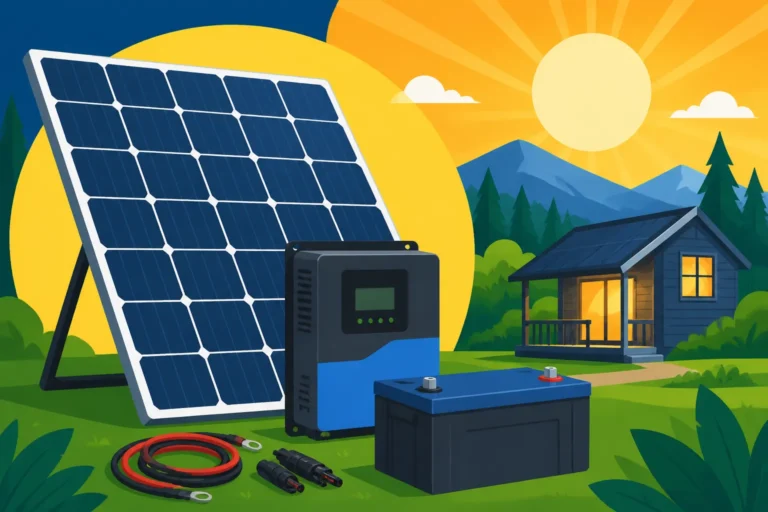
Modular component kits offer more flexibility and scalability than portable power stations. Instead of one integrated unit, these kits provide the core components – solar panels, a charge controller, an inverter, and sometimes batteries – as separate, but compatible, pieces. This allows users to customize the system to their exact needs, perhaps choosing specific panel sizes or battery capacities.
These kits are ideal for those who want a more robust, semi-permanent backup solution for a cabin, a workshop, or even a small home, but prefer the convenience of having pre-matched components. You still get the benefit of a curated system without the headache of sourcing every single part individually. Installation is more involved than with a portable power station, as you'll need to wire the components together and properly mount the panels. However, this modularity means you can often expand the system later by adding more panels or batteries, giving you room to grow. You can find options ranging from basic setups to comprehensive packages; understanding Off-Grid Solar Kit Price Ranges will help you budget effectively.
Integrated All-in-One Systems
Integrated all-in-one systems take the concept of a modular kit a step further by providing highly sophisticated components designed to work together seamlessly, often with advanced monitoring and management features. These systems might include a powerful inverter-charger unit that handles both converting DC to AC and charging batteries from multiple sources (solar, generator, or grid when available). They are typically designed for larger backup needs or even full-time off-grid living, where reliability and efficiency are paramount.
While more expensive and requiring professional or advanced DIY installation, these systems offer unparalleled performance, redundancy, and automation. They can often automatically switch to generator power if solar is insufficient, prioritize loads, and provide detailed energy usage data. This type of system is for those who are serious about long-term power independence and backup resilience, and who might eventually want to transition to a hybrid or full off-grid setup. Many high-end off-grid brands offer these comprehensive solutions, providing a robust foundation for serious power backup needs.
Choosing the Best Kit for Your Situation
Selecting the "best" off-grid solar kit for backup power isn't about finding a one-size-fits-all answer. It's about matching the system's capabilities with your unique needs, budget, and desired level of preparedness. Taking the time to carefully consider these factors will ensure you invest in a solution that truly serves you when you need it most.
Sizing Your Kit to Match Your Needs
This is where all that groundwork you did in calculating your critical loads and desired days of autonomy truly pays off. Your backup kit needs to generate and store enough power to cover your essential daily energy consumption, plus a buffer for cloudy days.
- Power Output (Watts/Kilowatts): The solar panel array's wattage should be sufficient to recharge your battery bank adequately, even during shorter winter days or less-than-ideal weather. Remember that panel ratings are under ideal conditions, so factor in real-world efficiency losses.
- Battery Capacity (Amp-hours/Kilowatt-hours): This is perhaps the most crucial sizing component for backup. The battery bank needs to store enough energy to last through your desired number of "days of autonomy" when there's no sun, and be able to provide the surge power needed by appliances like refrigerators or well pumps when they first start up. Don't skimp here; an undersized battery bank is a common source of frustration during outages. For help calculating this, refer to our guide on How to Size an Off-Grid Solar System. If you need to run specific high-draw items like an air conditioner or a well pump, you'll need significantly more solar and battery power than for basic lights and charging. Our article on How Much Solar to Run An Air Conditioner provides great detail on those larger loads.
It’s often recommended to slightly "oversize" your solar array by 15-20% to account for less-than-perfect conditions and system degradation over time.
Budget Considerations: Upfront Cost vs. Long-Term Value
Let's be real, investing in an off-grid solar backup kit can feel like a significant upfront expense. However, it's crucial to view this as an investment in your home's resilience and your family's safety, rather than just another purchase.
- Upfront Cost: Portable solar generators are often the most budget-friendly entry point, ranging from a few hundred dollars for small units to several thousand for powerful ones. Modular and integrated component systems will have a higher initial cost, especially once you factor in batteries and installation. For a detailed breakdown, check out How Much Does an Off-Grid Solar System Cost.
- Long-Term Value: While lead-acid batteries are cheaper initially, LiFePO4 batteries offer a much longer lifespan and better performance, making their "cost per cycle" significantly lower over time. Consider the cost of maintaining and refueling a gas generator over its lifetime versus the minimal operational costs of a solar system. Over a decade or more, a well-chosen solar setup can often prove to be more economical and certainly more convenient. Our guide on Is Off-Grid Solar Worth the Cost delves into this financial aspect. Don't forget to factor in potential state incentives for off-grid solar, which can further reduce costs in some areas.
Portability Versus Permanent Installation
Your specific backup scenario will largely dictate whether a portable or permanently installed system is more appropriate.
- Portable Solutions: If your primary concern is powering a few essentials during short power outages at home, or if you need backup for camping, RV trips, or a temporary worksite, a portable solar generator like a Jackery model is an excellent choice. They offer incredible flexibility and can be moved wherever power is needed most.
- Permanent or Semi-Permanent Installations: For longer-term outages, powering a remote cabin, or providing whole-home backup for critical circuits, a modular or integrated system with panels mounted on a roof or ground array is more suitable. These systems are typically more robust, have higher capacities, and offer seamless integration into your home's electrical system (often through a transfer switch). While they require a more involved installation process, their reliability and capacity for extended use are superior.
Expansion Potential: Planning for the Future
Life changes, and so might your power needs. Perhaps you start with a small backup system for essentials, but later decide you want to power more appliances or transition to partial off-grid living.
- Scalability: When choosing a kit, consider whether it's designed to be expandable. Can you easily add more solar panels later? Is the inverter large enough to handle increased loads, or can additional inverters be paralleled? Can you add more batteries to the bank?
- Component Compatibility: If you opt for a modular system, ensure that the chosen charge controller and inverter can handle future additions. Many advanced systems are designed with expandability in mind, allowing you to gradually grow your power independence. Thinking ahead about the Cost of Expanding an Off-Grid System can help you budget for future upgrades.
Choosing components from reputable brands that offer a consistent product line can make future expansion much smoother.
Installation and Maintenance for Reliability
Getting your off-grid solar backup kit up and running reliably involves more than just unboxing it. Proper installation and ongoing maintenance are crucial for ensuring it performs flawlessly when the grid decides to take a break. Don't let the technical aspects intimidate you; with a bit of planning and care, you can ensure your system is a dependable guardian of your power needs.
DIY Versus Professional Installation
One of the biggest questions you'll face is whether to tackle the installation yourself or bring in a pro. Both options have their merits and drawbacks.
- DIY Installation: For portable solar generators, installation is typically a breeze – just plug in your solar panels, and you're good to go. For basic modular kits, many handy individuals can follow detailed instructions and wire up the components, especially if they have some electrical experience. Going DIY can significantly reduce your initial costs, and it gives you a deep understanding of your system. However, it requires careful attention to detail, adherence to safety protocols, and a willingness to learn. Mistakes can be costly or, worse, dangerous. Our guide on How to Install an Off-Grid Solar System can provide a comprehensive overview if you're considering this route.
- Professional Installation: For more complex modular systems or integrated all-in-one setups designed to power larger loads or entire circuits, hiring a certified electrician or solar installer is often the wisest choice. They possess the expertise to ensure proper sizing, safe wiring, correct grounding, and compliance with local electrical codes. While this adds to the overall DIY vs Professional Off-Grid Solar Cost, it provides peace of mind that your system is installed correctly and safely, potentially avoiding costly errors or warranty issues down the line.
No matter which path you choose, always prioritize safety. Working with electricity, especially DC power from large battery banks, can be dangerous if proper precautions aren't taken.
Essential Maintenance Tips for Longevity
Off-grid solar systems are known for their low maintenance, but "low" doesn't mean "no." A few simple routines can significantly extend the lifespan and efficiency of your backup power system.
- Solar Panels: Keep your panels clean! Dust, dirt, leaves, and bird droppings can significantly reduce their output. A simple rinse with water and a soft brush or sponge (avoid harsh chemicals or abrasive materials) a few times a year, or more frequently if you live in a dusty area, is usually sufficient. In snowy regions, gently clear snow accumulation to maximize winter charging.
- Batteries:
- LiFePO4: These are largely maintenance-free due to their robust Battery Management Systems (BMS). The main thing is to monitor their state of charge via your battery monitor and avoid prolonged storage at very low or very high states of charge, especially in extreme temperatures.
- AGM/Lead-Acid: Regularly check connections to ensure they are clean and tight. For flooded lead-acid, monitor electrolyte levels and top off with distilled water as needed. Keep the battery compartment clean and well-ventilated.
- Regardless of type, avoid consistently discharging batteries below their recommended Depth of Discharge (DoD) as this dramatically shortens their life. Understand the Off-Grid Solar Maintenance Costs associated with different components over time.
- Connections and Wiring: Periodically inspect all wiring and connections for signs of corrosion, fraying, or loosening. Ensure all fuses and breakers are in good working order. Rodents can sometimes chew through wires, so keep an eye out for any damage. Check out Off-Grid Solar Wiring Best Practices to ensure your setup is sound.
- Inverter and Charge Controller: Keep these components free of dust and ensure they have adequate ventilation to prevent overheating. Monitor any error codes or warning lights they may display.
Regular, simple checks can prevent small issues from becoming major problems, ensuring your system is ready when an emergency strikes.
Safety First: Grounding and Protection
Electrical safety is paramount in any power system, and off-grid solar is no exception. Overlooking safety measures can lead to equipment damage, fire, or severe injury.
- Grounding: All metal components of your solar system – panel frames, mounting racks, inverter chassis, and battery enclosures – must be properly grounded. This provides a safe path for fault currents to dissipate, protecting against electrical shock. Local electrical codes will have specific requirements for grounding that you must follow. Our guide on Off-Grid Solar Safety and Grounding provides critical information on this topic.
- Fuses and Breakers: We mentioned these before, but it bears repeating: proper fusing on both the DC (panel and battery) and AC (inverter output) sides is non-negotiable. These devices are your primary line of defense against overcurrents and short circuits. Ensure they are correctly sized for your system's current loads and are easily accessible.
- Disconnect Switches: Install disconnect switches on both the DC side (between panels and charge controller, and between charge controller and batteries) and the AC side (from the inverter to your loads). These allow you to safely de-energize sections of your system for maintenance or in an emergency.
- Ventilation: If you have lead-acid batteries, ensure their enclosure is well-ventilated to prevent the buildup of explosive hydrogen gas. Even LiFePO4 batteries benefit from good airflow to prevent overheating, especially during charging and discharging.
By prioritizing these safety measures, you're not just protecting your equipment; you're safeguarding yourself and your family. Consulting the National Electrical Code (NEC) guidelines, especially for dwelling units, is highly recommended even for off-grid systems.
Disclaimer
Please remember that the information provided in this guide is for general informational and educational purposes only. While we strive to offer accurate and helpful advice, off-grid solar system design and installation can be complex and may involve working with high voltages. Improper installation or maintenance can lead to property damage, injury, or even death. We strongly recommend consulting with qualified, certified professionals for system design, installation, and any specific safety concerns. Always adhere to local electrical codes and regulations.