Off-Grid Transfer Switch Installation Mistakes to Avoid
Embarking on the journey of off-grid living is incredibly rewarding, but it often comes with a steep learning curve, especially when you start delving into the electrical systems that power your independence. One component that many folks find daunting, yet is absolutely critical for safety and smooth operation, is the transfer switch. A botched installation of this vital piece of equipment can lead to dangerous electrical hazards, damage to your expensive components, or simply a system that doesn't work when you need it most. This guide is here to walk you through the most common off-grid transfer switch installation mistakes, helping you understand how to avoid them and ensure your power system is both reliable and safe.
Understanding the Role of an Off-Grid Transfer Switch
Before we dive into what can go wrong, let's get a solid grasp of what a transfer switch actually does in an off-grid environment. It's not just a fancy switch; it's a gatekeeper, an essential safety device, and a crucial component for managing multiple power sources.
What Exactly Is a Transfer Switch?
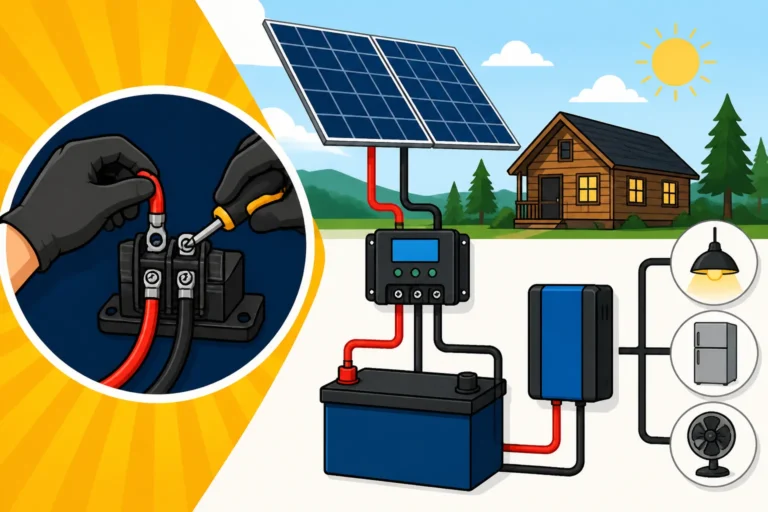
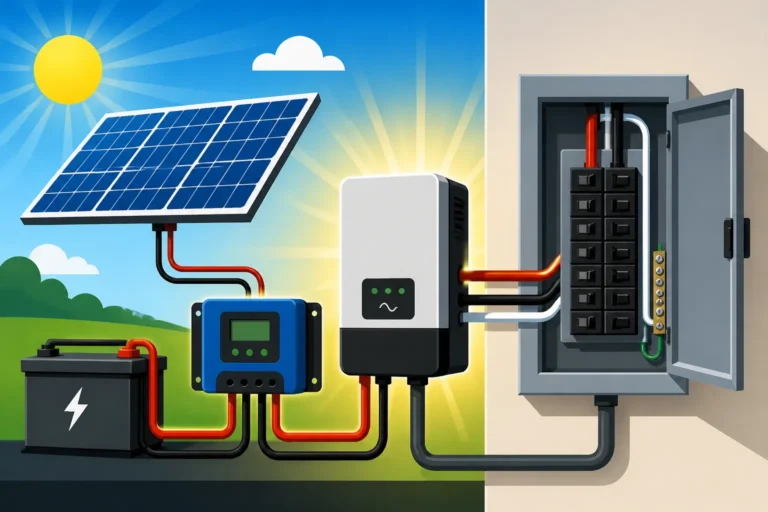
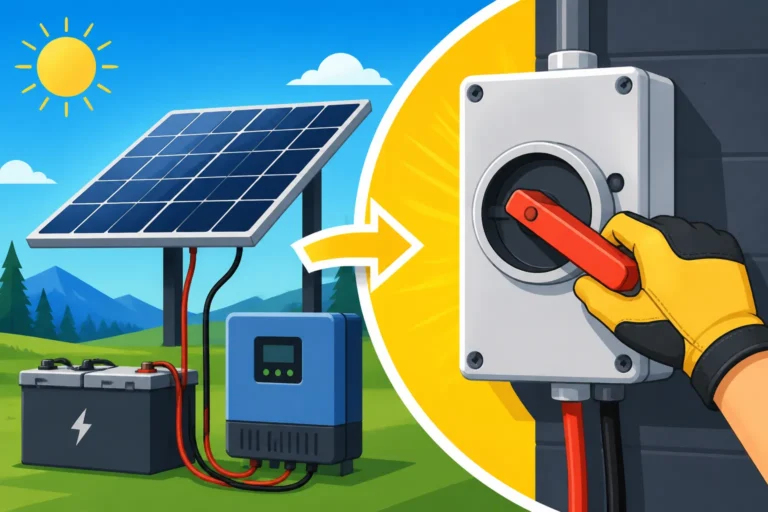
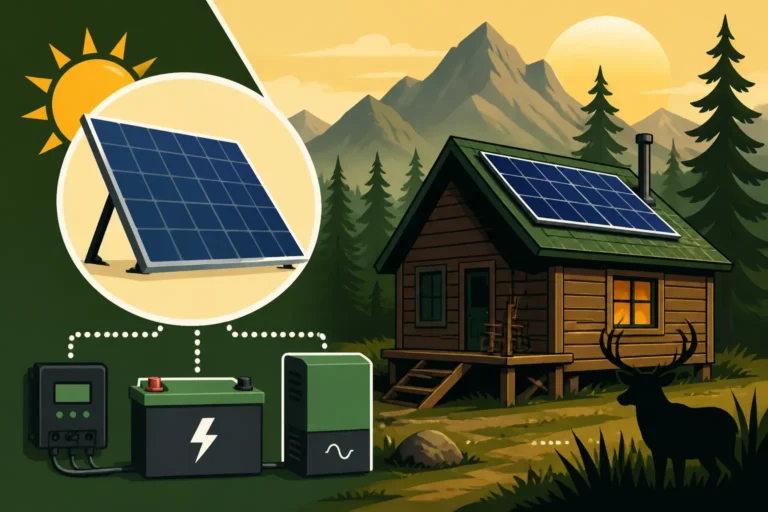
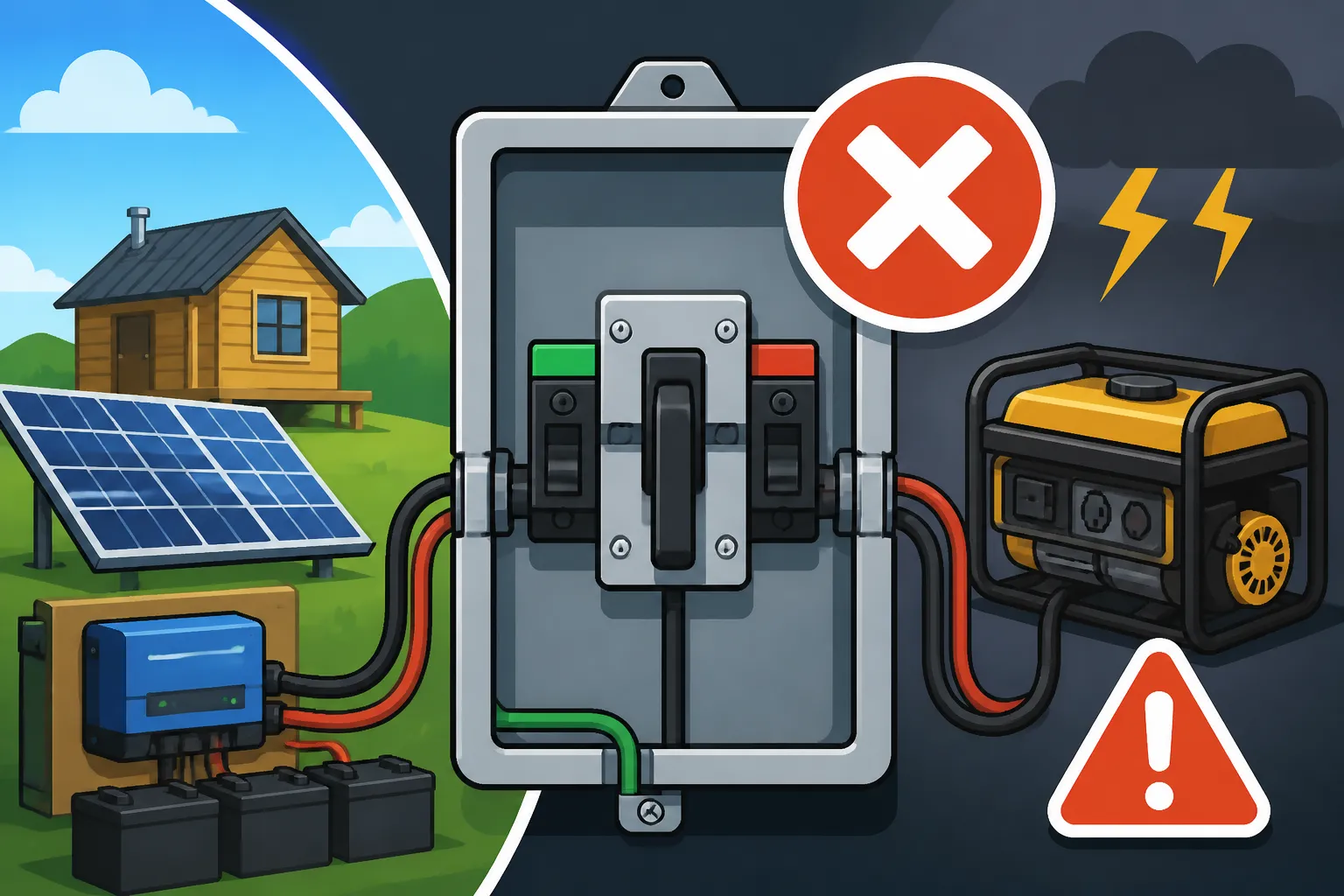
At its core, a transfer switch is an electrical device that safely disconnects your electrical load from one power source and connects it to another. In an off-grid setup, your primary power source is typically your solar inverter, which converts the DC power from your batteries into usable AC power for your home or cabin. However, what happens when the sun isn't shining, or your battery bank runs low? This is where a backup generator often comes into play. The transfer switch ensures that your loads (like your refrigerator, lights, and well pump) are only connected to one source at a time – either your solar inverter or your backup generator, never both simultaneously.
Why is this so important? Imagine connecting your generator directly to your inverter's output while the inverter is still trying to power things. This creates a dangerous feedback loop, potentially sending electricity back to the generator, damaging both your generator and your inverter, and risking severe electrical shock if someone touches a generator that's unexpectedly energized. A transfer switch prevents this "backfeeding," protecting your equipment and, most importantly, you and your property. It's a non-negotiable part of any off-grid system that incorporates a backup generator, ensuring seamless and safe transitions between your solar power and auxiliary power sources. Without it, you’re not just risking system failure, you're creating a serious safety hazard.
Manual vs. Automatic Transfer Switches for Off-Grid Systems
When it comes to transfer switches, you generally have two main types to consider for your off-grid setup: manual and automatic. Each has its own set of characteristics that make it suitable for different situations and preferences.
A manual transfer switch is exactly what it sounds like: you physically flip a switch or throw a lever to transfer power from one source to another. If your batteries are low and your inverter shuts off, you'd head out to your generator, start it up, then go to the transfer switch and manually switch your loads over to the generator. Once your batteries are recharged by solar or the generator, you'd reverse the process. Manual switches are generally more affordable and simpler in design, meaning there are fewer electronic components to potentially fail. They're a popular choice for smaller cabins, RVs, or setups where the user is always on-site and prefers to have direct control over power transitions. For example, a basic manual transfer switch might be ideal for a remote hunting cabin that only sees intermittent use. Many folks building their first off-grid system often look for these simpler solutions on platforms like Amazon to keep costs down and complexity manageable.
On the other hand, an automatic transfer switch (ATS) takes the human element out of the equation. These sophisticated devices constantly monitor your primary power source (your solar inverter's output). When they detect a drop in voltage or a complete power outage, they automatically signal your backup generator to start up and then seamlessly switch your loads to the generator. When the primary power (solar) returns, the ATS switches back and shuts down the generator. This "set it and forget it" functionality is fantastic for larger off-grid homes, systems powering critical loads like medical equipment, or situations where you might not always be present to manage power transitions. They offer unparalleled convenience and peace of mind, but they come with a higher price tag and require more complex wiring and programming. Many robust off-grid inverter-chargers, like those from brands such as Victron or Sol-Ark, have integrated transfer switch functionality that behaves much like an ATS, providing an all-in-one solution. Understanding the nuances of these choices is crucial, as the wrong decision can lead to inconvenience or even system damage if not properly managed.
| Feature | Manual Transfer Switch | Automatic Transfer Switch (ATS) |
|---|---|---|
| Operation | Requires human intervention to switch sources | Automatically detects power loss and switches sources |
| Cost | Generally lower upfront cost | Higher upfront cost due to complexity and automation |
| Complexity | Simpler wiring, fewer failure points | More complex wiring, requires monitoring and control |
| Convenience | Low; requires manual interaction during outages | High; seamless, hands-free power transitions |
| Typical Off-Grid Use | Small cabins, RVs, occasional use, budget builds | Full-time off-grid homes, critical loads, remote monitoring |
| Common Mistakes | Forgetting to switch, miswiring connections | Incorrect programming, compatibility issues, sensor failure |
| Integrated Options | Standalone units | Often integrated into advanced inverter-chargers (e.g., Renogy inverter-chargers with generator ports) |
Common Installation Mistakes with Off-Grid Transfer Switches
Even with a clear understanding of what a transfer switch does, the actual installation can be fraught with potential pitfalls. These mistakes aren't just minor inconveniences; they can compromise your system's integrity, create safety hazards, and leave you without power when you need it most.
Incorrect Wiring and Sizing Issues
One of the most dangerous and common mistakes installers make is improper wiring and sizing. This includes everything from using the wrong wire gauge to incorrectly sizing circuit breakers or fuses, and even simple mislabeling.
You see, electricity needs correctly sized pathways. If you’re running a large off-grid home, your main power lines from the inverter and to your main service panel might be 2/0 or 4/0 AWG cable, designed to handle hundreds of amps. But if your transfer switch input or output terminals are only rated for smaller wires, or if you use wires that are too thin (undersized) for the current they're carrying, you're asking for trouble. Undersized wires will overheat, creating a serious fire risk. Similarly, correctly sizing your circuit breakers and fuses is paramount. These devices are your system's first line of defense against overcurrents and short circuits. If you install a 50-amp breaker on a circuit designed for 30 amps, that wire can melt long before the breaker trips, leading to disaster. It's crucial to perform a thorough load analysis to determine your system's maximum current draw, which dictates the appropriate wire gauge and breaker sizes for your transfer switch and all associated circuits. Referencing a guide like How to Size Wire and Cables and How to Size Fuses and Breakers can be immensely helpful here.
Another subtle but significant mistake is incorrect labeling or simply assuming you'll remember which wire goes where. When you're dealing with live circuits and multiple power sources, clear and permanent labeling is not just a suggestion – it's a safety imperative. Every wire entering and leaving the transfer switch, every breaker, and every terminal should be clearly marked. Imagine having an emergency in the middle of the night, and you can't tell which switch disconnects the generator or which breaker protects a critical circuit. This kind of confusion can lead to incorrect troubleshooting, system damage, or worse, injury. Always take the time to create a detailed wiring diagram and meticulously label everything during installation. Many kits found on Amazon might come with basic instructions, but it's up to you to add your own detailed labels for safety.
Neglecting Proper Grounding and Bonding
This is a mistake that can literally be a killer. Proper grounding and bonding are the bedrock of any safe electrical system, especially in off-grid applications where the ground fault path might not be as obvious as it is with a grid-tied system.
"Grounding" refers to connecting your electrical system to the earth, providing a safe path for fault currents to dissipate, thereby preventing dangerous voltage buildup on metallic enclosures and equipment. Your transfer switch, being a central point for power routing, absolutely needs to be properly grounded. If it's not, and a fault occurs (say, a live wire touches the metal casing), the casing could become energized, turning a simple touch into a potentially fatal shock. The National Electrical Code (NEC) provides extensive guidelines for proper grounding, requiring connections to ground rods, metal water pipes, or other approved grounding electrodes. Ignoring these standards is a recipe for disaster. A thorough understanding of How to Ground an Off-Grid Solar System is essential for a safe installation.
"Bonding," on the other hand, ensures that all metallic components that could become energized – conduit, equipment enclosures, junction boxes, and even the transfer switch housing itself – are electrically connected together. This creates a continuous, low-impedance path back to the system's ground. If these components aren't bonded together, different metallic parts could be at different electrical potentials during a fault, meaning touching them simultaneously could result in an electric shock. Many people mistakenly think that if a component is grounded, it's also bonded, but they are distinct yet equally critical safety measures. Skipping proper bonding around your transfer switch and associated conduit means you're leaving open pathways for dangerous voltages to lurk, waiting for an unsuspecting touch. This step is often overlooked because it seems less "functional" than wiring, but its role in preventing electrocution cannot be overstated.
Overlooking Inverter Compatibility and Surge Ratings
Your transfer switch isn't an isolated component; it's part of a larger ecosystem, and its performance is intimately tied to your inverter and the loads it powers. A common oversight is failing to properly match the transfer switch to your inverter's capabilities, especially when it comes to surge ratings.
Inverters, particularly pure sine wave models like those often used in serious off-grid setups, have both a continuous power rating and a surge rating. The continuous rating is what they can supply day-in and day-out, but the surge rating is how much power they can briefly provide to start up demanding appliances like refrigerators, well pumps, or power tools. These appliances have a much higher "starting watt" requirement than their "running watt" usage. If your transfer switch, or any of its internal relays, isn't rated to handle these momentary surges, it can easily burn out. You might think your 3000-watt inverter is fine with a 30-amp transfer switch, but if your well pump draws 6000 watts for a split second on startup, that transfer switch might be toast. It's crucial to check the specifications of your inverter – often found in product manuals for brands like Renogy or Victron – and ensure your transfer switch can handle not just the continuous load but also the maximum surge your system will experience.
Another related mistake is not accounting for the specific characteristics of your inverter's AC output. Some inverters have very sensitive fault detection circuits, while others are more robust. Mismatched components can lead to nuisance tripping, where your transfer switch wrongly interprets a normal load spike as a fault and switches sources unnecessarily, or worse, fails to switch when a real problem occurs. When you are looking at inverter options, consider its integrated transfer switch capabilities. Many Best Off-Grid Solar Inverters include a pass-through function with an internal transfer switch, simplifying your setup significantly and reducing compatibility headaches. Always cross-reference the maximum amperage and voltage ratings of all connected components – your inverter, transfer switch, and even your AC distribution panel – to ensure they are compatible and capable of safely handling your expected and peak loads.
Improper Placement and Environmental Considerations
The physical location and environmental protection of your transfer switch are just as important as its electrical connections. Neglecting these aspects can lead to premature component failure, reduced safety, and unreliable operation.
Electrical components, especially those with moving parts like transfer switches, do not fare well when exposed to the elements. Dust, moisture, extreme temperatures, and direct sunlight can all degrade internal components, leading to corrosion, shorts, or mechanical failure. Installing a transfer switch outdoors without a proper NEMA-rated enclosure (which specifies protection levels against environmental factors) is a critical mistake. For example, a NEMA 3R enclosure is typically needed for outdoor use, protecting against rain, sleet, ice, and dust. Inside, even seemingly benign locations like an unventilated shed can cause problems due to heat buildup, especially if the switch is handling high currents. Components generate heat, and if that heat can't dissipate, it shortens their lifespan and can lead to malfunctions.
Accessibility and serviceability are also often overlooked. A transfer switch should be installed in a location that is easily accessible for both operation (if it's a manual switch) and maintenance or troubleshooting. Burying it behind a stack of firewood in a dimly lit corner of your shed might seem convenient for space, but it's a nightmare when you need to quickly inspect it or make a switch during an emergency. You should have clear access, good lighting, and enough working space around the unit to safely perform tasks. Think about it: if you need to quickly engage your generator during a cold snap, fumbling around in the dark for a hidden switch is not ideal. Moreover, proper ventilation is essential for indoor installations to prevent overheating, and adequate spacing around the unit allows for cooling and safe access. Taking a moment to consider the long-term implications of placement can save you a lot of headaches down the road.
Safety Protocols and Best Practices for Installation
Now that we've covered the common missteps, let's talk about how to do things right. Safety should always be your number one priority when working with electricity, and nowhere is that more true than with an off-grid system that might involve multiple power sources.
Step-by-Step Installation Considerations
Approaching your transfer switch installation with a methodical, step-by-step mindset is crucial for both safety and functionality. Rushing or skipping steps is where most problems begin.
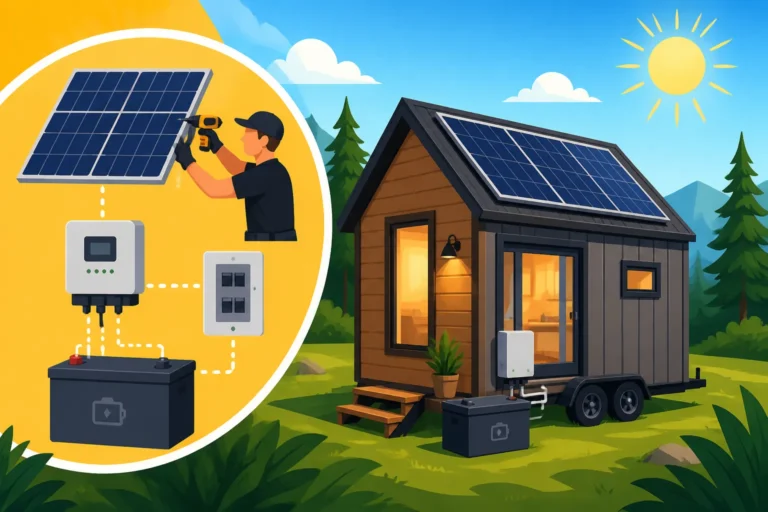
First and foremost, always de-energize and lock out all power sources before you begin any work. This means shutting off your solar array (using disconnects at the panels and combiner box), disconnecting your batteries, and ensuring your generator is off and cannot accidentally start. Verify with a multimeter that there is no voltage present on any wires you'll be working with. This is non-negotiable. Once everything is confirmed de-energized, you can proceed with mounting your transfer switch securely to a wall or panel, ensuring it's level and rigid. The mounting hardware should be appropriate for the weight of the switch and the material of the wall.
Next comes the detailed wiring. Follow your specific transfer switch's wiring diagram meticulously. Typically, you'll have inputs for your primary power source (inverter AC output) and your secondary power source (generator AC output), and then an output that feeds your main AC load panel. Ensure that all wire connections are tight, secure, and made with the correct crimps or terminals. Loose connections are a major source of resistance, heat, and potential failure. Double-check wire routing to prevent pinching or abrasion. After all connections are made, perform a thorough visual inspection, cross-referencing against your wiring diagram. Look for any exposed conductors, incorrect terminal connections, or signs of damage. When installing an off-grid system, remember that understanding the Off-Grid Solar Wiring Diagram Explained will simplify this complex process and minimize errors.
Finally, before re-energizing, conduct a series of tests. Use your multimeter to verify continuity and check for any short circuits between phases or to ground. Once these checks pass, you can cautiously re-energize your battery bank and inverter. Before starting the generator, test the transfer switch with your inverter power. Ensure the switch is working correctly by checking voltage at the output terminals. Only then, with the inverter operating, can you safely start your generator and test the transfer operation. Start with small loads, then gradually increase them, monitoring voltage and current at each stage. This meticulous approach, which might seem overkill, is what separates a safe, reliable installation from a hazardous one. More advanced troubleshooting tips can be found in resources like How to Test an Off-Grid Solar System.
Permitting, Codes, and Professional Assistance
This is the part that many DIYers groan about, but ignoring local building codes, electrical standards, and when to call in a professional is a gamble you should never take with electricity.
Depending on your location and the scale of your off-grid project, you may need permits for your electrical installation, including your transfer switch. Many jurisdictions, even for off-grid properties, require adherence to the National Electrical Code (NEC). The NEC is not just a suggestion; it's a comprehensive set of standards designed to ensure electrical safety. Your transfer switch must be installed in compliance with these codes, which cover everything from wire sizing and overcurrent protection to grounding and clearances. Ignoring permitting requirements or code compliance can lead to fines, forced system dismantling, insurance issues, or, more importantly, an unsafe installation that endangers lives. Always check with your local authority having jurisdiction (AHJ) before starting work to understand specific requirements. This often means delving into Off-Grid Solar Permits and Codes to ensure you're on the right side of the law and, more importantly, safety.
While the spirit of off-grid living often champions self-sufficiency, there are times when calling in a licensed electrician is not just a good idea, but a necessity. If you're dealing with a large system, high voltages, or simply feel unsure about any aspect of the electrical work, hire a professional. An experienced electrician specializing in off-grid systems will understand the nuances of battery banks, inverter outputs, and generator integration, ensuring all components, including your transfer switch, are installed safely and to code. They can identify potential issues you might miss, ensure proper grounding, and conduct comprehensive testing. The cost of hiring a professional for a critical component like a transfer switch is a small price to pay for peace of mind, safety, and a reliable system. Think of it as an investment in your safety and the longevity of your entire off-grid setup. Many articles, such as When to Hire an Electrician for Off-Grid Solar, can help guide your decision. Don't be afraid to admit when a task is beyond your comfort zone; electrical work is not the place for guessing.
Disclaimer
Please remember that working with electricity can be extremely dangerous. The information provided in this guide is for informational purposes only and should not be considered a substitute for professional advice or hands-on training. Always consult with a qualified electrician or solar professional before attempting any electrical work, especially when installing an off-grid solar system. Follow all local codes, regulations, and safety protocols. The author and publisher are not liable for any injury, damage, or loss that may result from the use or misuse of this information.