How to Budget for an Off-Grid Solar System
An off-grid solar system budget explains hidden expenses like permitting fees, wiring, mounting hardware, and installation materials.
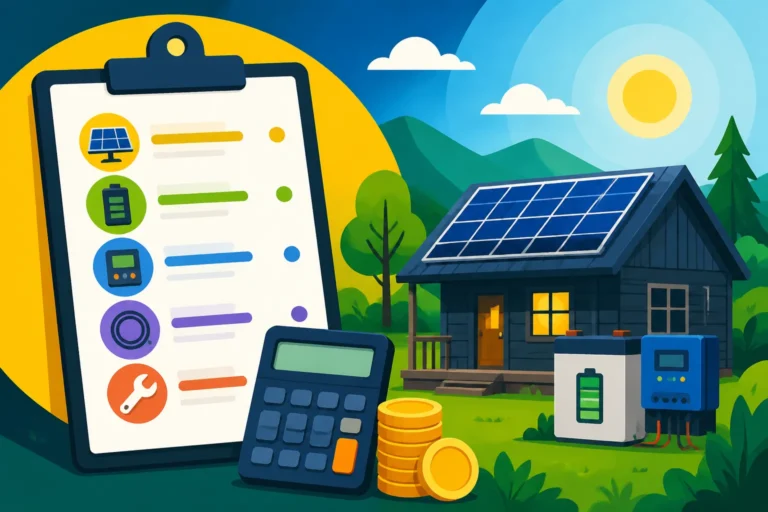
An off-grid solar system budget explains hidden expenses like permitting fees, wiring, mounting hardware, and installation materials.

State incentives for off-grid solar systems lower upfront installation costs through localized tax credits and deductions.

The federal solar investment tax credit offers a thirty percent reduction for off-grid systems on a United States dwelling.

Off-grid solar financing options provide practical advice to fund battery banks, panels, and equipment for energy independence.

Expanding an off-grid solar system involves budgeting for growing energy demands, seasonal weather variations, and upgrading older equipment.
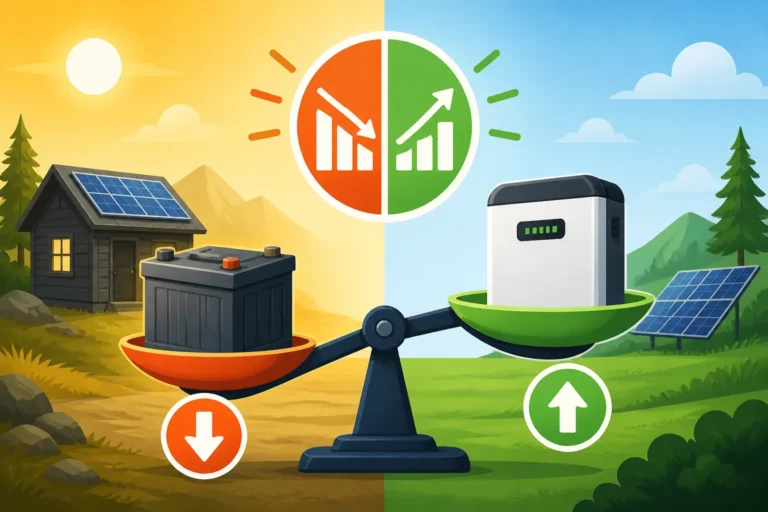
Battery choice accounts for 30 to 50 percent of off-grid solar costs, determining long-term expenses and replacement frequency.
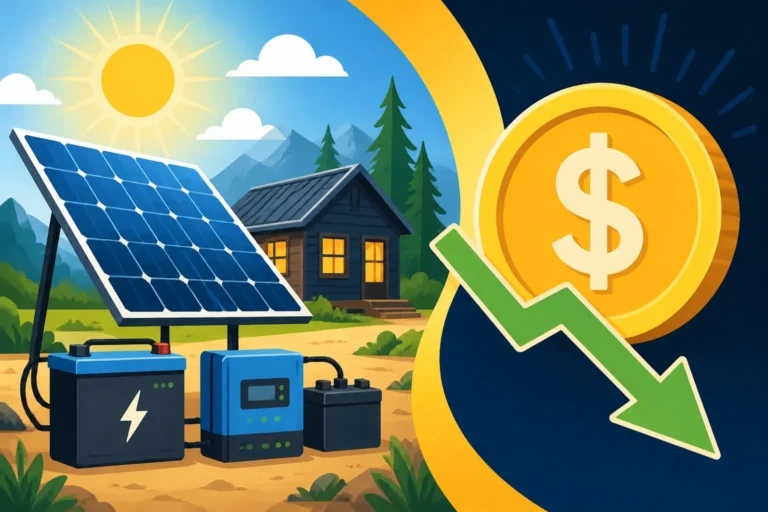
Off-grid solar cost per watt calculation methods and component expenses explained for independent power system budgeting.

Off-grid solar return on investment evaluates financial gains and lifestyle benefits by weighing upfront system costs against avoided utility expenses.
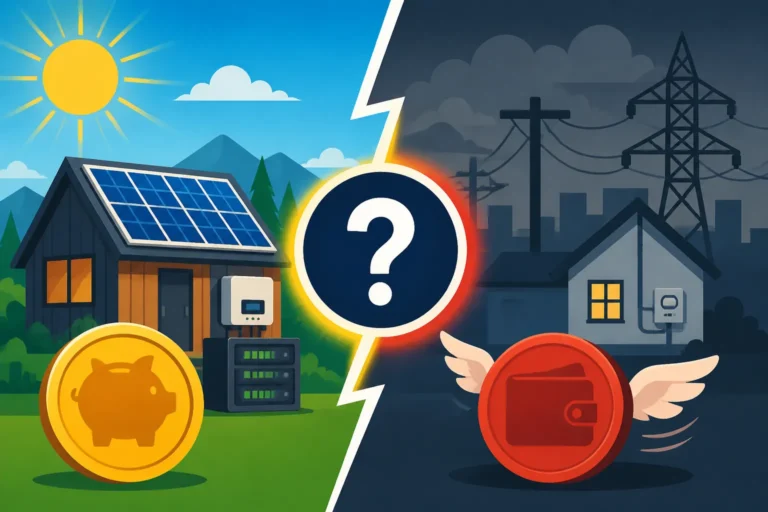
Off-grid solar and traditional utility expenses compared through upfront costs, monthly delivery charges, and rate volatility.
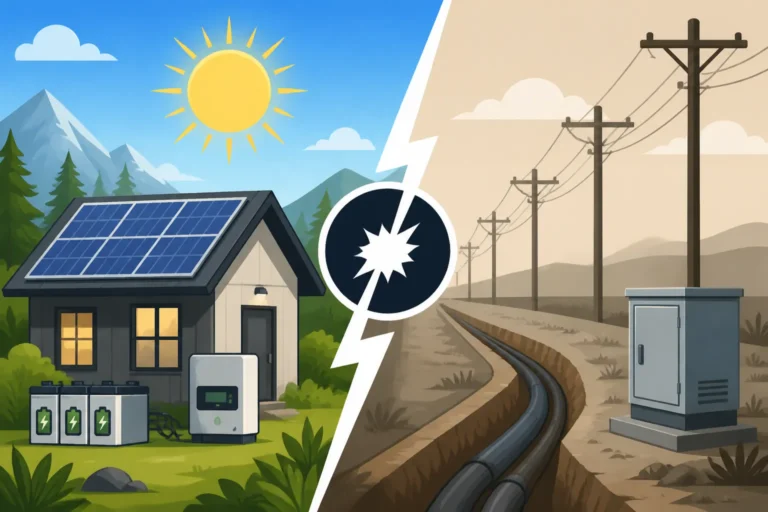
Utility line extension costs range from thousands to hundreds of thousands of dollars depending on distance, terrain, and required equipment.