Is Sol-Ark a Good Off-Grid Inverter Brand
When you're embarking on the journey of off-grid living, one of the most critical decisions you'll face is choosing the right inverter for your solar system. It can feel overwhelming, with so many brands promising the world, and you're just trying to figure out if you're investing in something truly reliable or just another expensive gadget. Today, we're going to take a really close look at Sol-Ark, a name that's been making a significant splash in the off-grid community, and break down whether their inverters are genuinely a good fit for your independent power needs.
Understanding Sol-Ark's Appeal for Off-Grid Power
For many off-gridders, the vision is a system that's powerful, reliable, and as simple to manage as possible. The frustration often comes from trying to piece together disparate components – an inverter from one brand, charge controllers from another, and monitoring software that barely talks to anything. This fragmented approach can lead to compatibility headaches, complex wiring, and a steep learning curve that drains both time and enthusiasm. This is precisely where Sol-Ark has carved out its niche, offering an all-in-one solution that aims to simplify the entire off-grid power experience.
The Integrated Design Advantage
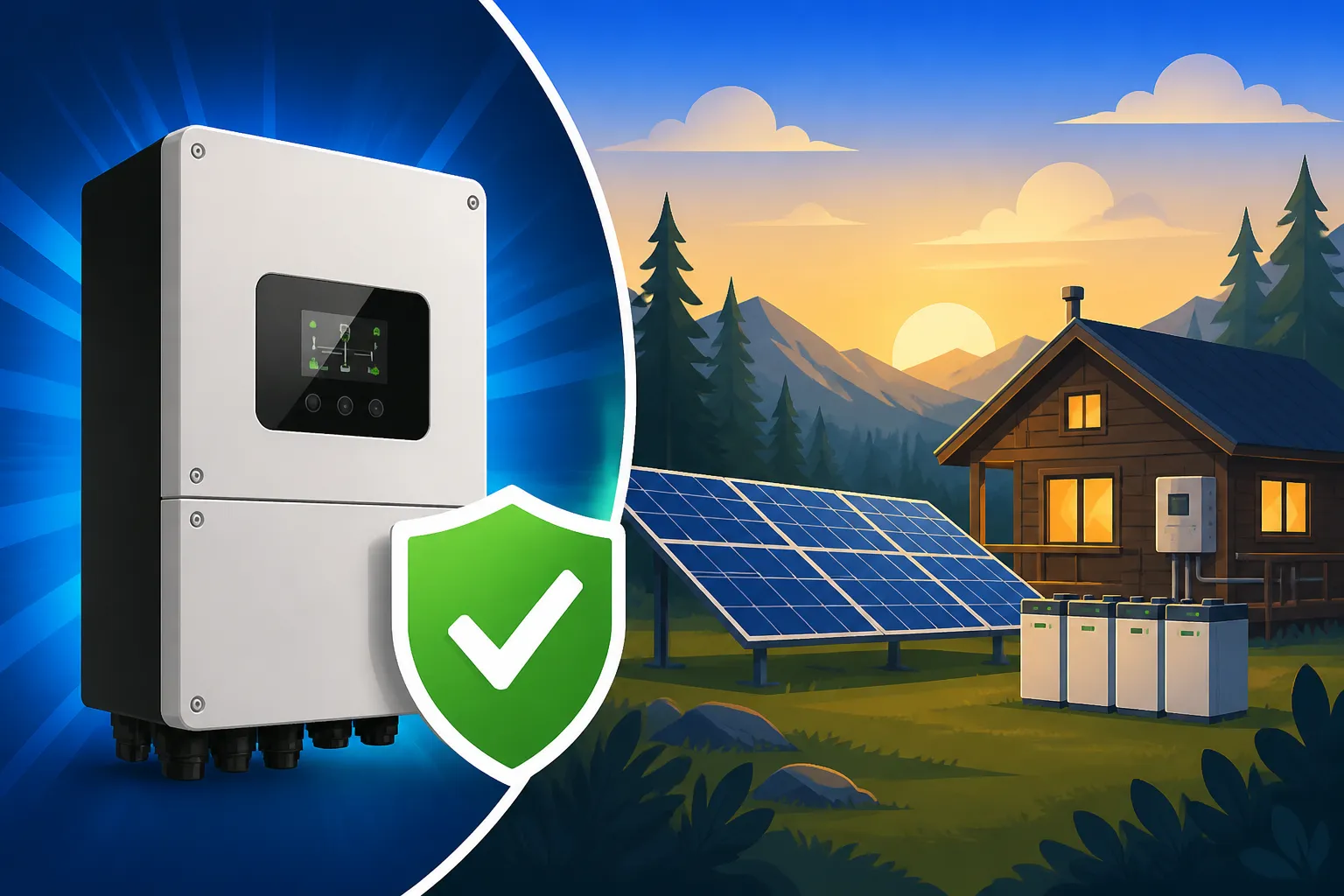
Sol-Ark inverters are often praised for their truly integrated design. Instead of needing separate units for your inverter, charge controller, and sometimes even a system controller, Sol-Ark bundles these essential components into a single, compact unit. This isn't just about saving space, though that's a huge bonus, especially in tight quarters like an RV or a small cabin. It's about seamless communication between components.
Think about it: when your solar panels are pumping out power, the charge controller needs to know exactly how much current the batteries can safely accept, and the inverter needs to be ready to convert that DC power into usable AC for your appliances. In a traditional setup, these components might be from different manufacturers, using different protocols, leading to inefficiencies or even potential damage if not configured perfectly. With Sol-Ark, everything is designed to work in harmony right out of the box. This integrated approach can significantly reduce installation complexity, cutting down on wiring, connection points, and the potential for errors. It means less time troubleshooting and more time enjoying your off-grid independence.
Hybrid Capabilities and Grid Flexibility
One of the often-overlooked but incredibly powerful features of Sol-Ark inverters is their hybrid capability. While we're talking about off-grid, many folks find themselves in situations where they're mostly off-grid but might have access to a generator or even a weak grid connection for backup or supplemental power. Sol-Ark units are designed to handle multiple power inputs seamlessly.
They can prioritize solar, switch to battery power, pull from a generator, or even (in grid-tied scenarios, though not our focus here) interact with the utility grid. For pure off-gridders, this means unparalleled flexibility when integrating a backup generator. The inverter can intelligently manage when the generator kicks on to charge batteries or supplement loads, ensuring your crucial appliances stay powered without constant manual intervention. This smart management prolongs battery life and optimizes fuel consumption for your generator, giving you peace of mind that your power will always be there, rain or shine, or even during a long stretch of cloudy weather. Understanding How to Add a Generator to Your Design is key for robust off-grid systems, and Sol-Ark simplifies this integration.
Advanced Monitoring and User Interface
Another area where Sol-Ark shines is its user interface and monitoring capabilities. Gone are the days of guessing what your system is doing or needing to manually check multiple gauges. Sol-Ark offers robust monitoring, often accessible via a user-friendly app or web portal. You can see real-time power production, battery state of charge, load consumption, and historical data, all at your fingertips.
This level of insight isn't just a fancy perk; it's a vital tool for managing an efficient off-grid system. You can identify energy hogs, understand your peak usage times, and make informed decisions about energy conservation. If you're wondering How Much Solar to Run A Refrigerator or How Much Solar to Run An Air Conditioner, the monitoring data from a Sol-Ark inverter can give you incredibly precise answers, helping you fine-tune your habits and potentially even your system's design. This transparency empowers off-gridders to be proactive, catch potential issues early, and optimize their power usage, ultimately leading to a more stable and sustainable off-grid lifestyle.
Diving Deep into Sol-Ark Inverter Models: Which One is Right for You?
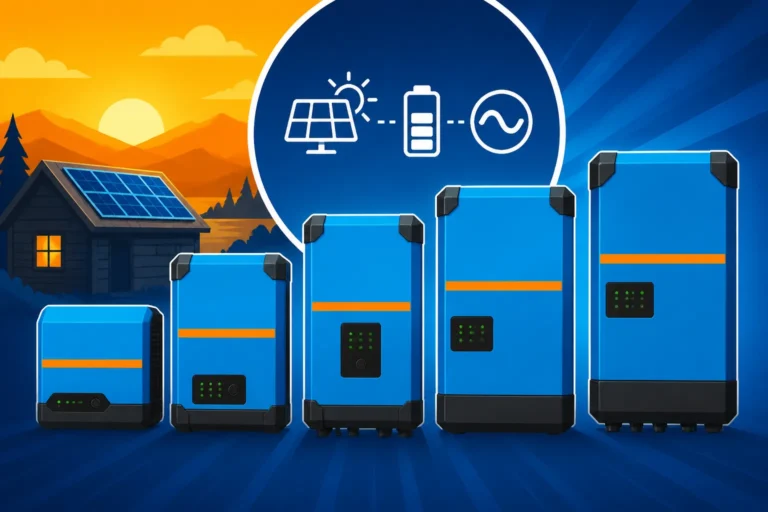
Sol-Ark offers a range of inverters, each designed to meet different power demands and system sizes. The key is to match the inverter to your specific needs, considering everything from your daily energy consumption to the surge requirements of your most power-hungry appliances. It's not a one-size-fits-all world when it comes to off-grid power, and Sol-Ark understands that.
The Sol-Ark 12K: Powering Your Whole Home
When we talk about serious off-grid power for a full-sized home or a substantial homestead, the Sol-Ark 12K is often the star of the show. This unit boasts a 12,000-watt continuous output, which is enough to handle most modern household appliances, including well pumps, washing machines, and even a mini-split air conditioner. It's designed for 48V battery banks, which is the preferred voltage for larger off-grid systems due to efficiency and reduced cable sizing.
The 12K comes with multiple MPPT (Maximum Power Point Tracking) charge controllers built-in, typically two or more, allowing you to connect a substantial solar array. This means you can have thousands of watts of solar panels directly feeding into one unit, simplifying your wiring and maximizing your solar harvest. For instance, if you're planning on running a full workshop with power tools or a large family home with all the conveniences, the 12K provides the robust backbone you need. Its ability to handle high surge loads, often peaking at double its continuous rating for a short period, means those inductive loads like motors starting up won't trip your system. When considering How to Size an Off-Grid Inverter, the 12K is often the go-to for serious power users.
The Sol-Ark 8K and 5K: Versatility for Mid-Size Applications
For those with slightly smaller, yet still demanding, off-grid needs, Sol-Ark offers the 8K and 5K models. These are fantastic options for larger cabins, tiny homes, or even substantial RV setups where you want to run more than just basic lights and electronics. The Sol-Ark 8K provides 8,000 watts of continuous power, making it suitable for many family homes that prioritize energy efficiency or smaller, permanent off-grid residences.
The Sol-Ark 5K, with its 5,000-watt output, is a very popular choice for many off-grid cabins or smaller homes. It's a great balance of power and cost, often chosen by those who want to run a refrigerator, lights, a few electronics, and perhaps a small well pump or a hot water heater in a conservative manner. Both the 8K and 5K also incorporate integrated MPPT charge controllers and are typically designed for 48V systems, maintaining the streamlined, efficient design that Sol-Ark is known for. If you're diving into Off-Grid Solar System Sizing Guide and find your load calculations fall into the medium-to-large category, these models offer a powerful and reliable solution without going to the extreme size and cost of the 12K.
Selecting the Right Model
Choosing the right Sol-Ark model boils down to a detailed load analysis. You need to identify every appliance you plan to run, its wattage, and how long it operates daily. Don't forget those crucial surge currents for motor-driven appliances. Once you have a clear picture of your total daily watt-hours and peak power demand, you can then select the Sol-Ark model that provides ample continuous power and surge capability, along with sufficient charge controller capacity for your solar array. It's an investment, so making sure you understand How to Calculate Off-Grid Solar Needs upfront will save you headaches and extra costs down the road.
Sol-Ark Inverter Model Continuous AC Output (Watts) Battery Voltage (V) Integrated MPPT Charge Controllers Max PV Input (Watts) Ideal Use Case
:Sol-Ark is a name that really gets talked about in the off-grid solar community, and it's for good reason. Choosing the right inverter is probably one of the most nerve-wracking parts of setting up an off-grid system, because it's the heart of your power. You want something that's not just reliable but smart, efficient, and capable of handling whatever daily life throws at it, without costing you an arm and a leg or requiring an engineering degree to operate. Let's dig into whether Sol-Ark really measures up and if it's a good brand for your off-grid dreams.
Why Sol-Ark Has Captured the Off-Grid Community's Attention
When you start researching off-grid solar, you quickly realize it's a puzzle of many pieces: solar panels, charge controllers, batteries, an inverter, and a whole lot of wiring. For years, this meant buying components from different manufacturers, hoping they played nice together, and then spending countless hours on installation and configuration. This complexity is a huge pain point for many aspiring off-gridders, often leading to frustration, inefficient systems, and even costly mistakes. Sol-Ark recognized this challenge and stepped in with an innovative solution.
The All-in-One Powerhouse Concept
Sol-Ark isn't just selling an inverter; they're selling an integrated power management system. Their units typically combine a pure sine wave inverter, an advanced MPPT solar charge controller, and a sophisticated system controller all within a single enclosure. This streamlined approach offers several compelling advantages for off-grid users. Firstly, it drastically simplifies installation. Instead of mounting multiple boxes and running complex wiring between them, you have one central hub. This means fewer connection points, less cable, and a much cleaner setup. Think about the peace of mind knowing all major components are designed to work together seamlessly, rather than trying to get different brands to communicate effectively.
This integrated design also optimizes performance. With internal communication pathways, the charge controller knows exactly what the inverter is doing, and vice versa. It can prioritize solar power, intelligently manage battery charging and discharging, and handle critical loads without a hiccup. This is a game-changer for those who want a robust system without having to become a master electrician. Whether you're planning for a remote cabin or a full-time off-grid home, the simplicity and efficiency that Sol-Ark brings to the table are incredibly appealing. It directly addresses the common frustration of complex, multi-component systems that often leave new users feeling overwhelmed.
Robust Performance and Reliability
Beyond the integrated design, Sol-Ark inverters are built for demanding environments. Off-grid systems face unique challenges—fluctuating loads, varying solar input, and the need for absolute reliability when you don't have a grid to fall back on. Sol-Ark units are known for their high surge capability, meaning they can handle those sudden, brief spikes in power demand that occur when large appliances like well pumps, refrigerators, or power tools kick on. This is crucial for avoiding frustrating system shutdowns right when you need power most.
Many Sol-Ark models also feature impressive MPPT charge controller efficiency, ensuring you squeeze every possible watt out of your solar panels, even under less-than-ideal conditions. This translates to faster battery charging and more usable power throughout the day, which is vital when you're relying solely on the sun. Moreover, their ability to seamlessly switch between power sources—solar, battery, generator, and even grid (if you have an occasional one)—means your power supply remains uninterrupted. This level of reliability and versatility is what makes Sol-Ark a strong contender for those serious about dependable off-grid living. When you're assessing How to Choose an Off-Grid Inverter, these performance aspects are absolutely non-negotiable.
Key Sol-Ark Off-Grid Inverter Models and Their Ideal Applications
Sol-Ark offers a few key inverter models that cater to different scales of off-grid setups. It's not about choosing the "best" but choosing the "right" one for your specific energy profile. Let's look at the popular options and where they truly shine.
The Sol-Ark 12K: The Workhorse for Larger Homesteads
For those envisioning a substantial off-grid home or a serious homestead with workshops, multiple outbuildings, and a full array of modern appliances, the Sol-Ark 12K is often the top recommendation. This unit provides a continuous output of 12,000 watts, which is enough to power almost any conventional home, including running multiple heavy loads simultaneously. Think about a washing machine, a large refrigerator, a well pump, and all your lights and electronics running without a flicker.
The 12K is typically configured for a 48V battery bank, which is the most efficient choice for larger systems, minimizing current and allowing for thinner, less expensive wiring. It boasts multiple MPPT inputs, allowing you to connect a substantial solar array, often up to 19,500 watts of solar input, ensuring you can generate significant power even on shorter winter days. Its ability to intelligently manage multiple power sources—solar, batteries, and a generator—makes it incredibly versatile. If you're serious about year-round living with all the comforts and you're calculating How Many Watts of Solar You Need for a considerable load, the Sol-Ark 12K is built to handle it. Many long-term off-gridders consider this the gold standard for reliable, high-capacity power.
The Sol-Ark 8K and 5K: Flexible Power for Cabins and Mid-Size Living
Not everyone needs to power a mansion in the wilderness. For many off-gridders, a smaller, yet still robust, solution is ideal. This is where the Sol-Ark 8K and 5K models come into play, offering excellent versatility for medium-sized applications. The Sol-Ark 8K provides 8,000 watts of continuous power, perfect for well-insulated cabins, larger tiny homes, or RVs where you want to run most household appliances without significant sacrifices. It still offers substantial surge capacity, crucial for motor loads, and multiple MPPT inputs for a healthy solar array.
The Sol-Ark 5K, with its 5,000-watt continuous output, is a fantastic choice for smaller cabins, remote hunting camps, or serious van life setups. It can comfortably run a modern energy-efficient refrigerator, lighting, entertainment systems, and even lighter power tools. Both these models also operate on a 48V battery bank and maintain the all-in-one design, making them easy to install and manage. If you're looking into something like Off-Grid Solar Cost for a Cabin or How to Size an Off-Grid System for a Tiny Home, these mid-range Sol-Ark units offer a premium experience without the sheer scale of the 12K. They strike a great balance between power, features, and overall investment for many common off-grid scenarios.
Pros and Cons of Choosing Sol-Ark for Your Off-Grid System
Like any significant investment in your off-grid journey, there are always trade-offs. Sol-Ark certainly offers a lot of compelling benefits, but it's important to go into this decision with eyes wide open, understanding both the strengths and the potential drawbacks.
The Unbeatable Advantages of Sol-Ark Inverters
One of the biggest advantages, as we've discussed, is the all-in-one design. This isn't just about convenience; it significantly reduces complexity, wiring, and potential points of failure. For a DIY installer, this translates to a much smoother process, potentially saving on professional installation costs. The fact that you're dealing with one unit for inverter, charge controller, and system management truly sets it apart from many other setups.
Another major plus is their exceptional efficiency and robust performance. Sol-Ark units are known for their high surge capability, which is crucial for starting motor loads without tripping the system. Their MPPT charge controllers are highly efficient, ensuring you get the most out of your solar panels. This efficiency is critical for maximizing your energy harvest, especially during less-than-ideal weather conditions or shorter winter days. You're simply converting more sunlight into usable electricity.
Finally, the advanced monitoring and user-friendly interface are huge benefits. The ability to monitor your system in real-time, often from a smartphone app, gives you unprecedented control and insight. You can see exactly how much power your panels are generating, your batteries' state of charge, and how much energy your appliances are consuming. This data empowers you to optimize your energy usage, troubleshoot issues quickly, and ensure your system is running at peak performance. For anyone serious about Designing an Off-Grid Solar System Step by Step, having this level of feedback is invaluable.
The Considerations and Potential Downsides
While Sol-Ark offers a fantastic package, there are a couple of points to consider. The most significant one for many is the initial cost. Sol-Ark inverters are generally at the higher end of the price spectrum compared to some other brands. This premium reflects their advanced features, integrated design, and robust build quality. For someone building Off-Grid Solar on a Tight Budget, this upfront cost can be a hurdle. However, it's essential to look at the long-term value, factoring in reduced installation complexity, higher efficiency, and potential longevity that could offset the initial investment.
Another point for consideration is the learning curve for advanced settings. While the basic operation and monitoring are very user-friendly, getting into the nitty-gritty of advanced programming and optimization can still require a bit of technical understanding. Sol-Ark does offer excellent documentation and a supportive online community, but don't expect it to be entirely plug-and-play for every single custom setting. It’s also worth noting that because it’s an all-in-one unit, if one component fails, the entire unit needs servicing, rather than just replacing a single part like a separate charge controller. However, Sol-Ark's reputation for build quality and customer support helps mitigate this concern.
Sol-Ark in the Off-Grid Landscape: How It Compares
Understanding where Sol-Ark stands requires a look at its position among other prominent off-grid inverter brands. The market is diverse, with options ranging from budget-friendly components to other high-end integrated systems.
Sol-Ark Versus Other Premium Brands
When comparing Sol-Ark to other premium off-grid inverter brands like Victron Energy or Outback Power, you'll find similar levels of quality, reliability, and advanced features, but with different philosophies. Victron, for instance, is known for its modular approach. You buy a separate inverter, a separate MPPT charge controller, a battery monitor, and a system controller, all from Victron, and they communicate seamlessly using their proprietary VE.Can or VE.Bus protocols. This modularity offers incredible flexibility for customization and expansion, and if one component fails, you only replace that part. However, it means more individual components to install, more wiring, and potentially a steeper learning curve for system integration. Sol-Ark simplifies this by putting it all in one box.
Outback Power also offers robust, proven off-grid solutions, with a long history in the industry. Their inverters and charge controllers are highly respected for their durability and performance. Like Victron, they lean more towards a modular system, though they do offer some integrated inverter-charger models. The choice between Sol-Ark, Victron, or Outback often comes down to your preference for an all-in-one unit versus a more modular, customizable setup, as well as specific feature sets and user interface preferences. All three represent the higher end of the market in terms of both performance and cost.
Sol-Ark Versus More Budget-Friendly and Component-Based Options
On the other end of the spectrum, you have brands like Renogy. Renogy offers excellent individual components—inverters, charge controllers, and solar panels—that are typically more budget-friendly. For those who are comfortable with more hands-on DIY and want to save on initial costs, putting together a system with Renogy components can be a very viable option. You can find Renogy equipment quite easily on platforms like Amazon, making it accessible for many first-time off-gridders or those with smaller systems like a van or a light-use shed.
However, the trade-off is often in the level of integration and advanced features. You might not get the seamless communication between all components that a Sol-Ark provides, nor the same depth of unified monitoring. The complexity of wiring and ensuring compatibility between different parts can also be higher. For someone interested in building a very simple system for occasional use, a separate Renogy inverter and charge controller might suffice. But for a full-time residence demanding high reliability and sophisticated power management, the extra investment in a Sol-Ark often pays dividends in reduced headaches and superior performance.
Ultimately, is Sol-Ark a good off-grid inverter brand? Yes, absolutely. For many off-gridders seeking a powerful, integrated, and reliable all-in-one solution, Sol-Ark stands out as an excellent choice. It simplifies installation, optimizes energy management, and provides robust performance that brings real peace of mind to independent power generation. If your budget allows, and you value a streamlined, high-performance system, Sol-Ark should definitely be at the top of your list. It's truly a brand built with the complexities and frustrations of off-grid living in mind.
Disclaimer
The information provided in this guide is for general informational purposes only and does not constitute professional advice. Off-grid solar system design and installation can be complex and involve electrical hazards. Always consult with qualified professionals and adhere to all local codes and regulations when planning or installing an off-grid solar system.