Best MPPT Controller for a 12V System
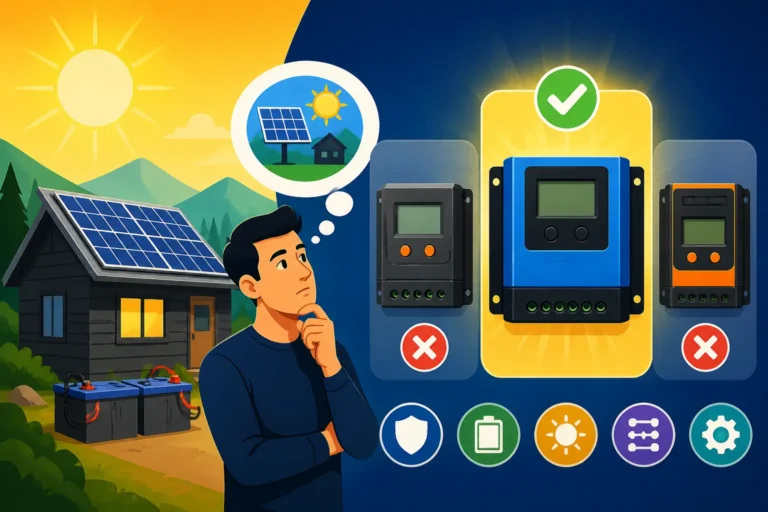
Trying to figure out the best MPPT charge controller for your 12V off-grid system can feel like navigating a maze, especially with so many options promising the moon. It’s tough to know what truly delivers for a small setup, whether it’s for your RV, camper, or a remote cabin. This guide cuts through the confusion, helping you understand what makes an MPPT controller ideal for a 12V system and highlighting some top contenders that reliably get the job done.
Understanding MPPT Charge Controllers for 12V Systems
When you're diving into the world of off-grid solar, one of the first big decisions you'll face is choosing the right charge controller. For a 12V system, this choice is particularly crucial because efficiency directly impacts your usable power, and every watt counts. An MPPT, or Maximum Power Point Tracking, charge controller isn't just a fancy name; it's a fundamental component that significantly optimizes your solar harvest.
Why MPPT Matters for 12V Off-Grid Setups
You might hear a lot about MPPT versus PWM (Pulse Width Modulation) controllers, and for a 12V system, the advantages of an MPPT are often undeniable. While PWM controllers are simpler and cheaper, they essentially just reduce the voltage from your solar panels to match your battery's voltage, discarding any excess. This means if your panels are producing at 17V, but your 12V battery only needs 14V to charge, a PWM controller wastes that 3V difference.
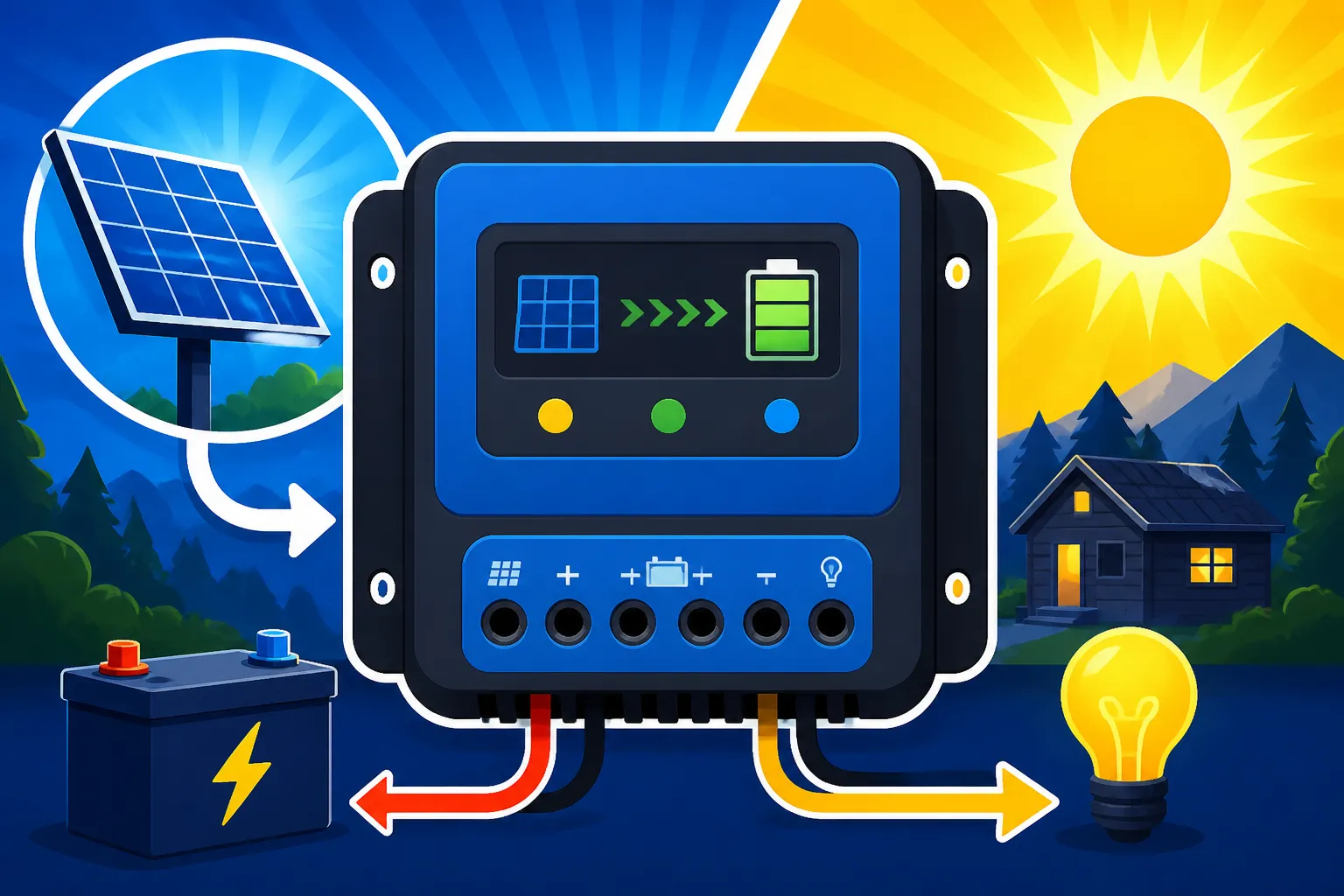
An MPPT controller, on the other hand, is like a smart transformer. It constantly tracks the maximum power point of your solar array, which fluctuates with temperature and sunlight intensity. It then converts any excess panel voltage into additional current, effectively boosting your charging amperage. This translates directly into more energy being delivered to your batteries, especially in cooler conditions or when your panels are oversized for your battery bank's nominal voltage. For a 12V system, where you often have fewer panels and smaller battery banks, maximizing every bit of power from your solar array is paramount. It means faster charging, more usable energy throughout the day, and better performance during less-than-ideal weather conditions. In short, it’s about getting the most bang for your buck out of every solar panel you've invested in. If you're wondering, "MPPT vs PWM Charge Controllers", an MPPT controller is almost always the answer for optimal performance.
Key Specifications to Look For
When you're sifting through different MPPT controllers, it's easy to get bogged down in a sea of numbers and acronyms. But don't fret; there are a few core specifications that you absolutely need to pay attention to, as they'll dictate whether a controller is a good fit for your specific 12V setup.
First up is the maximum PV input voltage (Voc). This tells you the highest open-circuit voltage your solar array can produce before it risks damaging the controller. You need to ensure that the combined open-circuit voltage of your solar panels, especially in cold weather (when voltage increases), never exceeds this rating. Miscalculating this can fry your controller. Next, consider the maximum charge current rating. This is usually expressed in Amps (A) and indicates how much current the controller can push into your battery bank. If you have a 12V system and want to charge at 20 amps, you'll need at least a 20A MPPT controller. Oversizing slightly here isn't a bad idea for future expansion or unexpected surges.
Then, there’s efficiency. Most modern MPPT controllers boast efficiencies upwards of 95% or even 99%, which means very little energy is lost during the conversion process. While a 1% difference might seem small, over months and years, it adds up to a noticeable amount of recovered energy. Finally, look at features. Does it have a built-in display? Bluetooth connectivity for remote monitoring via an app? Temperature compensation for accurate battery charging based on ambient conditions? These might seem like luxuries, but they can be incredibly useful for monitoring your system's health and optimizing battery longevity. A well-designed controller will also have robust protections against overcurrent, short circuits, and reverse polarity, giving you peace of mind. Thinking about your overall setup, you might want to also check out Off-Grid Solar System Components Explained to understand how different components work together.
Top Picks for 12V MPPT Charge Controllers
Alright, now that we know why MPPT controllers are the way to go for most 12V off-grid systems and what to look for, let's talk about some specific models that consistently earn high marks in the real world. These are controllers that have proven their reliability and efficiency for countless folks living off the grid or powering their adventures.
Victron SmartSolar MPPT
When you ask seasoned off-gridders about reliable solar equipment, the name Victron Energy almost always comes up, and their SmartSolar MPPT controllers are no exception. For 12V systems, popular models like the Victron SmartSolar MPPT 75V 15A or the 100V 20A are absolute workhorses. What truly sets Victron apart is their build quality and the incredibly robust monitoring and control features.
These controllers might seem a bit pricier upfront, but you're paying for exceptional efficiency, durability, and a fantastic ecosystem. The "SmartSolar" in the name isn't just marketing fluff – it refers to the built-in Bluetooth connectivity. This feature allows you to monitor your system's performance, adjust settings, and view historical data right from your smartphone or tablet using the VictronConnect app. Imagine being able to check your battery state of charge, see how much power your panels are generating, or even update firmware without ever having to physically touch the controller. This is a game-changer for those with setups in hard-to-reach places, or simply for peace of mind. They also come with adaptable battery charging algorithms, ensuring optimal charging for various battery types, including LiFePO4, AGM, and gel. This attention to detail in charging profiles helps extend the life of your battery bank, a significant factor when considering the Cost of an Off-Grid Solar Battery Bank for your system.
Renogy Rover MPPT 20A
For those looking for a fantastic balance of performance, features, and affordability, the Renogy Rover MPPT 20A is a perennial favorite, especially for 12V applications. Renogy has carved out a solid niche in the DIY solar market, and their Rover series is a big part of that success. This 20A model is perfectly sized for many RV, van, or small cabin setups, making it a very accessible entry point into efficient MPPT charging.
The Renogy Rover MPPT 20A boasts a respectable conversion efficiency and can handle up to 260W of solar input for a 12V battery bank (or 520W for a 24V system, though we're focusing on 12V here). It typically features a clear LCD display right on the unit, providing real-time data on battery voltage, charging current, and accumulated power. This is incredibly handy if you don't always want to pull out your phone. Many models also include a USB charging port, which is a nice bonus for keeping small devices topped up without drawing directly from your inverter. Critically, it offers various battery charging protections and can be configured for different battery chemistries, including lead-acid and lithium. The ease of installation and comprehensive user manuals make it a popular choice for beginners and experienced DIYers alike. You can often find these readily available on platforms like Amazon, which means quick shipping and easy returns if needed. It's a solid, dependable choice that won't break the bank while still offering significant performance improvements over a PWM controller. If you're interested in other Renogy offerings, exploring their Renogy Product Lineup for Off-Grid might give you more ideas for your setup.
EPEver Tracer AN Series
Another strong contender in the 12V MPPT charge controller space is the EPEver Tracer AN series. These controllers are known for their robust design, high tracking efficiency, and often come with advanced features that you might typically expect from higher-priced units. For small to medium 12V systems, a model like the Tracer2210AN (20A) or Tracer3210AN (30A) can be an excellent choice.
EPEver controllers, like their Tracer AN series, are often praised for their excellent tracking algorithms, which means they do a superb job of finding and maintaining the maximum power point of your solar panels. This leads to very efficient power harvesting. Many EPEver models include an LCD display for easy access to system parameters and error codes. They also come equipped with comprehensive electronic protections to safeguard your system against common issues like overcharge, over-discharge, overload, and reverse polarity. A standout feature for many EPEver units is their optional communication ports (RS485), which allow for connection to external displays, PC software, or even dedicated Wi-Fi/Bluetooth modules for remote monitoring – similar to Victron, but often as an add-on. This flexibility makes them a favorite for those who want a capable controller with room for advanced monitoring, potentially without the premium price tag of some other high-end brands. They also support multiple battery types and offer precise temperature compensation, which is crucial for optimal battery health, especially if you're using lead-acid batteries in varying climates. Considering the battery health is essential, as the choice of controller can directly impact this.
Factors to Consider When Choosing Your 12V MPPT Controller
Picking the "best" MPPT controller isn't just about reading reviews; it's about finding the right one for your specific needs. A perfect controller for a weekend camper might be completely inadequate for a full-time off-grid tiny home. Let's delve into the crucial factors that should guide your decision-making process.
Your Solar Array Size and Configuration
The size and layout of your solar panel array are arguably the most critical factors in selecting an MPPT controller. This isn't just about total wattage; it's about voltage. For a 12V battery system, many people mistakenly think they need 12V panels. While those exist, higher voltage panels (like 24V or even 36V nominal panels, which might have an open-circuit voltage of 40V or more) can actually be more efficient when paired with an MPPT controller.
Here's why: MPPT controllers work best when there's a significant voltage difference between the solar array and the battery bank. If you have, say, two 100W, 18V nominal panels wired in series, your array might produce 36V nominal (and possibly up to 45V or more in cold conditions). An MPPT controller can efficiently step that 36V down to 14V to charge your 12V battery, converting the excess voltage into current. This allows for smaller gauge wiring from your panels to your controller over longer distances, reducing voltage drop – a common headache in RVs or cabins with distant panel arrays. Always calculate your voltage drop to ensure your panels can keep up. Before you commit, make sure your chosen MPPT controller's maximum PV input voltage can comfortably handle your array's open-circuit voltage, especially the highest possible voltage in the coldest expected temperatures. Don't forget to factor in the battery bank to ensure you have enough power for daily use and to weather cloudy days.
Battery Bank Size and Type
Your battery bank is the heart of your off-grid system, and its characteristics play a huge role in your MPPT controller choice. First, consider the battery chemistry. Are you running traditional flooded lead-acid, sealed AGM, or the increasingly popular LiFePO4 (lithium iron phosphate) batteries? Each type has specific charging parameters: bulk voltage, absorption voltage, float voltage, and sometimes equalization voltage.
A good MPPT controller will offer customizable charging profiles to match these requirements precisely. For LiFePO4 batteries, which often demand higher absorption voltages and no float or equalization, a controller with a dedicated lithium profile or highly programmable settings is essential. Overcharging or undercharging can significantly reduce the lifespan of any battery, but especially lithium, which is a significant investment. Next, think about battery bank size in amp-hours (Ah). This directly relates to the maximum charge current you'll need. A small 100Ah 12V battery bank might be perfectly happy with a 20A MPPT controller, but if you're rocking a 400Ah bank, a 40A or 60A controller will charge it much faster and more efficiently. Under-sizing your controller for your battery bank means longer charge times and potentially missing out on available solar power. You can also explore options for Best MPPT Controller for a 48V System if you're planning a larger setup.
Environment and Installation Location
The environment where your off-grid solar system resides isn't just about aesthetics; it profoundly impacts the performance and longevity of your MPPT controller. Let's talk about temperature. Extreme temperatures, both hot and cold, can affect the efficiency and lifespan of electronic components. Look for controllers with a wide operating temperature range and, ideally, active cooling or robust heat sinks if they'll be in a hot, enclosed space.
Many quality MPPT controllers include temperature compensation for battery charging. This is crucial for lead-acid batteries, as their optimal charging voltage changes with temperature. Charging a lead-acid battery at 70°F (21°C) with the same voltage as a battery at 30°F (-1°C) can lead to undercharging in cold weather and overcharging in hot weather. While less critical for LiFePO4 batteries, it's still a good feature to have. Another important consideration is ingress protection (IP rating). If your controller will be exposed to dust, moisture, or even direct splashes (like in a boat or open shed), an IP65 or higher rating is vital. A unit with a lower rating (e.g., IP20) should be protected from the elements. Lastly, think about communication features. While Bluetooth for monitoring is convenient, some larger or more complex setups might benefit from more advanced networking capabilities, especially if you plan to integrate other components like inverters or battery monitors from the same brand. This allows for a more cohesive system that can communicate and optimize performance across all devices. Don't overlook the importance of proper grounding to keep your system safe.
Installation Tips and Best Practices for 12V MPPT Systems
You’ve done your homework, picked out a stellar MPPT charge controller for your 12V system, and now it's time to bring it all to life. A proper installation isn't just about getting power; it's about safety, efficiency, and ensuring the longevity of your entire off-grid setup. Rushing this stage can lead to frustrating problems down the road, from reduced power output to potential fire hazards.
Wiring and Safety Considerations
Wiring an off-grid solar system, even a relatively small 12V one, requires careful attention to detail and a strong emphasis on safety. The first rule of thumb: always disconnect your solar panels before connecting anything else, and always connect your battery to the charge controller first before hooking up your solar panels. This sequence ensures the controller can properly sense the battery voltage and avoid potential damage from uncontrolled solar input.
Wire sizing is paramount. Undersized wires create resistance, which leads to voltage drop and wasted energy in the form of heat. This is especially true for the wires running from your battery to your MPPT controller, as they carry the highest current. Consult a wire gauge chart and err on the side of slightly larger wires, especially for longer runs. For instance, a 20A controller might require 8 AWG cable for short runs, but you might bump up to 6 AWG if the distance to the battery is more than a few feet. Then there are fuses and breakers. Every major circuit needs protection. Install appropriately sized fuses or circuit breakers on both the solar panel input side (PV disconnect) and the battery output side, as close to the battery as possible. These are critical safety devices that prevent overcurrent conditions from damaging equipment or, worse, causing fires. Finally, grounding your system is non-negotiable. Proper grounding protects against electrical shocks and lightning strikes. Consult local codes and your controller’s manual for specific grounding requirements. If you're tackling a DIY project, a guide like "How to Install an Off-Grid Mppt Controller" can be invaluable.
Monitoring and Optimization
Once your 12V MPPT system is installed, the work isn't entirely done. Monitoring its performance and making small adjustments can significantly improve efficiency, battery lifespan, and overall peace of mind. Modern MPPT controllers make this easier than ever.
Many controllers, like the Victron SmartSolar models, come with Bluetooth connectivity, allowing you to pair your smartphone or tablet and access a wealth of real-time data. You can see how much power your panels are generating, your battery's state of charge, voltage, current, and even historical data on daily yields. This insight is incredibly valuable for understanding your system's behavior. Are your panels being shaded at certain times of day? Is your battery reaching full charge? Are there any errors? The data from your controller can answer these questions. For controllers without built-in Bluetooth, many manufacturers offer external battery monitors or communication modules (like EPEver's Wi-Fi or Bluetooth dongles) that can provide similar functionality. Investing in a good battery monitor is highly recommended, as it gives you accurate, real-time information about your battery health and usage, which is often more precise than the basic battery voltage readings from the controller itself. By regularly checking your system, you can identify potential issues early, optimize panel tilt angles seasonally for optimal performance , or adjust your power consumption habits to maximize your off-grid independence.
| MPPT Controller Model | Max PV Input Voltage | Max Charge Current (12V) | Typical Efficiency | Notable Features | Ideal Use Case |
|---|---|---|---|---|---|
| Victron SmartSolar MPPT 75V 15A | 75V | 15A | 98% | Bluetooth, Adaptive Charging, VE.Direct | RVs, Small Cabins, High Reliability |
| Renogy Rover MPPT 20A | 100V | 20A | 96% | LCD Display, USB Port, Versatile | Vans, Campers, Budget-Friendly DIY |
| EPEver Tracer AN Series (e.g., 20A) | 100V | 20A | 98% | LCD Display, RS485 Port (ext. comms) | Small Homes, Workshops, Advanced Monitoring |
Disclaimer
The information provided in this guide is for general informational purposes only and does not constitute professional advice. Off-grid solar system design and installation can be complex and involve electrical hazards. Always consult with qualified professionals and adhere to all local electrical codes and regulations before installing or modifying an off-grid solar system.