How to Wire Panels in Series vs Parallel
One of the trickiest parts of setting up an off-grid solar system, especially for folks who are new to it, is figuring out how to wire your solar panels. It's not just about hooking them up and hoping for the best; the choices you make here—whether to wire in series, parallel, or a combination—have a massive impact on your system's efficiency, safety, and overall performance. This guide will walk you through the ins and outs of series versus parallel wiring, helping you understand which approach is best for your unique off-grid needs.
Understanding the Basics of Solar Panel Wiring
Before we dive deep into the specific wiring configurations, it's crucial to grasp the fundamental concepts that dictate how electricity flows from your solar panels and how your choices influence your entire off-grid setup. Many people jump straight into buying panels without realizing the electrical dance that needs to happen behind the scenes, and that's where things can go sideways quickly.
The Fundamental Components of a Solar System
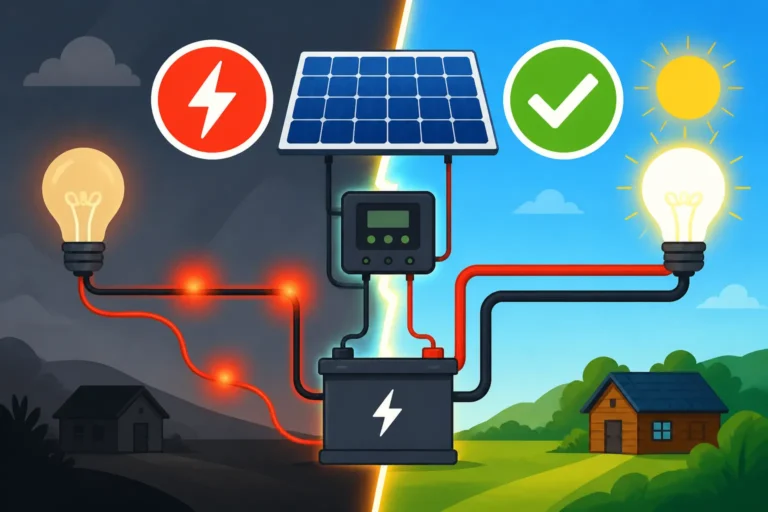
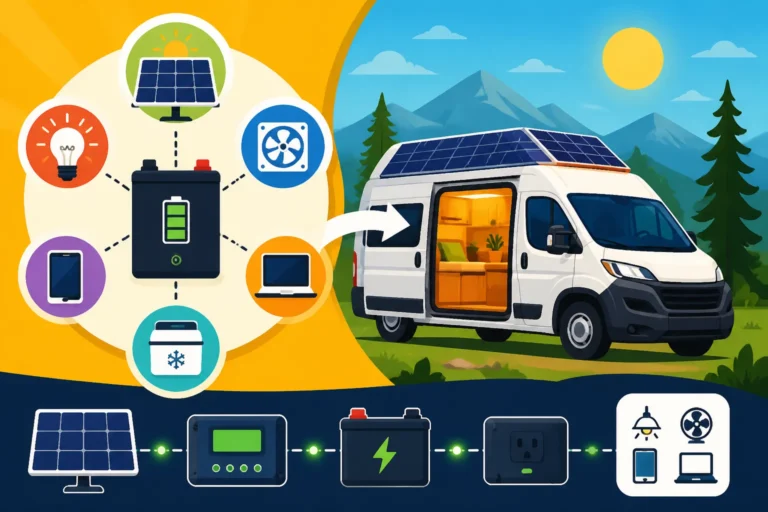
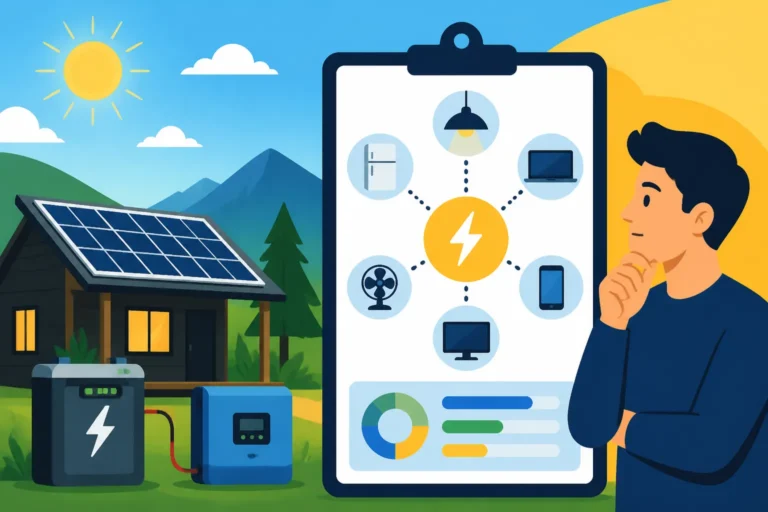
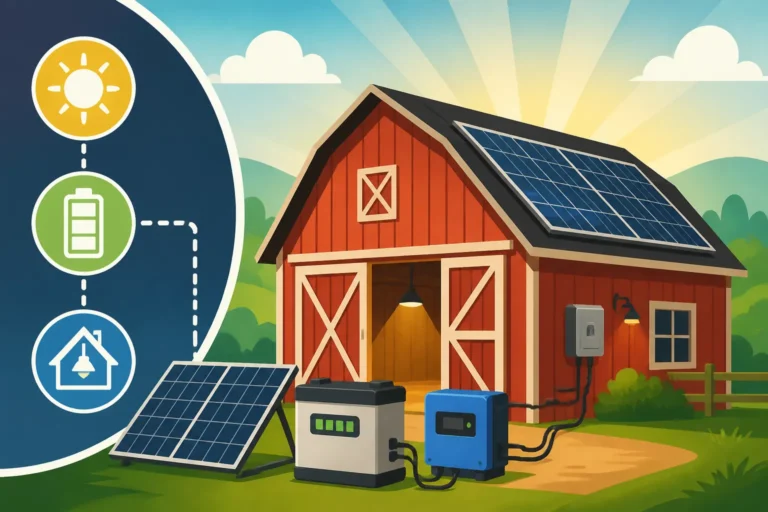
When you're building an off-grid solar system, you're essentially creating a miniature power plant. It starts with the solar panels, which are the workhorses, converting sunlight into direct current (DC) electricity. But that's just the beginning. This DC power then flows to a charge controller, which is like the system's brain, regulating the voltage and current to safely charge your battery bank. Without a charge controller, you risk overcharging and damaging your expensive batteries.
Next up, you have the battery bank itself – the heart of your system, storing all that harvested energy for when the sun isn't shining. And finally, for most modern homes and applications, you'll need an inverter. This clever device transforms the DC power stored in your batteries into alternating current (AC) power, which is what most household appliances use. Understanding how these components interact is key to making smart wiring decisions. If you're wondering about the big picture, our guide on how to install an off-grid solar system can provide a fantastic overview.
Why Wiring Matters: Voltage, Amperage, and Power
The way you connect your solar panels directly influences two critical electrical characteristics: voltage (V) and amperage (A), which together determine the total power (W) your system can produce. Think of voltage as the "pressure" of the electricity and amperage as the "volume" or flow rate. Power, then, is the overall "work" that can be done.
When you wire panels in different ways, you're essentially manipulating these two factors. A higher voltage system can be more efficient over long distances, reducing wire thickness and cost. However, it also demands specific compatibility with your charge controller and inverter. A higher amperage system might be better suited for certain charge controllers or lower voltage battery banks, but it will require thicker wires to handle the increased current safely. Getting this balance right is essential for optimizing your system's performance and ensuring longevity. Many beginners overlook these calculations, leading to undersized components or unnecessary costs.
Series Wiring: Boosting Voltage
Series wiring is a common method, especially in larger off-grid solar setups, because it allows you to increase the overall voltage of your solar array. This can be incredibly beneficial for several reasons, but it also comes with its own set of challenges that you need to be aware of.
How Series Wiring Works
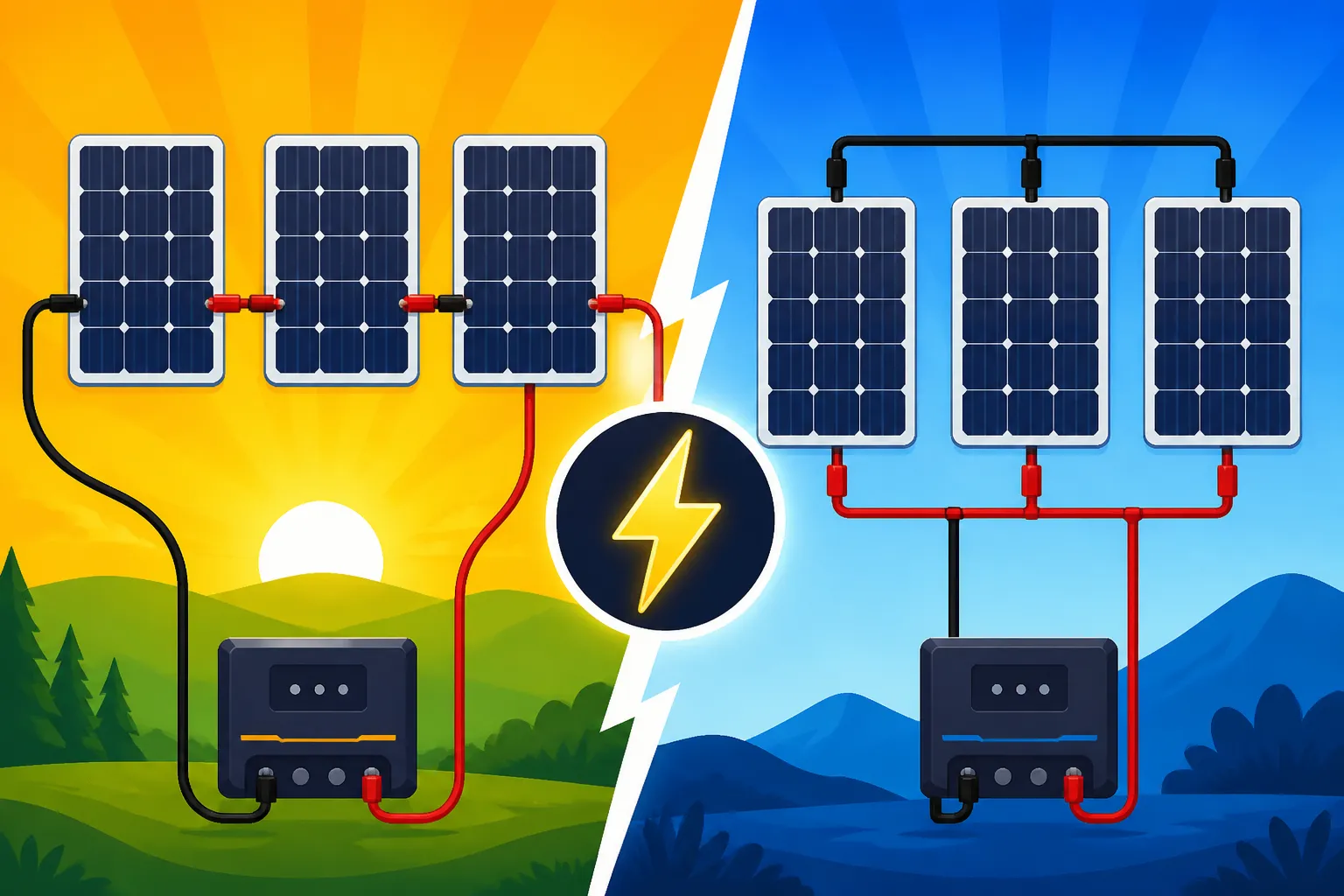
Imagine lining up a train of identical solar panels. With series wiring, you connect the positive terminal of one solar panel to the negative terminal of the next panel, and so on. It's like building a stack of batteries; each panel adds its individual voltage to the total. For example, if you have four 12-volt solar panels, wiring them in series would create a 48-volt array.
However, the current (amperage) remains the same as that of a single panel. So, if each 12-volt panel produces 8 amps, your 48-volt series array will still only produce 8 amps. This characteristic is fundamental to understanding when and why to choose series over parallel. It's a bit like adding more pumps to a single pipeline – the water pressure increases, but the pipe's capacity for flow remains the same. If you're looking for a more visual explanation, our guide on how to wire solar panels in series goes into further detail.
Advantages of Series Wiring
One of the most significant advantages of series wiring is the increased voltage output. This higher voltage means that the current flowing through the wires is lower for the same amount of power. Why is that a good thing? Well, lower current allows you to use thinner, less expensive wiring to connect your panels to your charge controller and battery bank. Thicker wires cost more money and are harder to run, so this can represent a substantial saving, especially if your panels are located a fair distance from your power center, like if you have a ground mount system away from your cabin.
Higher voltage also significantly benefits MPPT (Maximum Power Point Tracking) charge controllers. These controllers operate more efficiently when the input voltage from the solar array is substantially higher than the battery bank's voltage. This allows the MPPT controller to "step down" the voltage while simultaneously boosting the current, thus maximizing the amount of power it can extract from your panels. In colder climates, panels naturally produce higher voltage, making series wiring an even better match for optimal performance.
Disadvantages and Considerations for Series Wiring
While series wiring offers compelling benefits, it's not without its drawbacks. The biggest challenge often arises from shading. In a series string, if even a small portion of one panel is shaded, it can dramatically reduce the output of the entire string. Think of it like a hose with a kink; the water flow is restricted for the whole length. This is because the shaded panel acts as a bottleneck, impeding the flow of current for all the panels connected in series with it. If you live in an area prone to partial shading from trees or structures, this can severely impact your system's daily energy harvest.
Another consideration is voltage limits. Your charge controller has a maximum input voltage it can handle. Exceeding this limit can damage the controller, rendering it useless. You need to carefully calculate the maximum possible voltage your array could produce, especially in cold weather when panel voltage naturally increases, to ensure it stays within your charge controller's specifications. This is particularly important when figuring out how to size a charge controller for your specific setup.
Real-World Scenarios for Series Wiring
Series wiring truly shines in certain applications. For example, if you're building a substantial off-grid home system where your solar array might be quite a distance from your battery bank and inverter shed, the ability to use thinner, more manageable wiring due to higher voltage is a game-changer. Imagine trying to run heavy gauge wire for hundreds of feet – it adds up in cost and labor.
It's also often preferred in regions with consistently cold temperatures. As mentioned, solar panels actually become more efficient and produce higher voltage in colder conditions. This increased voltage can further improve the performance of MPPT charge controllers, translating into more power delivered to your batteries. For anyone designing a system for year-round living, especially in northern latitudes, prioritizing series connections to achieve a higher system voltage (like 48V) can be a smart move, often paired with a powerful inverter like those from Victron or Sol-Ark.
Parallel Wiring: Boosting Amperage
In contrast to series wiring, parallel wiring focuses on increasing the current (amperage) while maintaining a consistent voltage. This method offers a different set of advantages, particularly appealing for smaller systems or specific environmental conditions.
How Parallel Wiring Works
When you wire solar panels in parallel, you connect all the positive terminals together and all the negative terminals together. It's like adding more lanes to a highway; the number of vehicles (amps) that can travel simultaneously increases, but the speed limit (voltage) remains the same. So, if you have four 12-volt solar panels, each producing 8 amps, wiring them in parallel would create a 12-volt array capable of producing 32 amps (4 panels x 8 amps/panel).
The voltage of the entire array remains the same as that of a single panel. This approach is excellent for maintaining a lower, consistent voltage for your system, which can be simpler to manage for certain components. To truly grasp the specifics, take a look at our comprehensive guide on how to wire solar panels in parallel.
Advantages of Parallel Wiring
One of the standout benefits of parallel wiring is its resilience to shading. If one panel in a parallel array gets partially shaded, it will reduce the output of that specific panel, but it won't significantly affect the performance of the other panels in the array. This means your overall power production takes less of a hit compared to a series-wired system when dealing with intermittent or partial shading. For those living in areas with deciduous trees or variable conditions, this can be a huge peace of mind.
Parallel wiring also keeps the system voltage consistent with that of individual panels, making it easier to match with lower-voltage battery banks (like 12V or 24V systems) without needing extremely high voltage charge controllers. This can sometimes simplify component selection and even reduce costs for smaller setups. It also offers a degree of redundancy; if one panel fails completely, the rest of the array can continue to function, albeit with reduced total output.
Disadvantages and Considerations for Parallel Wiring
The main drawback of parallel wiring is the increased current output. While more amps might sound good, it means you'll need much thicker, more expensive wiring to safely carry that higher current from your panels to your charge controller and battery bank. If the wires aren't thick enough, they can overheat, leading to energy loss, reduced efficiency, and even fire hazards. This is why properly sizing wire and cables is absolutely critical for parallel systems.
Additionally, while parallel wiring can use PWM (Pulse Width Modulation) charge controllers more readily due to the lower voltage, if you're aiming for higher power, the increased current can put a strain on the charge controller's capacity. MPPT controllers, while still beneficial, might not see as dramatic an efficiency boost as they would with a high-voltage series array. Furthermore, combining many parallel strings often requires a combiner box with fuses or breakers for each string, adding to the complexity and cost of the installation.
Real-World Scenarios for Parallel Wiring
Parallel wiring is often the go-to for smaller, portable off-grid setups like those found in RVs, campers, or even small sheds. In these scenarios, panels are often close to the power center, minimizing long wire runs, and the overall power needs might be met by a 12V or 24V system. For example, a weekend warrior powering a few lights and a small fridge in their camper might opt for a couple of 100W Renogy panels wired in parallel to a 12V battery bank.
It's also excellent for areas where shading is an unavoidable reality. If your cabin is nestled among trees and you know some panels will inevitably get partial shade throughout the day, a parallel configuration will help mitigate the power loss more effectively than a series array. This way, your system can still generate a decent amount of power even when conditions aren't absolutely perfect.
Series-Parallel Combinations: The Best of Both Worlds
For many medium to large off-grid solar systems, neither pure series nor pure parallel wiring is the optimal solution. Instead, a hybrid approach that combines both methods often yields the best balance of voltage, amperage, efficiency, and resilience.
When and Why to Combine Series and Parallel
As your off-grid power needs grow beyond a few basic appliances, you'll likely find that a simple series or parallel setup won't cut it. For instance, if you need to power a full-time tiny home with a refrigerator, lights, and a well pump, you'll require both higher voltage (for efficient energy transfer and MPPT controller performance) and higher current (to generate enough total power). This is where combining series strings into parallel groups becomes incredibly useful.
This hybrid approach allows you to achieve a desired system voltage (e.g., 48V for a whole house) by wiring panels in series, while simultaneously boosting the total available current by connecting multiple series strings in parallel. This way, you can leverage the advantages of both worlds: higher voltage for efficiency and lower wire losses, along with increased total power capacity. It's about finding that sweet spot that matches your specific off-grid solar needs.
Designing a Series-Parallel Array
Designing a series-parallel array involves a bit more planning but is well worth the effort. First, you'll decide on your target system voltage (e.g., 24V or 48V), which is usually dictated by your battery bank and inverter. Then, you'll create individual series strings of panels that add up to that target voltage. For example, if you have 12V panels and want a 48V system, you'd wire four 12V panels in series to create one 48V string.
Once you have your series strings, you then connect these strings in parallel. This means connecting the positive ends of all your 48V series strings together, and similarly, connecting all the negative ends together. This combines the current from each string while maintaining the 48V system voltage. It's often necessary to use a solar combiner box, which provides a safe and organized way to merge these multiple strings, often including fuses or circuit breakers for each string for added protection. Understanding your Off-Grid Solar System Design Basics will be invaluable here.
Practical Examples of Series-Parallel Wiring
Let's imagine you have a remote cabin and you want to run a modest off-grid system using twelve 200-watt, 20-volt solar panels. Your battery bank is a 48V lithium system, so you want your array voltage to be suitable for an MPPT charge controller to efficiently charge it.
You could wire two of the 20-volt panels in series to create a 40-volt string (20V + 20V = 40V). Since you have twelve panels, you can create six such strings. Then, you would take these six 40-volt strings and wire them all in parallel. This setup would provide a robust array with sufficient voltage for your 48V battery bank (the MPPT controller handles the slight voltage difference gracefully) and a substantial amount of current from the six parallel strings. Brands like Renogy and Grape Solar offer a variety of panels that can be configured this way. You can often find great deals on these panels through marketplaces like Amazon.
This configuration gives you the voltage benefits of series wiring (less voltage drop over distance, better MPPT performance) and the current-boosting and shading resilience of parallel wiring (if one 40V string experiences partial shading, it doesn't cripple the entire array as badly as a pure series setup would). This sophisticated approach is essential for any homeowner or homesteader looking for reliable, year-round power.
Key Considerations for Your Wiring Choice
Deciding between series, parallel, or a series-parallel combination isn't a one-size-fits-all situation. It hinges on several crucial factors specific to your off-grid setup and energy consumption. Overlooking these details can lead to inefficiencies, safety hazards, or simply a system that doesn't meet your expectations.
Matching Your System Components
The most critical aspect of choosing your wiring configuration is ensuring compatibility with your other off-grid solar components. Your battery bank's voltage (12V, 24V, 48V) is typically the starting point, as it dictates the voltage requirements for your charge controller and inverter. If you have a 48V battery bank, for example, it makes little sense to wire your panels in pure parallel to produce only 12V; your charge controller would have to work incredibly hard (and inefficiently) to boost that voltage up. This is why knowing how to choose system voltage is so important from the outset.
Your charge controller's maximum input voltage and current capacity are non-negotiable limits. Exceeding the voltage can permanently damage the unit, while too much current can trip internal breakers or fuses, or lead to overheating. Similarly, your inverter must be able to handle the output from your battery bank. Always consult the specifications of your components before finalizing your wiring design. This detailed planning prevents costly mistakes down the line.
Safety and Best Practices
No matter how you wire your panels, safety must always be your top priority. Working with electricity, especially high-power solar systems, carries inherent risks. Proper wire gauge selection is paramount; undersized wires can overheat, causing energy loss and fire hazards. The general rule is that the higher the current, the thicker the wire you'll need. Always use appropriate fuses and circuit breakers throughout your system to protect components from overcurrents and short circuits. These are usually installed between the solar array and the charge controller, between the charge controller and the battery, and between the battery and the inverter.
Proper grounding of your solar panels and mounting structure is also essential to prevent electrical shock hazards and protect against lightning strikes. Always use quality connectors, such as MC4 connectors, which are specifically designed for solar applications and provide weatherproof, secure connections. Double-checking all connections for tightness and polarity before energizing the system is a simple yet critical step that many rush through. Consulting our guide on Off-Grid Solar Safety and Grounding can provide invaluable insights here.
Environmental Factors
The environment in which your solar system operates plays a significant role in your wiring decisions. As we've discussed, shading is a major concern. If your panels are consistently shaded by trees, buildings, or even utility poles during peak sun hours, parallel wiring or a series-parallel combination with bypass diodes will help minimize power loss. If you can ensure a completely unshaded array, series wiring becomes more attractive.
Temperature also affects panel performance. In colder climates, panels produce slightly more voltage, which can be advantageous for series-wired arrays connected to MPPT controllers but must be considered in relation to your charge controller's maximum voltage input. Conversely, in very hot climates, panel voltage can drop, slightly reducing efficiency. Understanding these environmental nuances will help you fine-tune your wiring for optimal year-round performance. This is particularly relevant when thinking about how many solar panels for off-grid living you'll need to account for seasonal variations.
Series vs. Parallel Wiring Comparison
To help you visualize the key differences and make an informed decision for your off-grid solar setup, here's a table comparing series and parallel wiring.
| Feature | Series Wiring | Parallel Wiring |
|---|---|---|
| Voltage | Adds up (e.g., four 12V panels = 48V) | Stays the same as one panel (e.g., four 12V panels = 12V) |
| Amperage (Current) | Remains the same as one panel | Adds up (e.g., four 8A panels = 32A) |
| Wire Gauge Needs | Thinner wires possible due to lower current | Thicker wires needed due to higher current |
| Shading Impact | High impact (one shaded panel affects entire string) | Lower impact (only shaded panel's output is reduced) |
| MPPT Charge Controllers | Highly efficient, ideal for higher voltage input | Still beneficial, but voltage step-down less dramatic |
| PWM Charge Controllers | Generally not suitable for high series voltage | More suitable, especially for lower voltage systems |
| System Complexity | Simpler for basic string, but voltage limits are critical | Can require combiner box with fuses for multiple strings |
| Cost Implications | Potentially lower wire cost, higher controller efficiency | Higher wire cost, potentially simpler low-voltage controllers |
| Typical Use Cases | Larger off-grid homes, long wire runs, cold climates | Smaller RVs/vans/sheds, shorter runs, partial shading |
This table provides a quick reference, but remember, the best choice often involves combining both methods for optimal results in a comprehensive off-grid system.
Disclaimer
Please remember that this guide provides general information on off-grid solar panel wiring. Working with electricity can be dangerous. Always prioritize safety, follow local electrical codes, and consult with a qualified electrician or solar professional for specific design and installation advice. The author and publisher are not responsible for any damage or injury resulting from the use of this information.