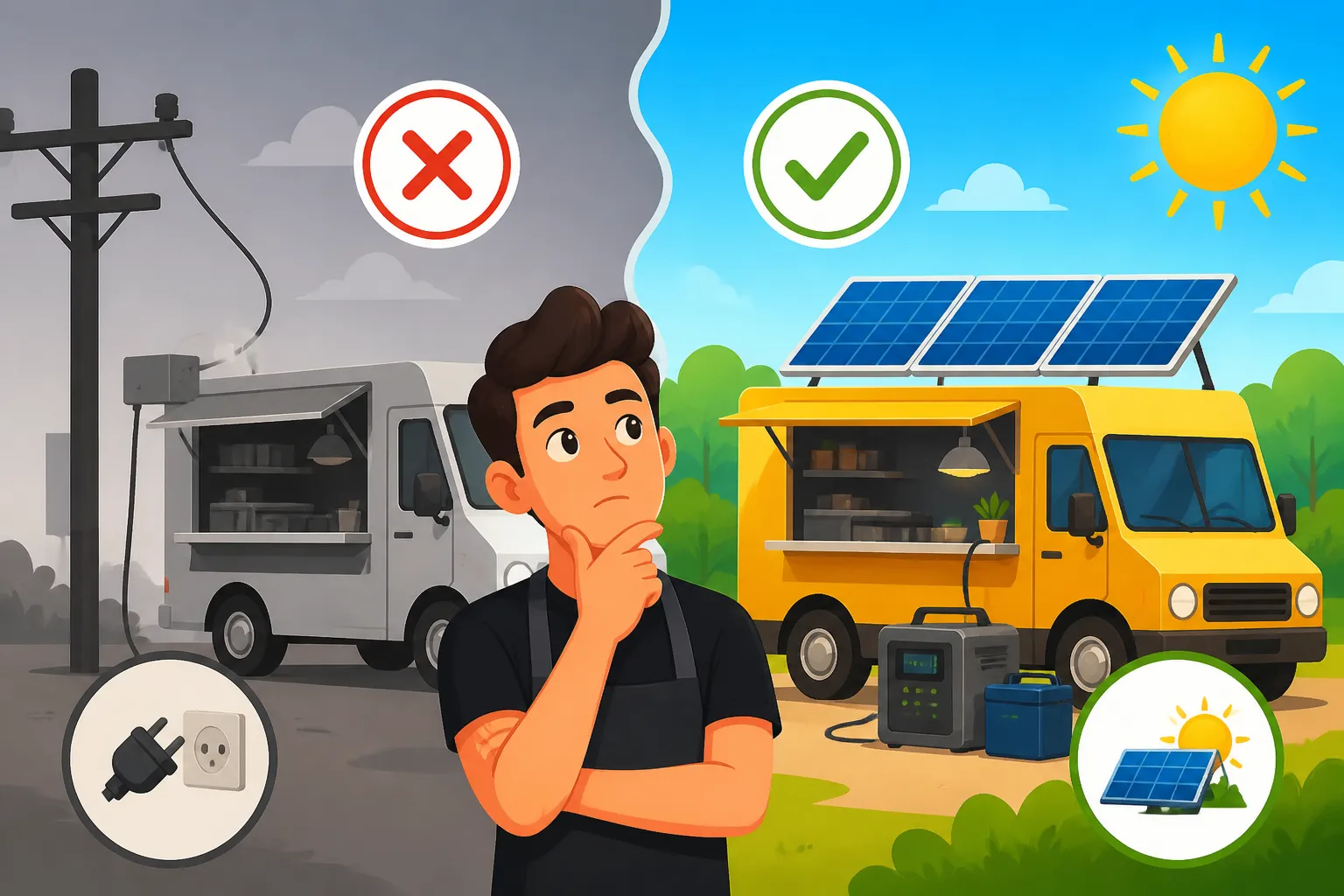
Is Off-Grid Solar Cost-Effective for a Food Truck
Running a food truck is an absolute dream for many, but let's be real, it comes with its own unique set of headaches, and often, power is right at the top of that list. You're constantly battling the noise and cost of a noisy generator, the hassle of refueling, or the desperate search for reliable shore power. It can feel like you're spending more time managing your energy needs than actually serving up those delicious eats. This comprehensive guide is here to shed some light on whether off-grid solar power can truly be a cost-effective solution for your mobile culinary venture, helping you save money, reduce stress, and perhaps even enhance your brand.
The Financial Picture: Initial Investment for a Food Truck Solar System
When you first start looking into off-grid solar for your food truck, the upfront costs can definitely feel like a gut punch. It’s a significant investment, no doubt about it, and it’s a big reason why many food truck owners shy away from it initially. But let's break down what that initial outlay actually entails and why it might be worth every penny in the long run.
Key Components and Their Costs
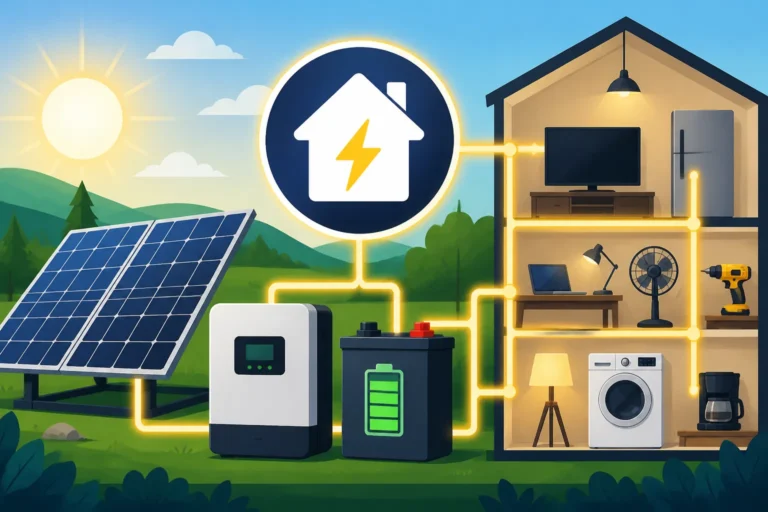
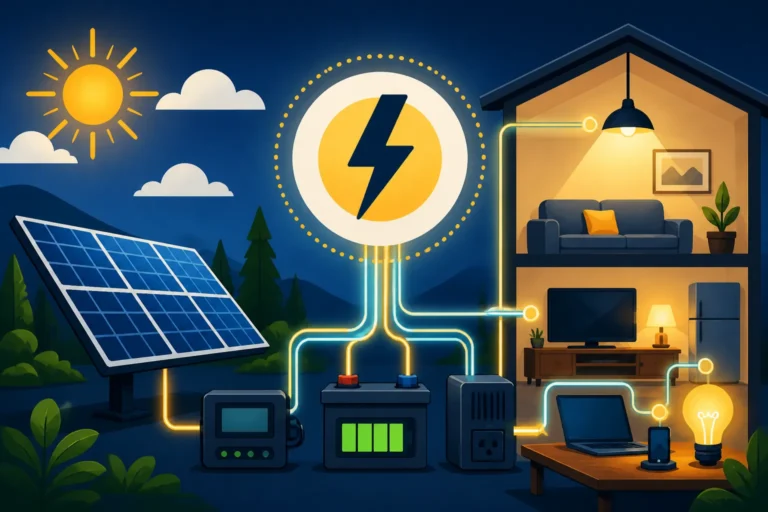
An off-grid solar system isn't just a couple of panels slapped on the roof; it's a carefully orchestrated setup of several crucial components, each contributing to the overall price. You're looking at solar panels to capture sunlight, a charge controller to regulate the flow, a battery bank to store that precious energy, and an inverter to convert it into usable AC power for your appliances. For a smaller food truck with minimal power needs, perhaps just a few lights, a point-of-sale system, and a small refrigerator, you might get by with a more modest setup. However, for a full-fledged kitchen on wheels, complete with commercial-grade refrigerators, freezers, griddles, and perhaps even an air conditioner, the system will naturally be much larger and more complex.
The cost will fluctuate wildly depending on the size and quality of each component. For instance, high-efficiency monocrystalline solar panels might cost more upfront but could provide better performance in limited space. Batteries, particularly the increasingly popular LiFePO4 (lithium iron phosphate) types, are often the single most expensive component, but their longevity and deep discharge capabilities often make them a sound investment compared to cheaper, less durable options like lead-acid. You can explore a deeper dive into these figures by reading about how much an off-grid solar system cost or getting a complete breakdown of off-grid solar costs.
Space and Weight Considerations
One of the unique challenges with a food truck is the premium on both space and weight. Every inch and every pound counts, impacting fuel efficiency, maneuverability, and even safety regulations. This means you can't just throw an arbitrarily large solar array and battery bank on board. You'll need to carefully consider the footprint of your panels on the roof and the placement of your batteries and inverter within the truck.
Many food truck owners find themselves seeking compact, powerful solutions. This is where options like portable solar generators from brands like Jackery can come in handy for smaller loads or as a supplementary power source, offering a quick, plug-and-play solution. However, for continuous, high-demand operations, a fully integrated, custom-designed system is usually necessary. Investing in high-density batteries and panels can mitigate some of these issues, but they also come with a higher price tag. It's a delicate balancing act between power needs, available space, and budget, and it often means making compromises or getting creative with your design.
Powering Your Passion: Understanding Food Truck Energy Needs
Before you can even begin to assess if off-grid solar is cost-effective, you absolutely must understand your food truck's energy appetite. This isn't just about guessing; it's about meticulously calculating every single watt-hour your operation devours in a day. Skimping on this step is like trying to bake without a recipe – you're almost guaranteed a mess.
Calculating Your Daily Watt-Hour Usage
Think about every single appliance, every light bulb, every gadget in your food truck. From the moment you prep in the morning until you shut down after the last customer, how much power does each item consume, and for how long? A commercial refrigerator might run continuously, but a blender might only kick on for a few minutes at a time. The cumulative effect of these seemingly small draws is what truly dictates the size of the solar system you’ll need. This process is often called an off-grid solar load calculation, and it's perhaps the most important part of the planning process.
Consider your peak usage times, too. Do you run a coffee machine, a panini press, and a high-powered exhaust fan all at once during the lunch rush? That simultaneous draw, known as a surge load, will require your inverter to handle a much higher wattage than the sum of your average running loads. Websites like Amazon offer a plethora of power meters that can help you measure the real-time consumption of your appliances, providing invaluable data for accurate sizing. This way, you won't overestimate and overspend, or worse, underestimate and find yourself constantly running out of juice mid-service. Understanding how many watts of solar you need is paramount.
Typical Appliances and Their Power Demands
Let's talk about the usual suspects in a food truck kitchen. These appliances are the backbone of your business, and their power demands vary widely.
- Refrigerators and Freezers: These are often the biggest energy hogs, especially commercial models designed for rapid cooling and constant temperature maintenance. They run continuously, meaning they contribute significantly to your daily watt-hour total.
- Cooking Equipment: Griddles, fryers, ovens, and even microwaves can draw immense power. While they might not run all day, their starting (surge) wattage can be very high, requiring a robust inverter. Some high-demand cooking appliances might simply be too energy-intensive for a purely solar setup and might still require propane or a small backup generator.
- Lighting and Ventilation: LED lights are incredibly efficient, but ventilation fans, especially powerful hood systems, can draw a fair amount of power to keep your kitchen cool and clear.
- Point-of-Sale (POS) Systems and Electronics: Laptops, tablets, cash registers, and card readers are generally low-power, but they are essential and need reliable, clean power (pure sine wave inverter is a must for sensitive electronics).
- Water Pumps: If you have an onboard water system for sinks and handwashing, the pump will also contribute to your daily usage, though usually intermittently.
Here’s a table outlining typical power consumption for common food truck appliances. Keep in mind these are general estimates and actual wattage can vary significantly by model:
| Appliance | Average Running Watts | Peak/Starting Watts (Estimate) | Daily Run Time (Hours) | Daily Watt-Hours (Estimate) |
|---|---|---|---|---|
| Commercial Refrigerator | 150 – 300 W | 500 – 800 W | 12 – 24 | 1800 – 7200 Wh |
| Commercial Freezer | 200 – 400 W | 600 – 1000 W | 12 – 24 | 2400 – 9600 Wh |
| Fryer (Electric) | 2000 – 5000 W | 4000 – 10000 W | 2 – 4 | 4000 – 20000 Wh |
| Griddle (Electric) | 1500 – 3000 W | 3000 – 6000 W | 2 – 4 | 3000 – 12000 Wh |
| Microwave | 800 – 1500 W | 1200 – 2500 W | 0.25 – 0.5 | 200 – 750 Wh |
| Exhaust Fan | 100 – 500 W | 200 – 1000 W | 4 – 8 | 400 – 4000 Wh |
| LED Lighting (Total) | 50 – 150 W | – | 4 – 8 | 200 – 1200 Wh |
| Water Pump | 60 – 150 W | 100 – 250 W | 0.5 – 1 | 30 – 150 Wh |
| POS System/Laptop | 30 – 60 W | – | 6 – 10 | 180 – 600 Wh |
| Coffee Maker | 800 – 1200 W | 1500 – 2000 W | 0.25 – 0.5 | 200 – 600 Wh |
(Note: These are estimates. Always check the specific wattage labels on your appliances for precise calculations.)
With these figures in mind, you can begin to accurately size your off-grid solar system. This information is critical for designing an off-grid solar system step by step that truly meets your needs.
The Long-Term Payoff: Savings and Operational Advantages
Here's where the rubber meets the road and where off-grid solar really starts to make a compelling case for food truck owners. While the initial investment can seem steep, the long-term savings and significant operational benefits often outweigh those upfront costs, making it a genuinely cost-effective choice for many.
Drastically Reduced Fuel and Maintenance Costs
The most obvious and immediate financial gain comes from saying goodbye to constant generator refueling. Imagine this: no more trips to the gas station multiple times a week, no more tracking volatile fuel prices, and certainly no more emptying your wallet just to keep the lights on and the fryers hot. Generators, whether gasoline or propane, are hungry beasts. The cost of running an off-grid solar system versus a generator fuel cost comparison can be astounding over a few years.
Beyond the fuel itself, generators require regular, often costly, maintenance – oil changes, spark plug replacements, air filter cleaning, and eventually, expensive repairs or even full replacements. Solar systems, on the other hand, have far fewer moving parts. Your solar panels can last 20-25 years with minimal cleaning, and quality lithium batteries can provide 10-15 years of reliable service before needing a replacement. While there's still maintenance involved, like checking connections and monitoring battery health, it's generally far less frequent and less expensive than keeping a combustion engine purring. Over the lifespan of your food truck, these cumulative savings can easily offset a significant portion, if not all, of your initial solar investment.
Enhanced Customer Experience and Brand Image
Think about the atmosphere around a food truck. Is it the incessant rumble and fumes of a generator, or a quiet, clean, and inviting space? Going solar eliminates that noisy, smelly generator, creating a much more pleasant environment for both your customers and your staff. People are more likely to linger, enjoy their food, and return if they're not being blasted by noise and exhaust. This improved customer experience can directly translate to more sales and repeat business.
Furthermore, being "green" isn't just a buzzword anymore; it's a powerful marketing tool. Highlighting your commitment to sustainability with an off-grid solar system can significantly enhance your brand image. You can proudly advertise that you're running on clean, renewable energy, attracting eco-conscious customers who are willing to support businesses aligning with their values. This can differentiate you in a crowded market and open doors to events or venues that prioritize sustainability. It's a feel-good factor that also makes good business sense.
Increased Flexibility and Reliability
One of the biggest unsung heroes of off-grid solar for food trucks is the freedom it provides. You're no longer tethered to noisy generator restrictions or the availability of power hookups. This means you can set up shop in more diverse locations – parks, farmers' markets with strict noise ordinances, remote events, or even just a quiet street corner where a generator would be a nuisance. This increased flexibility can unlock new revenue streams and expand your operational reach.
Moreover, a well-designed solar system can offer superior reliability compared to a single generator. If your generator breaks down, your entire operation grinds to a halt. With a solar system, you have multiple panels, a robust battery bank, and potentially even redundant inverters. While solar isn't impervious to issues, the components are generally very durable, and the reliance on a continuous, free energy source (the sun!) is inherently reliable, especially when properly sized for your needs. It reduces the stress of worrying about power outages or mechanical failures during critical service hours. For a comprehensive look at the long-term financial picture, check out how off-grid solar saves money long-term.
Facing the Sun and Shadows: Potential Drawbacks and Considerations
While off-grid solar offers incredible advantages for food trucks, it's not a magic bullet without its own set of challenges. Being realistic about these potential drawbacks is crucial for a successful transition and ensuring true cost-effectiveness. No system is perfect, and understanding the limitations will help you plan for them.
Space Constraints and Weight Management
We touched on this earlier, but it's worth reiterating the practical challenges of integrating a full solar system into a mobile kitchen. Food trucks are, by nature, compact spaces. Every square foot is optimized for cooking, prep, and serving. Fitting enough solar panels on the roof to generate substantial power, along with a sizable battery bank and inverter system inside, requires clever engineering and often sacrifices. You might need to consider thinner, lighter flexible panels or custom mounting solutions.
The weight of the system, particularly the batteries, is another significant factor. A large lithium battery bank, while much lighter than lead-acid, still adds considerable mass. This can impact your truck's payload capacity, suspension, fuel efficiency, and even require specific vehicle modifications or licensing. You need to ensure your vehicle can safely handle the added weight and that you remain compliant with all road and weight regulations. Sometimes, you might have to compromise on the total battery storage or solar array size to stay within safe operating limits, which in turn means adjusting your power consumption habits or accepting the need for more frequent supplemental charging.
The Need for Backup Power or Grid Charging
Let's face it: the sun doesn't always shine. Cloudy days, heavy rain, snow, or even just operating during evening hours mean your solar panels won't be producing optimal power. If you experience several consecutive days of poor weather, or if your power demands unexpectedly spike, your battery bank could be depleted faster than it can be recharged. This is where the limitations of a purely off-grid solar system for a food truck can become apparent.
For this reason, most food truck owners integrating solar will still include some form of backup. This could be a smaller, quieter inverter generator that can kick in to charge the batteries during prolonged low-sun periods or for peak surge loads. Alternatively, having the ability to plug into shore power overnight (if available at your parking location) to top off your batteries can be a lifesaver. This hybrid approach adds another layer of cost and complexity but significantly boosts reliability. Consider reading about the cost of adding a generator to off-grid solar for more insight. While devices like the Jackery Explorer series offer good portable power, they might not sustain a full food truck operation alone during an extended cloudy spell.
Battery Lifespan and Replacement Costs
While modern lithium-ion batteries are fantastic for off-grid applications due to their deep cycle capabilities and long lifespans, they are still a consumable component with a finite life. Typically, a high-quality LiFePO4 battery bank might last 10-15 years, or thousands of charge cycles, under ideal conditions. However, the demanding environment of a food truck – constant vibrations, temperature fluctuations, and frequent deep cycling – can sometimes accelerate wear and tear.
When the time comes to replace your battery bank, it will be a significant expense, as batteries represent the largest single cost in most off-grid solar systems. While the initial investment might have paid for itself through fuel savings, you need to factor in this eventual replacement cost into your long-term financial planning. This is an important consideration when assessing the true lifetime cost of an off-grid solar system. Proper sizing and care, along with regular monitoring, can help maximize the lifespan of your batteries, but replacement is an inevitability. Understanding the cost to replace off-grid solar batteries will help you budget effectively for the future.
Final Thoughts on Food Truck Solar Cost-Effectiveness
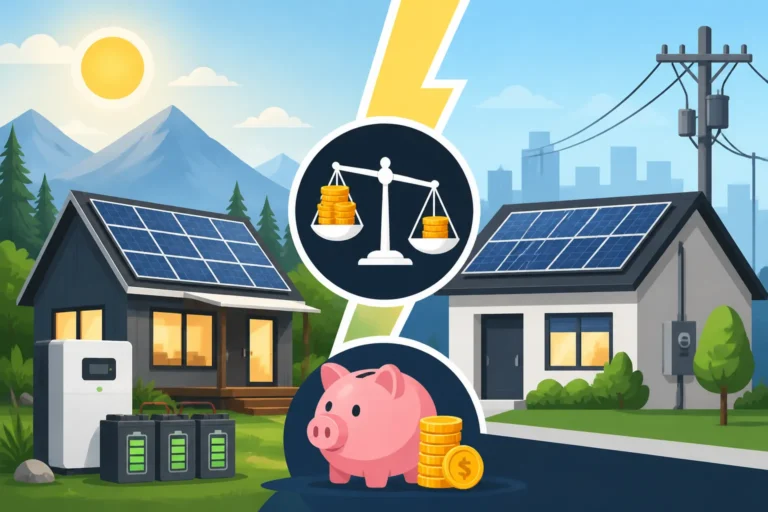
Ultimately, determining if off-grid solar is truly cost-effective for your specific food truck comes down to a careful balance of your initial investment, your daily energy demands, and the long-term operational savings and benefits you stand to gain. For many food truck entrepreneurs, the answer is a resounding yes, especially when considering the significant reduction in fuel costs, the dramatic decrease in generator maintenance, and the invaluable boost to customer experience and brand image.
The upfront cost might be a hurdle, but with careful planning, accurate load calculations, and a commitment to understanding your system, the return on investment can be substantial. You're not just buying power; you're investing in freedom from the grid, a quieter operation, a greener brand, and ultimately, a more streamlined and profitable business model. With a bit of research, maybe even checking out component prices on Amazon, and understanding the nuances of how to size an off-grid solar system, you can set your food truck on a path to sustainable, independent power.
Disclaimer
Please remember that this article provides general information and estimates. The specific costs, performance, and suitability of an off-grid solar system for your food truck will vary significantly based on your unique energy consumption, geographical location, chosen equipment, and installation methods. It is highly recommended to consult with a qualified solar professional to design and install a system that meets your specific needs and complies with all local regulations and safety codes.