EcoFlow Delta 2 Review for Off-Grid Use
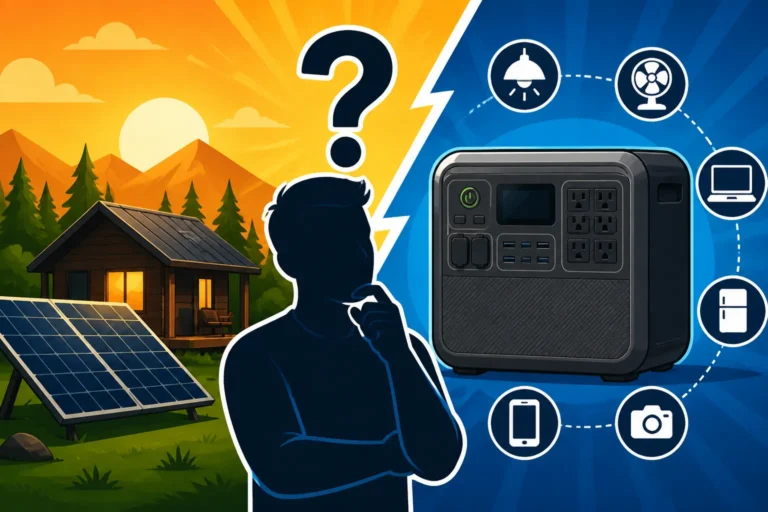
Setting up an off-grid lifestyle, whether it's for a remote cabin, an RV adventure, or even just emergency preparedness, often comes with the nagging question: how do I get reliable power without all the complicated wiring and expensive components? Many folks look for an all-in-one solution, and portable power stations like the EcoFlow Delta 2 seem to fit that bill. But is this compact unit truly robust enough for genuine off-grid use, or is it more suited for casual camping? This guide will dive deep into the EcoFlow Delta 2, examining its capabilities and limitations to help you decide if it’s the right power companion for your off-grid dreams.
Understanding the EcoFlow Delta 2's Core Appeal for Off-Grid Living
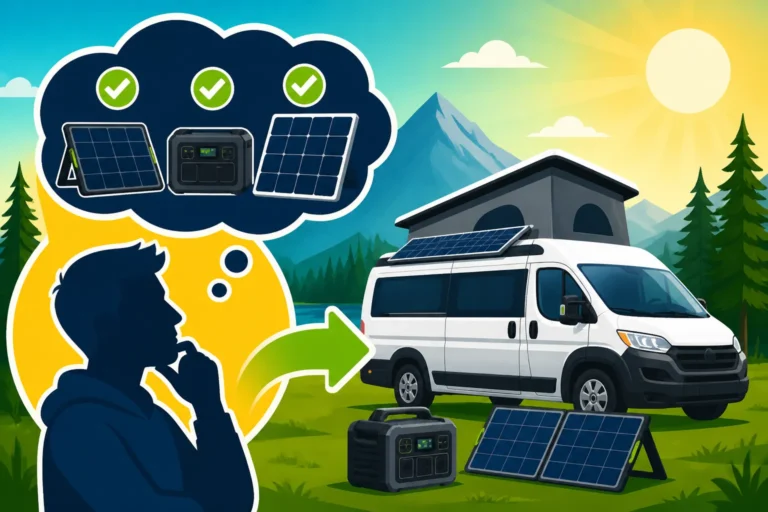
When you're trying to escape the grid, the thought of piecing together a complex solar system can be daunting. You've got panels, charge controllers, inverters, batteries, and all the wiring in between. It's enough to make anyone feel overwhelmed. That's where portable power stations, and specifically the EcoFlow Delta 2, really shine in their initial appeal. They promise a simplified, plug-and-play approach to power generation and storage, wrapping multiple components into one sleek, manageable unit.
What is the EcoFlow Delta 2 and Its Key Specifications
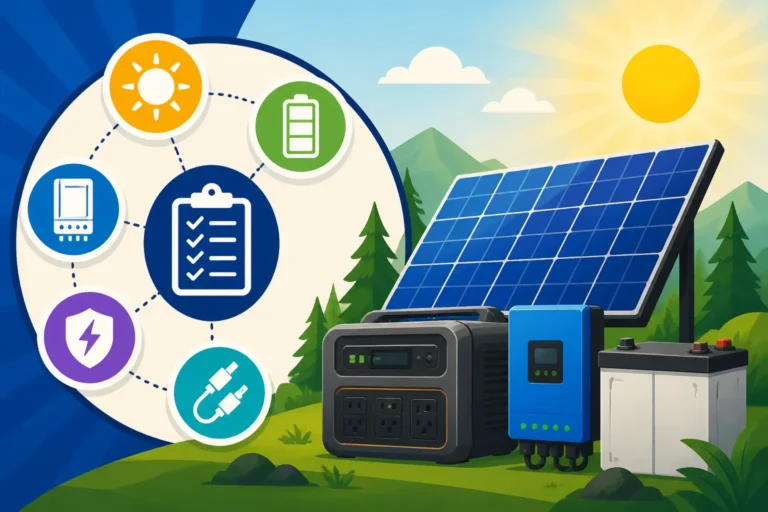
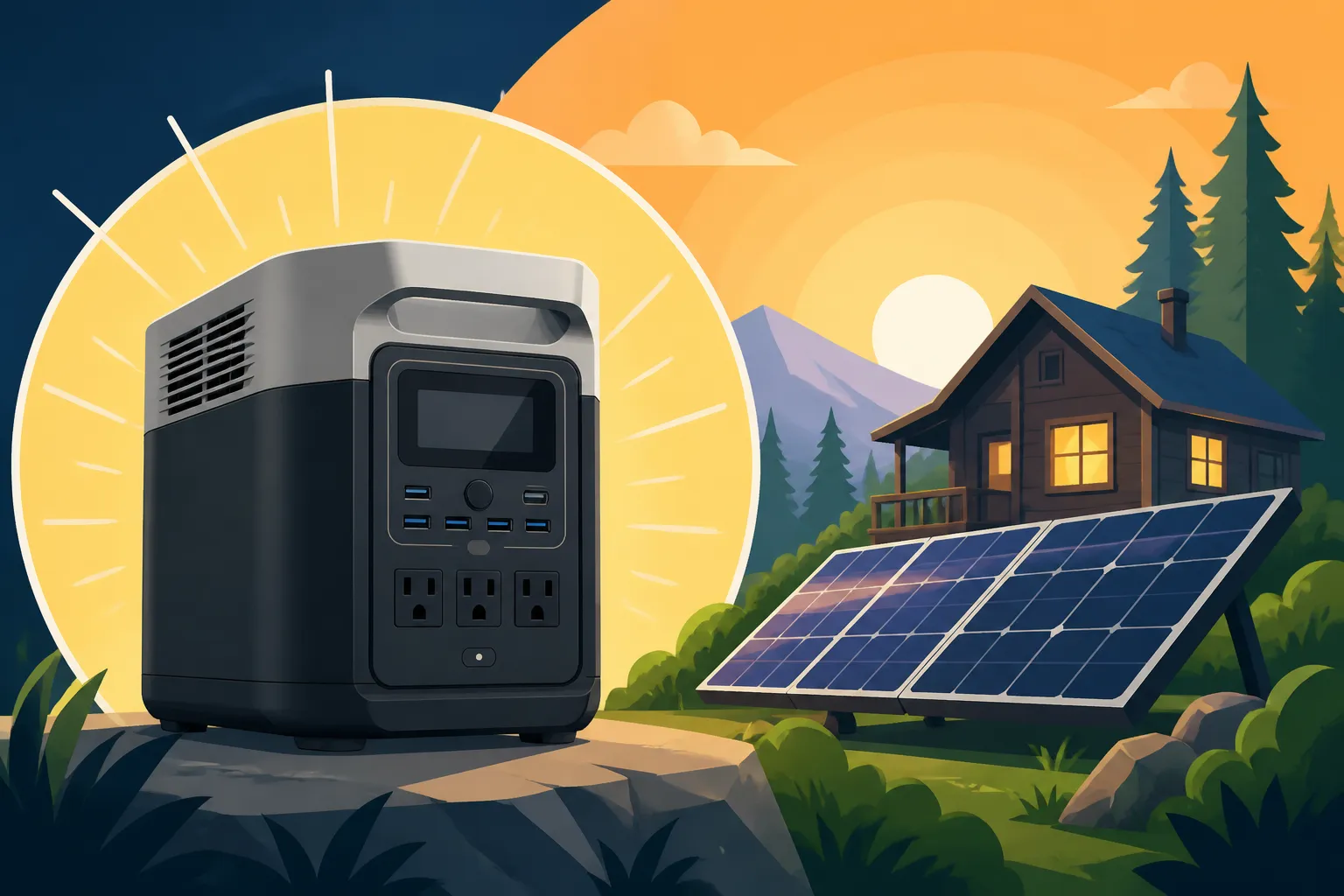
The EcoFlow Delta 2 is essentially a large, high-capacity battery bank with an integrated inverter, charge controller, and multiple output ports, all housed in a portable casing. It’s designed to be a grab-and-go power solution, capable of running a variety of AC and DC appliances. The core appeal for off-grid users lies in its self-contained nature and impressive specifications for its size.
At its heart, the Delta 2 boasts a 1024 Watt-hour (Wh) capacity. To put that into perspective, a common mini-fridge might consume around 100-200 Wh per day, so this unit could power it for several days, depending on efficiency. It provides a continuous AC output of 1800W, with a surge capability of 2700W, meaning it can handle many power-hungry devices that demand a burst of power when starting up, like some power tools or small appliances. It uses LiFePO4 (Lithium Iron Phosphate) batteries, which are a game-changer for longevity and safety compared to older battery chemistries, and it boasts a cycle life of 3,000 cycles to 80% capacity. This means you can charge and discharge it thousands of times before seeing a significant degradation in its overall storage capability, making it a very durable choice for repeated off-grid use. It also features a speedy charging time, capable of going from 0-80% in about 50 minutes via AC wall outlet, or fully charging in 3-6 hours with optimal solar input. This kind of rapid charging is incredibly convenient, especially if you have limited sunlight hours or need a quick top-up from a generator.
The All-in-One Advantage for Simplifying Off-Grid Power
The biggest frustration for many looking to go off-grid isn't just the cost, but the sheer complexity of designing and installing a system. The EcoFlow Delta 2 completely bypasses that. There's no need to calculate wire gauges, worry about matching component voltages, or struggle with complex wiring diagrams. You literally connect solar panels directly to the unit, and it handles the rest. This simplicity makes it an ideal stepping stone for beginners or for those who don't want to dedicate significant time to a full-scale build.
For weekend campers, van lifers, or owners of small hunting cabins, this plug-and-play aspect is invaluable. Imagine setting up your camp and having immediate access to power for lights, a small fridge, or charging your electronics without any fuss. It’s a stark contrast to needing an intricate Off-Grid Solar Installation Guide or figuring out How to Wire an Off-Grid Solar System. The Delta 2 simplifies the process so much that you can focus on enjoying your off-grid experience rather than troubleshooting your power system.
Evaluating Real-World Off-Grid Performance and Limitations
While the specifications sound impressive on paper, real-world off-grid conditions throw a lot more at a power station than a controlled test environment. Sunlight varies, temperatures fluctuate, and your actual power needs might surge unexpectedly. It's crucial to understand how the EcoFlow Delta 2 performs under these realistic pressures.
Powering Common Off-Grid Appliances and Devices
The EcoFlow Delta 2's 1024Wh capacity and 1800W continuous output are quite respectable for a portable unit. But what does that really mean for your off-grid appliances? Let's consider a few common scenarios:
- Refrigeration: A modern, energy-efficient 12V DC compressor fridge typically draws between 30-50 watts when running, but it cycles on and off. Over 24 hours, it might consume 300-600Wh. The Delta 2 could power such a fridge for one to three days, assuming no solar input. If you have a small AC mini-fridge, it might draw 60-80W when running, potentially consuming 800-1200Wh daily, severely limiting the Delta 2's runtime to less than a day.
- Electronics: Charging laptops (60W), phones (10-20W), and running LED lights (5-10W per bulb) are well within its capabilities. You could easily charge multiple devices and keep your lighting going for days.
- Small Appliances: A blender (300-500W), a coffee maker (800-1200W), or a toaster (800-1500W) can be run by the Delta 2 due to its 1800W output, but only for short durations. These devices are energy hogs. Running a coffee maker for 10 minutes might use 150-200Wh, which is a significant chunk of your daily budget from a 1024Wh battery.
- Power Tools: Handheld drills (500-800W), small saws (1000-1500W), or orbital sanders (200-300W) can be run, especially with the 2700W surge capacity, but again, only for intermittent tasks. Don't expect to run a full-time workshop on this unit.
This is where understanding your How to Calculate Daily Energy Usage becomes paramount. The Delta 2 is fantastic for moderate, intermittent use, but it's not designed to be a sole power source for a full-sized household. For larger needs, you'd be looking at something more substantial, like a dedicated Off-Grid Solar System Sizing Guide with a much larger battery bank and solar array.
Charging Speeds and Solar Input Capabilities
One of the standout features of the EcoFlow Delta 2 is its versatile and rapid charging. It can charge from a standard AC wall outlet at up to 1200W, allowing it to fully recharge in about 80 minutes. This is incredibly fast and useful if you're briefly connected to shore power or a generator.
For off-grid scenarios, solar charging is key. The Delta 2 can accept up to 500W of solar input, which is a solid amount for a portable power station. With optimal sunlight, a 500W solar array can recharge the 1024Wh battery in approximately 3-6 hours. This means that on a sunny day, you can effectively cycle your power, using it during the day and recharging, then relying on stored power overnight.
However, "optimal sunlight" is the operative phrase. Cloudy days, short winter days, and suboptimal panel angles will reduce your actual solar input significantly. For example, if you're trying to power a Cost to Run A Refrigerator on Off-Grid Solar year-round with limited sun, a 500W solar input might not be enough to offset the daily consumption and fully recharge the battery, especially in regions with less peak sun hours. This is an important consideration for anyone planning to rely on it as their primary power source for extended periods.
Battery Lifespan and Maintenance for Long-Term Off-Grid Use
The choice of LiFePO4 batteries in the EcoFlow Delta 2 is a significant advantage for off-grid applications. Unlike older lead-acid batteries, LiFePO4 batteries are lighter, more compact, and can be discharged deeply without damaging their lifespan. The Delta 2's 3,000 cycle rating to 80% capacity is excellent. This means if you fully charge and discharge the unit every day, it would still retain 80% of its original capacity after over eight years of continuous use. For intermittent off-grid use, it could last well over a decade.
Maintenance is also incredibly simple. Unlike traditional batteries that require checking water levels or specific charging regimens, the Delta 2's integrated Battery Management System (BMS) handles all the complex stuff. You just need to keep the unit clean, ensure ventilation isn't blocked, and avoid exposing it to extreme temperatures for prolonged periods. Storing it with a charge of around 50-80% is generally recommended for long-term dormancy, which is typical for LiFePO4 vs Lead-Acid Battery Cost comparisons, where lithium wins on longevity and ease of care. This low-maintenance aspect is a huge plus for off-grid users who want to spend less time on system upkeep and more time enjoying their surroundings.
The Advantages and Disadvantages of Relying on a Portable Power Station Off-Grid
Let's be realistic: no single solution is perfect for every off-grid scenario. The EcoFlow Delta 2, like any portable power station, comes with its own set of trade-offs. Understanding these can help you manage your expectations and determine if it aligns with your specific off-grid goals.
Benefits of the EcoFlow Delta 2 for Independent Power
There are compelling reasons why the Delta 2 is such a popular choice, particularly for those dipping their toes into off-grid living or needing flexible power.
Firstly, portability and ease of use are its greatest strengths. At around 27 pounds, it’s heavy enough to feel substantial but light enough to move around easily. This is perfect for someone doing Off-Grid Solar Cost for a Van or a camper, where space is tight and flexibility is key. You can move it from inside your dwelling to outside for charging, or share power between different areas. This "grab-and-go" nature is something larger, stationary battery banks simply cannot offer.
Secondly, the integrated nature significantly reduces the learning curve and potential for error. All the necessary components—battery, inverter, charge controller—are perfectly matched and pre-wired. This means less time researching, less money spent on individual components, and fewer opportunities for mistakes during installation. For a beginner, this peace of mind is invaluable.
Thirdly, the LiFePO4 battery chemistry provides long-term value and safety. As we discussed, the impressive cycle life means you're investing in a power source that will reliably serve you for many years. Plus, LiFePO4 batteries are inherently more stable and safer than other lithium chemistries, a crucial consideration when you’re relying on this unit in a remote setting.
Finally, the fast charging capabilities are a huge advantage. Whether it's rapid AC charging from a generator or maximizing limited sunlight with its 500W solar input, the ability to quickly replenish your power reserves makes a significant difference in managing energy needs in an off-grid environment. This is often a critical factor when comparing units, where EcoFlow often outpaces competitors like Jackery in charge times.
Limitations and Considerations for Full-Time Off-Grid Living
Despite its many advantages, the EcoFlow Delta 2 does have limitations that make it less suitable for certain full-time or high-demand off-grid applications.
The most significant limitation is its energy capacity. 1024Wh is great for supplemental power, short trips, or emergency backup, but for a full-time off-grid home, even a tiny one, it's often insufficient. A typical off-grid home might easily consume 5-10 kWh (5,000-10,000 Wh) per day, especially if you're running appliances like a well pump, washing machine, or air conditioning. The Delta 2 would be depleted rapidly, requiring constant recharging. For truly independent, year-round living, you would need a much larger, custom-built system. If you're wondering How Many Solar Panels for Off-Grid Living for a whole house, you'd quickly find that a single Delta 2 is just a drop in the bucket.
Another consideration is the cost per watt-hour compared to a DIY system. While the convenience of an all-in-one unit is undeniable, you often pay a premium for that integration. If you're capable of a DIY Off-Grid Solar Installation Step by Step, you might be able to build a system with greater capacity and similar components (LiFePO4 batteries, pure sine wave inverter) for a lower cost per stored watt-hour. However, that comes at the expense of time, labor, and technical know-how.
Lastly, while the Delta 2 is expandable with additional batteries (up to 3040Wh with two Delta 2 Max Smart Extra Batteries), even that expanded capacity might not be enough for a demanding off-grid setup, and it increases the overall footprint and cost. For a complete family home, you'd likely explore options like an EcoFlow Delta Pro for Off-Grid: Specs and Review or a comparable high-capacity power station.
Here's a quick comparison of key features:
| Feature | EcoFlow Delta 2 (Base Unit) | Typical Small DIY Off-Grid Setup (Approx. Equivalent) |
|---|---|---|
| Battery Capacity | 1024 Wh LiFePO4 | 100 Ah 12V LiFePO4 (approx. 1280 Wh usable) |
| AC Output | 1800W continuous (2700W surge) | 1500W-2000W pure sine wave inverter |
| Solar Input | 500W Max | 400W-600W panel array with MPPT controller |
| Charging Time (AC) | 0-80% in 50 mins | Dependent on charger, typically 3-5 hours for 100Ah |
| Portability | ~27 lbs, handles | Multiple components, stationary or less portable |
| Lifespan | 3000 cycles to 80% capacity | 3000-6000 cycles for LiFePO4 batteries |
| Ease of Use | Plug-and-play | Requires wiring knowledge, system design |
Is the EcoFlow Delta 2 the Right Off-Grid Power Solution for Your Needs?
Deciding whether the EcoFlow Delta 2 is the perfect fit for your off-grid aspirations really boils down to your specific power demands, budget, and comfort level with DIY projects. It's an excellent piece of equipment, but it's not a universal solution for every kind of off-grid enthusiast.
Ideal Use Cases and Scenarios
The EcoFlow Delta 2 truly shines in several specific off-grid scenarios where its portability, simplicity, and moderate capacity are a perfect match.
- Weekend Warrior or Seasonal Use: If you have a small off-grid cabin you visit on weekends, or a remote shed or garage that needs occasional power, the Delta 2 is fantastic. It can handle lights, a radio, phone charging, and even a power tool or two for a few hours without breaking a sweat. It's an excellent choice for a Cost of a 1000W Off-Grid Solar System setup, providing sufficient power for intermittent use.
- RV and Van Life: For full-time or part-time travelers in RVs or vans, the Delta 2 offers a lightweight and powerful solution. It can power your essential electronics, a 12V fridge, and even a small microwave for quick meals. Its compact size means it won't take up too much precious space, and its fast solar charging is ideal when you're moving between sunny spots. For those considering the Best Off-Grid Solar Kit for a Van, the Delta 2 stands out as a strong contender.
- Emergency Backup Power: Even if you're primarily on-grid, having a reliable backup for power outages is crucial. The Delta 2 can keep critical appliances running, like a refrigerator, CPAP machine, or communication devices, for extended periods. In these unpredictable situations, its ease of use means anyone can operate it without needing technical expertise. This is a common role for many Best Solar Generators for Off-Grid units.
- Off-Grid Tiny Homes or Micro-Cabins: For very minimalist tiny homes or micro-cabins with extremely low power consumption (think LED lighting, laptop, and phone charging only), the Delta 2 might suffice, especially if supplemented by efficient DC appliances and careful energy management. However, once you introduce bigger loads like water pumps or robust cooking appliances, you’ll quickly reach its limits.
When a More Robust Off-Grid System is Necessary
There are definitely situations where the EcoFlow Delta 2, even with its expansion batteries, just isn't going to cut it.
If your vision of off-grid living includes running a full suite of household appliances—a standard refrigerator, freezer, well pump, washing machine, electric water heater, or air conditioning—you will undoubtedly need a much larger and more permanent system. These types of loads demand significantly more battery capacity (often 10,000 Wh or more) and a higher continuous power output (3000W-5000W or more) than the Delta 2 can provide. Trying to power such a lifestyle with a portable power station would lead to constant frustration and never enough power, which is why a dedicated How to Size an Off-Grid Solar System calculation is so important for those larger projects.
Similarly, if you're building a truly permanent off-grid homestead where reliability, longevity, and redundancy are paramount, a custom-designed system often makes more sense. This allows you to choose individual components like larger Best Off-Grid Solar Panels and a robust Best Off-Grid Solar Inverters, and scale your system precisely to your needs, including integrating a backup generator for those long stretches of bad weather. While EcoFlow offers more powerful solutions like the Delta Pro, even these might not offer the modularity and raw power of a fully custom build for very demanding scenarios. In such cases, a portable unit like a Jackery or the EcoFlow Delta 2 might serve as a portable emergency backup, but not the main energy hub.
Ultimately, the EcoFlow Delta 2 is an outstanding portable power station that delivers on its promise of accessible, reliable power for a wide range of off-grid applications. It's a fantastic entry point for those new to off-grid concepts, and an indispensable tool for mobile lifestyles or temporary power needs. Just make sure to realistically assess your daily energy consumption and compare it against the Delta 2's capacity to ensure it truly meets your expectations for independent living.
Disclaimer
The information provided in this guide is for general informational purposes only and does not constitute professional advice. Off-grid solar system design and installation can be complex and should be undertaken with proper knowledge and safety precautions. Always consult with qualified professionals for specific applications and ensure compliance with all local codes and regulations.