Best Off-Grid Solar Kit for a Remote Cabin
Having a remote cabin is the ultimate escape, isn't it? The peace, the quiet, the feeling of getting away from it all – it’s a dream. But the reality often hits when you realize how much you rely on electricity and the incredible cost of extending utility lines to a truly secluded spot. This guide is all about helping you navigate the world of off-grid solar kits, ensuring your remote haven can hum with power without the stress of astronomical connection fees or relying on noisy, fuel-guzzling generators.
Understanding Your Remote Cabin's Energy Needs
Before you even think about buying an off-grid solar kit, the single most critical step is to understand exactly how much power your cabin will actually consume. It's like planning a road trip without knowing how much gas your car needs – you'll either run out halfway or haul around an unnecessarily huge tank. For a remote cabin, where every watt counts and replenishment might not be easy, this step is non-negotiable.
Calculating Your Daily Watt-Hour Consumption
This is where the rubber meets the road. You need to perform a "load analysis" – essentially, a detailed inventory of every electrical device you plan to use in your cabin, how many watts each one draws, and for how long you'll use it each day. Don't guess; grab your appliance manuals or use a watt meter (like a Kill A Watt device) to get accurate numbers for things you already own.
Start by listing everything: lights, refrigerator, water pump, charging stations for phones and laptops, coffee maker, microwave, TV, fans, and any power tools. For each item, note its wattage (W) and the estimated hours per day (h) it will run. Multiply watts by hours to get watt-hours (Wh) for that device. Then, sum up all the watt-hours for your entire list. That total is your estimated daily energy usage. For example, a 60W LED light bulb running for 4 hours a day consumes 240Wh. A mini-fridge that cycles on and off might average 100W, but runs for 8 hours total over 24 hours, meaning 800Wh. For a comprehensive breakdown, check out our guide on how to calculate daily energy usage. It sounds tedious, but getting this right upfront will save you headaches and money down the line, preventing both undersizing (leaving you in the dark) and oversizing (wasting your hard-earned cash).
Accounting for Seasonal Variations and Days of Autonomy
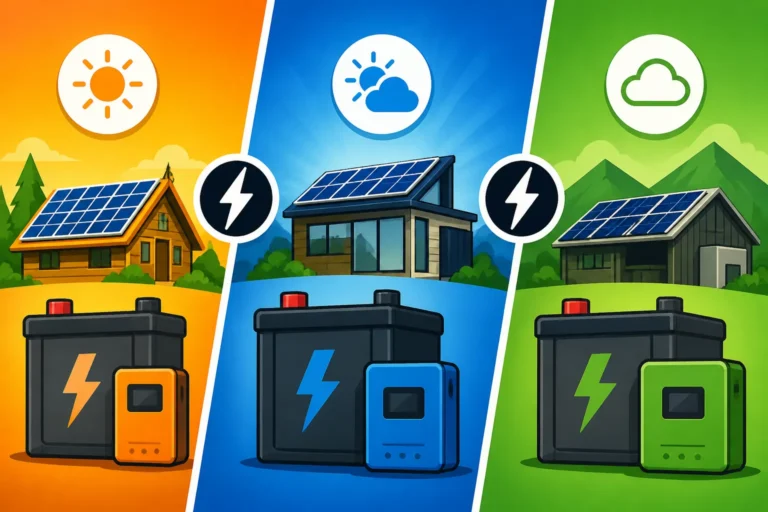
A remote cabin isn't a static environment, and neither is the sun. Your energy needs and the available solar irradiance will change significantly with the seasons. Winter months, especially in northern latitudes or areas with frequent cloud cover, mean fewer peak sun hours and potentially higher energy demands (for heating, though solar for primary heat is usually impractical without a massive system). You need to factor this into your calculations. For example, if your cabin is in the Rockies, you might have abundant sunshine in July but significantly less in December. This variability is why it's also crucial to consider "days of autonomy" – how many days your battery bank can power your cabin without any solar input (e.g., during prolonged cloudy periods). Most off-grid cabin owners aim for 3-5 days of autonomy, meaning if the sun doesn't shine for three days straight, you'll still have power. This directly impacts how many batteries for an off-grid system you’ll need. Overlooking these variations is a common pitfall that can leave you scrambling for power when you least expect it.
Key Components of an Off-Grid Solar Kit for a Cabin
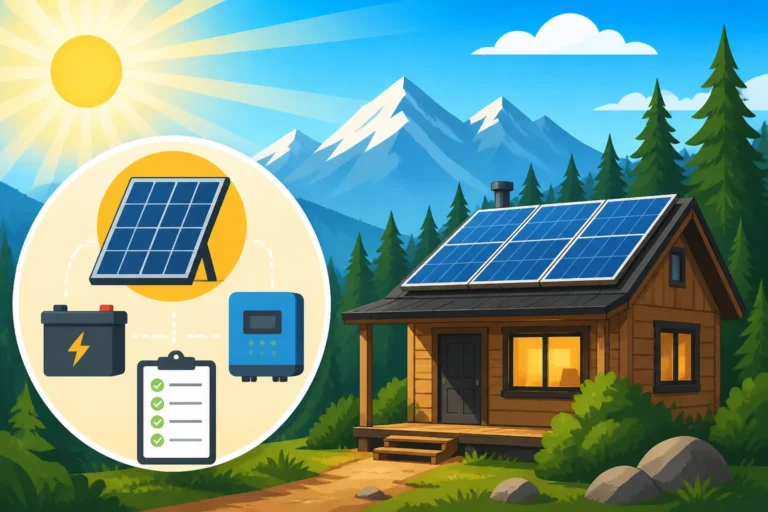
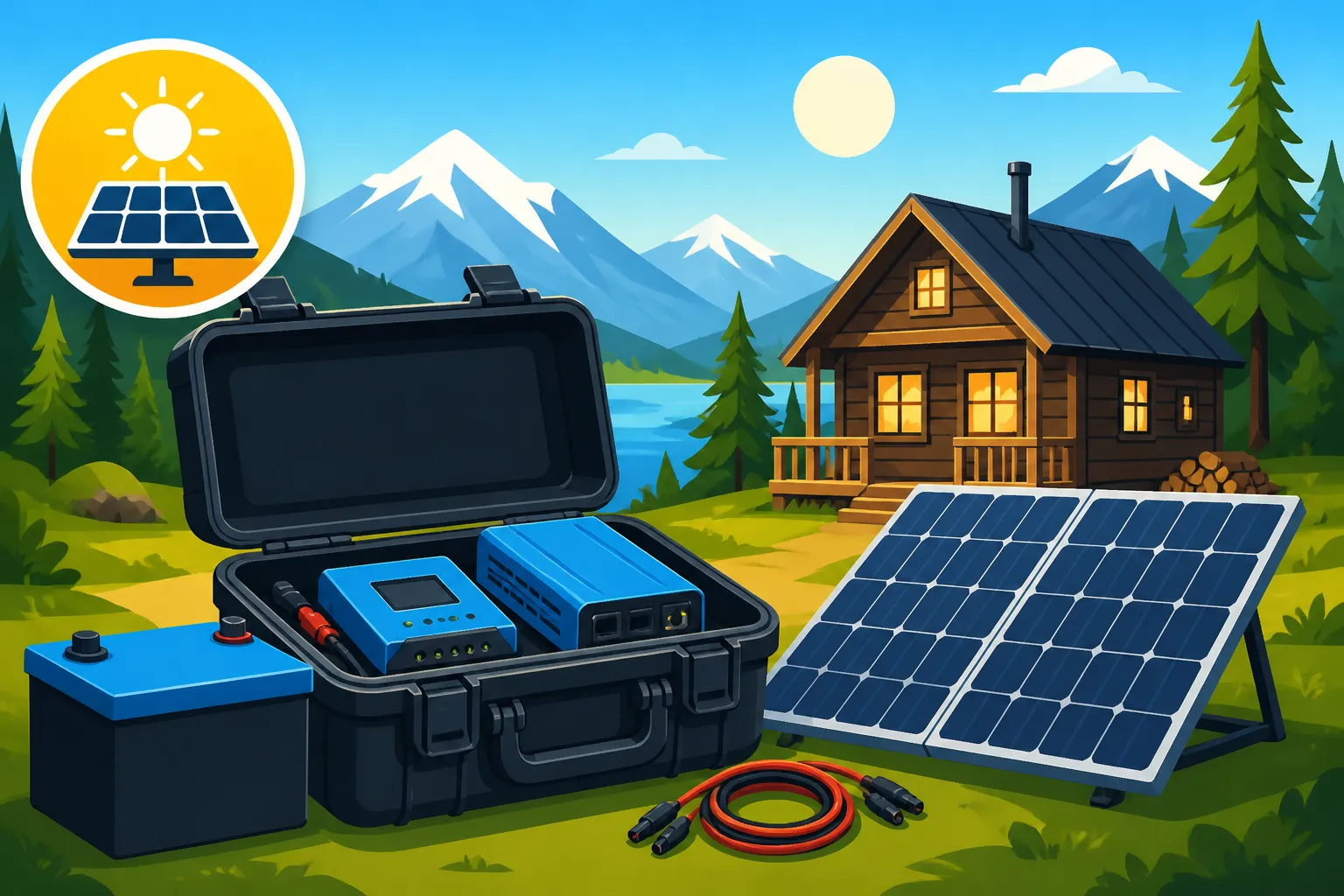
When you look at off-grid solar kits, they usually contain several core components that work together to harness the sun's energy and turn it into usable electricity. Understanding what each part does is fundamental to choosing the right kit for your remote cabin.
Solar Panels
The solar panels are your energy collectors, literally soaking up sunlight and converting it into DC (direct current) electricity. For a remote cabin, you’ll typically be looking at rigid monocrystalline panels. These are known for their efficiency and durability, making them ideal for fixed installations that need to withstand various weather conditions.
When choosing panels, consider their wattage (e.g., 100W, 200W, 400W) and their physical size. You'll need enough surface area to generate your required daily watt-hours, especially during those shorter winter days. The number of panels will depend heavily on your energy audit and the peak sun hours in your location. Panels from reputable brands like Renogy or Rich Solar are popular choices due to their balance of performance and cost. Think about mounting options too; will they go on the cabin roof, a dedicated ground mount, or a pole mount that can be adjusted seasonally to optimize sun exposure? The more direct sunlight your panels get, the more efficiently they’ll charge your batteries.
Batteries
Batteries are the heart of any off-grid system, storing the energy generated by your solar panels for use when the sun isn't shining. For a remote cabin, battery choice is paramount because you’re completely reliant on this storage. There are two main types you'll likely encounter: lead-acid and lithium iron phosphate (LiFePO4).
Lead-acid batteries (like AGM or Gel) are generally less expensive upfront. However, they have a shorter lifespan, are heavier, require more maintenance, and can only be safely discharged to about 50% of their capacity. For example, a 200Ah lead-acid battery only offers 100Ah of usable capacity. In contrast, LiFePO4 batteries offer a significantly longer lifespan (often 10-15 years or more), are lighter, can be discharged to 80-100% without damage, and have much higher charge/discharge efficiency. While the initial cost of LiFePO4 batteries is higher, their longevity and performance often make them more cost-effective over the system's lifetime. Understanding how batteries drive off-grid solar cost is essential here, as they often represent the largest single expense in an off-grid system. When sizing your battery bank, you need to match it to your daily energy consumption and desired days of autonomy. You can read more about the Cost of an Off-Grid Solar Battery Bank to get a better sense of this crucial component.
Inverter and Charge Controller
These two components are the brain and brawn of your system, managing power flow.
- Charge Controller: This device regulates the voltage and current coming from your solar panels to your battery bank. It prevents overcharging, which can severely damage batteries, and ensures they are charged optimally. There are two main types: PWM (Pulse Width Modulation) and MPPT (Maximum Power Point Tracking). MPPT controllers are more efficient, especially in varying light conditions or when the panel voltage is significantly higher than the battery voltage. They can extract up to 30% more power from your panels compared to PWM controllers, making them a wise investment for remote cabins where every bit of energy counts.
- Inverter: Most appliances in your cabin (like a fridge, TV, or laptop charger) run on AC (alternating current) power, just like in a grid-tied home. Solar panels and batteries produce DC power. The inverter's job is to convert that DC power from your batteries into usable AC power for your appliances. For sensitive electronics, you'll want a pure sine wave inverter, which produces clean, stable power identical to what you get from the utility grid. Modified sine wave inverters are cheaper but can cause issues with certain appliances and are generally not recommended for cabin living. The inverter's size (measured in watts) needs to be able to handle the peak wattage of all your appliances that might run simultaneously. If you plan to run a well pump, for instance, it will have a much higher "starting surge" wattage than its "running" wattage, and your inverter needs to be able to handle that temporary spike.
Balance of System Components
Beyond the main items, an off-grid solar kit also includes essential "balance of system" (BOS) components that ensure safety, efficiency, and proper operation. These include:
- Wiring and Cables: Properly sized wiring is crucial to prevent voltage drop and fire hazards. The longer the wire run and the higher the current, the thicker the gauge of the wire needed.
- Fuses and Breakers: These are safety devices that protect your system components and, more importantly, you, from overcurrents and short circuits. Every major connection point, from the solar array to the charge controller, and from the battery bank to the inverter, needs appropriate fusing or circuit breakers.
- Mounting Hardware: Racks, rails, and fasteners designed to secure your solar panels firmly against wind, snow, and other environmental factors. For remote cabins, robust mounting is key, as you won't be there every day to check on it.
- Monitoring System: A good battery monitor (often a shunt-based system) will give you critical information about your battery's state of charge, current draw, and how much power is coming in. This is invaluable for managing your energy consumption and extending battery life, especially when you're far from civilization.
Top Considerations When Choosing an Off-Grid Solar Kit for a Remote Cabin
Picking the perfect off-grid solar kit for your remote cabin isn't a one-size-fits-all situation. Your specific needs, location, and budget will heavily influence the best choice. Here are some crucial factors to weigh.
System Scalability and Expandability
Many cabin owners start small, powering just lights and device charging, then decide to add more amenities like a refrigerator or a well pump down the line. Choosing a system that can be easily expanded is a smart move. This means selecting a charge controller that can handle more solar input than you currently have and an inverter that has some headroom. Look for modular battery systems that allow you to add more capacity by simply connecting additional battery units.
Some brands design their systems with expandability in mind, making it straightforward to add more panels or batteries without overhauling the entire setup. This approach allows you to spread out the initial investment and grow your system as your needs evolve or your budget allows. It’s always a good idea to design an expandable system from the start, even if you’re not immediately filling it out.
Durability and Weather Resistance
Remote cabins are often located in areas with challenging weather conditions, from heavy snow loads and high winds to extreme temperature fluctuations. Your solar kit components must be built to withstand these elements. Look for solar panels with robust frames and tempered glass, designed for snow and hail resistance. Inverters and charge controllers should ideally be housed indoors or in weather-protected enclosures.
Batteries, especially lead-acid types, are sensitive to temperature extremes. If your cabin isn't heated year-round, consider lithium batteries with built-in low-temperature cut-offs or invest in a well-insulated battery box. Brands like Victron Energy are known for their high-quality, durable components that stand up to harsh environments, making them a favorite among serious off-gridders. This focus on durability might mean a higher upfront cost, but it pays dividends in reliability and longevity in a remote setting where repairs can be difficult and expensive.
Ease of Installation and Maintenance
Unless you're a seasoned electrician, the complexity of installation is a major factor. Many off-grid solar kits are designed with DIYers in mind, offering pre-wired components or clear, step-by-step instructions. Some even come as complete plug-and-play solutions. Kits from companies like Renogy or BougeRV often provide comprehensive manuals and support for self-installation. For those with less experience, considering a basic, easy-to-install kit might be a better entry point.
However, for larger or more complex systems, hiring a professional electrician who understands off-grid setups is always recommended, especially for the AC wiring portion, to ensure safety and compliance. Even with DIY kits, you’ll want to review the Off-Grid Solar Installation Guide for tips. In terms of maintenance, LiFePO4 batteries are largely maintenance-free compared to lead-acid, which require regular watering. Panels need occasional cleaning, especially after heavy snow or dust. The simpler the system, generally, the easier it is to maintain, which is a huge plus when your cabin is off the beaten path. You can explore the DIY vs Professional Off-Grid Solar Cost to understand the implications of each approach.
Brand Reputation and Support
When you're miles from the nearest hardware store or electrician, having reliable equipment and accessible customer support is invaluable. Research brands known for their quality, long warranties, and good customer service. Read reviews from other off-grid users to gauge real-world performance and support experiences.
Brands like Victron, Outback Power, and MidNite Solar are highly respected in the serious off-grid community for their robust and reliable components. For more portable or beginner-friendly options, companies such as Jackery have built a solid reputation for dependable solar generators and smaller kits that can be a great starting point or supplemental power source for a remote cabin. Choosing a reputable brand ensures that if you do encounter an issue, help and replacement parts will be available, saving you from prolonged power outages at your remote retreat.
Recommended Off-Grid Solar Kit Types for Remote Cabins
Considering the diverse needs of remote cabin owners, there isn't a single "best" kit, but rather different types of kits optimized for various levels of power demand and usage.
Basic Kits for Minimalist Cabins
For those with a truly minimalist remote cabin – maybe a small hunting shack or a simple weekend getaway – a basic off-grid solar kit focuses on essential lighting and device charging. These kits typically feature one or two 100W-200W solar panels, a small charge controller, a single 100Ah LiFePO4 battery (or a couple of lead-acid batteries), and a small 500W-1000W pure sine wave inverter.
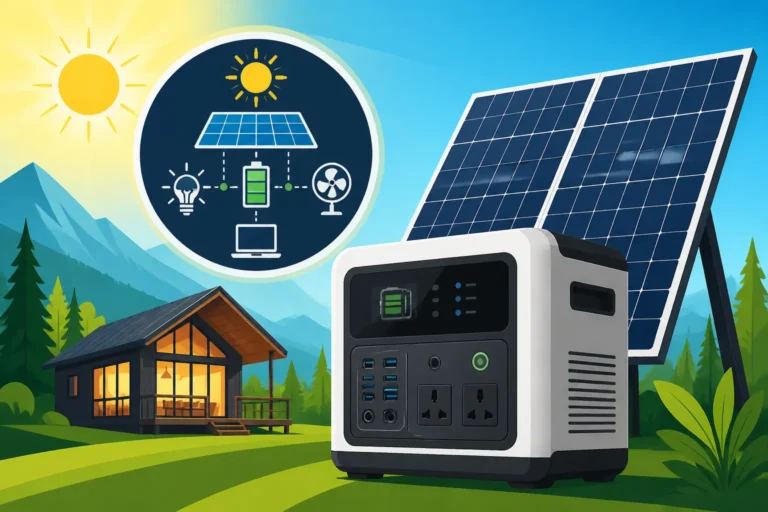
This setup can easily power LED lights for several hours each evening, charge phones, laptops, and maybe run a small fan or a radio. It's perfect for cabins where you primarily use propane for cooking and heating, and electricity is just for creature comforts and communication. The total cost for such a kit often falls within the lower range of Off-Grid Solar Kit Price Ranges, making it an accessible entry point to off-grid living. For those just dipping their toes in or needing a small backup, portable power stations from brands like Jackery can be a great starting point, often integrating panels, battery, and inverter into a single, easy-to-use unit for truly minimalist needs.
Mid-Range Kits for Comfort-Focused Cabins
If your remote cabin is more of a comfortable retreat where you spend extended weekends or even a week at a time, you'll want a mid-range kit. These kits usually include 400W-1000W of solar panels, a more robust MPPT charge controller, 200Ah-400Ah of LiFePO4 battery storage, and a 2000W-3000W pure sine wave inverter.
This setup allows you to run a full-size energy-efficient refrigerator, a microwave for quick meals, a TV, and small kitchen appliances like a blender or toaster, in addition to your basic lights and charging needs. It offers a significant boost in convenience and comfort, enabling more home-like living. It's important to select energy-efficient appliances to maximize your power budget. For example, a modern chest freezer converted to a refrigerator can be incredibly efficient. This level of system requires more careful sizing of your inverter to handle simultaneous loads, like the microwave and fridge kicking on at the same time. These kits are often considered the sweet spot for many recreational cabin owners, balancing cost with functionality.
Advanced Kits for Year-Round Living or Larger Loads
For those who treat their remote cabin as a full-time residence or want to power high-demand appliances like a well pump, mini-split air conditioner, or a washing machine, an advanced off-grid solar kit is necessary. These systems typically feature 1500W-5000W or more of solar panels, a high-capacity MPPT charge controller, 600Ah-1200Ah+ of LiFePO4 battery storage, and a powerful 5000W+ pure sine wave inverter, often an inverter-charger hybrid unit for potential generator integration.
Such systems are designed for significant energy independence and can support a more conventional lifestyle. They require meticulous planning, often involving higher system voltages (like 48V instead of 12V or 24V) to reduce current and allow for thinner wiring. Running a well pump, for example, demands a substantial surge of power, so your inverter capacity and battery’s discharge rate are critical. For large systems like these, professional consultation or installation might be a wise investment to ensure safety and optimal performance. While a quality portable power station from Jackery or similar brands can still serve as an emergency backup for critical loads, these larger kits form the primary power infrastructure for true off-grid living.
It’s worth noting that the Best Off-Grid Solar Kits for Beginners might focus more on simpler, smaller setups, but for serious cabin power, you'll quickly move beyond those initial options.
Here’s a simplified table to help you compare general kit types for remote cabins:
| Kit Type | Solar Panel Wattage | Battery Capacity (LiFePO4) | Inverter Size (Pure Sine Wave) | Typical Use Case | Estimated Price Range (USD) | Key Feature |
|---|---|---|---|---|---|---|
| Basic/Minimalist | 100W – 400W | 100Ah – 200Ah | 500W – 1000W | Lights, phone charging, small electronics | $800 – $2,500 | Portability, easy setup |
| Mid-Range/Comfort | 400W – 1000W | 200Ah – 400Ah | 2000W – 3000W | Fridge, TV, microwave, small kitchen appliances | $2,500 – $7,000 | Balanced comfort & efficiency |
| Advanced/Full-Time | 1500W – 5000W+ | 600Ah – 1200Ah+ | 5000W – 8000W+ | Well pump, AC, washing machine, full household | $7,000 – $20,000+ | High capacity, robust, expandable |
*Prices are estimates and can vary widely based on specific components, brands, and market fluctuations.
Ultimately, choosing the best off-grid solar kit for your remote cabin boils down to a thorough assessment of your energy needs, a realistic look at your budget, and a commitment to selecting quality, durable components that can withstand the rigors of off-grid living. With careful planning, your remote cabin can truly become a self-sufficient sanctuary, powered by the sun. Don't forget to consider how to size an off-grid solar system properly, as this is the foundational step.
Disclaimer
The information provided in this article is for general guidance and informational purposes only. While we strive to offer accurate and up-to-date content, off-grid solar system design and installation can be complex and should always be undertaken with consideration for local electrical codes, safety standards, and professional advice where necessary. Individual results may vary, and we recommend consulting with certified solar professionals for specific system sizing, design, and installation needs for your remote cabin.