Is AIMS Power a Good Off-Grid Inverter Brand
Choosing the right inverter for your off-grid solar system can feel like a massive puzzle, especially when you're wading through countless brands and technical specifications, trying to balance performance with your budget. It's tough to know which names genuinely deliver reliability when your entire off-grid lifestyle depends on consistent power. This comprehensive guide will take a deep dive into AIMS Power as an off-grid inverter brand, examining its strengths, weaknesses, and overall suitability to help you make an informed decision for your unique setup.
Understanding AIMS Power as an Off-Grid Inverter Brand
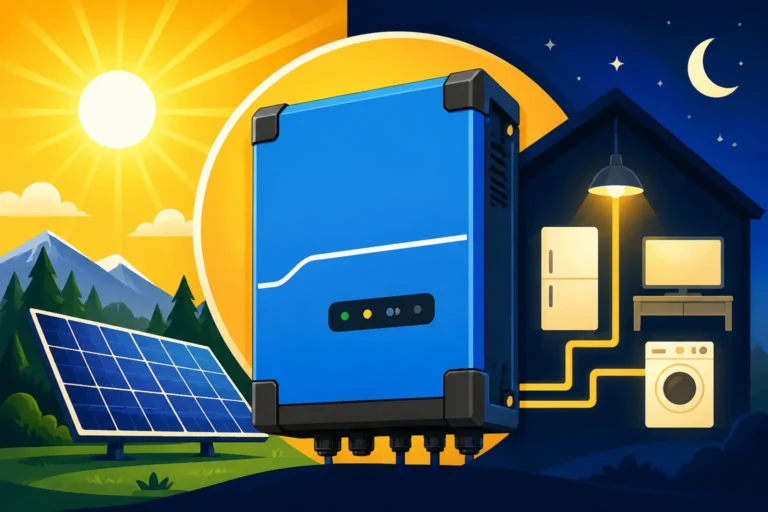
When you're building an off-grid system, the inverter is truly the heart of your AC power. It's the critical component that takes the direct current (DC) from your batteries and transforms it into the alternating current (AC) that your everyday appliances, from your coffee maker to your laptop charger, rely on. AIMS Power has carved out a distinct niche in this market, offering a range of inverters that appeal to a specific segment of off-grid enthusiasts.
AIMS Power's History and Market Position
AIMS Power has been a player in the power conversion industry for quite some time, establishing itself with a focus on providing reliable power solutions for both mobile and remote applications. They aren't necessarily aiming for the ultra-premium, cutting-edge market dominated by some European brands, but rather focus on delivering solid, dependable performance at a more accessible price point. This approach has made them quite popular among RVers, tiny home dwellers, and those setting up power for cabins or remote workshops where budget and straightforward functionality are key considerations.
They've built a reputation for offering a broad catalog of products, ranging from smaller, portable inverters perfect for a quick weekend trip, to much larger, more robust inverter chargers designed to power an entire off-grid homestead. Their presence is strong across online retailers like Amazon, as well as specialized solar and RV supply stores, making their products relatively easy to acquire for many DIY builders. While not always the first name mentioned in high-end, complex integrated systems, they are a consistent and recognizable brand for practical, everyday off-grid power needs.
Core Product Philosophy and Offerings
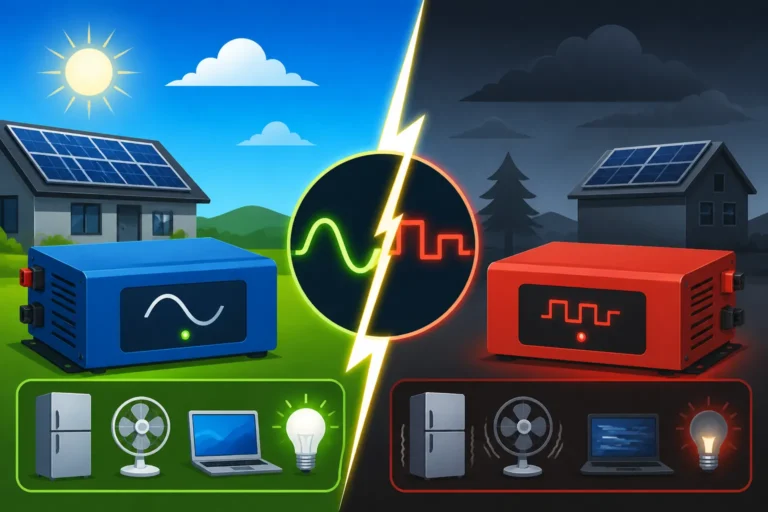
AIMS Power's product philosophy centers around providing a wide variety of power solutions to meet diverse demands. They offer a comprehensive lineup that includes everything from basic modified sine wave inverters – which are perfectly fine for less sensitive electronics like lights, fans, and simple tools – to highly efficient pure sine wave inverters, which are essential for powering delicate electronics such as laptops, medical equipment like CPAP machines, and anything with a motor or sensitive circuit board.
Many of their popular models are also inverter chargers, which combine the functionality of an inverter with a built-in battery charger. This is a huge convenience for off-grid systems that might incorporate a backup generator. When the generator kicks on, the inverter charger automatically switches from providing AC power from the batteries to charging the batteries and passing through generator power, all in one neat package. This integrated design simplifies wiring and system management for many users. You can find their inverters in various sizes, from a few hundred watts to several thousand watts, with options for 12V, 24V, and 48V battery systems, making them adaptable to different scales of off-grid living, whether you're looking for an Off-Grid Solar Cost for an RV or a full-blown Cost to Go Off-Grid for a Family Home.
Pros and Cons of AIMS Power Inverters for Off-Grid Use
Like any brand, AIMS Power comes with its own set of advantages and disadvantages. Understanding these can help you decide if their inverters align with your specific off-grid power goals and expectations. It's never a one-size-fits-all situation in the world of solar.
Key Advantages and Benefits
One of the most significant advantages of AIMS Power inverters is their competitive pricing. For many people just getting into off-grid living or those on a tighter budget, AIMS Power offers a way to get reliable pure sine wave power without breaking the bank. This makes them an attractive option for DIYers looking to keep their initial Off-Grid Solar Cost: Complete Breakdown under control. You'll often find that their watt-per-dollar ratio is quite favorable compared to some of the higher-end brands.
Beyond cost, their inverters are generally known for being robust and straightforward. Many models feature heavy-duty cases, often designed to handle the bumps and vibrations common in mobile applications like RVs and boats. The internal components, while not always the absolute bleeding edge of technology, are typically solid and designed for durability. Users frequently report that AIMS Power units are workhorses, consistently delivering power without unnecessary complexity. For someone who values simple, dependable functionality over intricate programming options, this can be a real plus. Their customer support also tends to get good marks; many users report positive experiences with AIMS Power's technical assistance, often praising their responsiveness and willingness to troubleshoot issues over the phone, which can be a huge relief during an installation.
Potential Drawbacks and Considerations
While AIMS Power offers compelling benefits, there are also a few areas where they might not be the top choice for every off-grid scenario. One common consideration is that their units, particularly the inverter-charger models, tend to be physically larger and heavier than some comparable offerings from other brands. This isn't a deal-breaker for a stationary cabin or a large utility room, but it can be a significant factor when space and weight are at a premium, such as in a smaller RV, a compact van build, or a tiny home where every inch counts.
Another point to consider is that while their inverters are reliable, they may not always boast the highest efficiency ratings or the most advanced communication features found in some premium brands. For a system where every fractional percentage of efficiency matters, or if you desire extensive remote monitoring and sophisticated system integration with other components, you might find AIMS Power's offerings a bit less feature-rich. For example, some higher-end inverters offer advanced battery management algorithms that are tightly integrated with specific lithium battery types, which AIMS Power might handle more generally. You might also find their warranties to be good, but perhaps not as extensive as some top-tier competitors. When considering your Off-Grid Solar Return on Investment, factors like long-term efficiency and warranty coverage play a role.
Comparing AIMS Power to Other Off-Grid Inverter Brands
It's natural to compare AIMS Power with other prominent names in the off-grid solar world. Each brand brings its own philosophy and suite of features to the table, and understanding these differences is key to selecting the ideal inverter for your particular needs and preferences.
Performance and Feature Comparison
When you look at performance, AIMS Power inverters consistently deliver the rated power, and their pure sine wave output is clean, making them suitable for most modern electronics. However, when you compare them to brands like Victron Energy or Sol-Ark, you start to see where the differences in price points come into play. Victron, for example, is renowned for its highly integrated ecosystem, robust build quality, unparalleled monitoring capabilities via Bluetooth and their VRM portal, and generally superior efficiency, especially at lower loads. Sol-Ark inverters, often called "all-in-one" hybrid inverters, offer incredible versatility with grid-tied, off-grid, and battery backup capabilities, often featuring higher surge capacities and seamless transitions. These brands, however, often come with a significantly higher price tag, which influences the Cost of an Off-Grid Solar Inverter.
AIMS Power excels by offering a straightforward, functional inverter without all the bells and whistles that drive up the cost of premium brands. Their surge capabilities are typically good, allowing them to handle the startup demands of many motors and compressors, which is crucial for items like refrigerators or well pumps. However, they might not offer the same level of overcurrent protection or the advanced programming options that allow for fine-tuning specific charging parameters or load management strategies that you might find in a Victron MultiPlus or a Sol-Ark unit. For instance, if you're building a massive system and need to How to Size an Off-Grid Inverter for complex loads, you might explore those higher-end options.
Value Proposition and Target Users
The value proposition of AIMS Power is quite clear: solid, reliable off-grid power at a competitive price point. They are an excellent choice for the budget-conscious DIY enthusiast who wants to build a dependable system without overspending on features they might not use or need. This includes many RV owners, van lifers, and cabin owners who are seeking independence without a massive upfront investment. Their products are often available on platforms like Amazon, making them easily accessible for those who prefer to source components themselves.
They are particularly well-suited for applications where simplicity and durability are prioritized over cutting-edge technology or extensive smart features. If your goal is to power a modest cabin, run essential appliances in your RV, or set up a backup system for occasional use, AIMS Power can be a fantastic fit. However, if you're designing a large, complex residential off-grid system where maximizing every watt-hour, integrating with smart home technology, and having extensive remote diagnostics are paramount, then exploring brands like Victron, Outback Power, or Sol-Ark, or perhaps even an all-in-one system from a brand like Renogy, might be more appropriate. Ultimately, the "best" brand really depends on your specific needs, the scale of your system, and how much you're willing to invest in components like the Cost of Off-Grid Solar Panels and the overall system.
| Feature / Brand | AIMS Power (Typical) | Victron Energy (Typical) | Sol-Ark (Typical) |
|---|---|---|---|
| Price Point | Mid-range/Budget-friendly | Premium | High-Premium |
| Efficiency | Good (85-92%) | Excellent (92-96%+) | Excellent (95%+) |
| Pure Sine Wave | Yes | Yes | Yes |
| Inverter/Charger | Many models available | Yes, extensive options | Yes, all-in-one |
| System Voltage | 12V, 24V, 48V | 12V, 24V, 48V | 48V primary |
| Monitoring | Basic display, some remote | Advanced app/portal, Bluetooth | Advanced display, WiFi/Ethernet |
| Integration | Standalone/Basic charger | Highly integrated ecosystem | All-in-one hybrid |
| Build Quality | Robust, durable | Exceptional | Excellent |
| Warranty | Standard (1-3 years) | Good (5-10 years) | Excellent (5-10 years) |
| Typical Use | RVs, cabins, small homes, DIY | High-end RVs, large off-grid homes, commercial | Advanced off-grid, hybrid, whole-home backup |
Making the Right Choice for Your Off-Grid System
Deciding on an inverter brand, especially for an off-grid system, is a significant commitment. It's not just about the name on the box; it's about how that piece of equipment integrates into your entire lifestyle and power strategy. Taking a step back and evaluating your specific requirements is crucial.
Factors to Consider Beyond Brand Name
While brand reputation is important, it's vital to look beyond just the name and delve into the specifics of what your off-grid system truly needs. First, conduct a thorough Off-Grid Solar Load Calculation Explained to understand your daily energy consumption and peak wattage requirements. This will dictate the inverter size you need. An inverter that's too small will trip constantly, and one that's drastically oversized might be less efficient at low loads, wasting precious battery power. Think about your largest appliance's surge capacity – will your inverter handle that initial power spike when your well pump kicks on or your microwave starts?
Secondly, consider your battery chemistry and voltage. Are you using traditional lead-acid batteries, or have you opted for the newer, more efficient LiFePO4 batteries? Ensure the inverter-charger you select has compatible charging profiles. If you’re building a larger system, remember that Why 48V Is Better for Large Systems due to reduced current and cabling losses. Your inverter needs to be matched to your battery bank's voltage (12V, 24V, or 48V). Lastly, think about future expansion. Do you plan to add more panels or batteries down the line? Some inverter systems are designed for easier scalability than others. These considerations are more critical than simply picking a popular brand.
Real-World Experiences and Recommendations
From what I've seen and heard from countless off-grid folks, AIMS Power is often a fantastic gateway into the world of independent power. For someone building a solid, no-frills cabin system, an RV setup, or a small off-grid workshop, their pure sine wave inverters or inverter-chargers offer excellent value. Many users rave about the sheer reliability for the price point, often finding that the units just work for years with minimal fuss. For example, if you're trying to figure out How Much Solar to Run A Refrigerator, an AIMS Power inverter can handle that load effectively without breaking the bank.
However, if you're aiming for a high-tech, fully integrated smart home solution, or if you're in a critical application where every single feature and the highest efficiency is non-negotiable, you might lean towards brands like Victron, Outback, or Sol-Ark, even if it means a significantly higher Off-Grid Solar Cost by System Size. These brands offer more advanced communication protocols, often integrate more seamlessly with other specialized components like sophisticated battery monitors, and typically have more granular control over charging parameters. Ultimately, AIMS Power is a very good choice for a large segment of the off-grid community seeking dependable power without the premium price tag. Do your research, size your system correctly, and you’ll likely find an AIMS Power inverter to be a reliable partner in your off-grid journey.
Disclaimer
The information provided in this guide is for general informational purposes only and does not constitute professional advice. Off-grid solar system design and installation require expertise in electrical systems and adherence to local codes. Always consult with qualified professionals and refer to product manuals before making purchasing decisions or attempting any installations.