Jackery 2000 Plus for Off-Grid: Specs and Review
Thinking about going off-grid, even if it's just for a weekend escape or to have reliable backup power at home, can feel like navigating a maze. There are so many options, so many numbers, and often, the promise of "portable power" falls short when you try to run anything substantial. If you've been eyeing compact, all-in-one solutions that claim to handle serious loads, you've likely stumbled upon the Jackery Explorer 2000 Plus. This comprehensive guide will take a deep dive into its specifications, real-world capabilities, and help you understand if this powerhouse truly lives up to its off-grid potential.
Understanding the Jackery Explorer 2000 Plus: More Than Just a Battery
When you start looking at solar generators, it's easy to get lost in the marketing hype. But with the Jackery Explorer 2000 Plus, we're talking about a unit that pushes the boundaries of portable power. It's not just a big battery; it's an integrated system designed to give you a significant amount of electricity on the go or during an outage. This specific model builds upon Jackery's popular line, offering enhanced capacity and output to tackle more demanding appliances than its smaller siblings. It’s for those moments when you need more than just phone charging or a few LED lights.
What is a Portable Power Station?
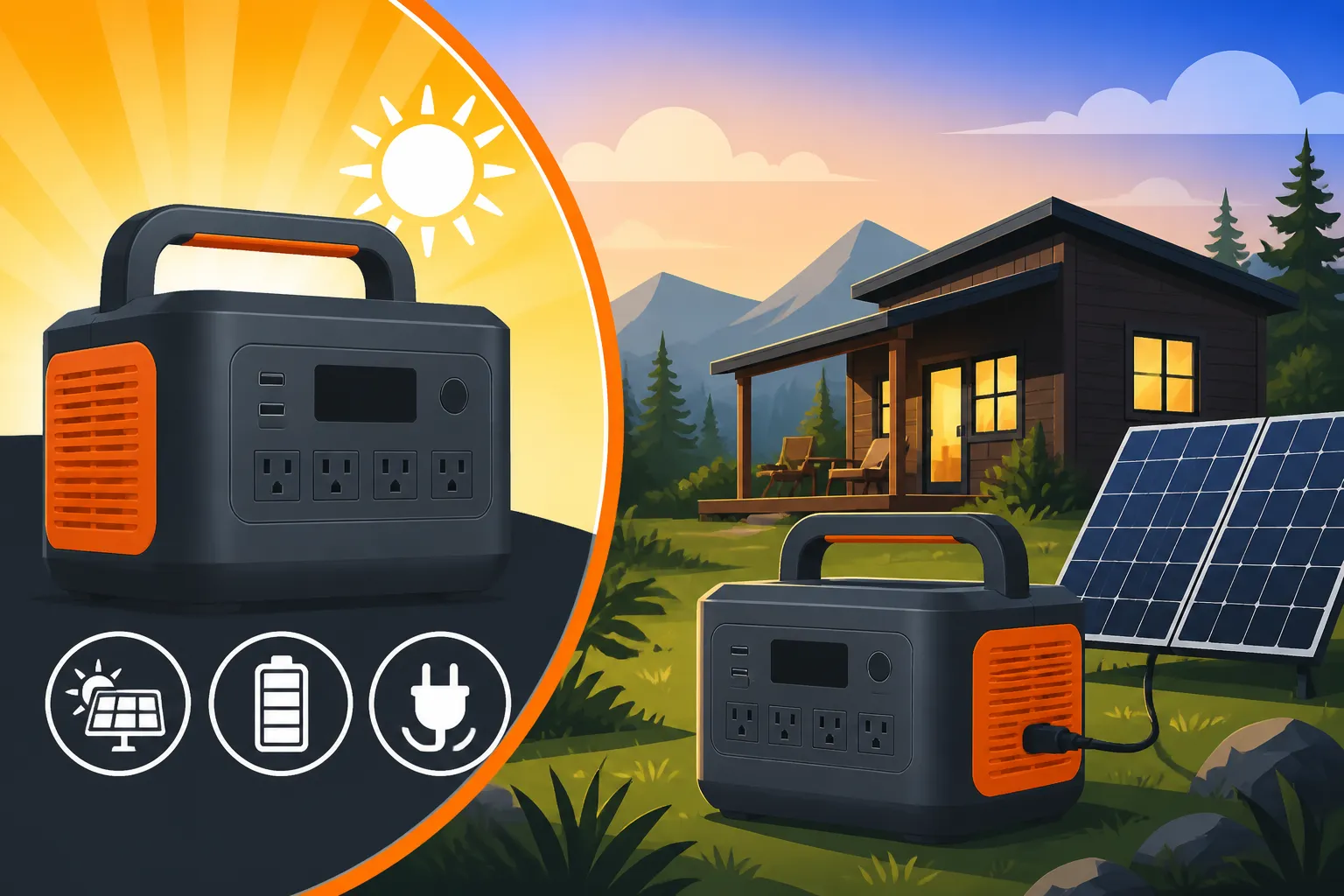
At its heart, the Jackery Explorer 2000 Plus is what we call a portable power station, sometimes referred to as a solar generator when paired with solar panels. Unlike a traditional gas generator that burns fuel, these units store electrical energy in a battery and convert it into usable AC (alternating current) and DC (direct current) power through an onboard inverter. The beauty of these systems is their quiet operation, lack of emissions, and the ability to recharge from various sources, including wall outlets, car chargers, and, most importantly for off-gridders, solar panels. This makes them incredibly versatile for camping, RV trips, remote cabins, or as a reliable home backup. For a broader overview of similar devices, you might want to check out our article on the Best Solar Generators for Off-Grid Use.
Jackery's Place in the Off-Grid Landscape
Jackery has carved out a significant niche in the portable power market, known for its user-friendly design and robust build quality. They've consistently delivered products that strike a good balance between performance, portability, and price, often making them a go-to choice for weekend adventurers and those dipping their toes into solar. The Explorer 2000 Plus represents their push into the higher-capacity segment, aiming to serve users who need to power more substantial loads like refrigerators, power tools, or even small air conditioners. It’s designed to bridge the gap between small, personal power banks and full-blown, custom-built off-grid solar systems, offering a "plug-and-play" experience that many appreciate.
Diving Deep into the Jackery 2000 Plus Specifications
Let's get down to the nitty-gritty and break down what makes the Jackery Explorer 2000 Plus tick. Understanding these core specifications is crucial for determining if this unit can truly meet your off-grid energy demands, whether you're powering a remote cabin or planning an extended RV trip.
Battery Capacity and Chemistry
The heart of any power station is its battery, and the Jackery 2000 Plus boasts a substantial 2042 watt-hour (Wh) capacity. To put that into perspective, 2042 Wh means it can deliver 2042 watts for one hour, 1021 watts for two hours, and so on. This is a significant amount of stored energy, placing it firmly in the category of units capable of running multiple appliances for extended periods. When comparing the cost, you can read more in our guide on the Cost of an Off-Grid Solar Battery Bank.
More importantly, the Jackery 2000 Plus utilizes a LiFePO4 (Lithium Iron Phosphate) battery chemistry. This is a huge win for off-grid users for several reasons:
- Durability: LiFePO4 batteries are known for their exceptional cycle life, meaning they can be charged and discharged many more times (typically 2,000-4,000 cycles to 80% capacity) than older lithium-ion or lead-acid batteries. This translates to years of reliable service, even with frequent use.
- Safety: They are inherently more stable and safer, with a lower risk of thermal runaway compared to other lithium chemistries. This peace of mind is invaluable, especially in confined spaces like RVs or cabins.
- Performance: LiFePO4 batteries perform well in a wider range of temperatures and maintain a more consistent voltage throughout their discharge cycle, ensuring your appliances get stable power. This is a significant factor in their long-term value, as highlighted in discussions around LiFePO4 vs Lead-Acid Battery Cost.
Inverter Output and Capabilities
The inverter is what converts the battery's DC power into the AC power that most of your household appliances use. The Jackery 2000 Plus features a robust 3000W (continuous) pure sine wave AC output, with a surge capability of 6000W.
- 3000W Continuous Output: This is a seriously impressive number for a portable unit. It means you can run high-draw appliances like a full-size refrigerator, a microwave oven, a coffee maker, or even some power tools simultaneously without tripping a breaker. Imagine making breakfast in your cabin or running a circular saw at your workshop with clean, quiet power.
- 6000W Surge Capacity: Many appliances, especially those with motors (like refrigerators, well pumps, or power tools), require a much higher burst of power (surge) for a split second when they first start up. The 6000W surge capability ensures that the Jackery 2000 Plus can handle these initial power spikes, which is a common failing point for smaller or less capable power stations. Understanding surge versus continuous power is critical when you're learning How to Size an Off-Grid Inverter.
- Pure Sine Wave: This is essential. A pure sine wave inverter produces electricity that is as clean and stable as the power from your utility grid. This is vital for sensitive electronics like laptops, medical equipment (like CPAP machines), and modern appliances, preventing potential damage and ensuring optimal performance.
Input Methods and Solar Charging
A power station is only as good as its ability to recharge. The Jackery 2000 Plus offers versatile input options:
- AC Wall Charging: It can fully recharge from a standard wall outlet in approximately 2 hours, thanks to its rapid charging technology. This is incredibly fast and convenient when grid power is available.
- Car Charging: You can charge it from a 12V car adapter, though this method is much slower and generally reserved for topping off smaller power drains.
- Solar Input: This is where it truly shines for off-grid use. The 2000 Plus can handle up to 1200W of solar input, which is a massive capability for a unit of this size. With sufficient solar panels, you can recharge the entire unit in about 2 hours under ideal peak sun conditions. This high solar input capacity makes it a true contender for continuous off-grid living, allowing you to replenish its substantial battery quickly. While Jackery offers its own solar panels, many users consider pairing it with high-quality, efficient panels from brands like Renogy to maximize their solar harvest. For general guidance on system components, check out our guide to Off-Grid Solar System Components Explained.
Expandability and Portability
One of the standout features of the Jackery 2000 Plus is its expandability.
- Battery Packs: The base unit can be expanded by adding up to five additional Jackery Battery Pack 2000 Plus modules. Each module adds another 2042Wh of capacity, meaning you can scale your system all the way up to a massive 12kWh (12,252Wh) with the main unit and five expansion batteries. This modularity is fantastic for growth, allowing you to start small and expand as your needs or budget allow. If you're pondering how much battery capacity you might need, our guide on How Many Batteries for an Off-Grid System offers more insights.
- Portability: Despite its power, the main unit weighs around 61.3 lbs (27.8 kg), and each expansion battery adds another 41.9 lbs (19 kg). While you won't be casually carrying the full 12kWh system around, the base unit is manageable for one strong person to move, and the expansion batteries are designed for easier handling. The unit also features wheels and a telescopic handle, making it much easier to transport across camp or around your property. You can find these units readily available on platforms like Amazon.
Real-World Performance and Off-Grid Applications
Knowing the specs is one thing, but how does the Jackery Explorer 2000 Plus actually perform when you're trying to live off the grid or weather a power outage? Let's talk about realistic expectations and various use cases.
Powering Common Off-Grid Appliances
With its 2042Wh capacity and 3000W inverter, the Jackery 2000 Plus can handle a surprisingly wide array of appliances.
- Refrigerator: A standard Energy Star refrigerator typically draws 100-200W when running. The 2000 Plus could power it for 10-20 hours on a single charge, depending on cycling. With good solar input, you could easily run a fridge indefinitely during sunny periods, making it ideal for a Best Off-Grid Solar Kit for a Cabin or RV.
- Microwave: A 1000W microwave can run for about 2 hours.
- Coffee Maker: A 1200W coffee maker could brew several pots.
- Power Tools: A 1500W circular saw could be used for over an hour of intermittent cutting. The 6000W surge is crucial here for motor startup.
- Mini-Split AC: A small 5,000 BTU mini-split AC might draw 500-800W, giving you several hours of cooling. This is often a game-changer for comfortable off-grid living, especially in warmer climates.
- Electronics: Laptops, phones, lights, TVs – these consume very little power and can be run for days or even weeks on a single charge, especially if supplemented by solar.
To effectively manage your power, it's always a good idea to perform a thorough Off-Grid Solar Load Calculation Explained to know exactly what your specific appliances will demand.
Here's a quick reference table for estimated run times with the Jackery 2000 Plus:
| Appliance | Estimated Wattage (W) | Approximate Run Time (Jackery 2000 Plus) | Notes |
|---|---|---|---|
| LED Lights (10 bulbs) | 100W | ~20 hours | Very efficient, easy to run for days. |
| Mini Fridge (4.5 cu ft) | 80W (cycling) | ~25 hours | Assumes 50% compressor run time. |
| Full-Size Refrigerator | 150W (cycling) | ~13 hours | Assumes 50% compressor run time. |
| Laptop (charging/use) | 60W | ~34 hours | Perfect for remote work or entertainment. |
| TV (50-inch LED) | 100W | ~20 hours | Great for evenings. |
| Microwave (1000W) | 1000W | ~2 hours | For short bursts of cooking. |
| Coffee Maker (1200W) | 1200W | ~1.7 hours (multiple brews) | Quick morning coffee fix. |
| Blender (500W) | 500W | ~4 hours | Great for smoothies or sauces. |
| Hair Dryer (1800W) | 1800W | ~1 hour | For intermittent use. |
| Power Drill (700W) | 700W | ~2.9 hours (continuous use) | Good for construction or DIY projects. |
Note: Run times are estimates and depend on actual appliance power draw, efficiency, and usage patterns.
Considerations for Off-Grid Living
While the Jackery 2000 Plus is powerful, true off-grid living (especially for a primary residence) requires careful planning.
- Solar Array Size: The 1200W solar input is excellent, but to fully utilize it, you'll need multiple solar panels. A 400W Renogy flexible solar panel, for instance, would take about 5 hours to fully charge the unit. To hit the 1200W input, you'd need three such panels, which would drastically reduce charging time to just over 2 hours under ideal conditions. You also need to consider your location's Peak Sun Hours Explained to accurately estimate daily solar harvest.
- Days of Autonomy: For critical loads, you typically want enough battery capacity to last through 2-3 cloudy days without sun. While the base 2042Wh is good for a day or so of moderate use, serious off-gridders would likely benefit from adding expansion batteries to achieve higher "days of autonomy." This is particularly important if you live in an area prone to extended periods of bad weather.
- System Voltage: The Jackery 2000 Plus operates at an internal voltage optimized for its components. For larger, more custom off-grid systems, people often debate 12V vs 24V vs 48V Which to Choose, but with an all-in-one unit like this, the manufacturer handles that optimization for you, simplifying the user experience.
Ideal Scenarios for the Jackery 2000 Plus
This power station really shines in specific off-grid contexts:
- RV and Van Life: Its portability, robust output, and excellent solar input make it a phenomenal choice for RVers and van dwellers. It can power everything from the microwave to the AC, allowing for comfortable boondocking experiences.
- Camping and Overland Expeditions: For extended trips where a traditional generator is too noisy or impractical, the 2000 Plus provides silent, emission-free power for cooking, lighting, and charging.
- Remote Cabins or Sheds: If you have a small cabin, workshop, or shed that isn't connected to the grid, the Jackery 2000 Plus can be the primary power source for lights, tools, and small appliances. This is an excellent way to get power without the massive upfront cost and complexity of a full-scale system.
- Emergency Home Backup: When the grid goes down, having 2042Wh (or up to 12kWh with expansion packs) of portable power, capable of running a refrigerator, lights, and communication devices, can be a lifesaver. It’s significantly quieter and easier to manage than a gas generator for essential home circuits.
- Construction Sites or Mobile Work: For contractors or hobbyists needing portable power for tools at a job site without grid access, its 3000W output and surge capacity are invaluable.
Is the Jackery 2000 Plus Right for Your Off-Grid Needs?
Deciding on the right off-grid power solution is a personal journey, and the Jackery Explorer 2000 Plus offers a compelling package for many. It's a significant investment, so let's weigh the factors.
Pros of the Jackery 2000 Plus for Off-Grid Use
- High Power Output: The 3000W continuous and 6000W surge capacity is truly impressive for a portable unit, allowing it to handle heavy-duty appliances and tools. This reduces the need for careful power rationing compared to smaller units.
- Excellent Expandability: The ability to add up to five battery packs means you can scale your energy storage significantly, from a weekend warrior setup to a more robust system capable of supporting longer-term living. This modularity is a huge benefit for those whose needs might grow over time.
- Fast Charging: Both AC and solar charging speeds are top-tier. The ability to fully recharge in about 2 hours via a wall outlet or with 1200W of solar input means less downtime and more available power, especially crucial during shorter daylight hours or for quick turnarounds.
- Durable LiFePO4 Battery: The use of LiFePO4 chemistry ensures a long lifespan, enhanced safety, and consistent performance, giving you peace of mind and excellent long-term value.
- Portability and Design: Despite its power, the wheeled design with a telescopic handle makes it surprisingly easy to move, especially the base unit. The user-friendly interface and robust construction are hallmarks of Jackery products, making it approachable even for beginners looking for Off-Grid Solar System Sizing for Beginners.
- Pure Sine Wave Inverter: Essential for sensitive electronics, ensuring clean and safe power for all your devices.
Cons and What to Consider
- Initial Cost: While competitive for its feature set, the Jackery 2000 Plus and its expansion batteries represent a substantial upfront investment compared to smaller power stations or even some basic DIY kits. However, when you factor in the integrated components and ease of use, it can be a good value.
- Weight (with expansion): While the base unit is portable, a fully expanded 12kWh system with five battery packs will be very heavy and not something you'd want to move frequently. This makes the full setup more suited for semi-permanent installations in RVs, trailers, or sheds.
- Not a Replacement for a Whole-House System: For true, year-round whole-house off-grid living with all modern conveniences, a purpose-built system with larger battery banks (often 20kWh+), higher inverter capacity, and a much larger solar array will likely be more appropriate. However, for a small home or essential loads, the expanded 2000 Plus could certainly be part of the solution. If you're looking for a comprehensive guide, check out How to Size an Off-Grid Solar System.
Comparing with Other Off-Grid Solutions
The Jackery 2000 Plus falls into the "portable power station" category. When considering it, you might also look at:
- Other Solar Generators: Brands like EcoFlow, Bluetti, and Anker also offer high-capacity power stations with similar capabilities. Each has its unique features, charging speeds, and expansion options. You can compare several models in our Best Solar Generators for Off-Grid Use article.
- DIY Off-Grid Systems: Building a system from individual components (panels, charge controller, batteries, inverter) can sometimes be more cost-effective per watt-hour, and offers ultimate customization. However, it requires significant technical knowledge for DIY Off-Grid Solar Installation Step by Step and comes with a steeper learning curve and potential wiring complexities.
- Smaller Portable Kits: For very basic needs, like powering a few lights and charging devices on a short camping trip, a much smaller and less expensive portable solar kit might suffice.
Ultimately, the Jackery Explorer 2000 Plus is an outstanding choice for anyone seeking a powerful, expandable, and easy-to-use off-grid power solution. Whether you're upgrading your RV setup, establishing power for a remote cabin, or building a robust emergency backup, its impressive specs and LiFePO4 battery make it a strong contender in the market. Just make sure to align its capabilities with your specific energy demands and future expansion plans, calculating your How to Calculate Daily Energy Usage is always the best first step.
Disclaimer
Please remember that while we strive to provide accurate and up-to-date information, the world of off-grid solar and portable power is constantly evolving. Product specifications, pricing, and availability can change. Always consult the manufacturer's official documentation, specifications, and safety guidelines before making any purchase or undertaking any installation. Your specific off-grid needs will vary based on your location, lifestyle, and energy consumption.