Bluetti EP500 for Off-Grid: Specs and Review
It’s a common scenario: you dream of that perfect off-grid cabin, a self-sufficient RV adventure, or just having reliable backup power when the grid inevitably falters. But the thought of piecing together a complex solar system – panels, batteries, inverters, charge controllers, and all the wiring – can feel incredibly daunting and expensive. This guide dives deep into one potential solution, the Bluetti EP500, exploring its specifications and real-world performance to help you decide if this all-in-one power station is the right fit for your off-grid aspirations.
Understanding the Bluetti EP500: What Is It and Who Is It For?
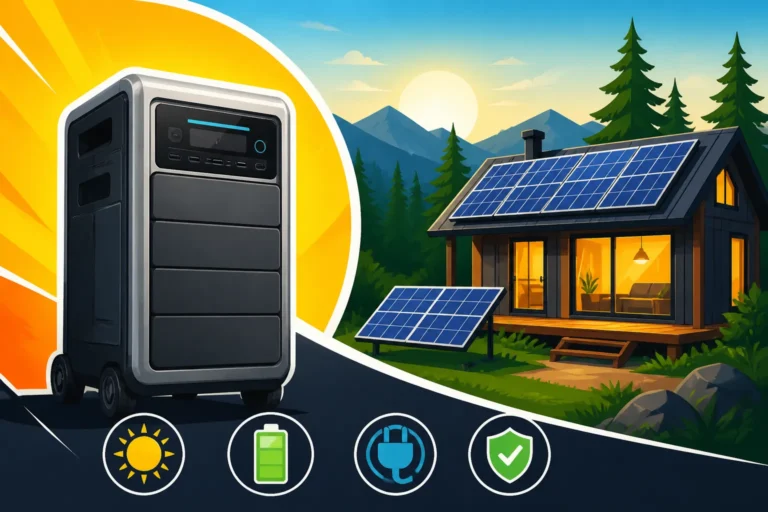
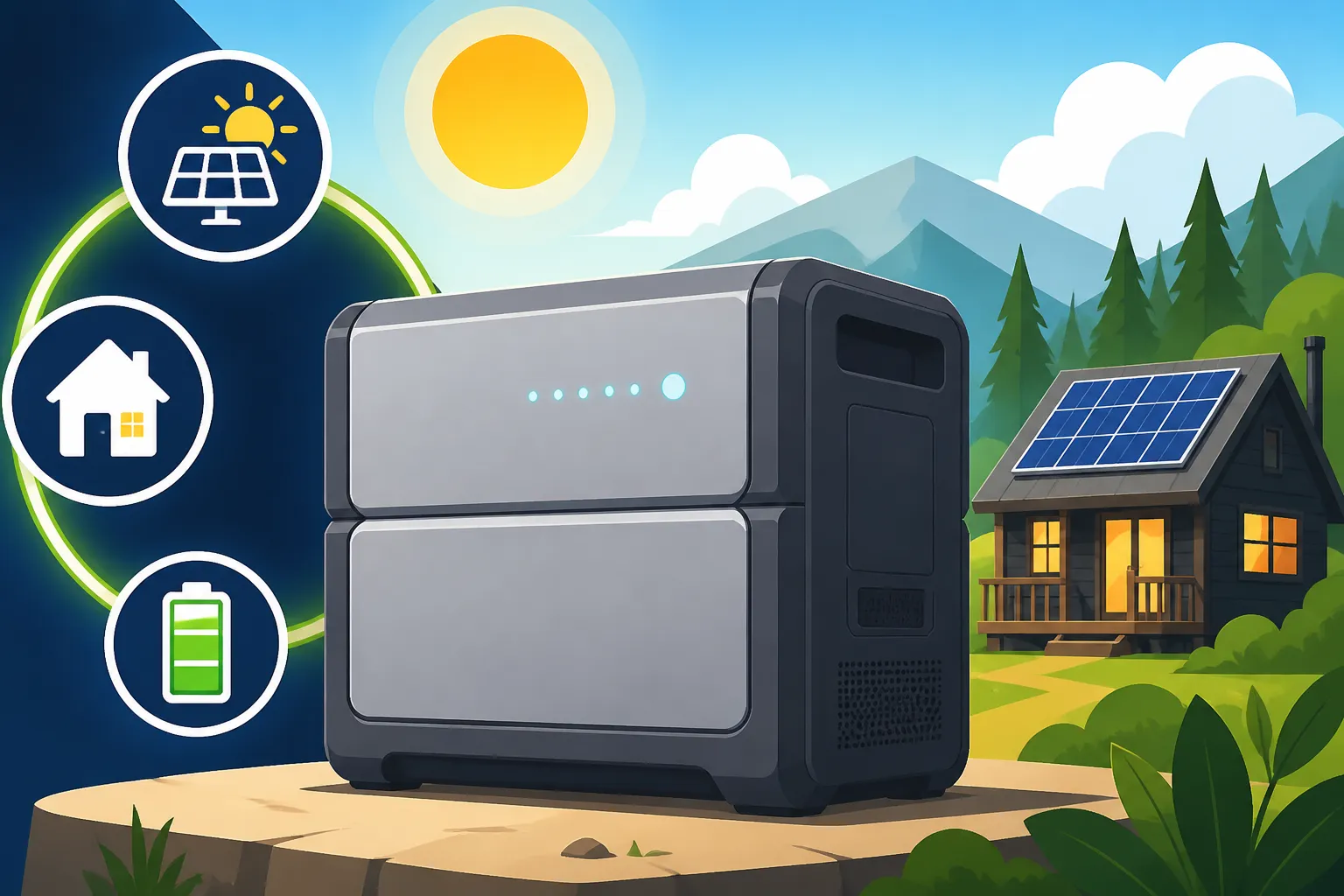
The Bluetti EP500 isn't just another portable power bank; it's a behemoth in the world of solar generators, designed to offer a significant amount of power in a relatively compact, all-in-one package. For many, the appeal lies in its simplicity: instead of buying separate components and figuring out how to connect them, the EP500 integrates the inverter, charge controller, and a large battery bank into a single, somewhat movable unit. This plug-and-play approach makes it incredibly attractive to those who are new to off-grid living or simply prefer to avoid the complexities of a custom build.
Imagine you’ve got a small cabin way out in the woods, far from any power lines. You want to run a few lights, charge your laptop, maybe even power a small refrigerator or a well pump occasionally. Traditionally, this would involve careful planning for a How to Size an Off-Grid Solar System and then purchasing separate components. The EP500 aims to simplify that process dramatically. It arrives largely ready to go, and with its wheels, it can be positioned where you need it most. It's often considered by those eyeing solutions that fall between small portable power stations and full-blown, permanently installed off-grid solar setups.
Key Specifications at a Glance
Before we dive into the nitty-gritty, let's lay out some of the core specifications that define the Bluetti EP500. This is a crucial first step when evaluating any power station, as these numbers directly translate into what you can power and for how long. The EP500 boasts a substantial LiFePO4 (Lithium Iron Phosphate) battery, which is a big deal for longevity and safety compared to older battery chemistries. It’s built for resilience and long-term use, something any off-grid enthusiast will appreciate.
| Feature | Specification (EP500) | Real-World Implication |
|---|---|---|
| Battery Capacity | 5100Wh (Watt-hours) | Can run a 100W device for 51 hours. Great for extended use. |
| Inverter Output | 2000W Pure Sine Wave (4800W Surge) | Powers most home appliances; handles starting surges. |
| Battery Type | LiFePO4 (Lithium Iron Phosphate) | Over 3500 life cycles to 80% capacity; safer, longer-lasting. |
| AC Input | 600W (via AC charging cable) | Recharges from wall outlet in about 9-10 hours. |
| Solar Input | 1200W Max, 55-145V DC (MPPT) | Recharges quickly with sufficient solar panels (4-5 hours). |
| Output Ports | Multiple AC outlets, DC ports, USB-A, USB-C, Car | Versatile for powering various devices simultaneously. |
| Weight | ~167 lbs (76 kg) | Not truly "portable" for carrying, but wheeled. |
These specs immediately tell us a few things. With 5100Wh of capacity, it's capable of powering quite a few things for a decent duration, far surpassing smaller power stations. The 2000W pure sine wave inverter means it can handle demanding appliances without issue, and its surge capability is vital for motors like those found in refrigerators or power tools. The LiFePO4 battery is a significant advantage, offering a much longer lifespan and better performance over many cycles than cheaper lead-acid or even some NMC (Nickel Manganese Cobalt) lithium batteries found in other devices.
The All-in-One Advantage
One of the biggest selling points of the Bluetti EP500 is its all-in-one design. When you're considering going off-grid, even for supplemental power, the thought of gathering individual components – the solar panels themselves, a separate charge controller, the inverter, the battery bank, and all the necessary wiring and safety equipment – can be overwhelming. This is where products like the EP500 shine. They condense all of these critical functions into a single unit.
This integrated approach significantly reduces the learning curve and simplifies installation. You don't need to be an electrical engineer to set up a basic system with the EP500. You simply connect your solar panels (or plug it into a wall outlet for charging), and then plug in your appliances. For someone looking for an uncomplicated way to get reliable off-grid power, especially for applications like a hunting cabin or a tiny home that might not require a massive, custom-built system, this ease of use is invaluable. It’s also often chosen as a robust emergency backup solution, allowing you to bypass the need for a noisy, fuel-dependent generator.
Detailed Breakdown of Bluetti EP500 Features and Capabilities
Beyond the headline numbers, the true utility of the Bluetti EP500 for off-grid living lies in its specific features and how they translate into daily use. Understanding the nuances of its power output, battery technology, and charging options will help you determine if it aligns with your energy needs. It's not just about how much power it holds, but how effectively and safely it delivers and recharges that power.
Many people underestimate their actual power needs when planning for off-grid power. This is where understanding Off-Grid Solar Load Calculation Explained becomes critical. The EP500's capabilities make it a strong contender for medium-sized loads, but it's important to cross-reference its specs with your personal usage.
Power Output and AC/DC Ports
The heart of any power station is its ability to deliver usable electricity. The Bluetti EP500 features a robust 2000W pure sine wave inverter. This means it can safely power sensitive electronics like laptops, medical devices (like a CPAP machine), and high-demand appliances without the risk of damage or inefficient operation that can occur with modified sine wave inverters. The 4800W surge capacity is also a significant advantage, allowing it to handle the initial power spike many motor-driven appliances (refrigerators, blenders, some power tools) require when they first start up. Without this surge capability, you might find your inverter tripping or failing to start these devices.
In terms of physical outputs, the EP500 is very well-equipped. It typically features multiple pure sine wave AC outlets (often six 120V outlets), which is more than enough for most off-grid scenarios. Beyond AC, it also offers a variety of DC outputs, including a 12V/30A RV port (great for mobile setups), a 12V/10A car outlet, and several USB-A and USB-C ports. This comprehensive array of ports means you can power a wide range of devices directly without needing additional adapters, making it super convenient whether you're working remotely from your cabin or simply keeping your phone charged during a power outage. For instance, the RV port is a godsend for many van lifers or RV enthusiasts who are used to running 12V appliances directly.
Battery Technology and Lifespan
The choice of battery chemistry is paramount in any off-grid system, and Bluetti has made an excellent decision with LiFePO4 (Lithium Iron Phosphate) for the EP500. This isn't just a fancy acronym; it represents a significant leap forward in battery performance, safety, and lifespan compared to traditional lead-acid batteries. While the upfront Cost of an Off-Grid Solar Battery Bank for LiFePO4 might be higher, the long-term value is undeniable. For a deeper dive into battery types, check out LiFePO4 vs Lead-Acid Batteries for Off-Grid.
LiFePO4 batteries are known for their exceptional cycle life, meaning they can be charged and discharged many more times before their capacity significantly degrades. The EP500's battery is rated for over 3500 cycles to 80% of its original capacity. To put that into perspective, if you cycled the battery daily, it would last for nearly 10 years before even reaching 80% capacity. Traditional lead-acid batteries, in contrast, might only offer a few hundred cycles. This longevity translates directly into cost savings and less hassle over the years, as you won't need to replace your battery bank as frequently. Furthermore, LiFePO4 batteries are inherently safer, less prone to thermal runaway, and perform better in a wider range of temperatures compared to other lithium-ion chemistries.
Solar Charging and Input Options
For an off-grid device, efficient solar charging is non-negotiable, and the Bluetti EP500 delivers with a robust 1200W maximum solar input capability through its integrated MPPT (Maximum Power Point Tracking) charge controller. MPPT technology is crucial because it optimizes the power harvest from your solar panels, especially during less-than-ideal conditions like partial shading or cloudy days. This means you get the most out of your solar array, leading to faster recharge times and more consistent power generation.
To fully utilize the 1200W solar input, you'd need to connect a significant number of solar panels. For example, if you're using 200W panels, you could connect up to six of them in series or parallel, depending on their voltage specifications, to maximize charging efficiency. This allows the EP500 to recharge its massive 5100Wh battery in as little as 4-5 hours of optimal sunlight. It's important to match your panels to the EP500's input voltage range (typically 55-145V DC) to avoid damaging the unit. Companies like Renogy offer a wide range of solar panels that would be compatible, and you can often find them readily available on platforms like Amazon. In addition to solar, the EP500 also supports a 600W AC wall charging input, allowing you to top it off from a standard outlet in about 9-10 hours, and it can even be charged via a car's 12V outlet, albeit at a much slower rate. This versatility in charging methods ensures you have options regardless of your situation.
Real-World Off-Grid Applications and Scenarios
The theoretical specifications of the Bluetti EP500 are impressive, but what really matters is how it performs in actual off-grid situations. Its capabilities lend themselves to a variety of applications, from permanent small dwellings to temporary power needs. Understanding these scenarios will help you envision how the EP500 could integrate into your own pursuit of energy independence.
It's tempting to just plug in and go, but always remember that even with an all-in-one unit, proper planning of your energy consumption is key. Thinking about How to Calculate Daily Energy Usage will ensure you get the most out of your EP500.
Cabin and Tiny Home Power
For many, the dream of a remote cabin or a tiny home is synonymous with off-grid living. The Bluetti EP500 is an excellent fit for these types of small, permanent or semi-permanent dwellings. With its 5100Wh capacity and 2000W inverter, it can easily handle the basic electrical needs of a small living space. Imagine running LED lights, charging phones and laptops, powering a small mini-fridge, and even running a microwave for short periods. This capability transforms a rustic getaway into a comfortable retreat without the massive undertaking of a full-scale home solar installation.
For instance, a typical cabin might use a small refrigerator (around 60-100W running, but with higher surge), LED lighting (5-10W per bulb), a laptop charger (50-100W), and perhaps a TV (50-150W). The EP500 can keep these essentials running for days, especially when supplemented with sufficient solar charging. It provides the quiet, clean power that a traditional generator simply can't match, enhancing the peaceful solitude of an off-grid location. While it won't power an entire conventional home with electric heating and central air conditioning, it perfectly serves the purpose of providing essential creature comforts for a smaller, more energy-efficient lifestyle. This makes it a great candidate if you're looking at Off-Grid Solar Kit Price Ranges for smaller structures.
Emergency Backup and Preparedness
Beyond recreational or permanent off-grid living, the Bluetti EP500 truly shines as a critical component of any emergency preparedness plan. When unexpected power outages strike, whether due to severe weather, natural disasters, or grid failures, having a reliable source of power can make a world of difference. Traditional gas generators are powerful but come with significant drawbacks: they're noisy, produce noxious fumes, require fuel storage, and need regular maintenance. The EP500 offers a clean, silent, and maintenance-light alternative.
During a blackout, you can seamlessly switch essential circuits to the EP500. This could mean keeping your refrigerator running to save food, powering a well pump for water, keeping your medical equipment (like a CPAP machine) operational, or simply providing light and communication. Its ability to charge from solar panels means you're not reliant on external fuel sources, offering true energy independence during prolonged outages. Many families keep their EP500 charged from a wall outlet and ready to go, and then deploy solar panels only if the outage extends for several days. This peace of mind, knowing your critical appliances can remain operational, is invaluable, making the EP500 a top contender among Best Solar Generators for Off-Grid.
RV and Van Life Considerations
For those embracing the nomadic lifestyle of RVing or van life, efficient and reliable power is a constant consideration. While smaller power stations might suffice for weekend trips, full-time living or extended boondocking demands more robust solutions. The Bluetti EP500, with its substantial capacity and output, fits this niche perfectly. It can significantly upgrade an RV's electrical system, offering more power than many built-in setups.
Think about it: running your RV's air conditioner (a smaller unit, perhaps), microwave, coffee maker, and all your electronics without constantly worrying about battery drain or needing to run a noisy generator. The EP500's 12V/30A RV outlet is particularly handy for powering existing RV appliances directly. Its relatively compact footprint (though heavy) and wheeled design make it manageable within larger RVs or even dedicated cargo vans. For adventurers looking to extend their time off the grid and power more demanding appliances, the EP500 provides the necessary juice. However, its weight and size mean it's probably not ideal for smaller camper vans or minimalist setups where every inch and pound count. For those considering a full mobile setup, comparing it to a Solar Generator vs Off-Grid Solar System built from components is a worthwhile exercise.
Pros and Cons: Is the EP500 Right for Your Off-Grid Journey?
Deciding whether a specific piece of equipment is right for your off-grid adventure involves weighing its strengths against its limitations. The Bluetti EP500 is a powerful and convenient solution, but it's not a one-size-fits-all answer. Let's break down the advantages and disadvantages to help you make an informed decision about integrating it into your energy plan.
The upfront investment for any substantial off-grid power solution needs careful consideration. While the EP500 streamlines much of the setup, it's still part of the broader question of How Much Does an Off-Grid Solar System Cost.
Advantages of a Portable Power Station
The primary advantages of a robust portable power station like the Bluetti EP500 center around convenience, simplicity, and flexibility. Firstly, the all-in-one design is a huge win. You don't need to research and purchase separate components like an inverter, charge controller, and battery bank. Everything is integrated, pre-wired, and optimized to work together, significantly reducing the complexity and potential for errors during setup. This makes it a fantastic option for beginners or those who simply don't want to delve into complex electrical engineering.
Secondly, the plug-and-play functionality is a game-changer. Once charged, you simply plug in your appliances, and you're good to go. For solar charging, you connect compatible panels, and the internal MPPT controller handles the rest. This ease of use is particularly appealing for emergency backup scenarios or temporary setups where quick deployment is essential. You're not spending hours connecting wires or troubleshooting.
Thirdly, the mobility (relative to its size) is a key benefit. While at 167 lbs, it's not something you'll casually carry, its integrated wheels allow you to move it around your property, cabin, or RV as needed. This flexibility means you can position it in a garage for backup, then roll it out to a workshop for projects, or even into a living space during an outage. This is a significant advantage over a permanently installed system. Finally, the use of LiFePO4 battery technology offers superior longevity and safety, providing a reliable power source for many years without the constant worry of maintenance or premature replacement. It’s truly one of the Best All-in-One Off-Grid Power Stations on the market.
Potential Drawbacks and Limitations
Despite its many advantages, the Bluetti EP500 does have its limitations, and understanding these is crucial for realistic expectations. The most obvious drawback is its cost. While convenient, all-in-one systems generally carry a premium compared to building a custom system with individual components of similar capacity. If you're on a tight budget and have the technical know-how, building your own system might prove more Cost-Effective for an Off-Grid Home in the long run.
Another factor to consider is expandability. While some power stations offer modular battery expansion, the EP500 is largely a self-contained unit. If your power needs grow significantly over time, you might find yourself needing to purchase another EP500 or a completely new, larger system, rather than simply adding more batteries or panels to an existing setup. This contrasts with traditional off-grid systems where components are typically more scalable.
Finally, while it's "mobile" with wheels, the sheer weight and size of the EP500 mean it's not truly portable in the way a smaller power station or generator is. Lifting it into a vehicle or navigating stairs can be a challenge. It's designed to be moved around a flat surface, not easily transported over rough terrain. Its fan noise, while generally quiet, can also be noticeable in a small, enclosed space when it's under heavy load.
Comparing with Traditional Off-Grid Systems
When evaluating the Bluetti EP500, it's natural to compare it to a traditional, custom-built off-grid solar system. A custom system, often utilizing separate solar panels, charge controllers, inverters (like those from Victron or Outback), and a dedicated Best Off-Grid Solar Batteries bank, offers several distinct advantages. Primarily, greater customization and scalability. You can precisely size each component to your exact needs, and expand or upgrade individual parts as your energy demands change or technology improves. For example, if your power usage for a well pump increases, you could simply add more panels or expand your battery bank.
However, the trade-off with a traditional system is complexity and installation effort. You need to select compatible components, understand wiring diagrams, ensure proper fusing and grounding, and potentially deal with permitting and inspections depending on your location. This often requires significant DIY knowledge or the expense of hiring an experienced installer. The total Off-Grid Solar Installation Cost can quickly add up.
The EP500, on the other hand, offers unparalleled simplicity. It's effectively a complete system in a box. You lose some of that fine-tuned control and future expandability, but you gain immediate, hassle-free power. For a small cabin, an RV, or pure emergency backup, the EP500's ease of use and integrated design make it a compelling choice. For a larger, full-time off-grid home with diverse and growing power demands, a custom-built system generally provides more flexibility and long-term cost-effectiveness, especially if you have the skills to DIY. Ultimately, the choice depends on your technical comfort level, budget, and the specific application you have in mind.
Disclaimer
Please remember that all information provided in this guide is for informational purposes only. Off-grid solar systems involve high voltage electricity, and improper installation or handling can be dangerous. Always consult with a qualified electrician or solar professional before undertaking any significant electrical work. Specific product features and performance may vary, and it is recommended to review the manufacturer's official specifications and user manual for the most accurate and up-to-date information.