How Panel Prices Affect Total Off-Grid Cost
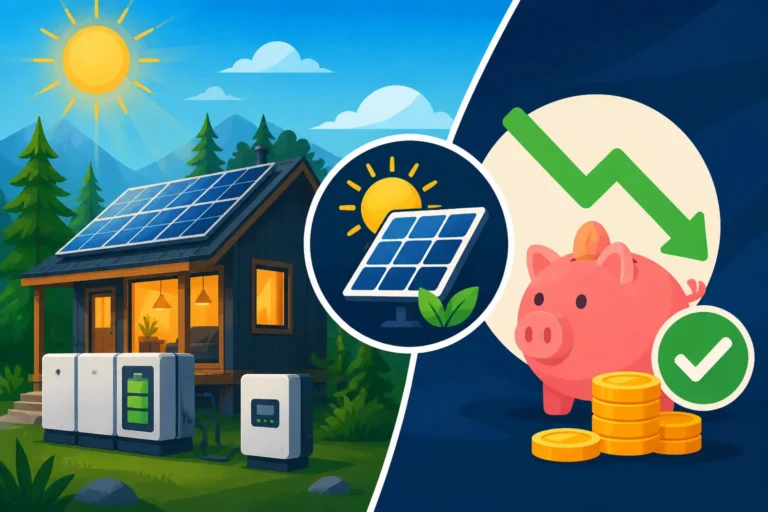
When you dream of going off-grid, whether for a cozy cabin retreat or a full-time homestead, the initial thought often jumps straight to "how much is this going to cost me?" It's a huge hurdle, and truthfully, one of the biggest factors that can either make or break your off-grid dreams is the price of the solar panels themselves. Understanding how panel prices affect your total off-grid solar cost isn't just about comparing watts; it's about seeing the ripple effect across your entire system, from batteries to mounting hardware.
Understanding the Foundation of Off-Grid Solar Costs
Diving into the world of off-grid solar can feel like a financial deep dive, and it's easy to get overwhelmed by all the numbers. Many folks think that solar panels are the only significant expense, and while they are a major player, they're just one piece of a much larger, intricate puzzle. It's crucial to approach this with a clear understanding that while panel costs are substantial, they also influence many other aspects of your system's budget.
Beyond the Sticker Price: Initial Investment Expectations
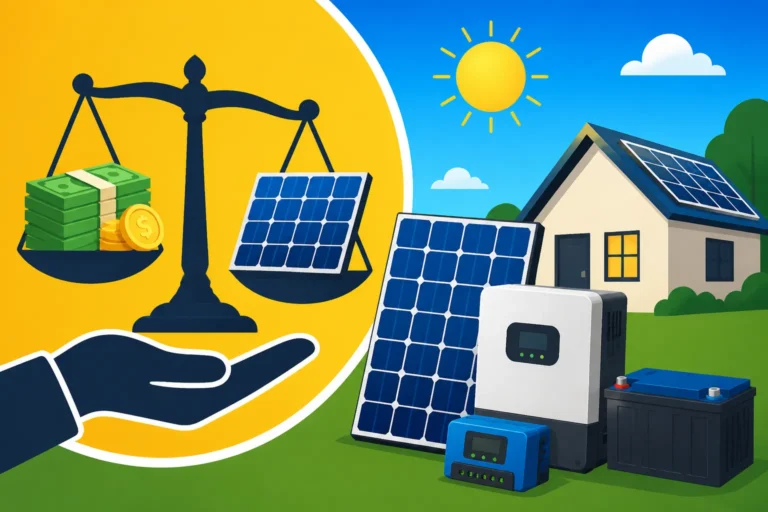
Let's be real: when you first start looking at solar panels, you're hit with a range of prices per panel, and it can be dizzying. A single 400-watt panel might cost anywhere from $200 to $500, depending on the brand, efficiency, and where you buy it. But that's just the tip of the iceberg. Your total investment in an off-grid solar system needs to account for far more than just the panels. We're talking about batteries to store that precious energy, an inverter to convert it to usable AC power, a charge controller to manage the flow, and all the wires, fuses, and mounting hardware that tie it all together.
Think of it like building a house. You wouldn't just budget for the lumber; you'd consider the foundation, plumbing, electrical, roofing, and everything else. Similarly, panels often represent about 20-30% of the total cost for a residential off-grid system, sometimes more for smaller setups like an RV or cabin where batteries might be a lower percentage. For a full breakdown of what to expect, check out our guide on how much does an off-grid solar system cost. It truly helps to visualize all the moving parts and their associated price tags.
The Dynamic Nature of Solar Panel Pricing
The solar market is a living, breathing entity, constantly evolving. What was true about panel prices five years ago might be completely different today. We've seen incredible advancements in technology, leading to more efficient panels, and fluctuating global supply chains that can significantly impact costs. Tariffs, manufacturing innovations, and even basic supply and demand play a huge role. For instance, a few years ago, polycrystalline panels were the budget-friendly go-to, but as manufacturing processes improved, monocrystalline panels became more accessible and competitive in price.
You'll notice that panel efficiency, often measured as a percentage, also directly impacts the price. A panel with 22% efficiency will generally cost more than a 17% efficient one of the same wattage. Why? Because it packs more power into the same footprint, which can be invaluable when roof space or land is limited. Keeping an eye on these trends and understanding what drives the price changes can help you make more informed purchasing decisions.
Key Factors Influencing Solar Panel Costs
When you're sifting through different solar panels, it quickly becomes clear that they aren't all created equal, and their price tags reflect that. There's a lot more to it than just the wattage number. Understanding the nuances of panel technology, size, and even the brand's reputation can help you navigate the choices and figure out where to best allocate your precious off-grid budget.
Panel Technology and Efficiency
At a fundamental level, the type of technology used in a solar panel is a primary cost driver. You'll mostly encounter two main types for off-grid applications: monocrystalline and polycrystalline.
Monocrystalline panels, characterized by their uniform black appearance, are generally considered the most efficient. They're made from a single, pure crystal of silicon, allowing electrons to flow more easily. This higher efficiency means you can get more power from a smaller footprint, which is fantastic if you're working with limited space on an RV roof, a tiny cabin, or even just a smaller section of your property. However, this superior performance typically comes with a higher price per watt. They tend to perform slightly better in low-light conditions too, which can be a real boon during cloudy stretches or shorter winter days.
Polycrystalline panels, with their speckled blue appearance, are made from multiple silicon crystals. They are less efficient than monocrystalline panels, meaning you'll need more physical space (and thus more panels) to achieve the same power output. The trade-off? They're usually more affordable per watt. If you have plenty of space, and your budget is tight, these can be a very cost-effective option. For many homesteaders setting up ground mounts with ample room, polycrystalline panels offer great value.
Beyond these common types, you might also come across flexible solar panels, often used for curved RV roofs or marine applications. These are generally much less efficient and significantly more expensive per watt due to their specialized construction and installation requirements. Then there are bifacial panels, which can capture sunlight from both sides, increasing their overall energy production, but they also command a higher price tag. Knowing the pros and cons of these different technologies is vital when you're figuring out how to choose an off-grid solar panel setup that fits your needs and wallet.
Wattage and Physical Size
It might seem obvious, but the wattage of a solar panel plays a huge role in its price. A 400-watt panel is generally more expensive than a 100-watt panel. However, the key is to look at the price per watt. Sometimes, a larger, higher-wattage panel might offer a better price per watt than several smaller ones. For example, two 200-watt panels might cost more total than one 400-watt panel, even if the peak wattage is the same. This is because manufacturing and framing multiple smaller panels can be more resource-intensive than a single larger one.
Furthermore, the physical size of the panel matters. Larger panels are heavier and bulkier, which can affect shipping costs (especially if you're ordering online from a site like Amazon) and the ease of installation. If you're going for a DIY installation, manhandling massive panels on a roof can be challenging. On the flip side, fewer large panels might mean less racking and fewer wiring connections, potentially simplifying the overall install and reducing associated balance of system (BOS) costs.
Brand Reputation and Warranty
In the world of off-grid solar, not all brands are created equal. Just like with any major purchase, brand reputation, quality control, and the warranty offered can significantly influence panel prices. Premium brands, often known for their rigorous testing, higher efficiency ratings, and robust construction, will naturally come with a higher price tag. These companies might invest more in research and development, leading to panels that perform better in various conditions and have a longer lifespan.
On the other hand, there are numerous budget-friendly brands available, many of which you can find through online marketplaces like Amazon. While these can offer an attractive entry point, it's essential to scrutinize their specifications, customer reviews, and critically, their warranty. A good solar panel should come with a linear performance warranty that guarantees a certain percentage of its original output for 25 years or more. A shorter or less comprehensive warranty could signal lower quality components or a less reliable manufacturer, meaning you might face replacement costs sooner down the line. Investing a little more upfront in panels from reputable manufacturers, like Renogy or Rich Solar, could save you headaches and money in the long run, ensuring a more reliable and durable system.
How Panel Costs Ripple Through Your Entire System
The cost of your solar panels doesn't just sit in isolation; it has a significant domino effect on nearly every other component and aspect of your off-grid system. From the amount of hardware you need to the complexity of the installation, panel choices are interconnected with your overall budget in ways you might not initially anticipate.
Sizing Your Array: Direct Impact on Total Cost
The most immediate and obvious impact of panel prices is on the size of your solar array. The more power you need to generate daily, the more panels you'll require. If you've done a thorough load analysis to calculate your daily energy usage, you'll know your target kilowatt-hours (kWh). From there, you'll work backward, considering your local peak sun hours, to determine the total wattage of solar panels needed. This process, explained in detail in our guide on how many solar panels for off-grid living, directly translates to the number of panels you'll purchase.
Let's say your energy audit reveals you need 3,000 watts of solar generation. If you choose cost-effective 400-watt panels, you'll need 8 panels (3200W). If you opt for smaller, more expensive 100-watt panels, you'd need a whopping 30 panels. Clearly, the number of panels significantly dictates a large portion of your initial outlay. Moreover, if panel prices are higher, reaching your desired wattage will inherently cost more, pushing up your total project budget. This is why accurately assessing your energy needs and then selecting panels that provide the best balance of efficiency, wattage, and cost per watt is so critical for managing your overall expenses.
Indirect Costs Influenced by Panel Choice
The ramifications of your panel selection extend far beyond the panels themselves, seeping into the "balance of system" (BOS) components.
- Mounting Hardware: More panels invariably mean more racking, more roof mounts or ground mount structures, and more associated hardware like bolts, clamps, and rails. A larger array also puts greater strain on structural integrity, potentially requiring more robust mounting solutions. If you choose panels with unusual dimensions, you might even need specialized racking, which can add to the expense. These costs can add up quickly, especially for a substantial array.
- Wiring and Electrical Components: A larger number of panels, or panels configured in certain ways (like many strings in parallel), will require more wiring, more MC4 connectors, potentially larger combiner boxes, and more fuses and breakers. Voltage drop is a critical concern in off-grid systems, and longer wire runs or systems with lower voltage (like 12V vs 48V) may necessitate thicker, more expensive cables to minimize energy loss. This all contributes to the overall cost of an off-Grid Solar Inverter, charge controller, and the necessary wiring to connect it all.
- Installation Labor: If you're not going the DIY route and plan to hire a professional installer, the size and complexity of your panel array will directly impact labor costs. More panels take longer to transport, position, and secure. Difficult roof pitches or remote locations can further escalate these expenses. While some installation companies charge a flat rate per panel, others may estimate based on the overall system size and projected labor hours. Understanding the nuances here can help you manage your total off-grid solar installation cost.
The Long-Term Financial Picture: Efficiency and Longevity
While it's tempting to focus solely on the upfront cost of panels, thinking long-term is essential for any off-grid setup. Investing in higher-quality, more efficient panels can sometimes translate to significant savings and better performance over the lifespan of your system.
More efficient panels generate more power per square foot. This means you might need fewer panels to meet your daily energy demands, which can reduce the costs of mounting hardware, wiring, and even the physical space required for your array. Fewer panels also mean less maintenance down the road. Furthermore, panels from reputable brands often come with longer warranties and a more robust construction that can withstand harsh weather conditions for decades. This durability reduces the likelihood of premature failure, saving you the expense and hassle of early replacements.
Moreover, the efficiency and reliability of your panels directly impact your battery bank. If your panels are consistently underperforming due to lower efficiency or degradation, your batteries will struggle to stay charged, potentially requiring you to draw more from a backup generator or even damage your batteries from repeated deep cycling. A well-performing solar array reduces the strain on your batteries, extending their lifespan and delaying the need for costly battery replacements. This interconnectedness is why a thorough understanding of your off-grid solar payback period explained considers not just the panel price but its long-term performance and reliability within the whole system.
Strategies to Manage Solar Panel Costs in Your Off-Grid Budget
Navigating the costs of an off-grid solar system, especially when it comes to panels, can feel like a tightrope walk between your aspirations and your budget. But with a few smart strategies, you can make informed decisions that minimize financial strain without sacrificing your independence.
Prioritizing Your Energy Needs
The absolute best way to manage solar panel costs, and indeed your entire off-grid budget, is to first get a crystal-clear understanding of your actual energy needs. Many people overestimate how much power they truly require, leading to an oversized system and unnecessary expenses. Start by conducting a detailed load analysis, listing every appliance and device you plan to power, its wattage, and how many hours a day you expect to use it. Our guide on how to calculate off-grid solar needs walks you through this process step-by-step.
Once you have that list, be ruthless. Can you switch to more energy-efficient appliances? Do you really need to run that high-wattage appliance for hours on end? For example, moving from an electric water heater to a propane on-demand one can dramatically reduce your electrical load, meaning fewer panels and fewer batteries. By minimizing your energy demand, you inherently reduce the size of the solar array you need, which directly cuts down on panel costs and all the associated expenses. Remember, every watt you don't use is a watt you don't have to generate and store. You can always start with a smaller system to meet essential needs and then consider the cost of expanding an off-grid system later if your energy demands grow or your budget allows.
Shopping Smart for Panels
Once you know what you need, it's time to become a savvy shopper. The market for solar panels is vast, with options ranging from premium brands to more budget-friendly alternatives. Don't just jump on the first deal you see.
- Compare Across Platforms: Online marketplaces like Amazon can be a great starting point for comparing prices from various manufacturers, especially for individual panels or smaller kits. Don't forget dedicated solar equipment suppliers and local distributors, as they might offer bulk discounts or have better shipping rates for larger orders.
- Look for Sales and Bulk Discounts: Just like any other commodity, solar panels go on sale. Keep an eye out for seasonal promotions or end-of-year clearances. If you're building a larger system, inquire about bulk purchase discounts from suppliers. Sometimes, buying a pallet of panels can significantly reduce the price per panel.
- Consider Used Panels (with caution): For the truly budget-conscious, used panels can sometimes be found on local marketplaces. However, exercise extreme caution. Thoroughly inspect panels for damage, ask about their age and history, and be realistic about potential degradation. A used panel may not perform at its rated capacity, and you likely won't have a manufacturer's warranty.
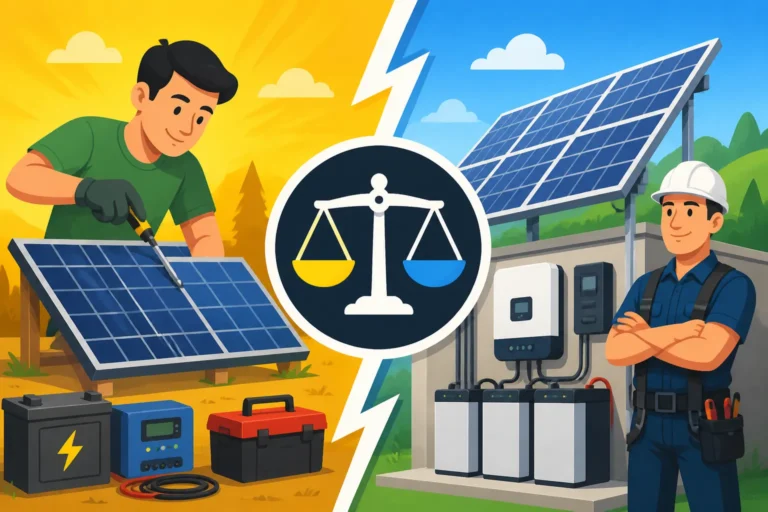
- DIY vs. Professional Installation: The installation itself can be a major cost factor. If you're handy and willing to learn, doing a DIY off-grid solar installation can save you a substantial amount of money on labor. However, if electrical work isn't your forte, investing in professional installation ensures safety and proper system functioning. Consider our guide on DIY vs professional off-grid solar cost to weigh your options.
Considering All-in-One Solutions and Kits
For many who are new to off-grid living or have smaller power needs, the idea of piecing together individual components can be daunting and seem expensive. This is where all-in-one solutions and solar kits really shine.
- Off-Grid Solar Kits: Many reputable brands offer complete off-grid solar kits that include panels, charge controllers, inverters, and sometimes even batteries, all designed to work together seamlessly. These kits can simplify the purchasing process, as you're getting a curated system rather than individual components. Often, buying a kit can be more cost-effective than purchasing each part separately, as manufacturers may offer package deals. For beginners, these kits, like those offered by Renogy or EcoFlow, can provide an excellent starting point and take a lot of the guesswork out of system design. Dive into our guide on the best off-grid solar kits for beginners to explore various options.
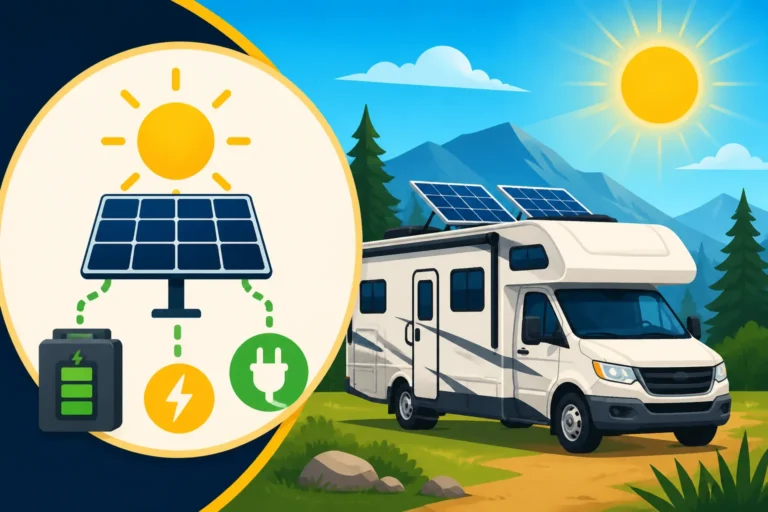
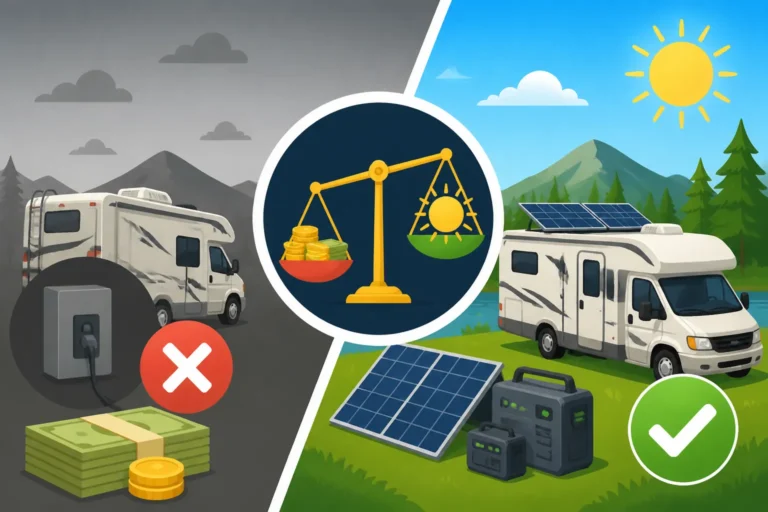
- Solar Generators/Power Stations: For smaller applications like powering a remote shed, an RV, or providing emergency backup, a solar generator (also known as a portable power station) might be the perfect solution. Brands like Jackery and Bluetti offer popular models that integrate a battery, inverter, and charge controller into a single, portable unit. You simply plug in compatible solar panels (often sold separately or as part of a bundle), and you have instant power. While they might not scale up to power an entire home, they offer incredible convenience and can be a very budget-friendly way to get started with solar, especially if your panel needs are modest. They are literally plug-and-play, eliminating the complexity and often a good portion of the cost associated with a custom-built system.
Here's a quick comparison of common solar panel types to help guide your decision:
| Panel Type | Typical Cost Per Watt (Estimate) | Efficiency Range | Best For | Considerations |
|---|---|---|---|---|
| Monocrystalline | $0.80 – $1.50 | 18-24% | Limited space, maximizing power, higher budget | Higher upfront cost, excellent performance, sleek appearance |
| Polycrystalline | $0.60 – $1.00 | 15-18% | Ample space, budget-conscious, ground mounts | Lower upfront cost, larger footprint for same wattage, slightly less efficient in low light |
| Flexible/Thin-Film | $2.00 – $4.00+ | 10-17% | Curved surfaces (RV, boat), lightweight needs | High cost per watt, lower efficiency, shorter lifespan, specialized installation |
Disclaimer
Please note that the information provided in this article is for general guidance and informational purposes only. Off-grid solar system design and installation can be complex and involve electrical hazards. Always consult with qualified professionals and adhere to local codes and regulations before undertaking any solar project. Prices and product availability are subject to change based on market conditions and technological advancements.