Best Off-Grid Solar Kits for Beginners
Stepping into the world of off-grid solar can feel like standing at the foot of a massive mountain, compass in hand, with no clear path in sight. The sheer volume of information, components, and technical jargon can be incredibly daunting, often leading to analysis paralysis for aspiring off-gridders. This comprehensive guide is designed to demystify the process, walking beginners through the best off-grid solar kits available, so you can confidently take that first step towards energy independence.
Why Choose an Off-Grid Solar Kit as a Beginner
When you're first considering moving away from the grid, whether it's for a tiny home, an RV, a remote cabin, or even just for emergency backup, the idea of designing a system from scratch can be overwhelming. There are so many components to consider: solar panels, charge controllers, batteries, inverters, wiring, fuses, and more. For someone new to renewable energy, it’s like being asked to bake a gourmet cake when you've never even cracked an egg. This is precisely where off-grid solar kits shine, especially for beginners.
Simplicity and Ease of Installation
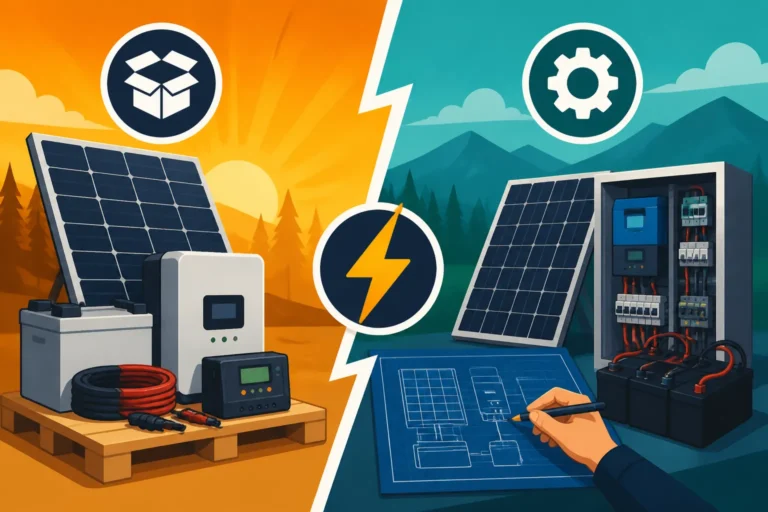
One of the biggest advantages of a beginner-friendly solar kit is its inherent simplicity. These kits are specifically designed to minimize complex decisions and streamline the installation process. Instead of sourcing individual parts from various manufacturers, worrying about compatibility, and then figuring out how to connect them all, a kit provides a cohesive package. Think of it as a DIY furniture assembly – all the pieces are there, labeled, and accompanied by instructions, significantly reducing the learning curve and potential for errors.
Often, these kits come with pre-wired components or clearly marked connections, making the physical setup far less intimidating. For someone who might not have a strong electrical background, this plug-and-play aspect is invaluable. It transforms what could be a multi-day project filled with head-scratching moments into something that can often be completed in a few hours, or at most, a weekend. This ease of installation builds confidence and allows you to experience the benefits of solar power sooner, rather than getting bogged down in intricate system design.
Furthermore, many kits, particularly the smaller, portable ones, require virtually no installation beyond unfolding a panel and plugging it into a power station. This is fantastic for those who want to dip their toes in the water without committing to permanent fixtures on a roof or a dedicated battery shed. It allows for experimentation and learning at your own pace, providing a practical introduction to how solar energy works without the pressure of a full-scale build.
Reduced Decision Fatigue
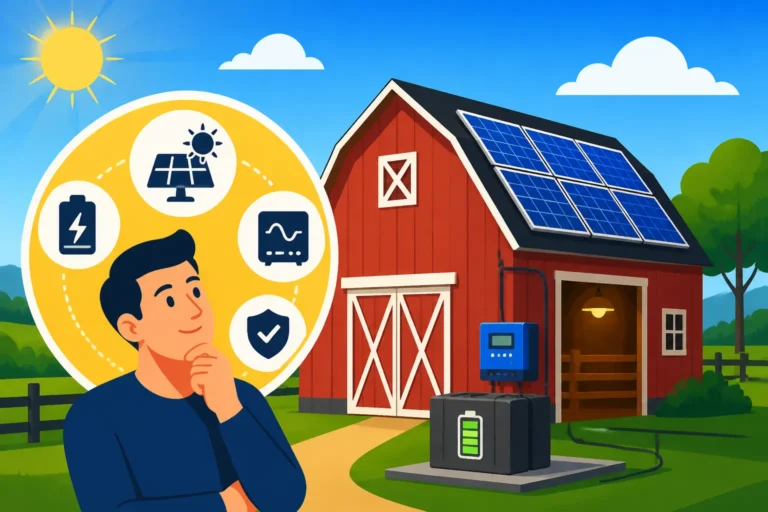
The paradox of choice is very real in the off-grid solar world. There are countless options for every single component, each with its own specifications, pros, and cons. Do you need monocrystalline or polycrystalline panels? PWM or MPPT charge controller? Lead-acid, AGM, or LiFePO4 batteries? What inverter size is right for your needs? Trying to answer all these questions independently can lead to significant decision fatigue, causing delays or even abandonment of the off-grid dream.
A well-curated solar kit eliminates much of this stress by making those component choices for you. The manufacturers have designed the system to ensure that all parts are compatible and optimally matched to work together. This means you don't have to research voltage matching between panels and charge controllers or inverter surge capabilities versus your appliance startup loads. The heavy lifting of component selection has already been done by experts, allowing you to focus on getting the system up and running.
This simplification of choice is a huge psychological benefit for beginners. It allows you to feel capable and in control, rather than overwhelmed by an endless array of technical specifications. By starting with a kit, you can learn the fundamentals of how an off-grid system functions without getting bogged down in the minutiae of individual component selection. As you gain experience, you'll naturally develop a better understanding of what specific features might be important for future upgrades or custom builds.
Cost-Effectiveness and Bundled Value
While some might assume that buying a kit means paying a premium, it often turns out to be more cost-effective in the long run for beginners. Manufacturers can achieve economies of scale by bundling components, passing those savings on to the consumer. Furthermore, kits often include essential accessories like wiring, fuses, mounting hardware, and even tools that you might otherwise forget or struggle to correctly size if purchasing everything separately.
Beyond the initial purchase price, a kit helps prevent costly mistakes that can arise from incompatible components or incorrect sizing. Imagine buying an inverter that's too small for your appliances or a charge controller that can't handle your panel array – these errors can lead to component damage, inefficient performance, and ultimately, more money spent on replacements. A bundled kit minimizes these risks by ensuring all parts are designed to work together harmoniously. You can learn more about specific costs in our guide on Off-Grid Solar Cost: Complete Breakdown.
Many reputable brands offer tiered kits, allowing you to choose a package that fits your budget and initial power requirements. This means you can get started without breaking the bank, and often, these kits are designed with expandability in mind. This allows you to scale up your system as your needs grow and your budget allows, making the initial investment a smart starting point rather than a limiting factor. It's a way to get a solid foundation without having to immediately invest in a full-blown, whole-house system.
What Makes a Solar Kit "Beginner-Friendly"?
Not all solar kits are created equal, especially when it comes to catering to the novice user. A truly beginner-friendly kit goes beyond just bundling parts; it's designed with the user's initial learning curve and ease of use at its forefront. Understanding these characteristics can help you sift through the myriad of options and find the perfect starting point for your off-grid journey.
Pre-Selected, Compatible Components
The hallmark of a beginner-friendly kit is the assurance that every single component inside the box is perfectly matched and compatible. When you're new to off-grid solar, the electrical relationships between panels, charge controllers, batteries, and inverters can seem like a foreign language. Voltage, amperage, wattage – it's a lot to wrap your head around, and incorrect matching can lead to inefficiencies, damage, or even safety hazards. A good kit removes this worry entirely.
For example, a high-quality beginner kit will feature solar panels with an appropriate voltage output for the included charge controller, which in turn will be properly sized for the battery bank. The inverter's continuous and surge wattage will align with the expected loads and the battery's discharge capabilities. You won't have to worry about whether your 24V panel array will work with a 12V battery bank or if your charge controller can handle the maximum open-circuit voltage of your panels. Everything is designed to seamlessly integrate from the moment you unpack it.
This pre-selection extends to the smaller, but equally crucial, elements like wiring and connectors. The kit will typically include appropriately gauged wires for each connection, pre-terminated with the correct connectors (like MC4 for solar panels) and fuses. This attention to detail means you don't need to learn about wire sizing based on amperage and distance, or what type of fuse is needed for DC circuits, significantly simplifying the entire setup process.
Clear Instructions and Support
Even with perfectly matched components, a beginner can still feel lost without clear, concise instructions. A truly beginner-friendly kit distinguishes itself by providing exceptionally well-written manuals, wiring diagrams, and sometimes even video tutorials that walk you through each step of the installation. These instructions avoid overly technical jargon, opting instead for plain language and visual aids that anyone can follow.
Imagine trying to connect a charge controller to a battery bank, then to solar panels, and finally to an inverter, just relying on vague schematics. It’s a recipe for frustration. A superior beginner kit will break down these connections into logical, easy-to-digest steps, often with color-coded diagrams and troubleshooting tips. This empowers you to complete the installation confidently, knowing that you're less likely to make a critical error.
Beyond the manual, the best kits are backed by accessible customer support. This means having a helpline, email support, or an online forum where you can ask questions and get help if you encounter an unexpected issue. For a beginner, knowing that expert help is just a call or click away can be incredibly reassuring. Brands that prioritize excellent customer service demonstrate a commitment to user success, which is a huge benefit for those embarking on their first off-grid project.
Expandability and Scalability
While starting small is often the wisest approach for beginners, it’s also important to consider future growth. Your energy needs might increase as you add more appliances, or you might decide to power a larger space. A truly beginner-friendly kit should offer some degree of expandability, allowing you to add more solar panels, increase battery capacity, or even upgrade certain components without having to scrap the entire system.
This concept of scalability prevents you from outgrowing your initial investment too quickly. For example, a kit might come with a charge controller that can handle a larger solar array than initially provided, or an inverter that can be paired with additional battery modules. This forethought in design allows for a modular approach to off-grid living, where you can incrementally build up your system as your comfort level and demands evolve. You can read more about How to Design an Expandable System.
Think about it like this: you start with a small kit to power your lights and charge your devices in your cabin. As you get more comfortable, you might want to add a small refrigerator. An expandable kit would allow you to simply add more panels and perhaps another battery, rather than forcing you to buy a completely new system. This smart design choice saves money and reduces waste, making the initial kit a sustainable long-term investment.
Key Components of a Beginner Off-Grid Solar Kit
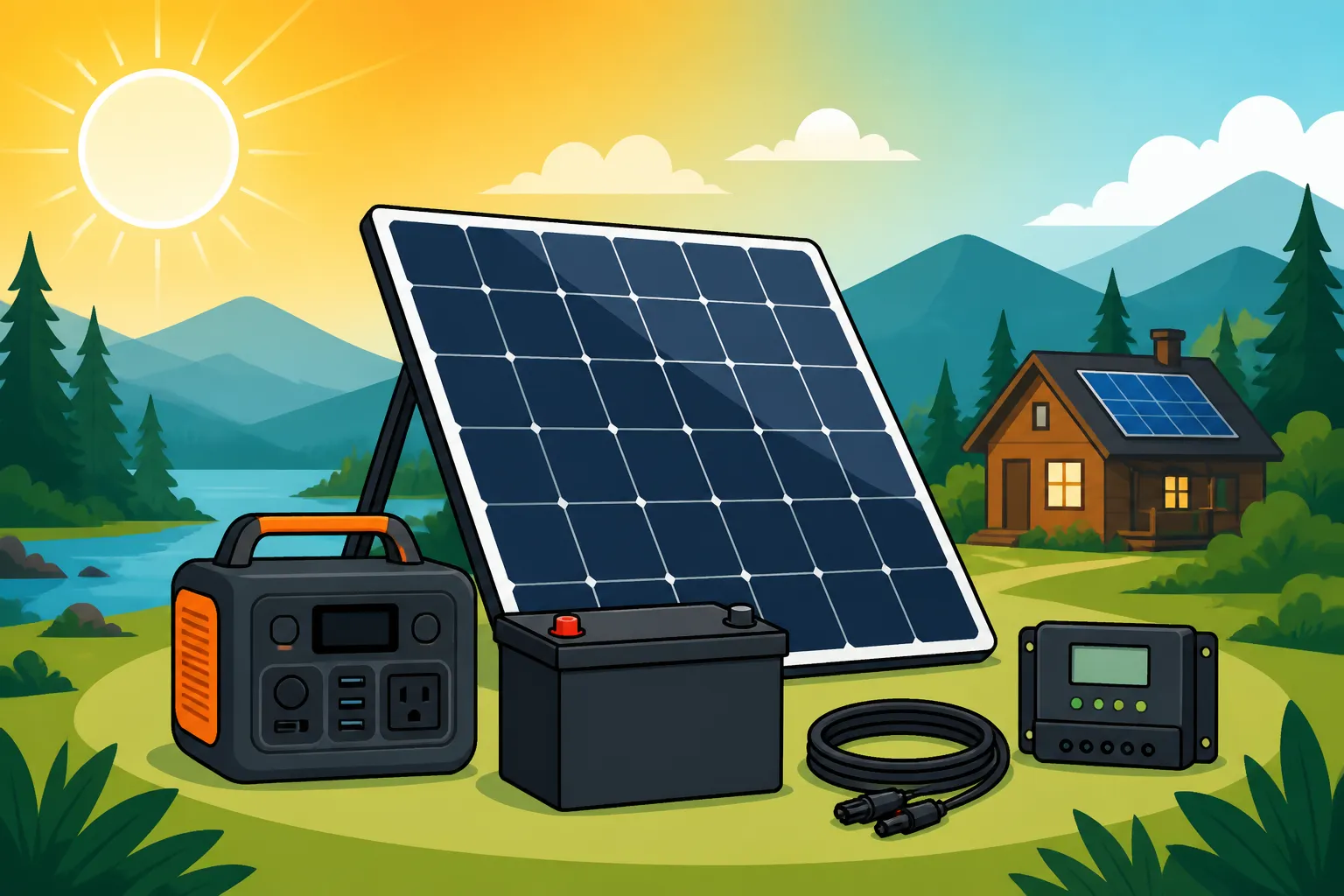
Understanding the basic building blocks of any off-grid solar system is crucial, even when opting for a pre-assembled kit. Knowing what each component does will help you appreciate how your kit works and empower you to troubleshoot or even upgrade down the line. Most beginner kits will include these core elements, seamlessly integrated for ease of use. You can also dive deeper into Off-Grid Solar System Components Explained.
Solar Panels (The Power Gatherers)
Solar panels, often referred to as photovoltaic (PV) modules, are the workhorses of your off-grid system. Their primary job is to convert sunlight into usable direct current (DC) electricity. In simpler terms, they soak up the sun's energy and turn it into the raw power that feeds your system. For beginners, the panels included in kits are typically rigid, monocrystalline or polycrystalline, known for their efficiency and durability.
The wattage of the panels is a key factor, indicating how much power they can generate under ideal conditions. A typical beginner kit for a small cabin or RV might include one or two 100-watt to 200-watt panels. These panels are robust, designed to withstand various weather conditions, and come with mounting holes or even pre-attached Z-brackets for easy installation on roofs or ground mounts. Their straightforward "point at the sun" operation makes them very beginner-friendly.
When selecting a kit, it's helpful to know the total wattage of the included panels. This directly correlates to how quickly your batteries will charge and how much power you can generate on a sunny day. While individual panel choices might seem complex, kits simplify this by providing a panel array perfectly matched to the rest of the system's capacity, ensuring optimal energy harvest without the headache of calculations.
Charge Controller (The Battery Protector)
The charge controller is often called the "brain" of your solar charging system, and for good reason. Its critical role is to regulate the voltage and current coming from your solar panels before it reaches your batteries. Without a charge controller, the solar panels could overcharge your batteries, severely damaging them and shortening their lifespan – a very costly mistake for any off-gridder.
Beginner kits typically come with one of two types of charge controllers: PWM (Pulse Width Modulation) or MPPT (Maximum Power Point Tracking). PWM controllers are simpler and more affordable, best suited for smaller, less complex systems where panel voltage closely matches battery voltage. MPPT controllers are more advanced, extracting significantly more power from your panels, especially in varying light conditions, and are highly efficient for larger systems or when panel voltage is much higher than battery voltage.
Regardless of the type, a good charge controller in a beginner kit will come pre-programmed or with simple settings, making it easy to connect and start charging. It will display crucial information like battery voltage, charging current, and often the state of charge, allowing you to monitor your system's health. Understanding the charge controller's role in protecting your valuable battery bank is key to maintaining a healthy and long-lasting off-grid setup.
Batteries (The Energy Reservoir)
Batteries are the heart of any off-grid solar system. Since the sun doesn't always shine (and you need power at night or on cloudy days), batteries store the excess electricity generated by your solar panels for later use. Think of them as your personal energy reservoir, ensuring a consistent power supply regardless of weather or time of day. You can find excellent choices in our guide to Best Off-Grid Solar Batteries.
For beginner kits, the most common battery types are sealed lead-acid (like AGM) and lithium iron phosphate (LiFePO4). AGM batteries are a popular choice for their lower upfront cost, relatively maintenance-free operation, and good performance in a wide range of temperatures. LiFePO4 batteries, while more expensive initially, offer significantly longer lifespans, lighter weight, faster charging, and a deeper depth of discharge, making them a premium, long-term investment.
The battery bank's capacity, measured in amp-hours (Ah) or kilowatt-hours (kWh), dictates how much energy you can store. A beginner kit will match the battery capacity to the panel wattage and expected usage, providing enough stored power for a few days of autonomy. This means you can power your essential devices even if the sun takes a vacation for a day or two. Understanding your battery capacity is crucial for knowing how long your power will last, a fundamental concept in off-grid living.
Inverter (The AC Power Provider)
Most modern appliances in our homes and RVs run on alternating current (AC) power – things like laptops, blenders, TVs, and microwaves. However, solar panels and batteries primarily produce and store direct current (DC) power. This is where the inverter comes in: it converts the DC power from your batteries into usable AC power for your standard household electronics.
For beginner kits, you'll almost exclusively find pure sine wave inverters. These are essential because they produce electricity that is identical to or even cleaner than what you get from the utility grid. This "clean" power is critical for sensitive electronics like computers, medical devices, and anything with a motor, preventing damage and ensuring smooth operation. Modified sine wave inverters are cheaper but can cause humming, overheating, or even damage to certain appliances, so they are generally avoided in quality off-grid kits.
The size of the inverter, measured in watts, determines how many AC appliances you can run simultaneously and how large those appliances can be. A small kit might have a 1000-watt inverter, sufficient for charging laptops, running lights, and a small fan. Larger kits for cabins could include 3000-watt inverters to handle refrigerators, microwaves, and power tools. The inverter is often the most complex component, but in a kit, it's typically pre-selected to match your expected power draw, simplifying the design for the beginner.
Wiring and Safety Components
While often overlooked, the wiring, fuses, and breakers are just as vital as the major components for a safe and efficient off-grid solar system. A truly beginner-friendly kit will not only include all the necessary cables but also ensure they are properly sized, pre-terminated, and color-coded for easy identification. This eliminates the daunting task of calculating wire gauges, understanding voltage drop, and crimping connectors, which can be challenging for novices.
The wiring needs to be robust enough to carry the electrical current without overheating. Too thin a wire can act like a resistor, causing power loss and a fire hazard. Fuses and circuit breakers are critical safety devices that protect your system and appliances from overcurrents or short circuits. If there’s an electrical fault, a fuse will blow or a breaker will trip, safely interrupting the circuit and preventing damage to expensive components or, more importantly, mitigating fire risks.
A comprehensive beginner kit will include these safety components strategically placed: usually fuses between the solar panels and charge controller, between the charge controller and batteries, and between the batteries and the inverter. They might also include a main disconnect switch. The inclusion of these components, often pre-assembled or clearly marked for installation, makes the system not only functional but also safe, giving beginners peace of mind as they embark on their off-grid adventure.
Types of Off-Grid Solar Kits for Novices
The term "off-grid solar kit" can encompass a wide range of systems, from incredibly compact portable units to more substantial setups for homes. For beginners, it’s helpful to categorize these kits by their typical application and scale, as this directly impacts complexity, cost, and the amount of power they can provide. Understanding these types will help you narrow down the best option for your specific needs.
Portable All-in-One Power Stations
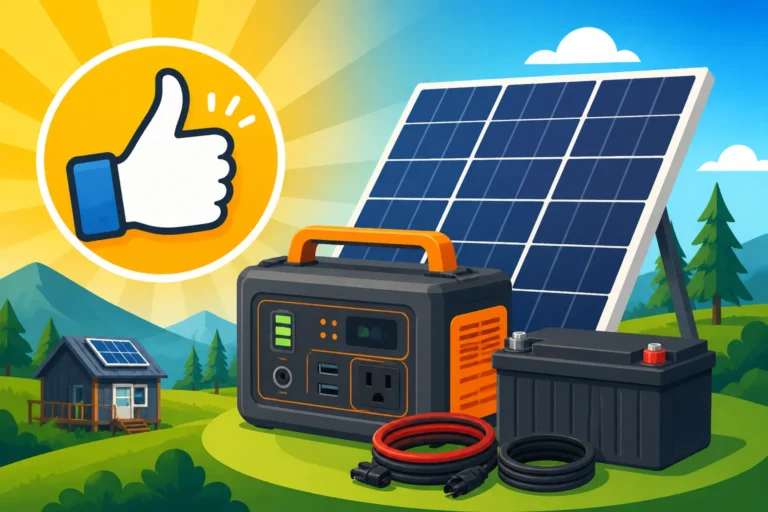
For many just dipping their toes in the water, a portable power station like a Jackery Explorer offers a fantastic entry point into off-grid living. These are essentially compact, self-contained units that integrate a battery, an inverter, and a charge controller (both for solar and AC wall charging) into a single, easy-to-carry box. They are truly "plug-and-play" and require almost no installation beyond plugging in a solar panel.
These power stations are ideal for camping, tailgating, emergency backup, or powering small electronics in an RV or van. They typically come with various output ports, including AC outlets, USB ports, and DC car ports, making them incredibly versatile for charging phones, laptops, running small fans, or even powering a mini-fridge for a few hours. A great starter model might be a Jackery Explorer 1000, which offers a good balance of capacity and portability for weekend trips or light home backup.
The biggest advantage for beginners is the sheer simplicity. There’s no wiring to worry about, no components to match, and minimal setup. You literally connect a compatible solar panel (often sold separately or as a bundled kit), place it in the sun, and start charging. When you need power, just plug in your device. While they won't power an entire house, they provide invaluable experience with solar charging and portable power management, making them an excellent first step.
Small Scale RV and Cabin Kits
Moving up in scale, small-scale RV and cabin kits are designed for more permanent, yet still modest, off-grid applications. These kits typically include several solar panels (e.g., two to four 100-watt panels), a charge controller, one or two deep-cycle batteries (often AGM or smaller LiFePO4), and a pure sine wave inverter. They provide enough power for basic necessities in an RV, camper, or a small hunting cabin, such as LED lighting, water pump, charging devices, and running a small refrigerator.
Installation for these kits is more involved than a portable power station but is still manageable for a DIY enthusiast. You'll need to mount the panels on a roof, run wiring through the walls, and connect the components to a battery bank, often within a designated compartment. While it requires a bit more technical understanding, these kits come with detailed diagrams and instructions, making the process less intimidating. Our article on Off-Grid Solar Cost for a Cabin offers specific insights into budget planning for such setups.
Brands like Renogy and BougeRV offer excellent starter kits in this category, often providing everything from panels to mounting hardware and wiring. These kits represent a significant step towards self-sufficiency, offering a taste of independent power without the complexity and cost of a full residential system. They are perfect for those looking for reliable power away from grid connections for recreational use or seasonal living.
Expandable Home Starter Kits
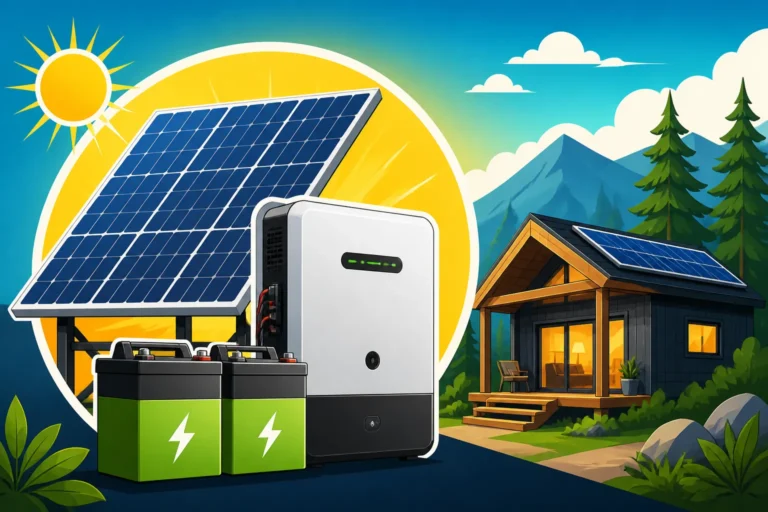
For those envisioning a more robust off-grid future – perhaps for a tiny home, a larger cabin, or even an initial phase of a full-time off-grid homestead – expandable home starter kits are the way to go. These kits are designed with growth in mind, featuring larger charge controllers, higher capacity batteries (often multiple LiFePO4 batteries), and more powerful inverters that can handle a wider array of appliances, including major loads like microwaves, well pumps, or even small air conditioning units.
The key differentiator here is the inherent design for future expansion. The included charge controller might have excess capacity for additional panels, or the battery bank might be modular, allowing you to add more battery units as your power needs grow. The inverter, often a crucial and expensive component, will typically be a higher wattage (e.g., 3000W or 5000W), capable of managing surge loads from appliances that draw a lot of power upon startup.
Installation for these kits is the most complex of the beginner options, often involving more extensive wiring, potentially a sub-panel, and careful consideration of grounding and safety protocols. While still designed for DIY, some beginners might opt for professional assistance for parts of the installation, especially for high-voltage AC wiring. However, the foundational components are still bundled and pre-selected for compatibility, significantly simplifying the overall design process compared to building from scratch. This type of kit offers a solid foundation for those serious about transitioning to full-time off-grid living, allowing them to scale up their system over time without having to completely redesign it.
How to Choose the Right Beginner Kit for Your Needs
Selecting the perfect off-grid solar kit for your initial foray into renewable energy can feel overwhelming, given the various options available. The key to making the right choice lies in a realistic assessment of your specific power needs, usage patterns, and environmental factors. By answering a few fundamental questions about your intended application, you can significantly narrow down the choices and find a kit that genuinely serves your purpose.
Assessing Your Power Requirements (Load Analysis)
This is hands down the most crucial step in choosing any solar system, especially for beginners. You need to know exactly what you want to power and for how long. Without a clear understanding of your energy consumption, you risk either buying an undersized system that leaves you in the dark or an oversized one that wastes your hard-earned money. Don't worry, it's not as complex as it sounds; it just requires a bit of diligence. Our guide on Off-Grid Solar Load Calculation Explained can provide a deeper dive.
Start by listing every electrical device you plan to run. For each item, note its wattage (usually found on a label, manual, or by checking online) and how many hours per day you intend to use it. For example, a laptop might be 60 watts used for 4 hours, an LED light bulb might be 10 watts used for 5 hours, and a small fridge might be 50 watts running 12 hours a day (though refrigerators cycle on and off, so this is an estimate). Once you have this list, multiply the wattage by the hours of use for each item to get its daily watt-hour (Wh) consumption. Add all these up, and you'll have your total estimated daily watt-hour requirement.
Most beginner kits will specify their output capacity in watt-hours per day or total battery capacity in amp-hours, making it easier to match. If your daily needs are under 500 Wh, a portable power station might suffice. For 500-2000 Wh, a small RV or cabin kit could be perfect. If you're looking at 2000 Wh and above, you'll need a more robust, possibly expandable, home starter kit. It's always better to slightly overestimate your needs rather than underestimate, giving you a buffer for those unexpected demands or cloudy days.
Considering Your Usage (Full-time vs. Part-time)
Beyond just what you're powering, how often you'll be using your off-grid system plays a significant role in kit selection. Are you looking for a system for occasional weekend camping trips, seasonal cabin use, or full-time RV living? The answer will dramatically influence the required durability, capacity, and overall investment.
For intermittent, part-time use, like a weekend camping rig or emergency backup at home, a simpler, more portable, and often less expensive kit is usually sufficient. These systems are designed for quick deployment and storage, providing enough power for short bursts of activity. The emphasis here is on convenience and ease of transport, making portable power stations or compact RV kits ideal. You might not need extensive battery autonomy or the highest efficiency panels if your usage is sporadic and you can easily recharge from the grid when not in the wild.
However, if you're planning for full-time off-grid living, such as in a permanent RV, tiny home, or year-round cabin, your needs will be far greater. You'll require a system designed for continuous, reliable operation, with larger battery banks for extended autonomy, higher-wattage panels for consistent charging, and a robust inverter to handle daily appliance use. These systems need to be built for longevity and performance, often necessitating expandable home starter kits or even custom-designed setups. The long-term durability and efficiency become paramount, justifying a higher initial investment.
Understanding Your Environment (Sunlight and Climate)
Where your off-grid system will be located is another critical factor. The amount of available sunlight, local weather patterns, and temperature fluctuations all impact how effectively your solar panels can generate power and how well your batteries will perform. A kit designed for sunny Arizona might struggle in cloudy Washington State, and vice-versa.
Research the "peak sun hours" for your specific location. This refers to the equivalent number of hours per day when solar irradiance averages 1,000 watts per square meter. A location with 5 peak sun hours can generate significantly more power than one with 3 peak sun hours, even with the same solar panels. Most solar calculators (many online, or some kit manufacturers provide them) will ask for your location to help you with this. If you live in an area with fewer peak sun hours, you'll need more solar panels to achieve the same daily energy production. You can use this information in conjunction with our article on How to Use Peak Sun Hours in Sizing.
Climate also affects battery performance. Extreme cold can reduce the efficiency and lifespan of lead-acid batteries, and many LiFePO4 batteries require specific charging conditions in freezing temperatures. If you're in a cold climate, you might need batteries with built-in heaters or an insulated battery enclosure. Conversely, extreme heat can also impact battery life and panel efficiency. Consider kits that include panels with good temperature coefficients or offer battery types suited for your specific environmental conditions. This consideration ensures your system performs reliably year-round and that your investment is protected from environmental stressors.
Top Considerations When Purchasing Your First Kit
When you’re finally ready to make that purchase, it's easy to get caught up in the excitement. However, a few critical considerations can save you headaches, money, and frustration down the line. These aren't just technical specifications; they're foundational choices that impact the long-term performance and flexibility of your beginner off-grid solar system.
System Voltage (12V, 24V, 48V)
The system voltage – typically 12V, 24V, or 48V DC – is a fundamental design choice that affects efficiency, component cost, and the scalability of your off-grid system. For beginners, understanding why this matters, even if a kit has already chosen it for you, is incredibly important for future upgrades or custom builds.
Smaller, more portable kits, like those often found for RVs, vans, and tiny cabins, commonly operate at 12V. This is because many common DC appliances (like LED lights, USB chargers, and small pumps) are designed to run directly on 12V, making it a simple and efficient choice for smaller loads. The wiring is generally thicker at 12V for the same amount of power, as lower voltage means higher current (amps) to deliver the same wattage. However, for smaller systems, this isn't usually an issue.
As your power needs increase, moving to a 24V or 48V system becomes more advantageous. At higher voltages, the same amount of power can be transmitted with less current. Lower current means you can use thinner, less expensive wiring, and there's less power loss over longer cable runs. This is particularly beneficial for larger systems, where long wire runs between panels, batteries, and inverters are common. A 24V system is often a good intermediate step, while 48V is generally recommended for larger residential-scale systems, as it allows for the most efficient power transfer and use of higher-powered inverters. Our article on 12V vs 24V vs 48V: Which to Choose explains these differences in more detail.
For a beginner kit, the voltage will be pre-determined based on the kit's intended use and power output. While 12V offers simplicity for small loads, if you anticipate significant expansion or heavier appliance use in the future, a kit that is 24V or even 48V from the start might be a smarter long-term investment, even if it seems a bit more complex initially.
Battery Chemistry (Lead-Acid vs. LiFePO4)
The type of battery included in your kit is a major factor in its cost, performance, lifespan, and maintenance requirements. For beginners, the primary choice will typically be between lead-acid batteries (specifically sealed AGM types) and lithium iron phosphate (LiFePO4) batteries. Each has distinct advantages and disadvantages that warrant careful consideration.
AGM (Absorbed Glass Mat) batteries are a type of sealed lead-acid battery, making them maintenance-free (no watering) and relatively robust. They have a lower upfront cost, making them attractive for budget-conscious beginners. However, they have a shorter cycle life (fewer recharges before they degrade) and a shallower usable depth of discharge (you shouldn't regularly discharge them below 50% to maximize their life). They also tend to be heavier and bulkier for their capacity and perform less efficiently in cold weather unless specifically designed otherwise.
LiFePO4 batteries, on the other hand, represent a significant upgrade, though with a higher initial price tag. They boast an impressive cycle life (often 10 times that of AGM), can be safely discharged to nearly 100% without damage, are much lighter, and charge significantly faster. Many LiFePO4 batteries also come with a built-in Battery Management System (BMS) that protects them from overcharging, over-discharging, and temperature extremes, adding a layer of safety and convenience that is excellent for beginners. While the initial investment is higher, their long lifespan and superior performance often lead to a lower total cost of ownership over time. Our guide on LiFePO4 vs Lead-Acid Battery Cost offers a detailed cost comparison.
For a beginner, an AGM kit offers a low barrier to entry. However, if your budget allows, investing in a LiFePO4 kit from a reputable brand like Battle Born or EG4 will provide a more robust, longer-lasting, and higher-performing system that will likely require less maintenance and worry in the long run.
Brand Reputation and Customer Support
In the world of off-grid solar, not all brands are created equal. For a beginner, choosing a kit from a reputable manufacturer with a strong track record and excellent customer support is paramount. You're not just buying components; you're investing in reliability, safety, and the peace of mind that comes from knowing help is available if you need it.
Well-established brands often have years of experience designing integrated solar solutions. They rigorously test their components for compatibility and performance, ensuring that everything in the kit works seamlessly together. They also tend to use higher-quality materials and manufacturing processes, leading to more durable and efficient products. Look for brands that specialize in off-grid solar and have positive reviews from other DIY users and beginners. While I mentioned Jackery as a portable option earlier, for more integrated systems, names like Renogy, EcoFlow, and Victron Energy are often well-regarded for their comprehensive kits and support.
Beyond the product itself, readily available and knowledgeable customer support is a game-changer for novices. Imagine encountering an unexpected wiring issue or needing clarification on a setting. Being able to call a dedicated support line, access detailed online FAQs, or engage with an active user community can be invaluable. A brand that stands behind its products with strong warranties and responsive technical assistance ensures that your initial off-grid solar journey is as smooth and successful as possible. Don't underestimate the value of good support when you're learning the ropes!
Common Mistakes Beginners Make and How to Avoid Them
Embarking on your off-grid solar journey is exciting, but like any new endeavor, it comes with potential pitfalls. Many beginners, despite their best intentions, can stumble into common mistakes that lead to frustration, wasted money, or even safety hazards. Recognizing these errors beforehand and knowing how to steer clear of them can make your transition to solar power much smoother.
Underestimating Power Needs
This is arguably the most common and frustrating mistake beginners make. It's incredibly tempting to want to save money by buying the smallest, cheapest kit, but if that kit can't consistently meet your daily power demands, you'll constantly be running out of juice. This leads to dead batteries, reliance on noisy generators, and a general feeling of disappointment in your off-grid setup.
The solution, as discussed earlier, lies in a thorough load analysis. Don't just guess what you need; meticulously list every appliance and its estimated daily run time. Remember that "phantom loads" – devices that draw power even when turned off or in standby mode (like phone chargers left plugged in or always-on internet routers) – can add up. Also, factor in seasonal variations; you might use more lights in winter or run a fan more often in summer. Always calculate for your peak usage, not just average.
Once you have your load analysis, add a buffer – ideally 10-20% – to account for inefficiencies, cloudy days, or unexpected usage. It's always better to have a slightly oversized system that you can grow into than one that leaves you constantly scrambling for power. If you're unsure, consult a guide like How to Calculate Off-Grid Solar Needs or use an online calculator to double-check your figures before committing to a kit.
Neglecting Safety Protocols
Electricity is powerful, and while off-grid solar systems can be incredibly safe, ignoring proper safety protocols can lead to serious hazards, including electrocution, fire, and damage to expensive equipment. Beginners, especially those new to electrical work, can sometimes overlook the importance of fuses, breakers, grounding, and proper wiring techniques.
Never assume that because a kit is "beginner-friendly," it's foolproof. Always read the instructions carefully, and if you're unsure about any wiring or connection, consult a qualified electrician or the manufacturer's support. Ensure all included fuses and breakers are installed in the correct locations as specified in the manual. DC electricity, especially from a large battery bank, can be extremely dangerous if mishandled, capable of delivering a powerful and continuous shock.
Proper grounding of your system – connecting it to the earth with a ground rod – is also critical for safety, protecting against lightning strikes and electrical faults. While smaller portable kits might not require extensive grounding, larger RV or cabin kits certainly will. Always wear appropriate personal protective equipment (PPE), like insulated gloves and safety glasses, and never work on a live system without taking necessary precautions, such as disconnecting batteries and solar panels. Safety should always be your top priority.
Not Planning for Expansion
While starting small is a smart move, failing to consider future expansion can lead to unnecessary costs down the road. Many beginners start with a basic system only to quickly realize they need more power for additional appliances or extended use. If your initial kit isn't designed with expandability in mind, you might find yourself replacing perfectly good components rather than simply adding to them.
When selecting a kit, look for systems that offer modularity. Does the charge controller have extra capacity to handle more solar panels? Can you easily add more batteries to the existing bank? Is the inverter powerful enough to support larger loads you might introduce later, or can it be easily swapped for a higher-capacity unit? Investing a little more upfront in components that can grow with you can save a significant amount of money and effort later. Consider our detailed guide on How to Design an Expandable System.
For instance, if you purchase a 12V system but foresee running a well pump or a mini-split AC unit in the future, you might be better off starting with a 24V or 48V system to accommodate those higher power demands efficiently. Similarly, choosing a LiFePO4 battery kit, while more expensive initially, allows for easier and more seamless expansion by simply adding more identical batteries to the bank, without the balancing issues often faced with lead-acid batteries. Thinking ahead, even if it's just a rough plan, can ensure your beginner kit remains a valuable asset for years to come.
Comparison of Beginner-Friendly Off-Grid Solar Kits
To help you visualize the different types of kits and their common applications for beginners, here's a helpful comparison table. This highlights how various kit types stack up in terms of typical power output, battery capacity, ideal use cases, and estimated costs.
| Kit Type | Typical Solar Wattage (Panels) | Battery Capacity (Usable kWh) | Best Use Case | Pros for Beginners | Cons for Beginners | Est. Cost Range (USD) |
|---|---|---|---|---|---|---|
| Portable Power Station | 100-400W (Foldable) | 0.5 – 2 kWh | Camping, emergency backup, van life | Plug-and-play, no installation, highly mobile, low learning curve. | Limited capacity, not expandable, higher cost/Wh compared to component systems. | $500 – $2,500 |
| Small RV / Cabin Kit | 200-800W (Rigid) | 1 – 4 kWh | RVs, small cabins, sheds, boats | All-inclusive, moderately DIY-friendly, sufficient for basic needs, often expandable. | Requires some installation knowledge, less mobile than portable stations. | $1,500 – $5,000 |
| Expandable Home Starter Kit | 1000-3000W (Rigid) | 4 – 10 kWh+ | Tiny homes, larger cabins, homesteads | Designed for growth, robust power, more efficient components, long-term solution. | More complex installation (potential for electrician), higher initial investment. | $4,000 – $15,000+ |
Note: Costs are estimates and can vary significantly based on brand, component quality, battery chemistry (LiFePO4 vs. AGM), and specific features included.
Disclaimer
Please be aware that while this guide aims to provide comprehensive and helpful information for beginners interested in off-grid solar kits, the world of electricity and renewable energy can be complex and potentially dangerous. Always exercise caution, follow manufacturer instructions diligently, and consider consulting with a certified electrician or solar professional for installation, especially for larger systems or if you are unsure about any steps. Safety should always be your paramount concern when working with electrical systems.