Best Solar Panels for High Heat
It’s a common frustration for anyone venturing into off-grid living, especially in sun-drenched regions: you invest in solar panels for their incredible power generation, only to find their performance dipping dramatically when the mercury rises. While sunshine is essential, excessive heat is actually the enemy of solar efficiency. This guide will walk you through exactly why heat impacts your off-grid solar system and, more importantly, what to look for in solar panels to ensure they stand up to blistering temperatures, keeping your power flowing consistently.
Understanding How Heat Affects Solar Panel Performance
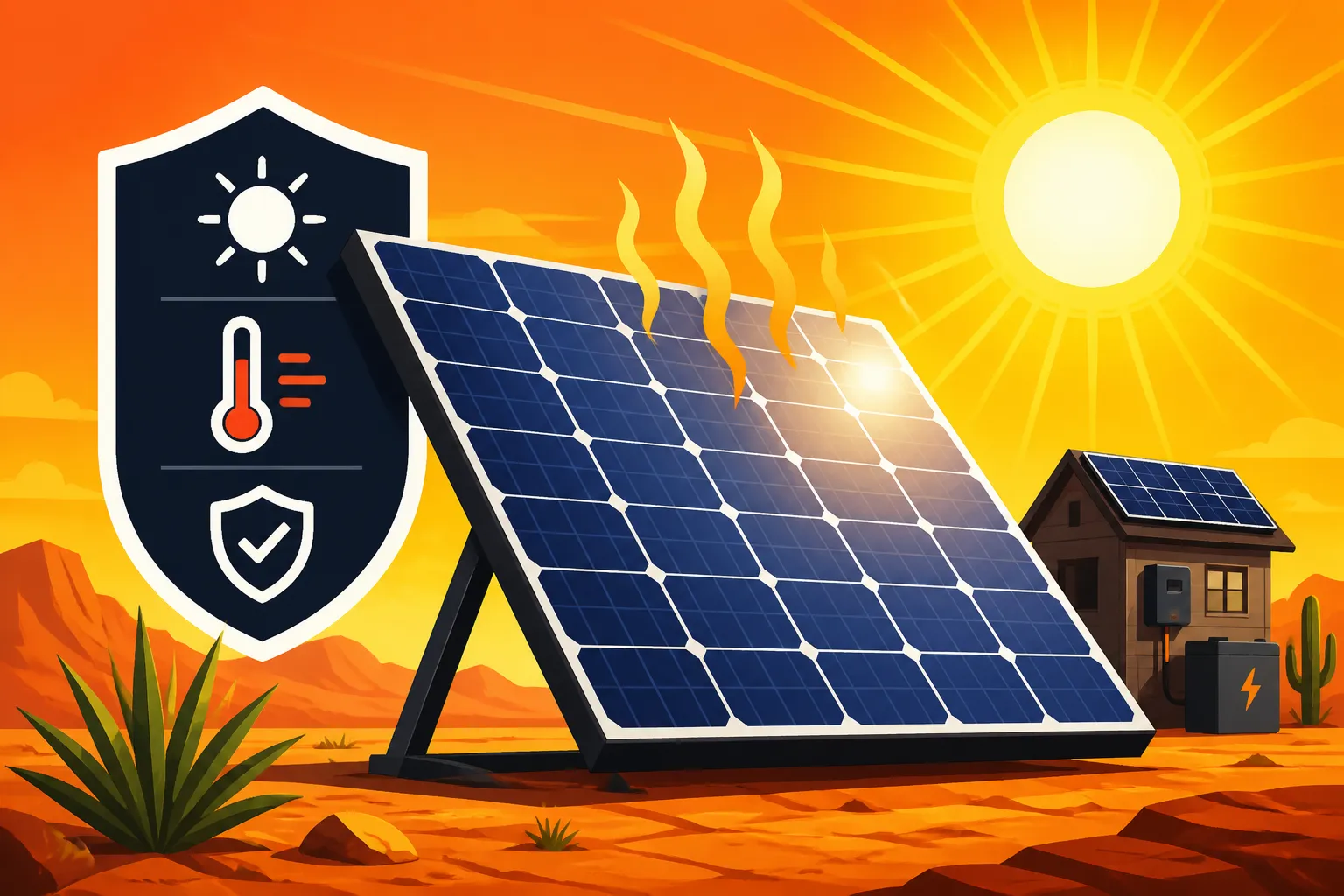
When you're outfitting your remote cabin or RV with solar, the assumption is often "more sun, more power." And while that's generally true up to a point, it's a common misconception that hotter weather automatically equals better solar production. The reality is, solar panels, particularly the photovoltaic cells within them, operate best at cooler temperatures. As the ambient temperature climbs, the efficiency of your panels can actually take a noticeable hit, which can be incredibly disheartening when you're relying on that power.
The Science Behind Heat and Efficiency Loss
At the heart of every solar panel are photovoltaic cells, typically made from silicon. These cells work by absorbing photons from sunlight, which excites electrons and generates an electric current. This process is most efficient within a specific temperature range, usually around 25°C (77°F), which is considered the standard test condition (STC) for rating panels.
When the temperature of the solar panel itself increases beyond this optimal point, the internal resistance of the silicon cells also increases. This heightened resistance makes it harder for the electrons to flow freely, leading to a decrease in the voltage output of the panel. Imagine a crowded hallway; the hotter the cells get, the more "crowded" that hallway becomes for the electrons trying to pass through. Fewer electrons can flow effectively, and thus, less power is produced. This phenomenon is quantified by a crucial metric known as the "temperature coefficient." This coefficient, usually expressed as a negative percentage per degree Celsius, tells you how much the panel's power output (Pmax) will decrease for every degree Celsius the panel temperature rises above 25°C. For example, a panel with a temperature coefficient of -0.40%/°C means it loses 0.40% of its power output for every degree above 25°C. In places like Phoenix, Arizona, where panel temperatures can easily hit 60-70°C (140-158°F) on a sunny day, this can lead to significant power reductions.
Beyond Efficiency: Other Heat-Related Concerns
While the immediate drop in power output is the most noticeable effect of high heat, there are other, more long-term concerns that off-grid users need to consider. Extreme and prolonged heat can put undue stress on various components of your solar array, potentially shortening its lifespan and increasing maintenance needs.
One significant concern is accelerated material degradation. The constant expansion and contraction of materials due to severe temperature fluctuations can lead to physical stress on the panel. This can manifest as micro-cracks in the silicon cells, delamination of the protective layers, or even weakening of the frame adhesives. These issues might not be immediately apparent but can reduce the panel's long-term performance and durability. Additionally, the junction box on the back of the panel, which houses the bypass diodes, can be particularly vulnerable to overheating. If these diodes consistently operate at high temperatures, they can fail, leading to hotspots on the panel and further power loss. Even the wiring and connectors in your system can suffer from prolonged exposure to high heat, leading to increased resistance, potential fire hazards, or intermittent connections. This is why proper sizing and selection of components, including your charge controller and inverter, are so vital, especially when designing an off-grid solar system for extreme conditions.
Key Features to Look for in High-Heat Solar Panels
Choosing the right solar panels for a hot climate isn't just about finding the cheapest watt-per-dollar deal; it's about investing in technology and construction that can endure and perform. When your primary goal is reliable power even when the sun is scorching, you need to be a savvy shopper and understand the specifications that truly matter. It’s not just about the upfront cost, but the long-term efficiency and durability. You might find some excellent choices by researching various options on platforms like Amazon, but always dig into the detailed spec sheets provided by the manufacturers.
Temperature Coefficient: Why it's the Number One Factor
As mentioned earlier, the temperature coefficient (specifically, the Pmax temperature coefficient) is your single most important indicator of how well a solar panel will perform in high heat. This value tells you how much power a panel loses for every degree Celsius increase above 25°C. The goal is to find panels with a lower absolute value for this coefficient.
For example, a panel with a temperature coefficient of -0.29%/°C will perform better in hot weather than one with -0.45%/°C. While this difference might seem small per degree, it adds up significantly when panel temperatures soar. On a blazing summer day in, say, Nevada, where a panel's surface temperature could easily reach 65°C, a panel with -0.45%/°C could lose 18% of its power (40°C * 0.45%), while a panel with -0.29%/°C would only lose about 11.6% (40°C * 0.29%). That's a huge difference in actual power generation! When comparing different brands or models, always scrutinize this number on the specification sheet. Many premium monocrystalline panels from reputable manufacturers will boast impressive (low) temperature coefficients, often in the range of -0.28% to -0.35%/°C.
Panel Type and Material Considerations
Beyond the temperature coefficient, the type of solar cell technology and the overall panel construction play a crucial role in heat resistance. Not all silicon is created equal, and advancements in manufacturing have led to panels that handle heat much more gracefully.
Monocrystalline panels, generally recognizable by their uniform dark appearance, tend to have higher efficiency rates and better temperature coefficients compared to older polycrystalline panels. This is because monocrystalline cells are made from a single, pure crystal of silicon, allowing electrons to flow more easily and reducing internal resistance. For off-grid applications in hot climates, prioritizing monocrystalline panels is a smart move. Furthermore, newer cell technologies like PERC (Passivated Emitter Rear Cell) and N-type cells are specifically designed to enhance efficiency and improve temperature performance. PERC cells have an additional layer on the back that reflects unabsorbed light back into the cell, allowing for more electron excitation and reducing heat absorption. N-type cells use a different doping process that makes them more resistant to light-induced degradation (LID) and temperature-induced degradation (TID), both of which are common issues in hot environments. When researching, look for these advanced cell types, as they represent the cutting edge in high-performance, heat-tolerant solar.
Construction and Durability for Extreme Conditions
It’s not just the cells inside that matter; the entire package must be built to withstand the rigors of high heat and the thermal cycling it causes. A well-constructed panel will not only last longer but also maintain its performance over time.
Pay close attention to the panel's framing, glass, and junction box. A robust, corrosion-resistant aluminum frame helps protect the cells and resist warping under extreme heat. The tempered glass on the front should be high-quality and rated for outdoor use, providing both protection and optimal light transmission. However, one of the most critical components for heat durability is the junction box on the back of the panel. This is where the electrical connections are made and where bypass diodes reside. These diodes are crucial for preventing hotspots and allowing current to flow around shaded or damaged cells. A well-designed junction box will have good heat dissipation characteristics to protect these sensitive components from thermal stress. Look for junction boxes that are IP67 or IP68 rated for dust and water ingress, indicating they are sealed against the elements. Brands like Renogy and others often provide comprehensive details on their panel construction, emphasizing features designed for longevity in diverse climates. When considering a significant investment like an off-grid solar system, it’s worth reviewing details like these to ensure your setup is truly robust.
Top Contenders: Best Solar Panels for High Heat Environments
When you're serious about maintaining power in hot conditions, you need panels that are engineered for it, not just "adequate." The market has evolved significantly, offering specialized options that can make a real difference to your energy independence. Knowing which types excel can save you headaches and wattage down the line.
Monocrystalline Panels with Excellent Thermal Performance
Monocrystalline solar panels have long been the gold standard for efficiency, and this often extends to their thermal performance. Because of their uniform crystal structure, they generally have lower temperature coefficients than their polycrystalline counterparts. When shopping for off-grid power, particularly for a large system like that for a whole house or a large cabin, prioritizing high-quality monocrystalline panels is a smart move.
Many premium manufacturers are constantly innovating to improve thermal characteristics. For instance, panels featuring half-cut cells often exhibit better performance in high temperatures and partial shading. By cutting cells in half, the internal current is reduced, which in turn reduces resistive losses and heat generation within the cell. This means the panel itself runs cooler and experiences less efficiency drop. Look for well-regarded brands that specialize in robust, high-efficiency monocrystalline modules. These panels might have a higher upfront cost, but their superior performance in heat and longer lifespan often justify the investment, especially when calculating the long-term Off-Grid Solar Return on Investment. When browsing options on various marketplaces, including reputable sellers on Amazon, always check the datasheet for panels specifically marketed with low temperature coefficients.
Advanced Cell Technologies for Heat Resistance
The world of solar technology isn't standing still, and several advanced cell technologies are specifically designed to tackle the efficiency-sapping effects of heat. These innovations are becoming more accessible and are certainly worth considering for your high-heat off-grid setup.
- PERC (Passivated Emitter Rear Cell) Technology: PERC cells add a thin passivation layer on the back of the solar cell. This layer helps reflect unabsorbed sunlight back into the cell, giving it a second chance to generate electrons, which increases efficiency. Crucially for hot climates, this layer also helps reduce electron recombination on the rear surface, which decreases internal heat generation and improves overall thermal performance. Many modern monocrystalline panels now integrate PERC technology, offering a significant boost in performance.
- N-type Cells: Most traditional solar cells are P-type, meaning they use boron as a doping agent. N-type cells use phosphorus doping instead. This might sound like technical jargon, but N-type cells are inherently less susceptible to light-induced degradation (LID) and exhibit better performance stability in high temperatures. They generally have lower temperature coefficients and often come with longer performance warranties. Brands like LG (though they've exited solar panel manufacturing) and some newer Asian manufacturers have been at the forefront of N-type technology.
- Bifacial Solar Panels: While not strictly a "heat resistance" technology, bifacial panels, which can generate power from both sides, can offer an indirect benefit in hot climates. By being elevated and allowing airflow underneath, they can run cooler than traditional opaque-backed panels. The ability to capture reflected light also means they can achieve higher overall energy yield, potentially compensating for any heat-induced efficiency drops from the top surface. These panels are particularly effective on ground mounts or elevated racking systems. Thinking about how to install ground-mounted solar panels can help ensure good airflow and harness the benefits of bifacial options.
Installation and Maintenance Tips for Hot Climates
Even the best, most heat-resistant solar panels need a little help to perform optimally when the sun is relentlessly beating down. Proper installation and routine maintenance are absolutely crucial to maximize their efficiency and extend their lifespan in scorching environments. It’s not just about what panels you buy, but how you set them up and care for them.
Optimizing Airflow and Mounting
One of the simplest yet most effective ways to combat heat-related efficiency loss is to ensure ample airflow around your solar panels. Just like a computer needs a fan to stay cool, solar panels perform better when they can dissipate heat efficiently.
Avoid mounting panels directly flush with a roof or surface, as this traps heat underneath. Instead, use mounting systems that provide a gap of at least a few inches between the panel's back surface and the mounting structure. This creates a natural convection current, allowing cooler air to circulate and carry away excess heat. For RVs or smaller off-grid setups, using Z-brackets that elevate the panel slightly is a common practice. For larger installations, like a cabin, consider adjustable tilt mounts or even a dedicated ground mount system. Ground mounts, by their very nature, offer excellent airflow on all sides of the panel and can also be optimized for the best tilt angle throughout the seasons. In extremely hot regions, some folks even use reflective materials on the ground beneath their elevated panels to bounce light up to the underside of bifacial panels, while also reflecting some heat away. Understanding how to wire panels to a combiner box for your specific setup will also ensure optimal performance and safety in these conditions.
Regular Inspections and Cleaning
High heat often goes hand-in-hand with dry, dusty conditions, which can accumulate on your panels and further exacerbate efficiency problems. Regular cleaning and inspections are non-negotiable for maintaining peak performance in hot climates.
Dust, dirt, pollen, and even bird droppings can create a layer on the panel's surface that blocks sunlight, reducing power output. This is especially problematic in hot environments because the darker, dirtier surface can absorb more heat, making the panels even hotter and less efficient. Schedule routine cleanings, especially after dust storms or long dry spells. A soft brush and plain water, ideally in the cooler parts of the day, are usually sufficient. Avoid abrasive cleaners or harsh brushes that could scratch the tempered glass. Beyond cleaning, conduct visual inspections regularly. Look for any signs of physical damage, such as cracks in the glass, bubbling or discoloration under the glass (signs of delamination), or damage to the frame. Check the wiring and connections for signs of wear, overheating, or critter damage. Ensure all connections are secure and free of corrosion. Maintaining your system diligently can significantly prolong its life and ensure it delivers consistent power even during the harshest summer days. It's a critical part of managing Off-Grid Solar Maintenance Costs.
| Panel Characteristic | Ideal for High Heat | Why it Matters | Typical Range |
|---|---|---|---|
| Temperature Coefficient | Lower Absolute Value | Indicates less power loss per degree Celsius above 25°C. Lower = better. | -0.28% to -0.45% / °C |
| Cell Type | Monocrystalline, PERC, N-type | More efficient, better electron flow, less heat generation. | Monocrystalline is generally superior |
| Half-Cut Cells | Yes | Reduces internal current, leading to lower operating temperatures and less shading impact. | Increasingly common in high-efficiency panels |
| Bifacial Capability | Yes | Can produce power from both sides, often installed with better airflow. | Requires proper mounting for maximum benefit |
| Junction Box Rating | IP67/IP68 | Ensures protection against dust and water, preventing internal component damage. | Essential for longevity in outdoor environments |
| Frame Material | Anodized Aluminum | Durable, corrosion-resistant, and helps with heat dissipation. | Standard for quality panels |
Disclaimer
The information provided in this article is for general informational purposes only and does not constitute professional advice. Off-grid solar system design and installation can be complex and involve electrical hazards. Always consult with qualified professionals and adhere to local codes and regulations before making purchasing decisions or undertaking any installation work.