BougeRV Solar Panels Review for Off-Grid
When you're trying to set up a reliable off-grid power system for your RV, remote cabin, or even just a backyard shed, one of the biggest headaches can be sifting through the seemingly endless options for solar panels. It’s easy to feel overwhelmed by technical specs and brand promises, wondering if you're truly getting a product that will hold up to the elements and actually deliver consistent power. This comprehensive guide is here to cut through the noise, offering an in-depth look at BougeRV solar panels, helping you understand their features, performance, and whether they're the right fit for your off-grid dreams.
Understanding BougeRV Solar Panels for Off-Grid Living
BougeRV has carved out a noticeable niche in the off-grid solar market, particularly among DIY enthusiasts and those looking for accessible, reliable power solutions for their mobile or remote setups. They're often seen as a brand that offers a good balance of affordability and decent quality, making them a popular choice for folks just getting started or expanding their systems without breaking the bank. But what exactly makes their panels suitable for the unique demands of off-grid living?
Their primary focus is on providing robust, efficient solar panels designed to withstand the rigors of outdoor environments. This isn't your average rooftop solar system; off-grid panels often face more varied weather, vibrations, and constant exposure to elements. BougeRV understands this and has engineered many of its products with these challenges in mind, offering various panel types to suit different applications, from compact flexible panels for RV roofs to more traditional rigid panels for fixed installations.
Types of BougeRV Solar Panels Available
BougeRV offers a diverse range of solar panels, each tailored for specific off-grid needs. Understanding these different types is crucial for making an informed decision about your setup. They generally fall into three main categories: rigid, flexible, and portable. Each has its own set of advantages and ideal use cases.
Rigid solar panels are the most common and robust option. These are typically monocrystalline panels, known for their higher efficiency and durability. BougeRV's rigid panels usually come with tempered glass and an aluminum frame, designed to withstand hail, heavy winds, and general outdoor wear and tear. They are excellent for fixed installations like cabins, sheds, or ground mounts where space isn't as critical and a long lifespan is prioritized. You'll find these in various wattages, making it easy to scale your system according to your energy needs.
Flexible solar panels are a game-changer for many off-grid applications, especially for RVs, vans, and boats where curved surfaces or lightweight solutions are essential. BougeRV's flexible panels are much thinner and lighter than their rigid counterparts, allowing them to conform to slightly irregular surfaces and reduce overall weight. This is particularly appealing to van lifers or boaters who need to minimize added bulk and aerodynamic drag. While generally slightly less efficient than rigid panels of the same size, their versatility and ease of installation (often just adhesive-backed) make them incredibly attractive.
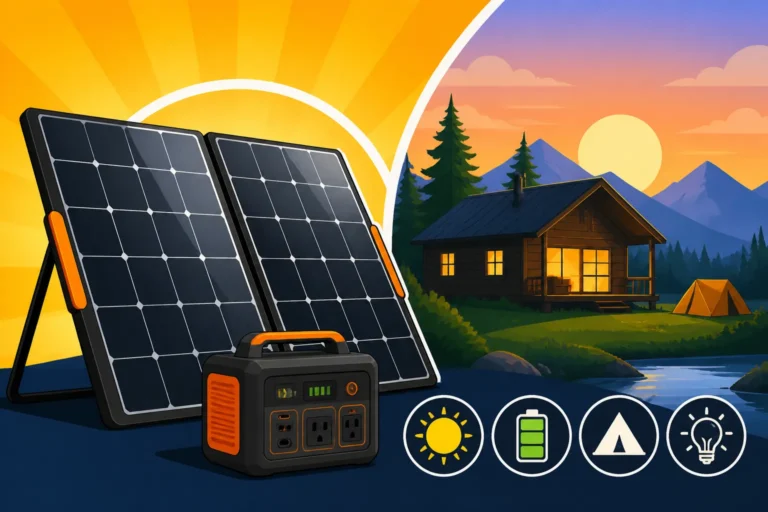
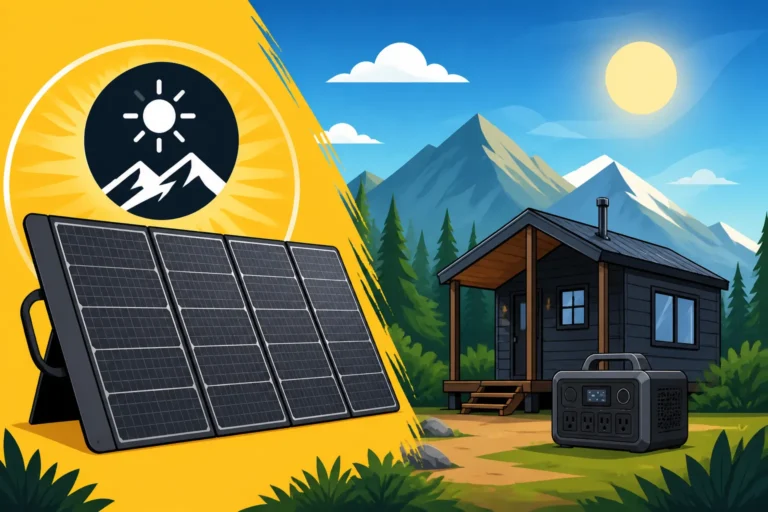
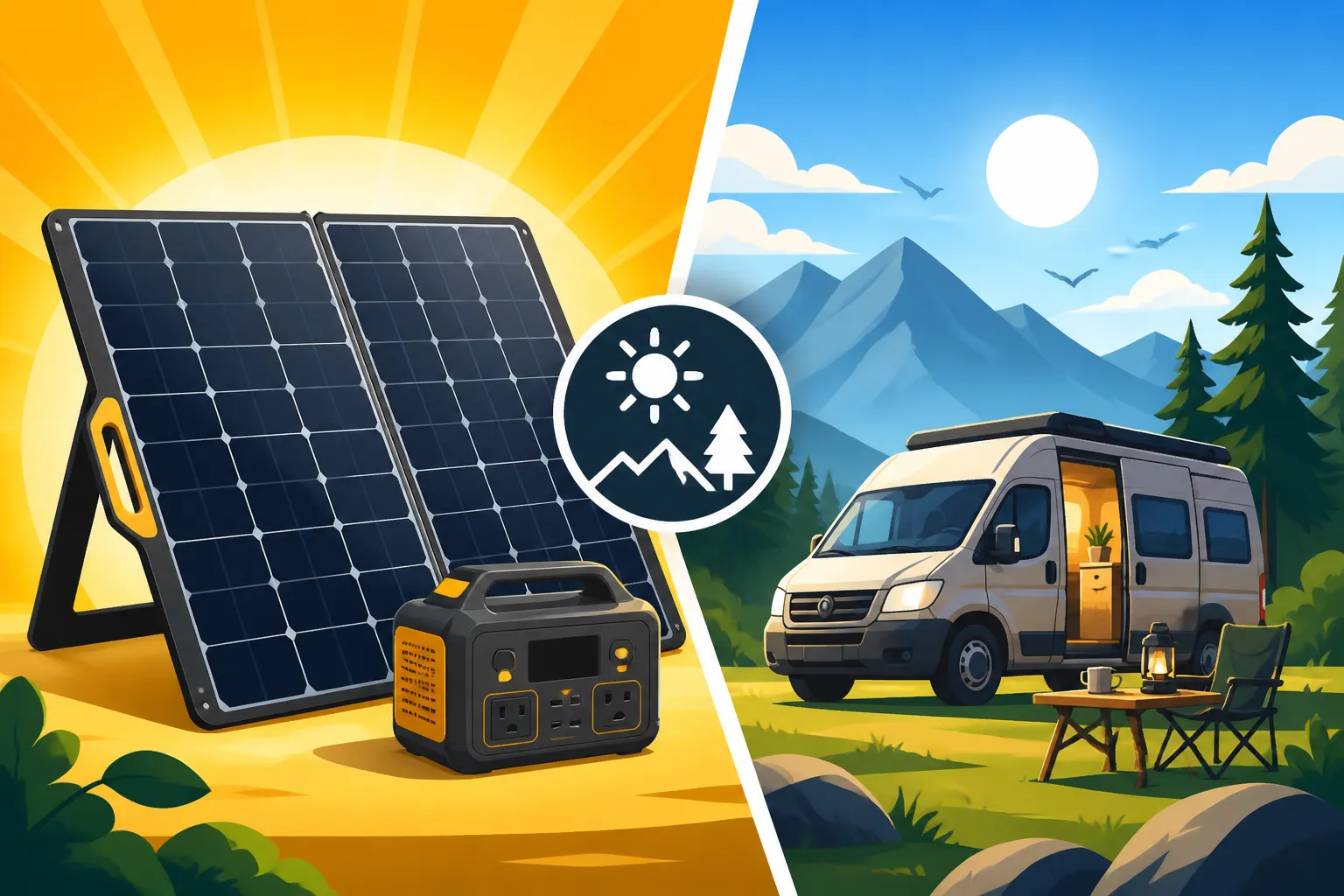
Lastly, portable solar panels and solar blankets offer ultimate convenience for temporary setups or supplemental charging. These are often foldable, making them easy to deploy when needed and store away when not in use. They're perfect for camping trips, overlanding, or as a quick top-up for your battery bank while enjoying a remote location. BougeRV offers portable options that integrate seamlessly with their portable power stations, or can be used with a separate charge controller to charge a larger battery bank. When considering your energy needs, you might want to delve deeper into How Many Solar Panels for Off-Grid Living to ensure you pick the right quantity and type.
Construction and Durability Standards
When you're out there relying solely on your solar setup, durability isn't just a nice-to-have, it's absolutely essential. BougeRV understands this, and their panels are built with features designed to stand up to the elements, ensuring you get consistent power generation for years to come, even in harsh conditions. They know that off-grid environments are far from predictable, whether you're facing extreme temperatures, high winds, or unexpected impacts.
Their rigid panels, for instance, typically feature low-iron tempered glass on the front, which not only maximizes light transmission for better efficiency but also offers significant impact resistance. This glass is framed by a corrosion-resistant aluminum alloy, providing structural integrity and protecting the edges of the panel. This kind of construction is critical for longevity, especially if your panels are exposed to the elements year-round, like on a cabin roof in the mountains or a permanent ground mount in a field. The junction boxes are usually IP67 rated, meaning they’re dust-tight and can withstand immersion in water, which is a crucial detail for preventing moisture ingress and ensuring electrical safety.
Flexible panels, while inherently different in their construction, are also designed for resilience. Instead of glass, they often use advanced polymer materials like ETFE (Ethylene Tetrafluoroethylene) on the surface, which is highly durable, UV-resistant, and self-cleaning. This material is not only tough against punctures and scratches but also maintains its clarity over time, preventing degradation from sun exposure that can plague lesser materials. The lightweight nature of these panels means they are less prone to damage from vibrations, a common issue for RVs on bumpy roads. This thoughtful engineering helps them maintain performance whether they're adhered to a curved RV roof or serving as a portable power source on the ground.
Key Features and Technologies of BougeRV Panels
Delving into the specifics, BougeRV's solar panels incorporate several key features and technologies that are particularly beneficial for off-grid users. It's not just about slapping some cells together; it's about optimizing them for real-world performance where every watt counts. From the choice of solar cell technology to their overall efficiency and ease of integration, these aspects directly impact how well your off-grid system will perform.
Understanding these features will help you appreciate the thought that goes into their design and how they can specifically address the challenges you might encounter in an off-grid scenario. For example, efficiency isn't just a number; it dictates how much power you can squeeze out of a limited space, which is often a critical factor for mobile setups or small cabins. Similarly, how easily a panel can be installed and connected directly influences the time and effort you'll need to invest in your system setup.
Monocrystalline Cell Efficiency
The heart of any solar panel lies in its photovoltaic cells, and BougeRV predominantly utilizes monocrystalline silicon cells in their panels. Monocrystalline technology is widely regarded as the most efficient type of solar cell available for consumer-grade panels today, and for good reason. These cells are made from a single, continuous crystal structure, which allows electrons to flow more freely, resulting in higher energy conversion rates.
For off-grid applications, this high efficiency is a significant advantage. It means that for a given physical footprint, a monocrystalline panel can generate more power compared to a polycrystalline panel. This is absolutely critical when roof space on an RV is limited, or you're trying to achieve maximum power output from a smaller array at a cabin. For example, a 200-watt BougeRV monocrystalline panel might have a smaller overall dimension than a 200-watt polycrystalline panel from another brand, making it easier to fit into tight spaces. If you're comparing options, you might find our guide on Monocrystalline vs Polycrystalline for Off-Grid helpful in understanding the nuances.
Furthermore, monocrystalline cells tend to perform better in low-light conditions, such as on cloudy days or during early morning and late afternoon hours. While no solar panel performs optimally without direct sunlight, the improved low-light performance of monocrystalline cells can provide a slight edge in maintaining a charge, which is a big deal when you're off-grid and every bit of energy collection matters. This consistent performance helps ensure your batteries stay topped up, extending your days of autonomy and reducing reliance on backup generators.
Integration with Existing Systems and Kits
One of the often-overlooked aspects when choosing solar panels is how easily they integrate with the rest of your off-grid system components. Nobody wants a complicated setup where different brands don't play nicely together. BougeRV has made an effort to ensure their panels are generally compatible with standard off-grid components, whether you're building a system from scratch or expanding an existing one.
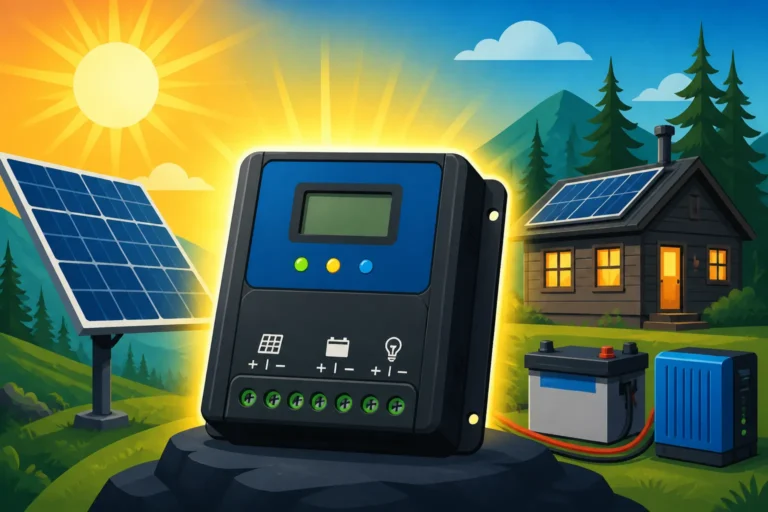
Their panels typically come with standard MC4 connectors, which are universal in the solar industry. This means you can connect them directly to most solar charge controllers—be they PWM or MPPT controllers from brands like Victron, Renogy, or even generic brands available on platforms like Amazon. This plug-and-play capability significantly simplifies the wiring process and reduces the need for specialized adapters or tools. If you’re considering a complete setup, you might find our article on How to Install an Off-Grid Solar System a valuable resource for planning your installation.
Beyond simple connectivity, BougeRV also offers pre-packaged solar kits that include panels, charge controllers, inverters, and mounting hardware. These kits are excellent for beginners or those who prefer a streamlined purchase, as all components are designed to work together seamlessly. Even if you're not buying a full kit, the fact that their individual panels are designed with common specifications means they can easily be added to a growing system. This expandability is crucial for off-grid living, as your power needs might evolve over time, perhaps requiring you to add more panels to How to Calculate Off-Grid Solar Needs or simply upgrading your battery bank.
Real-World Performance and User Experience
When you’re relying on solar power to keep your lights on, your fridge cold, or your devices charged, actual performance in the wild matters more than any spec sheet. BougeRV panels, like any other brand, have their strengths and weaknesses when put to the test in real off-grid scenarios. It's one thing to read about efficiency percentages, but it’s another to see how a panel truly performs under a scorching summer sun or a cloudy winter day.
The user experience often boils down to reliability, ease of setup, and the actual power output achieved in varied conditions. Many off-gridders prioritize robustness and consistent energy harvest over minor percentage points of efficiency, especially when dealing with the unpredictable nature of remote living or life on the road. Let’s dive into what real users report and how these panels stack up when facing everyday challenges.
Output and Charging Capabilities
In terms of actual power output, BougeRV solar panels generally perform as advertised, or very close to it, under ideal conditions. Their monocrystalline panels are known for good energy conversion, which means you can expect a decent watt-hour yield from them throughout the day. For example, a 200W rigid panel mounted on a cabin roof in full sun could easily contribute 800-1000 Wh per day to your battery bank, depending on your location's peak sun hours. This kind of reliable output is what allows you to run essential appliances like a refrigerator or charge laptops and phones without constant worry.
However, like all solar panels, their performance is directly impacted by environmental factors. Cloud cover, shading from trees or buildings, and even the angle of the sun all reduce output. Users generally report that BougeRV panels handle partial shading reasonably well, thanks to bypass diodes that help prevent hot spots and allow the unshaded portions of the panel to continue generating power. In less-than-ideal conditions, the output naturally dips, which is typical for any solar panel. For those planning a system, understanding How Much Solar to Run a Refrigerator or other specific appliances is vital for proper sizing.
Many users find BougeRV panels to be a solid choice for maintaining battery health. For instance, a small setup with a 100W flexible panel can keep an RV's 12V LiFePO4 battery topped off during moderate usage, preventing deep discharge cycles and extending battery life. For larger power needs, combining multiple panels into a larger array allows for more substantial charging capabilities, enabling a comfortable off-grid lifestyle even for whole homes. The consistency of their output, given the price point, is often highlighted as a significant positive.
User Feedback and Common Scenarios
Looking at user reviews and experiences, a common theme emerges: BougeRV panels offer excellent value, especially for those on a budget or looking for entry-level off-grid solutions. Many RV owners praise the flexible panels for their ease of installation, often using adhesive directly onto the roof without the need for bulky mounting hardware. This is a huge benefit for reducing wind resistance and maintaining a low profile. Travelers appreciate the convenience and stealth aspects, ensuring their setup doesn't draw undue attention while parked.
For cabin owners or those setting up more permanent structures, the rigid panels are often chosen for their robust build and reliable performance over years. Users report that these panels stand up well to various weather conditions, from heavy rain to snow loads in colder climates. Maintenance is straightforward, typically just requiring occasional cleaning to maximize light absorption. If you're building a new off-grid system, you might also be interested in a guide that explains the Off-Grid Solar System Components Explained.
However, some common feedback points to consider include the slightly lower efficiency of flexible panels compared to rigid ones, which is a trade-off for their adaptability. A few users have noted that the included cables on some portable kits can be a bit short for certain applications, requiring extensions. Overall, the consensus leans towards BougeRV being a dependable, cost-effective option, particularly favored by the DIY community and those who are comfortable sourcing supplementary components from retailers like Amazon or a local hardware store.
Making the Right Choice: BougeRV vs. Alternatives
Deciding on the right solar panels for your off-grid system isn't a one-size-fits-all situation. While BougeRV offers compelling options, it's always wise to compare them against other reputable brands and consider your specific needs. The market is saturated with choices, and understanding where BougeRV fits in, both in terms of quality and cost, will help you make a truly informed decision.
This section aims to provide a balanced perspective, highlighting situations where BougeRV truly shines and when you might want to look at alternatives. We'll consider factors like budget, longevity, and specific application requirements to help you weigh your options effectively.
Comparison with Other Popular Brands
When stacked against other well-known brands in the off-grid solar space, BougeRV often finds itself in the mid-range category in terms of price and quality. For example, a direct competitor often mentioned is Renogy. Renogy has a very strong presence in the DIY and mobile solar market, offering a wide array of panels, kits, and components, much like BougeRV. Both brands provide monocrystalline rigid and flexible panels, and both are readily available on platforms like Amazon.
The main differences often come down to specific product lines, minor efficiency variations, and sometimes price points for equivalent wattage. Renogy, for instance, might offer a slightly broader selection of higher-wattage panels or more integrated smart components in some of its kits. BougeRV, however, often remains highly competitive on price, making it an attractive option for those prioritizing affordability without sacrificing too much on performance. For some, the choice might come down to specific dimensions needed for their roof, or current sales promotions.
Higher-end brands like Victron Energy, while not directly competing on panel manufacturing as much, are often chosen for charge controllers and inverters to pair with panels from brands like BougeRV. These premium brands typically offer more advanced monitoring, longer warranties, and higher build quality, but at a significantly higher cost. So, when considering your overall Off-Grid Solar Cost: Complete Breakdown, you'll need to decide if an all-inclusive budget solution or a mix-and-match approach is best for you.
Pros and Cons of BougeRV Panels
To help you distil all this information, let’s break down the general advantages and disadvantages of opting for BougeRV solar panels for your off-grid adventures.
Pros of BougeRV Solar Panels:
- Affordability: One of the most significant advantages is their competitive pricing, making off-grid solar more accessible to a wider range of users. This is especially true when purchasing through large online retailers.
- Variety of Options: BougeRV offers rigid, flexible, and portable panels, catering to diverse needs from fixed installations to mobile setups and temporary camping power.
- Good Performance for the Price: Their monocrystalline cells deliver decent efficiency and reliable power output, particularly under good sun exposure. Users generally report satisfactory real-world performance.
- Standard Compatibility: With MC4 connectors, their panels are easy to integrate into existing systems or pair with charge controllers and inverters from various brands.
- Durable Construction: Thoughtful materials like tempered glass, aluminum frames, and ETFE surfaces ensure their panels can withstand harsh outdoor conditions, vital for long-term off-grid use.
- Ease of Installation: Flexible panels, in particular, are lauded for their simple adhesive-based installation on curved surfaces, appealing to RV and van owners.
Cons of BougeRV Solar Panels:
- Not Always Top-Tier Efficiency: While good for the price, some higher-end brands may offer slightly better efficiency per square foot, which could be a factor if space is extremely limited and maximizing every watt is paramount.
- Limited High-Wattage Options: For very large, high-demand whole-home off-grid systems, you might find more comprehensive high-wattage panel options or more advanced certifications from industrial-focused manufacturers.
- Warranty and Support (Compared to Premium Brands): While BougeRV offers standard warranties, they might not always match the extended periods or localized support networks offered by some long-established premium solar manufacturers. However, their online support and widespread availability often compensate for this for the average consumer.
- Aesthetics: While functional, the aesthetics of some flexible panels might not be as sleek as some highly integrated, custom solutions from specialized RV outfitters, though this is a minor concern for most off-gridders.
Who Should Consider BougeRV Panels?
BougeRV solar panels are an excellent choice for a specific segment of the off-grid community. If you're an RV enthusiast, a van lifer, or a weekend warrior looking to power your adventures without excessive costs, BougeRV's flexible and portable options are definitely worth considering. They provide the necessary power to keep your batteries charged, run small appliances, and maintain a comfortable mobile lifestyle. Their ease of installation is a huge plus for those who prefer to DIY their setup.
They are also a strong contender for those setting up power for smaller fixed structures like sheds, workshops, or hunting cabins. The rigid panels offer a cost-effective yet durable solution for these applications, allowing you to power lights, tools, or even a small well pump. If you’re looking to get started with off-grid solar on a reasonable budget and want reliable equipment that’s proven in the field, BougeRV provides a solid foundation. If you're trying to figure out your entire budget, consider checking out our guide on How to Budget for an Off-Grid Solar System.
However, if you're building a massive, highly complex, year-round off-grid home with significant energy demands (like multiple air conditioners or heavy-duty machinery), you might want to explore panels from brands that specialize in utility-scale or commercial installations, which sometimes come with even more robust certifications and long-term performance guarantees, albeit at a premium. For the vast majority of personal off-grid projects, though, BougeRV strikes a very appealing balance.
| Panel Type | Typical Wattage Range | Ideal Use Case | Pros | Cons |
|---|---|---|---|---|
| Rigid Panels | 100W – 200W+ | Cabins, Sheds, Ground Mounts, RV Roofs (flat) | Highly durable, good efficiency, strong structural integrity, withstands harsh weather. | Heavier, less flexible (no curved surfaces), bulkier installation. |
| Flexible Panels | 50W – 200W | RVs, Vans, Boats, Curved Roofs, Limited Weight | Lightweight, flexible (conforms to curves), easy adhesive installation, low profile. | Slightly lower efficiency than rigid, generally higher cost per watt, sensitive to overheating if not properly ventilated. |
| Portable Panels | 60W – 200W | Camping, Overlanding, Emergency Backup, Temporary Use | Highly convenient, foldable, quick setup, easy to store and transport. | Requires manual setup/adjustment, not suitable for permanent installations, can be stolen easily if left unattended. |
Ultimately, the best solar panel for you depends on your specific circumstances, budget, and power needs. BougeRV has certainly earned its place in the off-grid solar world by consistently delivering practical, accessible, and dependable solutions for many.
Disclaimer
Please remember that while this article provides comprehensive information on BougeRV solar panels for off-grid use, it is intended for informational purposes only. Solar system design and installation can be complex and involve electrical hazards. Always consult with a qualified solar professional or electrician before undertaking any significant electrical work. Ensure you comply with all local codes, regulations, and permitting requirements for your specific location. The performance and costs mentioned are estimates and can vary based on your specific location, climate, usage patterns, and equipment choices.