EG4 Off-Grid Inverter Review
Making the leap to off-grid living or just securing reliable backup power often brings a fair bit of head-scratching, especially when it comes to the heart of your system: the inverter. This crucial piece of equipment can make or break your energy independence, converting your battery's stored power into usable household electricity. If you're wrestling with the decision of which inverter to choose, constantly wondering if it will truly stand up to the demands of daily off-grid life, this comprehensive guide is for you. We're taking a deep dive into EG4 off-grid inverters, breaking down what they offer, what to look out for, and how they stack up in the ever-growing solar market.
What Makes EG4 Inverters Stand Out for Off-Grid Living
Choosing an off-grid inverter isn't just about picking a box that converts DC to AC; it's about investing in the reliability and efficiency of your entire power system. EG4 has carved out a significant niche in the off-grid community by focusing on robust, integrated solutions that simplify the solar journey for many homesteaders and adventurers. They're often praised for delivering a lot of bang for your buck, especially when considering the sheer capability and included features.
The All-in-One Approach to Power Management
One of the biggest frustrations for newcomers to off-grid solar is the complexity of integrating multiple components – a separate inverter, a charge controller, perhaps a transfer switch, and even a battery charger. Each piece needs to be compatible, wired correctly, and often configured individually. This can quickly become a tangled web, both literally and figuratively, leading to increased installation time, more points of failure, and a larger physical footprint.
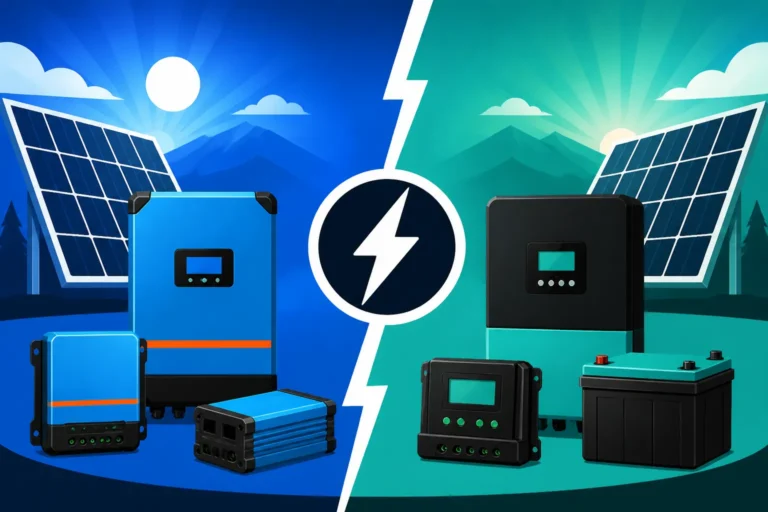
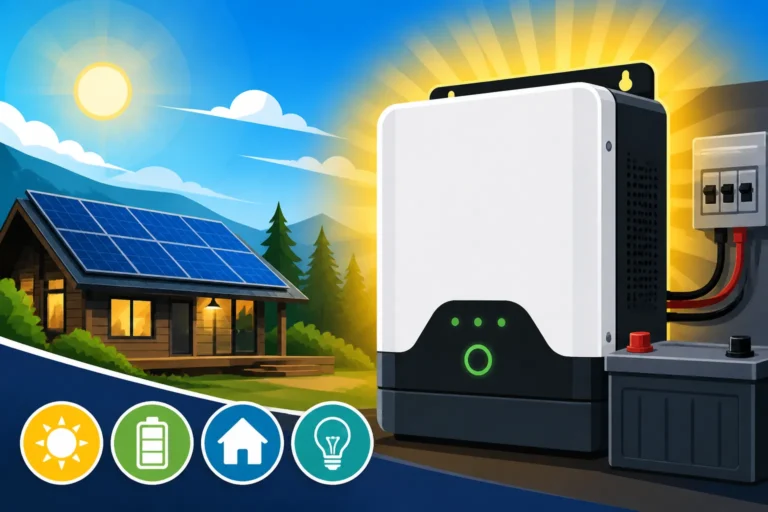
EG4 tackles this challenge head-on with its all-in-one inverter-charger units. These devices intelligently combine a pure sine wave inverter, an MPPT solar charge controller, and a battery charger into a single, compact enclosure. This integration simplifies the wiring dramatically, reducing the chance of errors and making the entire setup much more manageable. Imagine setting up a small cabin; instead of finding space for three bulky units, you only need to mount one. This not only saves valuable space, which is always at a premium in smaller off-grid dwellings, but it also streamlines the entire electrical pathway, often resulting in a more efficient overall system. For many, this "plug-and-play" simplicity, or at least "install-and-configure-with-one-device" approach, is a huge selling point, particularly for those who are tackling a DIY installation.
Robust Design and Reliability for Demanding Environments
Off-grid environments are rarely forgiving. Equipment needs to withstand varying temperatures, dust, humidity, and the constant stress of powering critical loads. A flimsy inverter won't last, leaving you without power when you need it most. EG4 understands this fundamental need for durability and designs its inverters with a focus on ruggedness and consistent performance. They’re built to be workhorses, not delicate electronics.
Their inverters are known for their strong surge capacity, which is absolutely vital in an off-grid setup. Think about starting a refrigerator, a well pump, or a power tool – these appliances can demand a momentary burst of power (a "surge") far exceeding their continuous running wattage. An inverter with insufficient surge capability will simply trip off, leaving you in the dark. EG4 units are generally engineered to handle these high inrush currents without faltering, providing peace of mind that your essential appliances will start reliably. Furthermore, many models feature active cooling systems, like robust internal fans, which help dissipate heat efficiently, preventing premature wear and tear in warmer climates or under heavy load. This kind of thoughtful engineering contributes significantly to the overall lifespan and reliability of the unit, a critical factor when your power source depends entirely on your solar system.
Advanced Technology and User-Friendliness
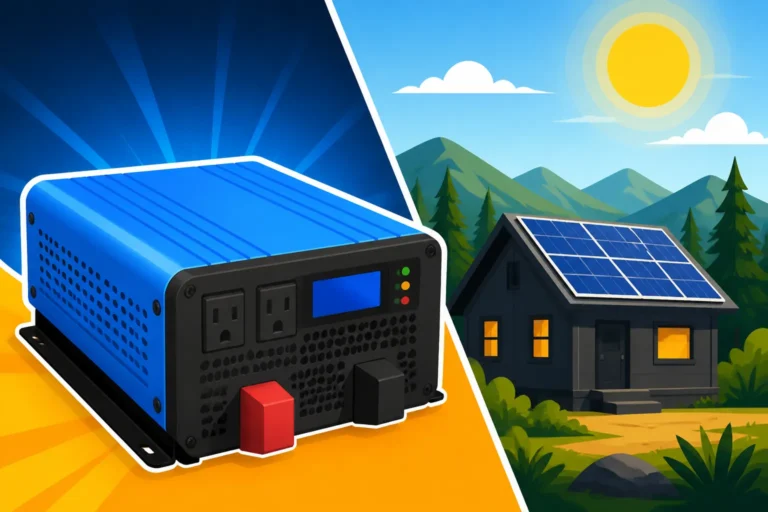
While the integration of components is a major plus, EG4 doesn't skimp on the underlying technology or ease of use. At their core, these are pure sine wave inverters, which means they produce electricity that is just as clean, if not cleaner, than what you get from the utility grid. This is crucial for protecting sensitive electronics like laptops, medical equipment, and modern appliances that can be damaged by the "dirty" power produced by cheaper, modified sine wave inverters.
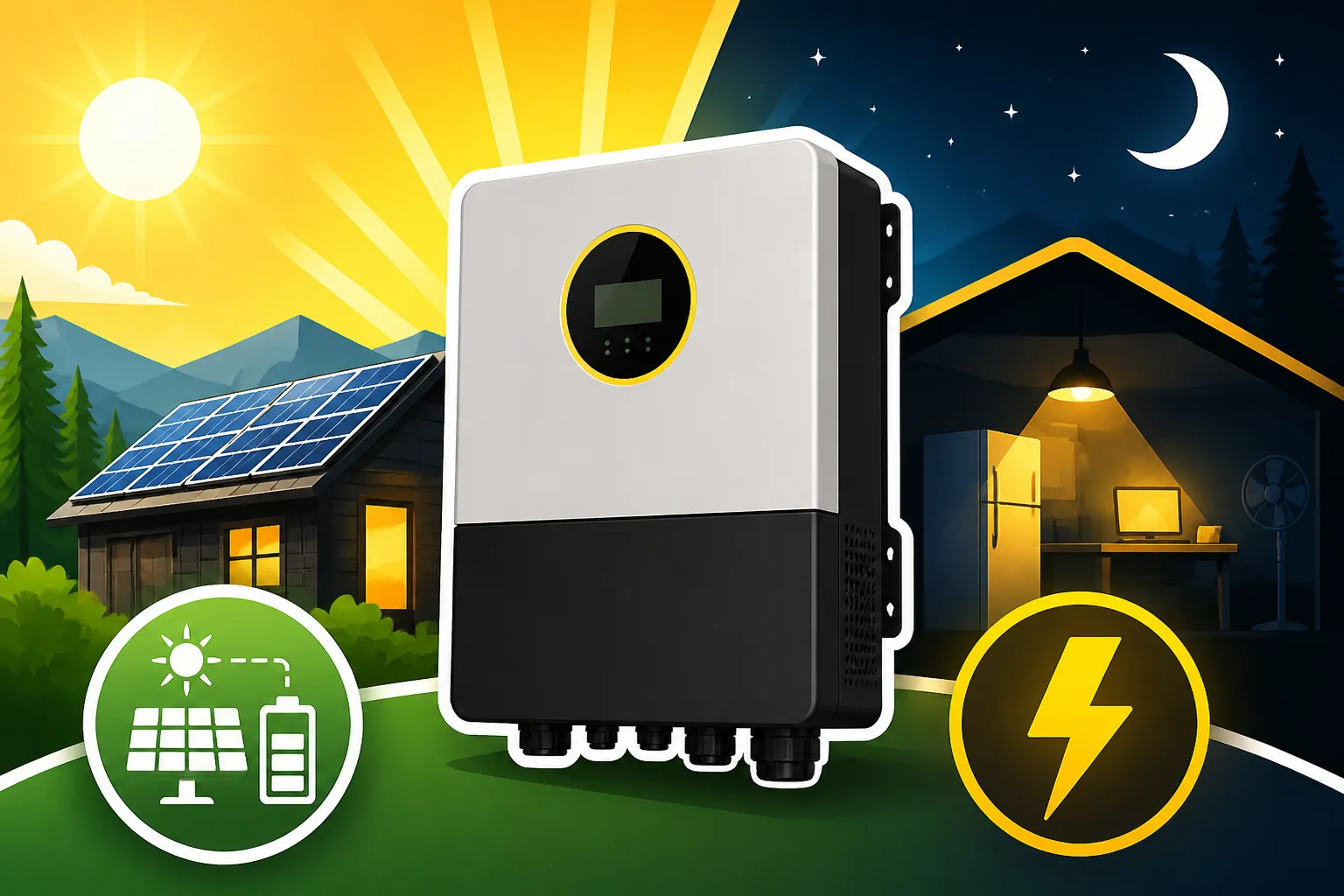
Beyond clean power, EG4 inverters often come equipped with intuitive LCD screens that provide real-time data on battery status, solar production, and load consumption. This immediate feedback is invaluable for monitoring your system's health and making informed decisions about energy usage. Many models also support remote monitoring through various communication ports, allowing you to connect to a computer or even a smart device to track performance and adjust settings. This level of user-friendliness, combined with advanced features like customizable charging parameters for different battery chemistries (including LiFePO4 vs Lead-Acid Batteries for Off-Grid), makes EG4 a compelling choice for those who want a powerful yet manageable off-grid solution. It significantly streamlines the process of how to choose an off-grid inverter, by bundling many desirable features into one package.
Deep Dive into Popular EG4 Off-Grid Inverter Models
EG4 offers a range of inverters, each designed to meet slightly different needs and system sizes. Understanding the specific capabilities of their popular models can help you determine which one might be the best fit for your unique off-grid application. Whether you're powering a small RV or a full-sized homestead, there's likely an EG4 model that aligns with your energy demands.
The EG4 6500EX-48 for Comprehensive Home Systems
For those looking to power more substantial off-grid setups, like a full-time cabin, a larger tiny home, or even a modest conventional house, the EG4 6500EX-48 inverter is a prime candidate. This powerhouse delivers a continuous 6500 watts of pure sine wave power, more than enough to run common household appliances simultaneously, including that power-hungry well pump or a mini-split air conditioner. Its 48V operating voltage is highly efficient for larger systems, minimizing current and allowing for thinner, less expensive wiring. If you're calculating how many solar panels for off-grid living you need, you'll find that a 48V system is often more streamlined.
What truly sets the 6500EX-48 apart is its integrated 120A MPPT solar charge controller. This means you can connect a substantial solar array directly to the inverter, simplifying the overall system design and reducing the need for additional components. It also boasts grid-assist capabilities, meaning it can use a generator or even a small grid connection (if available) to supplement power or recharge batteries. Many users appreciate the ability to parallel up to nine of these units, allowing for massive scalability. Imagine starting with a single unit for a cabin and then expanding to two or three as your power needs grow, perhaps to power an additional workshop or a larger heating system. This flexibility is a huge advantage for long-term off-grid planning.
The EG4 3000EHV for Smaller, Efficient Setups
While the 6500EX-48 is built for larger demands, the EG4 3000EHV (or similar 3kW models) shines in more compact or moderate off-grid applications. Delivering around 3000 watts of continuous power, it's perfect for RVs, smaller cabins, remote workshops, or even a robust van life setup. It's often available in 24V or 48V configurations, giving you options based on your battery bank and overall system efficiency goals. While 12V systems are common in very small setups, higher voltages generally lead to better efficiency for anything beyond basic lighting and charging.
This model, like its larger sibling, also features an integrated MPPT charge controller, though with a slightly lower amperage rating to match its smaller power output. Its more compact size makes it easier to install in confined spaces, a crucial factor in vehicles or small structures. Users frequently highlight its robust build quality and consistent pure sine wave output, ensuring that sensitive electronics like laptops, Starlink dishes, or CPAP machines run flawlessly. The integrated transfer switch is also a convenient feature, allowing for seamless switching between solar power and a backup generator, ensuring your critical loads stay powered without manual intervention. For those just starting out or working with a more modest budget, this inverter provides reliable power without the complexity and cost of a larger system.
Understanding EG4's Battery Compatibility
An inverter is only as good as its connection to the battery bank, and EG4 truly excels in this area, particularly with lithium iron phosphate (LiFePO4) batteries. Many EG4 inverters are designed with excellent communication protocols (like CANBUS and RS485) that allow them to "talk" directly to compatible LiFePO4 battery management systems (BMS). This direct communication is a game-changer because it ensures optimal charging and discharging parameters are always maintained, maximizing battery life and efficiency.
When an EG4 inverter can communicate with the battery, it receives real-time information about the battery's state of charge, temperature, and current limits. This allows the inverter to precisely control the charging process, preventing overcharging or excessive discharging, which are common causes of premature battery failure. While EG4 batteries are a natural pairing, many EG4 inverters are also compatible with other popular LiFePO4 brands, making them a versatile choice. This level of smart battery management goes beyond what many entry-level inverters offer, where you might have to manually set charging parameters or rely on less precise voltage-based charging. It's a critical consideration for those investing in expensive battery banks, as proper management significantly extends their lifespan and enhances system reliability. You can learn more about How Batteries Drive Off-Grid Solar Cost and how compatible inverters can protect your investment.
Pros, Cons, and Key Considerations When Choosing EG4
Deciding on an off-grid inverter is a significant commitment. While EG4 offers compelling solutions, it’s essential to weigh the full picture – the advantages that make them a popular choice, the potential drawbacks, and how they stack up against the competition. After all, your goal is a reliable, long-lasting system, and an informed decision is the best way to achieve that.
The Advantages of Going with an EG4 Inverter
There’s a reason EG4 has become a household name in many off-grid circles. The benefits they bring to the table often outweigh the compromises for a broad range of users. First and foremost, their high surge capability is a standout feature. This isn't just a technical spec; it's real-world functionality. It means your refrigerator compressor will kick on without a stutter, your well pump will draw water reliably, and your power tools won't cause the inverter to fault. This robust performance under fluctuating loads is absolutely critical for any practical off-grid setup.
Secondly, the integrated charge controller simplifies your entire system dramatically. Instead of purchasing, wiring, and configuring a separate MPPT charge controller, you have one unit that handles both solar charging and AC inversion. This not only saves you money on individual components but also reduces installation time and potential wiring errors. It's an all-in-one approach that many DIYers and even professional installers appreciate. The pure sine wave output is another non-negotiable benefit, ensuring all your sensitive electronics operate safely and efficiently, extending their life and preventing damage. Furthermore, many EG4 models offer impressive scalability, allowing you to parallel multiple units to increase your total power output as your needs evolve. This modularity means your initial investment isn't a dead end but a foundation you can build upon. Lastly, for the features and reliability they offer, EG4 inverters are generally considered cost-effective, often providing a premium experience without the top-tier price tag of some luxury brands. When you're assessing the Cost of an Off-Grid Solar Inverter, EG4 frequently emerges as a strong contender for value.
Potential Drawbacks and What to Watch Out For
No product is perfect, and EG4 inverters, despite their many strengths, do come with a few considerations. One aspect to keep in mind is their weight and size. Integrating an inverter, charge controller, and often a transfer switch into one unit means it can be a relatively heavy and bulky piece of equipment compared to a standalone inverter. This might be a concern in extremely space-constrained applications like certain RV builds or tiny homes where every inch and pound counts.
Another point to consider is the learning curve for advanced settings. While the basic operation is straightforward, unlocking the full potential of an EG4 inverter often requires delving into its menu system or PC software to fine-tune charging parameters, generator start settings, and grid-assist modes. This can be intimidating for absolute beginners, although numerous online resources and user communities exist to help. A significant, though rare, drawback is the single point of failure inherent in any all-in-one unit. If the inverter component fails, your charge controller is also out of commission, potentially leaving you completely without power until the unit is repaired or replaced. While EG4 units are generally reliable, it’s a factor to acknowledge. Finally, while availability has improved, sometimes finding specific models can be challenging compared to ubiquitous brands, but they are generally well-stocked by specialist solar retailers. This contrasts with the ease of finding smaller solar components or tools on Amazon, which has a much broader inventory.
Comparing EG4 to Other Popular Off-Grid Inverters
When you're evaluating off-grid inverters, EG4 often finds itself in comparison with a few key players. Brands like Victron Energy and Outback Power are considered premium, highly customizable, and extremely robust, but they often come with a significantly higher price tag and require separate components (inverter, charge controller, battery monitor) to build a complete system. Their strength lies in their modularity and extensive monitoring capabilities, making them ideal for complex, high-budget installations or users who crave granular control.
Then you have other all-in-one brands like Growatt, which also offer integrated inverter-chargers that compete directly with EG4. Growatt often presents a slightly more budget-friendly option, sometimes at the expense of certain advanced features or surge capabilities that EG4 might offer. For those just starting with a smaller setup, Renogy also offers a range of inverters, charge controllers, and kits that are popular for RVs and smaller cabins, often at a more accessible entry point. However, Renogy's offerings for true whole-home off-grid power typically don't match the heavy-duty, grid-interactive capabilities of EG4's larger units.
| Feature | EG4 Inverter (e.g., 6500EX-48) | Premium Modular (e.g., Victron MultiPlus) | Budget All-in-One (e.g., Basic Pure Sine) |
|---|---|---|---|
| Continuous Power | High (e.g., 6500W) | Very High (Scalable) | Moderate (e.g., 3000W) |
| Surge Capacity | Excellent | Excellent | Good |
| Integrated CC | Yes (MPPT) | No (Separate unit required) | Often (PWM or MPPT) |
| Battery Comp. | Excellent (w/ comms) | Excellent (w/ comms & deep customization) | Basic (Voltage-based) |
| Scalability | Yes (Parallel units) | Yes (Highly modular) | Limited/None |
| Price Point | Mid-range | High-end | Low-end |
| Complexity | Moderate | High | Low to Moderate |
| Footprint | Single Unit, Moderate Size | Multiple Units, Larger Overall | Single Unit, Compact |
Ultimately, EG4 strikes a compelling balance between comprehensive features, solid reliability, and a competitive price point. It's often the sweet spot for users who want robust off-grid power without breaking the bank or dealing with the extreme complexity of a fully modular high-end system. For many, an EG4 inverter represents an ideal solution for their off-grid needs. Considering DIY vs Professional Off-Grid Solar Cost when choosing, an EG4 system can lean towards a more DIY-friendly option given its integrated nature.
Maximizing Your EG4 Inverter's Performance and Longevity
An EG4 inverter is a significant investment in your off-grid lifestyle, and like any critical piece of equipment, its performance and lifespan are heavily influenced by how it's installed, maintained, and integrated into your overall system design. Taking the time to do things right from the start will save you headaches and ensure a reliable power supply for years to come.
Proper Installation and Ventilation is Key
You've got your shiny new EG4 inverter, but don't just unbox it and plunk it down anywhere! Proper installation is paramount for safety, efficiency, and longevity. Always, and I mean always, follow the manufacturer's installation guidelines and refer to your inverter's specific wiring diagram. These units contain high voltages and can generate significant heat, so understanding how to wire an off-grid solar system safely is critical. This includes using the correct gauge wire for all connections – from the batteries to the inverter, and from the solar array to the charge controller input – to prevent voltage drop and overheating. Additionally, proper fusing and circuit breakers are non-negotiable safety components that protect both your equipment and your dwelling.
Perhaps equally important is adequate ventilation. EG4 inverters, especially the larger models like the 6500EX-48, have powerful internal components that produce heat during operation. If this heat isn't dissipated effectively, the inverter will throttle its output, reduce efficiency, and potentially suffer premature failure. Install your inverter in a cool, dry location, ideally with good airflow around it. Avoid enclosed spaces without ventilation, direct sunlight, or areas prone to dust and moisture. Some users even design custom enclosures with forced-air ventilation to ensure optimal operating temperatures. Remember, a cool inverter is a happy, long-lasting inverter.
Monitoring and Maintenance for Optimal Health
Once installed, your EG4 inverter isn't a "set it and forget it" device. Regular monitoring and occasional maintenance are crucial for ensuring optimal performance and catching potential issues before they become major problems. Many EG4 inverters come with comprehensive display screens that provide real-time data on battery voltage, charge/discharge currents, solar input, and AC output. Get into the habit of checking these readings daily. Are your batteries charging as expected? Is your solar array producing sufficient power? Are there any error codes displayed? Understanding these basic metrics allows you to quickly identify anomalies.
Beyond the daily glance, consider connecting your inverter to its dedicated monitoring software, if available. This often provides more detailed historical data and allows you to adjust settings remotely. Firmware updates, when released by EG4, are also important. These updates can improve efficiency, add new features, or fix bugs, so make sure your unit is running the latest version. For physical maintenance, periodically inspect all wiring connections to ensure they are tight and free from corrosion. Clean any dust buildup from the cooling vents. While EG4 inverters are designed to be low-maintenance, these simple steps can significantly extend their lifespan and reliability, helping you manage Off-Grid Solar Maintenance Costs effectively.
Strategic System Sizing and Expansion
One of the biggest pitfalls in off-grid solar is improper system sizing. An undersized inverter will constantly struggle, leading to frequent overloads and potential damage, while an oversized one wastes money. Before you even purchase an inverter, you need to perform a thorough load analysis to calculate your daily energy usage and identify your peak surge requirements. This step is absolutely foundational for Off-Grid Solar Load Calculation Explained. An EG4 inverter, with its robust surge capabilities, can handle those initial power spikes from appliances, but you still need to match the inverter's continuous rating to your typical running loads.
Think about your future needs as well. Many EG4 models, particularly the 6500EX-48, are designed to be paralleled. This means you can start with a single unit and add more later as your energy demands grow, or if you decide to expand your off-grid property. Planning for this expandability from the outset, by perhaps oversizing your initial wiring runs slightly or ensuring space for additional units, can save you a lot of time and money down the road. Don't be afraid to consult resources like Designing an Off-Grid Solar System Step by Step to ensure your entire system, including your inverter, is perfectly matched to your lifestyle and energy goals.
Disclaimer
The information provided in this article is for general informational purposes only and does not constitute professional advice. Off-grid solar system design and installation can be complex and potentially dangerous. Always consult with qualified professionals and adhere to all local electrical codes and safety regulations when planning, installing, or maintaining an off-grid solar system. The author and publisher are not responsible for any actions taken based on the information presented herein.